Cabbage: Cold-Weather Workhorse with Quiet Superpowers
Affordable and endlessly adaptable — how cabbage's glucosinolates, fiber, and vitamins work, plus a global tour and 12 pro prep tips.
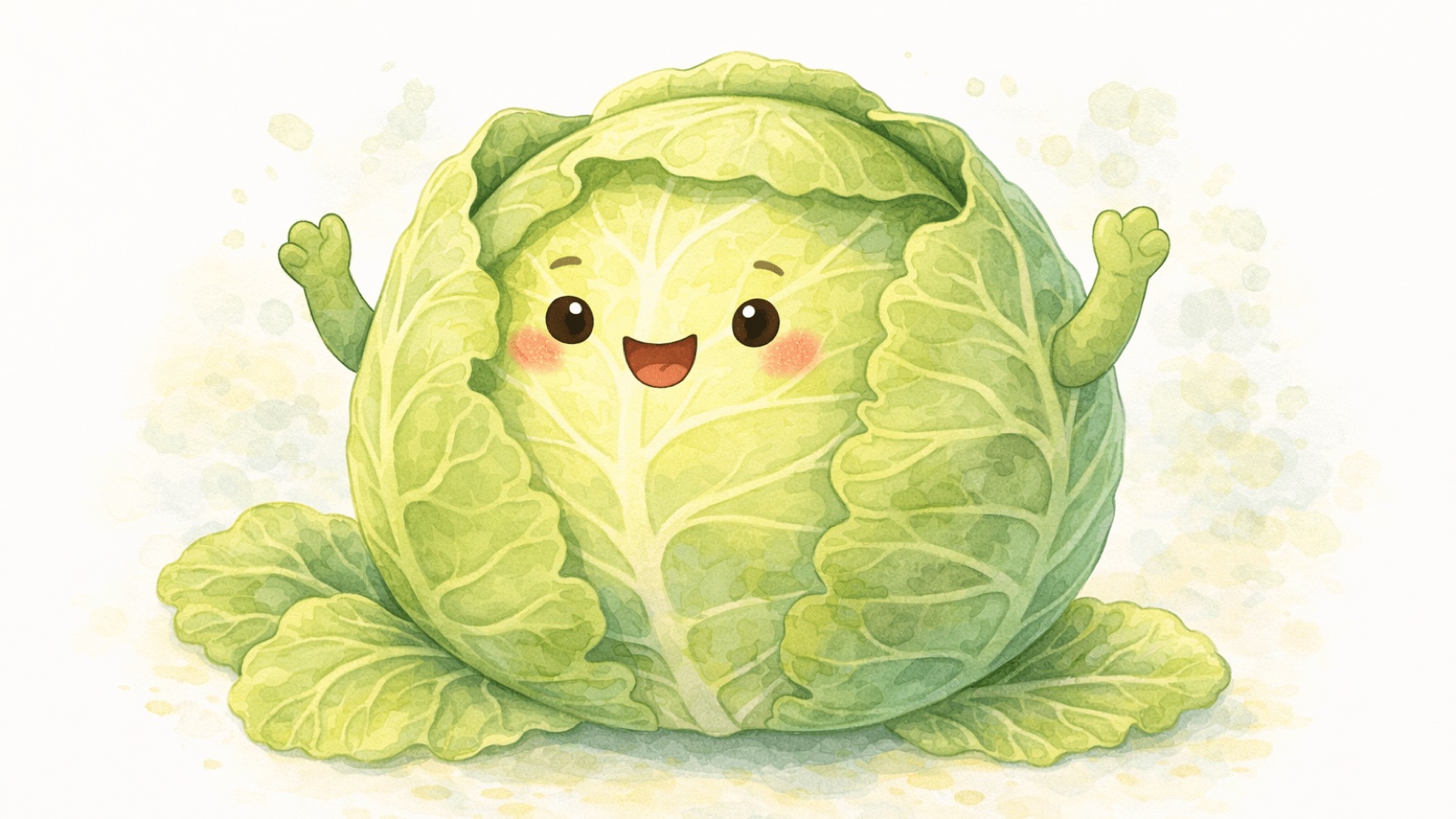
Crunchy slaws, cozy braises, umami‑rich kimchi and sauerkraut, cabbage does it all for pennies. Beyond budget appeal, this Brassica staple delivers fiber, vitamin C, vitamin K, folate, and signature sulfur‑containing compounds (glucosinolates) that form isothiocyanates when chopped/chewed, bioactives studied for antioxidant and cellular‑defense pathways.
Nutrition & Evidence‑Informed Health Notes
At a glance (per 1 cup raw green cabbage ~89 g): ~22 kcal, 2.2 g fiber, vitamin C ~36% DV, vitamin K ~56% DV, folate ~10% DV, potassium ~4% DV. Red cabbage adds anthocyanins. (Values vary with variety and cooking.)
What's reasonably supported:
- Cruciferous bioactives: Glucosinolates in cabbage convert (via chopping/chewing + the enzyme myrosinase) to isothiocyanates (e.g., sulforaphane‑like compounds in Brassica) that activate Nrf2‑dependent antioxidant responses in vivo and in vitro. Gentle cooking preserves more myrosinase than prolonged boiling.
- General produce benefits: Higher fruit/vegetable intake is consistently associated with lower risk of cardiovascular disease and all‑cause mortality; cruciferous vegetables are often highlighted as part of these patterns.
- Fermented cabbage (kimchi/sauerkraut): Provides live cultures when refrigerated and unpasteurized; fermentation may enhance certain B‑vitamins and organic acids. Note sodium content—rinse or portion mindfully if reducing salt.
Takeaway: Treat cabbage as a versatile, nutrient‑dense base. For brassica bioactives, chop first (let sit a few minutes), cook lightly, or add a pinch of raw mustard/horseradish to cooked dishes to supply myrosinase.
How to Choose & Store Cabbage
Choose:
- Heads: Heavy for size with tight, crisp leaves; avoid split stems, major cracks, or slimy outer leaves.
- Varieties: Green, red (more anthocyanins), Savoy (tender, crinkled), Napa (mild; great for salads/kimchi).
Store:
- Whole heads: Refrigerate in the crisper drawer unwashed, loosely bagged; green/red keep 2–4 weeks, Savoy/Napa 1–2 weeks.
- Cut cabbage: Wrap tightly (or container) and use within 3–5 days.
- Do not freeze raw for salads (texture suffers); blanch‑shred before freezing for cooked use.
How Cabbage Is Enjoyed Around the World
- Sauerkraut with sausages or as a condiment.
- Kimchi (Napa cabbage) served with rice, stews, and pancakes.
- Gołąbki (cabbage rolls) stuffed with grains/meat; tomato sauce.
- Okonomiyaki (savory cabbage pancake) with toppings.
- Stir‑fried cabbage with chiles/soy‑vinegar dressings.
- Coleslaw for sandwiches and BBQ; wedge salads with blue cheese.
12 Practical Tips to Prep & Cook Cabbage Like a Pro
- Core & quarter for easy shredding; rinse after cutting to remove grit.
- Activate myrosinase: Chop and rest 5–10 minutes before cooking.
- Add back enzymes: Stir in raw mustard or horseradish after cooking to supply myrosinase.
- Quick‑sauté (5–7 min) with garlic and vinegar for bright, tender shreds.
- High‑heat roast wedges at 450°F/230°C for charred edges and sweetness.
- Braise low & slow with onions, apples, and caraway for winter sides.
- Slaw smarter: Salt shredded cabbage 10–15 minutes, then squeeze—crunchier texture, less weeping.
- Pair with fats: A little olive oil, yogurt, or tahini improves carotenoid absorption and mouthfeel.
- Balance flavors: Vinegar/citrus + herbs counter sulfur notes; a pinch of sugar or apple helps round acidity.
- Ferment safely: Use tested recipes; keep submerge‑in‑brine and refrigerate when ready.
- Mind sodium: Rinse sauerkraut/kimchi if needed; season to taste after.
- Use the whole head: Outer leaves for stocks; cores shredded into stir‑fries or slaw.
Final Thoughts
Cabbage punches far above its price: pantry‑friendly, endlessly adaptable, and rich in fiber, vitamins, and Brassica bioactives. With smart chopping and light cooking, you can capture its best texture and maximize those sulfur‑based compounds.
References:
- USDA FoodData Central / MyFoodData. Cabbage, green/red, raw and cooked – nutrition profiles. https://tools.myfooddata.com/nutrition-facts/173687/wt1; https://tools.myfooddata.com/nutrition-facts/169977/wt1
- UC Davis Postharvest Technology Center. Cabbage – produce facts and storage guidance. https://postharvest.ucdavis.edu/produce-facts-sheets/cabbage
- Linus Pauling Institute, OSU — Micronutrient Information Center. Cruciferous Vegetables & Isothiocyanates (myrosinase, Nrf2, preparation effects). https://lpi.oregonstate.edu/mic/dietary-factors/phytochemicals/isothiocyanates
- Harvard T.H. Chan School of Public Health – The Nutrition Source. Vegetables / Cruciferous vegetables overview. https://www.hsph.harvard.edu/nutritionsource/vegetables/
Note: The information provided should not replace professional medical advice.