Chestnuts: Cozy, Comforting, and Surprisingly Nutritious
Unlike most nuts, chestnuts are low in fat and high in complex carbs — a complete guide to their unique nutrition, how to store them, and 12 pro cooking tips.
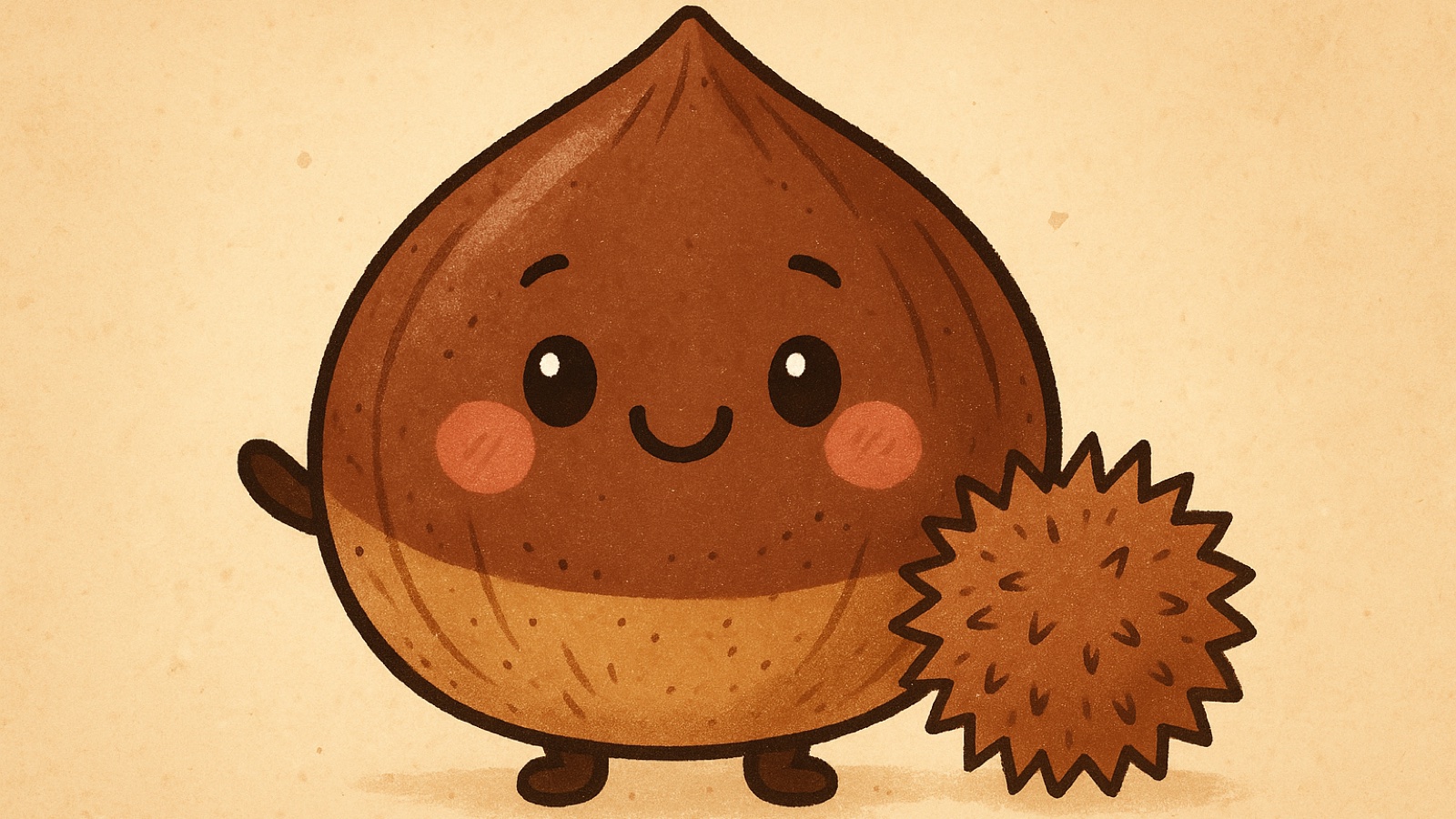
From street‑roasted cones to holiday stuffing and velvety purées, chestnuts show up in far more dishes than you might realize. Unlike most nuts, chestnuts are naturally low in fat, rich in complex carbohydrates, and offer fiber, potassium, and vitamin C (when raw), making them a uniquely hearty, cool‑weather staple.
Nutrition & Science‑Backed Health Benefits of Chestnuts
At a glance (per 1 cup / ~143 g roasted European chestnuts, kernels): ~206 kcal, ~3 g protein, ~2 g fat, ~54 g carbs, ~4.5 g fiber, potassium ~495 mg. Chestnuts are unusually starchy for a "nut" and, when raw, contain meaningful vitamin C (which decreases with cooking). They also provide manganese and a variety of polyphenols.
Evidence highlights (kept accurate and conservative):
- Polyphenols & antioxidants: Chestnuts contain phenolic acids and flavonoids; composition varies by species and processing. Reviews note antioxidant activity and characterize key compounds in Castanea sativa (European chestnut).
- Starch quality & texture: Chestnut starch properties (gelatinization, retrogradation) influence texture in roasted/boiled products and flours. Processing and cooling can shift starch structure, which may modestly affect digestibility.
- Allergy note: Chestnut can be involved in latex-fruit syndrome (cross‑reactivity with natural rubber latex). Individuals with known latex allergy should exercise caution and consult clinicians.
Takeaway: Think of chestnuts more like a wholesome, nut‑flavored starchy food than an oily nut. They're satisfying and versatile, offering fiber, minerals, and polyphenols, great for cozy, cold‑weather meals.
How to Choose & Store Chestnuts
Choose:
- Feel heavy for size; no rattle. Rattling suggests moisture loss or internal drying.
- Shell: Smooth, glossy, uncracked; avoid mold or worm holes.
- Freshness window: Chestnuts are high‑moisture and perishable; buy from high‑turnover sources.
Store:
- Refrigerate promptly (unwashed, ventilated bag) to slow moisture loss; best quality within 2-3 weeks.
- For longer keeping: Freeze peeled kernels (or whole, scored and briefly blanched) in airtight packs.
General extension guidance supports cold storage for fresh chestnuts and notes shorter fridge life than dried nuts.
How Chestnuts Are Enjoyed Around the World
- Caldarroste (char‑roasted street chestnuts); chestnut purée for mont blanc.
- Kuri gohan (rice with chestnuts), kuri kinton (sweet chestnut paste).
- Sugar‑fried chestnuts (táng chao lì zi), braised poultry with chestnuts.
- Yul‑lan (honeyed chestnut balls), simmered chestnuts in stews.
- Marrons glacés (candied chestnuts) and savory stuffings.
- Magusto festivities with roasted chestnuts and wine.
12 Practical Tips to Prep & Cook Chestnuts Like a Pro
- Score before heating (X on flat side) to vent steam and prevent bursting.
- Roast hot: 400-425°F (205-220°C) for ~20-30 min, shaking once; peel while warm.
- Boil then roast: Simmer 10-15 min, then finish in a hot oven for easy peeling + roasty flavor.
- Steam‑peel method: Toss roasted nuts in a towel or container to steam briefly, skins slip off easier.
- Keep them moist: A 5-10 minute soak pre‑roast can reduce drying and improve peel.
- Use gloves: Peel hot to remove both shell and papery inner pellicle.
- Purée base: Blend warm peeled chestnuts with stock (savory) or milk (sweet) for soups, sauces, or desserts.
- Chestnut flour: Naturally gluten‑free; great for crêpes, quickbreads, and thickening-blend with other flours for structure.
- Pair with aromas: Bay, rosemary, sage, vanilla, citrus, cocoa, and coffee all complement chestnut.
- Sweet applications: Fold into whipped cream for mont blanc, or simmer with honey for a quick compote.
- Savory uses: Add to stuffings, mushroom ragù, or root‑veg roasts for body and sweetness.
- Freeze for later: Peeled kernels freeze well; thaw gently and rewarm in butter or syrup.
Final Thoughts
Chestnuts are comfort food with benefits, hearty, subtly sweet, and nutrient‑supportive without the heavy fats typical of tree nuts. Treat them like the versatile, cold‑season staple they are: buy fresh, store cold, score and cook hot, and use their creamy texture to enrich both sweet and savory dishes.
References
- USDA FoodData Central (via MyFoodData). Chestnuts, European, roasted—nutrition profile; Chestnuts, raw/boiled variants. https://tools.myfooddata.com/nutrition-facts/170190/wt3 ; https://tools.myfooddata.com/nutrition-facts/170575/wt1 ; https://tools.myfooddata.com/nutrition-facts/170168/wt1
- Santos MJ, Barros L, Ferreira ICFR. Sweet Chestnut (Castanea sativa Mill.)—Nutritional and phytochemical overview and health relevance. Foods. 2022;11(24):4018. https://pmc.ncbi.nlm.nih.gov/articles/PMC9777662/
- Liu W, Gao Q, He H, Wang Y, Chen S. Dry heat treatment induced gelatinization and gel property changes of chestnut starch. Foods. 2021;10(12):3014. https://europepmc.org/article/pmc/pmc8713035
- Oregon State University Extension. Harvesting, Handling, and Storing Nuts from the Home Orchard (incl. chestnut cold‑storage guidance). https://extension.oregonstate.edu/sites/extd8/files/documents/12281/harvesting-handling-storing-nuts.pdf
- University of Missouri Extension / Center for Agroforestry. Growing and Marketing Chinese Chestnuts—postharvest and quality pointers. https://extension.missouri.edu/media/wysiwyg/Extensiondata/Pub/pdf/agguides/agroforestry/af1007.pdf
- Raulf‑Heimsoth M, et al. Natural rubber latex and chestnut allergy: cross‑reactivity. Allergy. 2007;62(7):771–777. https://pubmed.ncbi.nlm.nih.gov/17919142/
- Wagner S, et al. The latex‑fruit syndrome. Allergy. 2002;57(8):688–693. https://pubmed.ncbi.nlm.nih.gov/12440950/
Note: The information provided should not replace professional medical advice.