Corn: Autumn Comfort with Underrated Nutrition
Sweet corn's lutein and zeaxanthin support eye health, while whole-grain corn forms pack fiber and phenolics — plus 12 ways to cook it smarter.
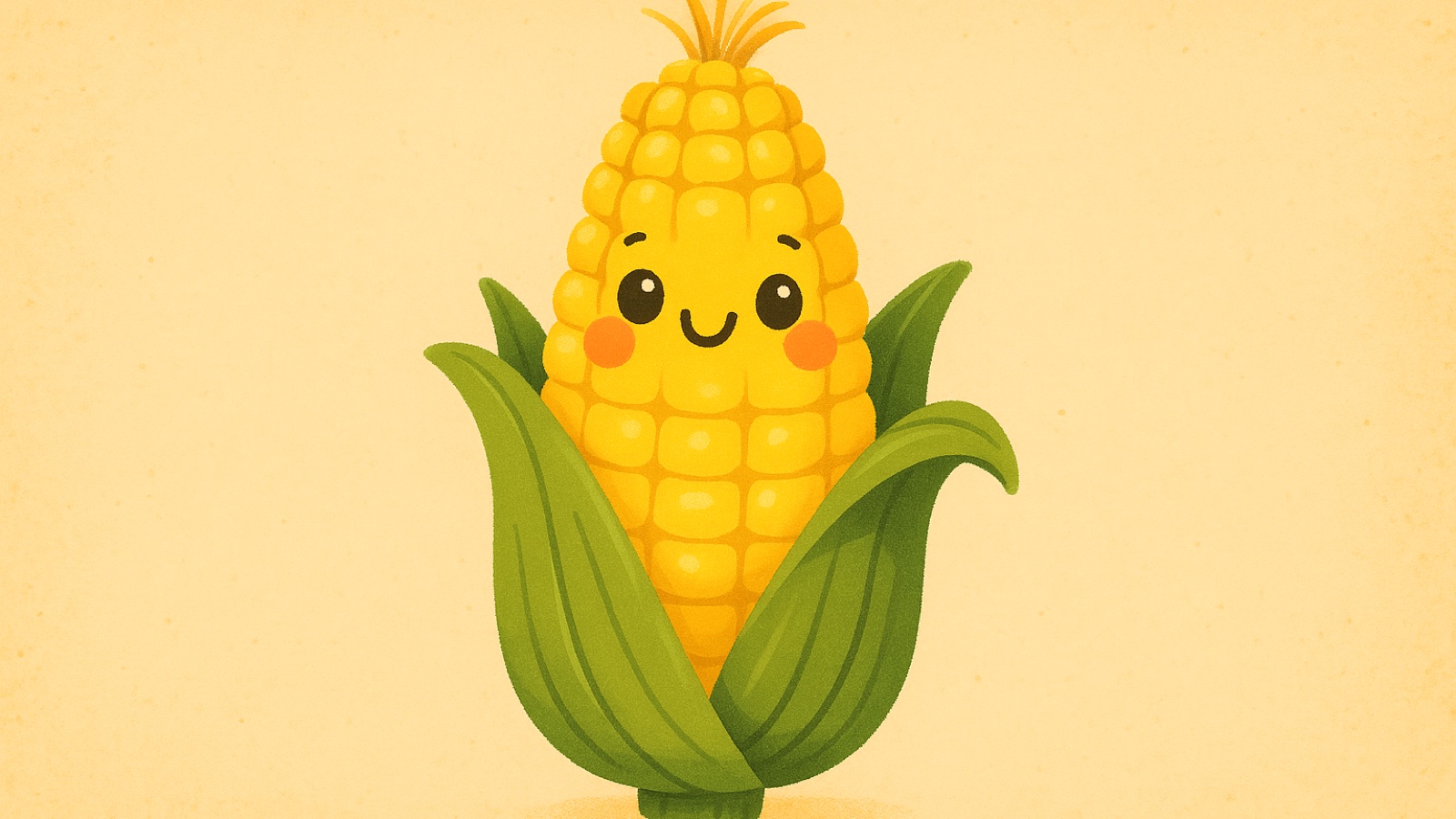
From grilled cobs at cookouts to polenta, tortillas, and chowders, corn shows up in far more meals than you might notice. Beyond its sweet bite and versatility, whole‑kernel corn brings fiber, carotenoids (notably lutein and zeaxanthin), and helpful phytochemicals that support eye and overall health.
Nutrition & Science‑Backed Health Benefits of Corn
At a glance (per 1 cup cooked sweet yellow corn kernels, ~166 g): ~177 kcal, ~4.6 g fiber, ~5.4 g protein, potassium ~416 mg, vitamin C ~17% DV, lutein + zeaxanthin ~2.2 mg (varies by variety). Source: USDA FoodData Central via MyFoodData.
What the science shows (with careful scope):
- Eye health (lutein + zeaxanthin). These carotenoids accumulate in the macula and help filter blue light/neutralize reactive oxygen species. Higher dietary intake is associated with better macular pigment and reduced risk of age‑related macular degeneration in observational/clinical studies.
- Whole‑grain benefits (when corn is consumed as a whole grain). Meta‑analysis of prospective cohorts shows higher whole‑grain intake is linked to lower risk of coronary heart disease and cardiovascular mortality. Corn counts when eaten as intact/whole‑grain foods (e.g., popcorn, whole‑grain cornmeal, whole‑kernel corn).
- Phenolic antioxidants (ferulic acid). Corn and other cereals are rich in bound ferulic acid, which exhibits antioxidant, anti‑inflammatory, and vasoprotective mechanisms in experimental models; bioavailability improves with processing and gut microbiota action.
- Gut health & prebiotic fibers (corn bran/arabinoxylans). Cereal arabinoxylans and related oligosaccharides selectively stimulate beneficial bacteria and short‑chain fatty acid production—mechanisms supported in trials using cereal fibers; maize is a major source.
Takeaway: Sweet corn and whole‑grain corn foods provide fiber and carotenoids, with strongest human evidence around eye health (lutein/zeaxanthin) and general whole‑grain benefits when corn is consumed as a whole grain. Avoid over‑generalizing findings from isolated starches/extracts to everyday sweet corn.
How to Choose & Store Corn
Choose:
- Husk: Bright green, snug to the ear; slightly damp, not dry.
- Silk: Moist and golden‑brown/tan (sticky is good), not black or desiccated.
- Kernels: If permitted, peel back slightly near the tip, look for plump, closely spaced kernels.
- Feel: Heavy for size (indicates juiciness and freshness).
Store:
- Speed matters: Corn sugars begin converting to starch after harvest; refrigerate ASAP to slow this process.
- How: Keep unshucked ears in the refrigerator in a breathable bag; use within 2–3 days for best sweetness.
Freeze for later: Blanch 4–7 minutes (depending on ear size), cool, cut kernels, tray‑freeze, then bag, maintains quality for months.
How Corn Is Enjoyed Around the World
- Grill in the husk for steaming + smoky flavor; finish husk‑off for char.
- Microwave 3–4 minutes/ear in husk for fast, juicy kernels; cut base and slip husk/silk off cleanly.
- Boil briefly (3–5 min) in salted water; don't overcook.
- Sauté kernels with garlic + chili in a hot skillet for quick sides/taco fillings.
- Sheet‑pan roast kernels with peppers and onions for salads or burrito bowls.
- Blend into soups (corn–zucchini, corn–tomato) for natural sweetness and body.
- Make succotash with lima beans/edamame for a fiber‑protein combo.
- Toss into whole‑grain salads (farro, quinoa) with herbs and citrus.
- Use cobs for stock, simmer stripped cobs for a sweet, silky base.
- Try nixtamalized products (masa harina) for homemade tortillas/arepas, adds calcium and improves amino acid availability.
- Pair with lutein buddies, serve with avocado or olive oil; a little fat aids carotenoid absorption.
- Cool, then serve corn salads to increase resistant starch fraction modestly (benefits gut microbes).
Final Thoughts
Corn is more than a summertime side, it's a versatile vehicle for fiber, carotenoids, and cereal‑grain phytonutrients. Keep it fresh (cold and quick), enjoy it whole (kernels/popcorn/whole‑grain cornmeal), and pair it with healthy fats and legumes to round out the plate.
References
- USDA FoodData Central (via MyFoodData). Corn, sweet, yellow, cooked — nutrition profile (per 1 cup, kernels). https://tools.myfooddata.com/nutrition-facts/170389/wt1.
- Mrowicka, Małgorzata, et al. "Lutein and zeaxanthin and their roles in age-related macular degeneration – neurodegenerative disease." Nutrients 14.4 (2022): 827.
- Srinivasan, Marimuthu, Adluri R. Sudheer, and Venugopal P. Menon. "Ferulic acid: therapeutic potential through its antioxidant property." Journal of clinical biochemistry and nutrition 40.2 (2007): 92-100.
Note: The information provided should not replace professional medical advice.