Peas: A Nutrient-Packed Green Vegetable with Big Health Benefits
8g protein and 9g fiber per cup — how peas support blood sugar, gut health, and heart health, with a global tour of pea dishes and 11 prep tips.
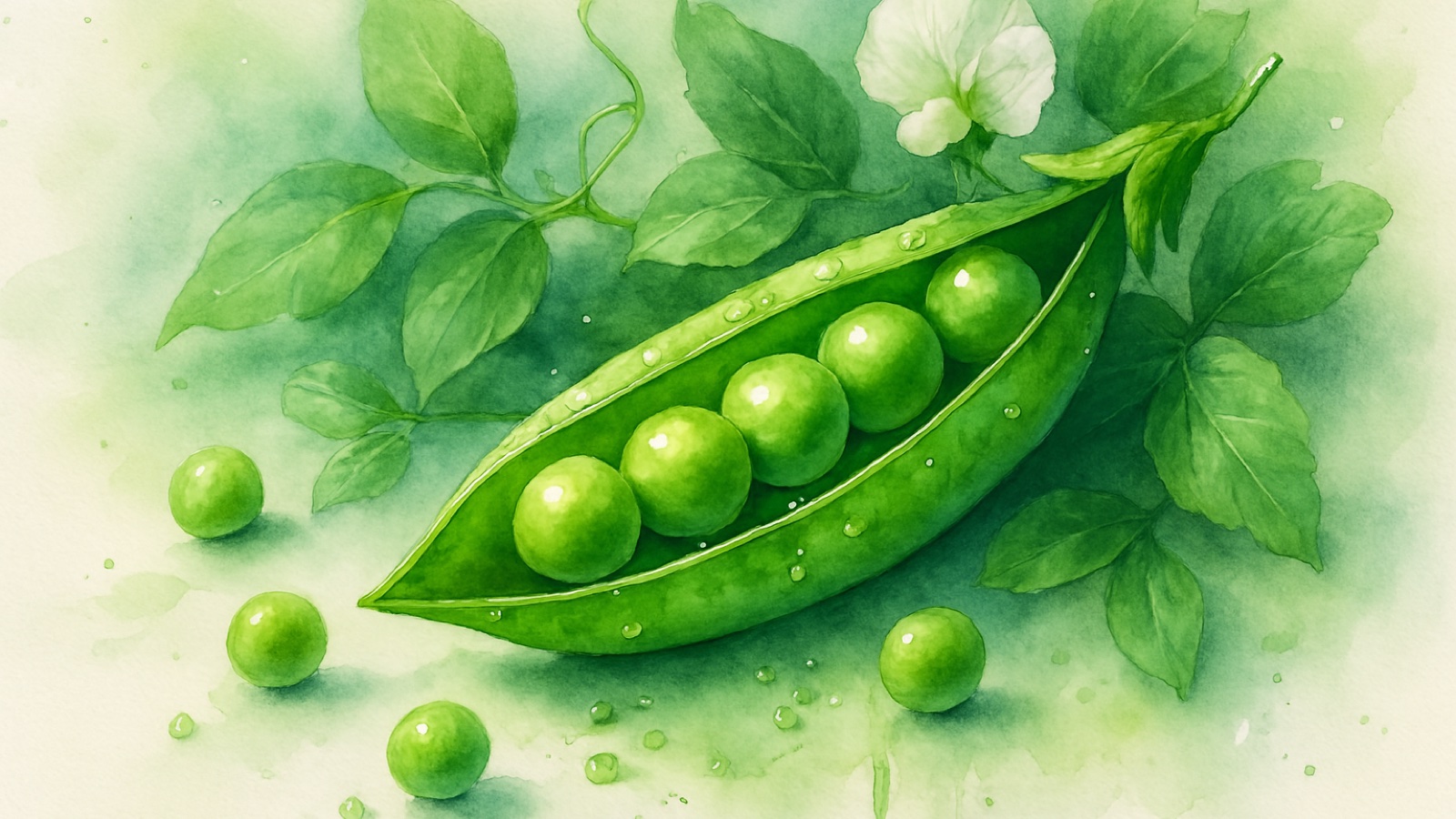
How often do you see peas on your plate and brush them off as just a filler? Whether tossed in fried rice, tucked into a pot pie, mixed into pasta, or simply served as a side dish, peas are everywhere, and yet often overlooked. But these humble little spheres are much more than a pop of green. They're loaded with nutrients and deliver significant health benefits that deserve your full attention.

Nutritional Facts & Health Benefits of Peas
Peas are a rich source of plant-based protein, fiber, and a surprising range of vitamins and minerals, all while being low in calories and fat. Here's what 1 cup (about 160g) of cooked green peas typically provides:
- Protein: 8g
- Fiber: 9g
- Vitamin K: 48% of Daily Value (DV)
- Vitamin C: 97% DV
- Manganese: 22% DV
- Folate: 24% DV
In addition to their basic nutritional makeup, here are some scientifically studied health benefits of peas:
- Blood Sugar Control in Diabetics
- A study in Nutrients (2017) with 14 adults diagnosed with type 2 diabetes found that consuming plant-based proteins led to lower postprandial blood glucose when added to a high-glycemic meal.
- Gut Microbiome Improvement
- A 2024 meta-analysis (comprehensive review) published in Critical Reviews in Food Science and Nutrition showed that legume-rich diets, especially with green peas, promoted beneficial gut bacteria and reduced gut inflammation.
- Weight Management & Satiety
- A randomized controlled trial in year 2017 found that including green peas in meals significantly increased satiety and reduced overall calorie intake in overweight adults. [https://pubmed.ncbi.nlm.nih.gov/24316316/]
- Heart Health in Older Adults
- A cohort study in Circulation (2010) associated higher intake of legumes, including peas, with lower incidence of cardiovascular disease in adults aged 60+. [https://academic.oup.com/ajcn/article/91/2/329/4597153]
These findings emphasize how peas benefit people of all ages and health backgrounds—from children to seniors, and from healthy individuals to those managing conditions.
How to Choose the Best Peas
Whether buying fresh, frozen, or dried, here's how to get the most out of your peas:
- Fresh peas: Look for bright green pods that are firm and plump. Avoid yellowing or shriveled pods.
- Frozen peas: Choose brands with minimal added ingredients—just peas and maybe a bit of salt.
- Dried split peas: Should be dry, whole, and free of cracks or signs of moisture.
At farmers markets: Ask if the peas were picked that morning and check for sweetness by tasting a pod if permitted.
How Peas Are Cooked Around the World
Peas may seem like a simple vegetable, but they're celebrated in kitchens across the globe in unique and flavorful ways:
- India: Peas are a key ingredient in dishes like matar paneer (peas with Indian cheese) and aloo matar (peas and potatoes), often spiced with cumin, turmeric, and garam masala.
- China: In Chinese stir-fries, peas—especially snow peas and sugar snap peas—add a crisp bite and fresh color.
- France: French cuisine includes dishes like "petits pois à la française," where peas are braised with butter, lettuce, and sometimes a touch of sugar for a delicately sweet flavor.
- Italy: Italian risi e bisi is a comforting springtime risotto made with green peas and Parmesan cheese.
- Jamaica: Gungo peas (pigeon peas) are used in the classic rice and peas dish, often served with jerk chicken.
- United States: Peas appear in classic comfort food like chicken pot pie and are mixed into pasta salads, casseroles, and shepherd's pie.
This global versatility shows just how adaptable and beloved peas are—whether they're the star of the plate or a complementary touch.
10+ Ways to Prep and Cook Peas Like a Pro
Ready to take peas from background filler to star ingredient? Here are creative, nutritious ways to use them:
- Blanch and toss into salads for a crunchy, sweet boost.
- Mash peas with lemon and garlic for a plant-based dip or sandwich spread.
- Add to stir-fries during the final few minutes for vibrant color and crunch.
- Puree peas with mint and olive oil for a refreshing summer soup.
- Roast with spices like paprika or cumin for a crunchy snack.
- Sauté with onions and carrots for a fiber-packed side dish.
- Fold into risottos or pilafs to add protein and texture.
- Blend into smoothies—yes, smoothies!—for extra plant protein.
- Add to veggie patties or meatballs for color, fiber, and moisture.
- Top toast with smashed peas, ricotta, and chili flakes.
Toss into pasta or grain bowls with herbs and lemon zest.
Final Thoughts: A Little Green with a Big Impact
Peas are the quiet achievers of the plant-based world. They blend into almost any dish, offer serious nutritional value, and support wellness at every age. Whether you're managing your blood sugar, boosting your fiber intake, or simply looking to eat more greens, peas can help deliciously.
So next time they show up on your plate, don't brush them aside. Celebrate them. Your body will thank you.
References
Gut Microbiome Improvement:
- Özdemir, Aslıhan, and Zehra Buyuktuncer. "Dietary legumes and gut microbiome: a comprehensive review." Critical Reviews in Food Science and Nutrition (2024): 1-15. https://pubmed.ncbi.nlm.nih.gov/39607793/
Weight Management & Satiety:
- Johnston, Alie. "Acute effects of food products containing pulse flours or fractions, on glycemic response, insulin, appetite, and food intake in healthy young adults." (2017). https://pubmed.ncbi.nlm.nih.gov/33347383/
Heart Health in Older Adults:
- Bernstein, Adam M., et al. "Major dietary protein sources and risk of coronary heart disease in women." Circulation 122.9 (2010): 876-883. https://pubmed.ncbi.nlm.nih.gov/20713902/
Note: The information provided should not replace professional medical advice.