Scallions: The Unsung Hero in Everyday Meals
From Vitamin K and antioxidants to storage hacks and 10+ pro cutting tips — a complete guide to getting the most out of every part of a scallion.
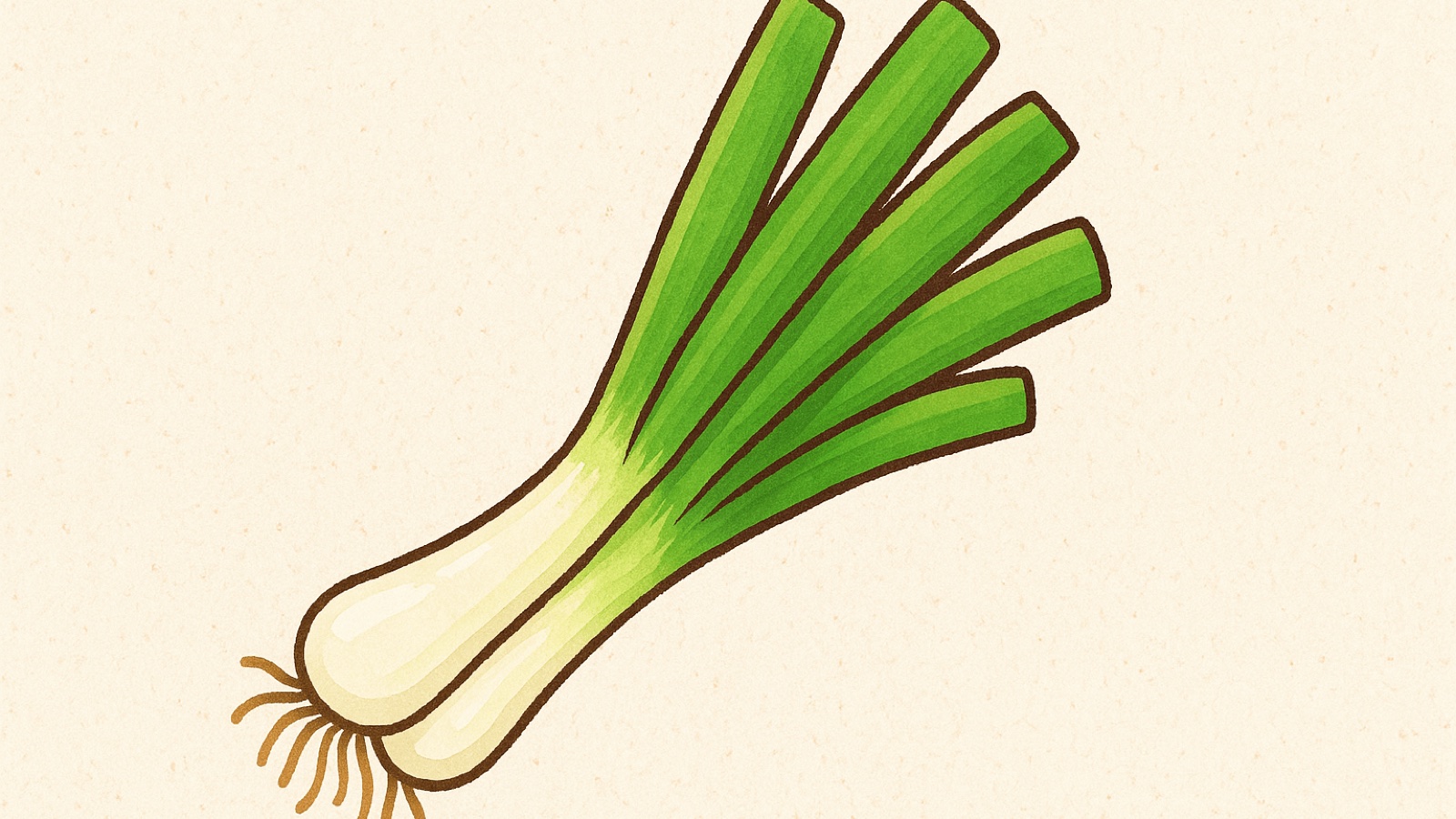
Have you ever noticed how often scallions — also known as green onions or spring onions — sneak their way onto your plate? From noodle bowls and soups to eggs, dumplings, and tacos, they're everywhere, quietly elevating flavor. But here's something you may not realize: scallions aren't just a garnish. They're a nutritional powerhouse with benefits that support your body in surprisingly big ways.
Nutritional Facts & Health Benefits of Scallions
Scallions are low in calories but high in nutrients and offer several science-supported health perks:
- Vitamin K — Vital for bone strength and blood clotting (NIH)
- Vitamin C — Supports immune health and skin repair (NIH)
- Antioxidants (flavonoids & sulfur compounds) — Help reduce inflammation and oxidative stress (PubMed)
- Fiber — Supports digestion and blood sugar balance
Nutrition by Parts: What Each Section of a Scallion Offers
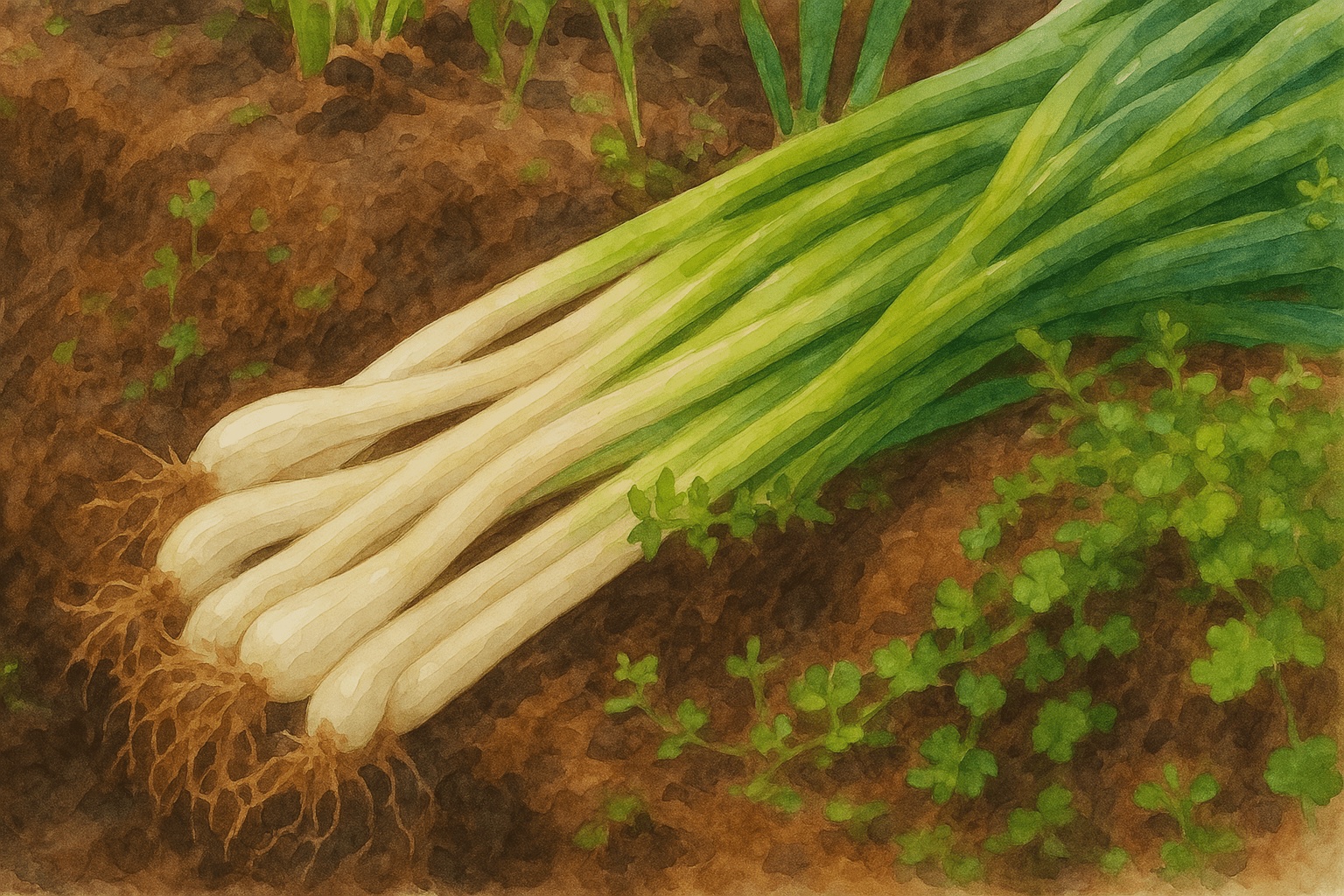
Not all parts of a scallion are the same — and that's a good thing. Each section provides different nutrients and plays its own role in boosting your meals:
- Green tops — Rich in chlorophyll and antioxidants, these support immune defense and reduce oxidative stress. They're ideal for raw use like garnishing salads or soups where their nutrients remain intact.
- White stalks — Contain more fiber and sulfur compounds like allicin, which may help lower blood pressure and support metabolic health. These are best for sautéing and cooking, where their deeper flavor shines.
- Root end (if kept) — Often discarded, but can be used to regrow scallions or add depth to homemade vegetable stock. Contains trace minerals and prebiotic fiber that support gut health.
By using the full length of a scallion, you're not only maximizing its flavor and health benefits — you're also cutting down on food waste.

How Scallions Enhance Everyday Dishes
Once you understand the value packed into each part of a scallion, it's easy to see how they enrich the dishes we love:
- Soups & Stews — Add Vitamin C and sulfur compounds that support immunity and reduce inflammation.
- Egg Dishes — Pair with eggs to balance cholesterol with fiber and antioxidants.
- Grain Bowls & Stir-fries — Add flavor and fiber without added calories.
- Salads & Wraps — Offer a zesty bite and enhance the absorption of fat-soluble vitamins when paired with healthy fats.
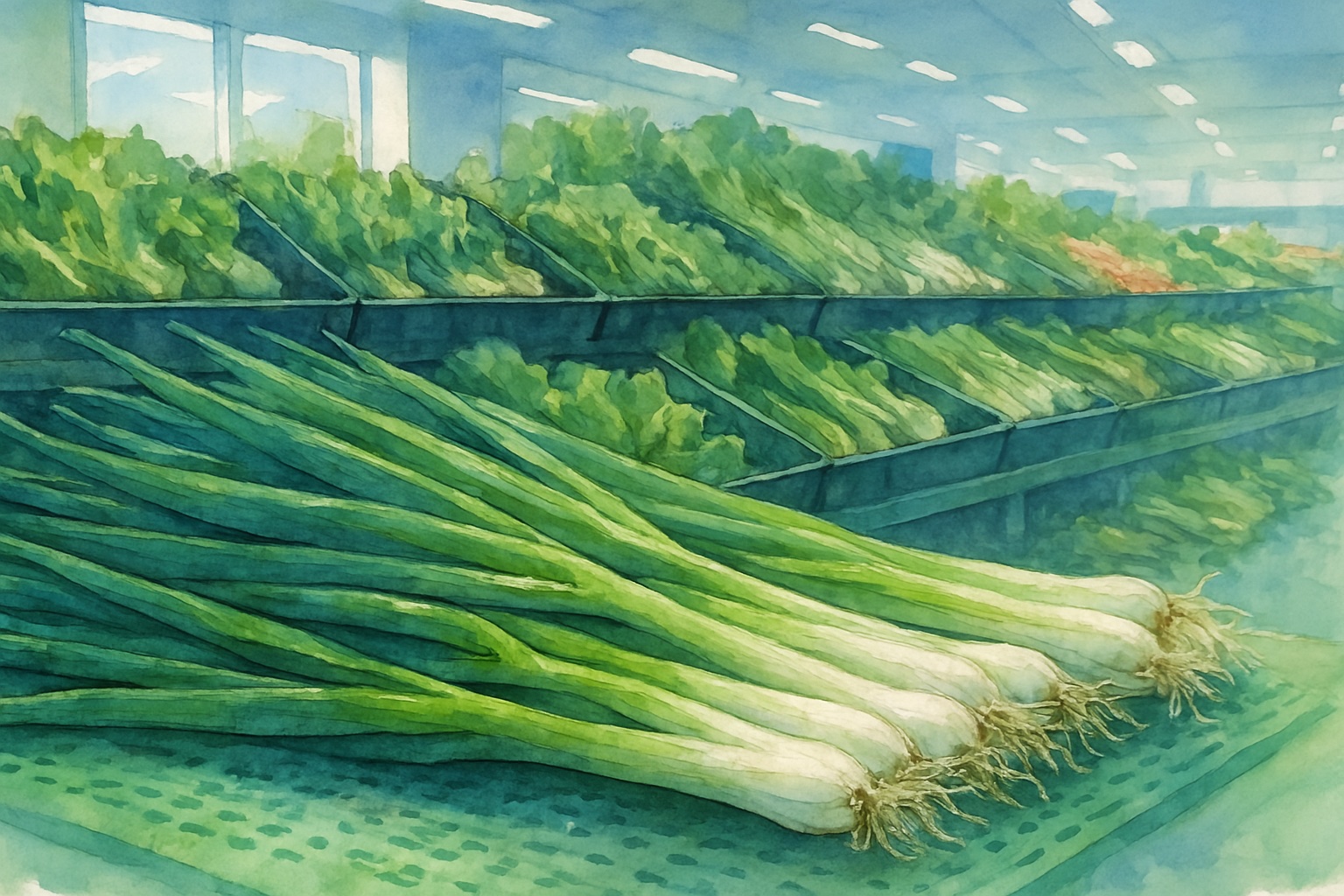
How to Pick the Best Scallions
Buying scallions doesn't have to be tricky. Here's what to look for:
- Firm, crisp stalks — Avoid limp or slimy leaves.
- Vibrant green tops — The brighter the green, the fresher the scallion.
- White bulbs — Should be clean, unbruised, and not dried out.
At farmers markets, choose bunches with roots intact — they last longer and are fresher.
How to Keep Scallions Fresh After Purchase
Want your scallions to last longer and stay crisp? Try these smart storage methods:
- Refrigerator method — Wrap scallions in a damp paper towel and place them in a reusable produce bag or container. Store in the crisper drawer.
- Jar & water method — Place scallions upright in a jar with 1–2 inches of water, cover loosely with a plastic bag, and store in the fridge. Change the water every 2–3 days.
- Freeze for long-term use — Chop scallions and freeze them in a zip-top bag or ice cube tray with olive oil. Perfect for soups, stews, and stir-fries later on.
These simple tricks extend shelf life and reduce food waste while keeping your scallions fresh and flavorful.
10+ Tips to Cut & Use Scallions Like a Pro
Once you've picked and stored them properly, it's time to put those scallions to work:
- Slice thinly on a bias for an elegant garnish.
- Cut into 2-inch sticks for stir-fries.
- Mince whites finely and sauté with garlic for savory sauces.
- Use whole scallions grilled with olive oil for smoky sides.
- Add chopped scallions to scrambled eggs or omelets.
- Mix into tuna or chicken salad for extra crunch.
- Stir into miso or chicken soup at the end of cooking for freshness.
- Bake into savory muffins or breads.
- Combine with ginger and soy for dipping sauces.
- Top off tacos, dumplings, or roasted veggies for a fresh finish.
- Freeze chopped scallions in an ice cube tray with olive oil for ready-to-go cooking boosts.
Small But Mighty
Scallions may be subtle, but their impact on both flavor and health is powerful. With antioxidant properties, immune-boosting nutrients, and endless kitchen uses, these slender greens are a staple worth celebrating.
Next time you grab a bunch, remember — you're holding more than a garnish. You're holding a little boost for your body, one delicious bite at a time.

References: NIH — Vitamin K Fact Sheet; NIH — Vitamin C Fact Sheet; PubMed — Anti-inflammatory, antioxidant, and immunomodulatory effects of Allium cepa and its main constituents
Note: The information provided should not replace professional medical advice.