Watermelon: The Hydrating Hero of Summer
92% water, lycopene, and citrulline — why watermelon is more than a sweet snack and how it supports heart health, hydration, and metabolic wellness.
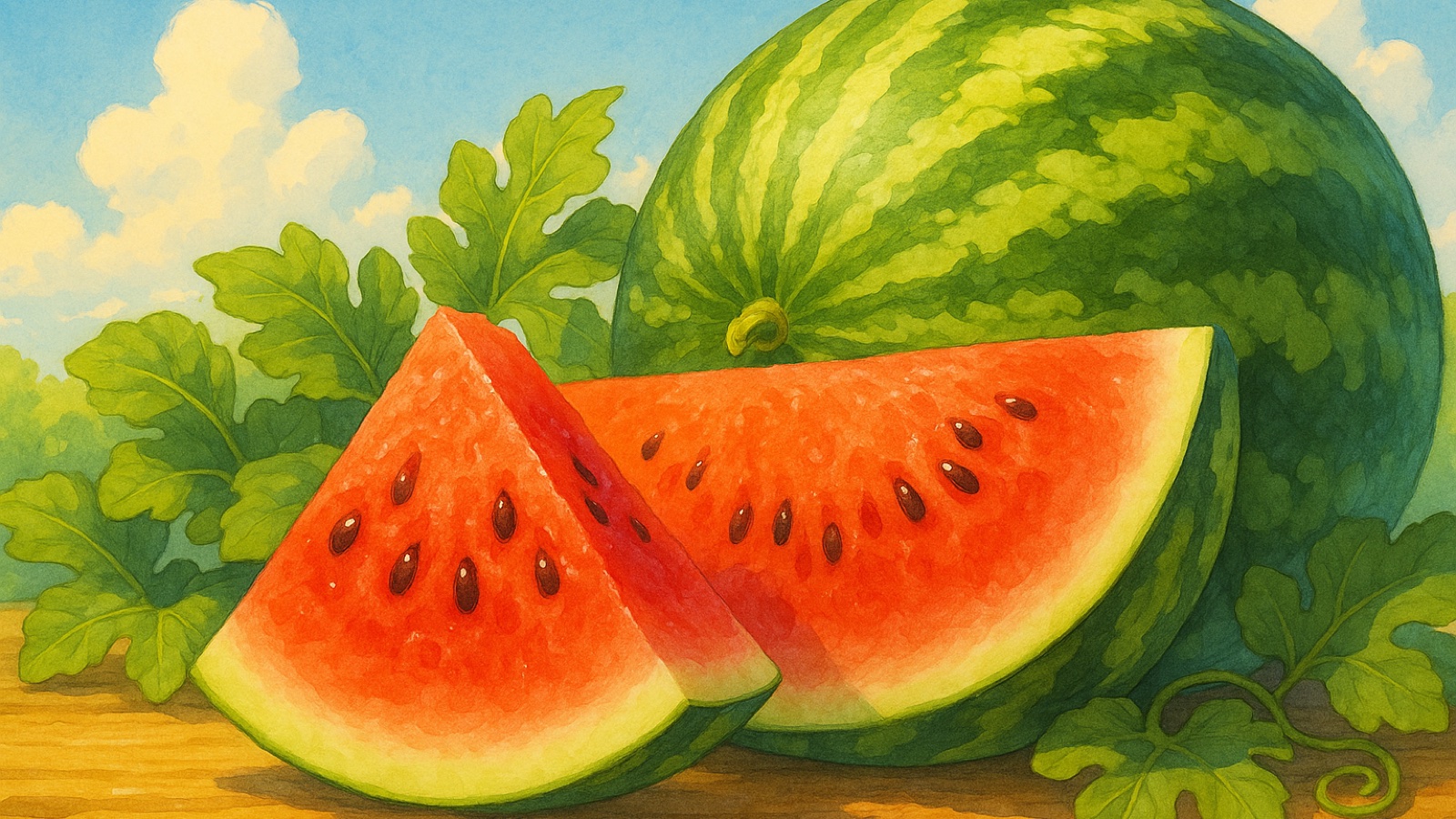
Few fruits scream summer like a juicy wedge of watermelon. It's a staple at picnics, poolside parties, and cookouts. But, watermelon is more than just a sweet, refreshing snack. Behind that vibrant red flesh lies a surprising nutritional profile packed with hydration, antioxidants, and heart-supportive compounds. Let's take a closer look at why watermelon deserves a spot in your health-conscious kitchen.
Nutrition & Science-Backed Health Benefits of Watermelon
Watermelon is over 90% water, making it excellent for hydration, but it also supplies vital nutrients with very few calories. Here's what one cup (154g) of diced watermelon provides:
- Calories: 46 kcal
- Water: ~92%
- Vitamin C: 21% DV
- Vitamin A (from beta-carotene): 17% DV
- Potassium: 5% DV
- Magnesium: 4% DV
- Citrulline: An amino acid with cardiovascular benefits
- Lycopene: A powerful antioxidant, especially in red-fleshed varieties
Scientific Studies & Meta-Analyses
- Hydration & Electrolyte Support
- A 2020 study performed randomized studies to testify the effect of watermelon juice in reducing post-exercise muscle soreness and heart rate, thanks to its citrulline content, and presented the potential of watermelon juice as a strong support for post-exercise.
- Blood Pressure & Heart Health
- A clinical trial in American Journal of Hypertension (2012) showed that watermelon extract supplementation improved arterial function and lowered blood pressure in middle-aged adults with prehypertension.
- Anti-Inflammatory & Antioxidant Effects
- A study highlighted how lycopene and vitamin C in watermelon contribute to reducing oxidative stress and inflammation markers in healthy and at-risk populations.
- Metabolic Health & Obesity Prevention
- A randomized controlled trial published in 2019 found that replacing snacks with watermelon led to lower body weight, BMI, and blood pressure in overweight adults.
- Skin Health & UV Protection
- Lycopene from watermelon has been shown to help protect skin against UV damage, as noted in a 2014 research study.
How to Choose the Best Watermelon
- Look for a yellow spot: A creamy yellow field spot shows it ripened on the vine.
- Check for uniform shape: Round or oval is fine—just avoid irregular lumps.
- Knock test: A hollow sound usually indicates ripeness.
- Feel the weight: It should feel heavy for its size (more water = juicier).
- Check the tail: A dry tail can indicate ripeness; a green tail may mean it was picked too early.
Farmers market tip: Ask for a sugar baby variety if you want a sweeter, denser melon.
How Watermelon Is Enjoyed Around the World
- Mexico: Watermelon is blended into aguas frescas, a popular refreshing drink.
- Japan: Square-shaped watermelons are famous gifts; salt is sprinkled on slices to enhance sweetness.
- Turkey: Eaten fresh after meals, often alongside cheese.
- USA: Classic BBQ side, or served as grilled watermelon steaks.
- China: A symbol of good luck, often served at family gatherings.
10+ Tips to Cut, Prep & Use Watermelon Like a Pro
- Cube and chill: Perfect for snacks or fruit salads.
- Blend into smoothies: Add mint or lime for a fresh twist.
- Make popsicles: Puree, pour into molds, and freeze.
- Toss into grain bowls: Try with quinoa, feta, and arugula.
- Juice it: Add cucumber for a hydrating detox drink.
- Grill slices: Brush with olive oil and grill briefly.
- Mix into salsas: Combine with jalapeño, red onion, and cilantro.
- Create watermelon pizza: Top a round slice with yogurt, berries, and seeds.
- Freeze cubes: Use instead of ice in summer drinks.
- Pickle the rind: Don't waste it! Watermelon rind can be tangy and tasty!
- Make gazpacho: Blend with tomato, basil, and bell pepper.
Final Thoughts: More Than Just a Sweet Bite
Watermelon isn't just a refreshing treat, it's a hydration powerhouse loaded with antioxidants that support your heart, skin, and metabolic health. Whether you're active, managing blood pressure, or just trying to eat more fruits, watermelon is a sweet and simple way to nourish your body from the inside out.
References
- Blohm, Kara, et al. "Effect of acute watermelon juice supplementation on post-submaximal exercise heart rate recovery, blood lactate, blood pressure, blood glucose and muscle soreness in healthy non-athletic men and women." International journal of food sciences and nutrition 71.4 (2020): 482-489.
- Figueroa, Arturo, et al. "Watermelon extract supplementation reduces ankle blood pressure and carotid augmentation index in obese adults with prehypertension or hypertension." American journal of hypertension 25.6 (2012): 640-643. https://academic.oup.com/ajh/article-abstract/25/6/640/160387?redirectedFrom=PDF
- Maoto, Makaepea M., Daniso Beswa, and Afam IO Jideani. "Watermelon as a potential fruit snack." International Journal of food properties 22.1 (2019): 355-370.
- Nadeem, Muhammad, et al. "A comprehensive review on the watermelon phytochemical profile and their bioactive and therapeutic effects." Food Science and Preservation 29.4 (2022): 546-576.
- Naz, Ambreen, et al. "Watermelon lycopene and allied health claims." EXCLI journal 13 (2014): 650.
Note: The information provided should not replace professional medical advice.