Sizzle Smart: A Friendly Guide to Choosing and Using Bacon Wisely
Thick-cut, center-cut, uncured, turkey — here's how to decode the bacon shelf and pick the right variety for your kitchen.
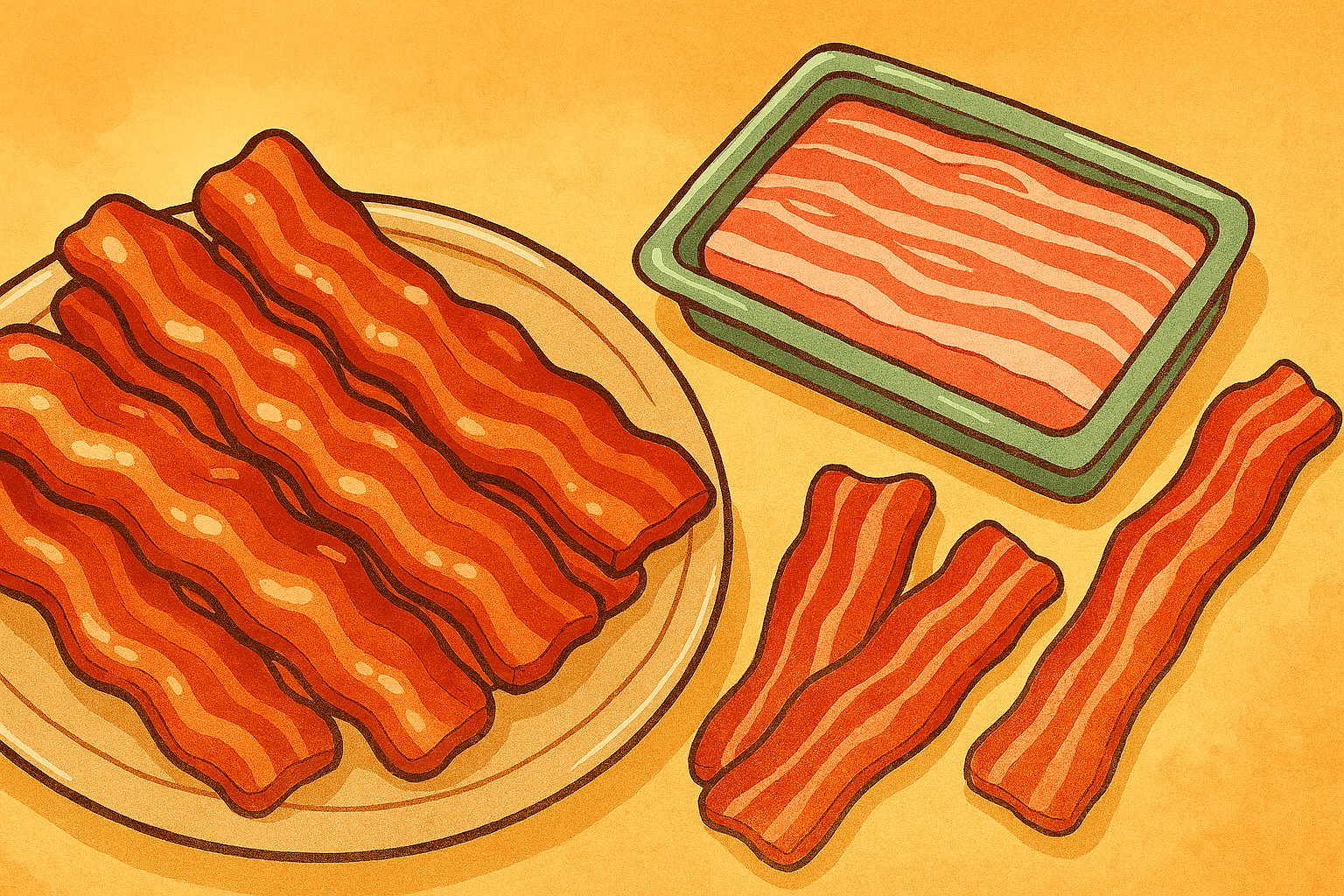
You stroll down the refrigerated aisle at your local grocery store and find an entire shelf dedicated to bacon. Thick-cut, center-cut, smoked, uncured, turkey, nitrate-free, peppered. Each package promises something delicious, yet slightly different. If you've ever felt confused or overwhelmed, you're not alone.
This guide will help you confidently decode the bacon shelf, understand what makes each type unique, and how to choose the right kind for your recipes and lifestyle. Let's dive into the world of sizzling strips with a clear, science-backed lens.
Bacon Basics: Understanding What You're Buying
Bacon is typically made from pork belly that has been cured (with salt, sugar, and/or nitrates), sometimes smoked, and sliced. Variations depend on cut, flavoring, curing method, and source.
Common Types of Bacon:
- Regular (Side) Bacon: Standard U.S. bacon from pork belly, fatty and flavorful.
- Center-Cut Bacon: Leaner, with less fat and more meat per slice.
- Thick-Cut Bacon: Sliced thicker for extra chew and more bite. Great for baking.
- Uncured Bacon: Cured using natural sources of nitrites (like celery juice) instead of synthetic ones. Still technically cured, despite the label.
- Smoked Bacon: Infused with flavors like applewood, hickory, or maple.
- Peppered Bacon: Coated in cracked black pepper for extra spice.
- Turkey or Plant-Based Bacon: Leaner or meat-free options with lower saturated fat.
How to Cook Different Types of Bacon (And Why It Matters)
- Regular or Center-Cut Bacon: Best pan-fried or oven-baked for crispiness. Center-cut works well in sandwiches due to less grease.
- Thick-Cut Bacon: Perfect for the oven; its thicker slices stay chewy and don't curl easily.
- Smoked or Flavored Bacon: Great for wrapping vegetables or adding to soups and stews where the smoke flavor infuses the dish.
- Uncured Bacon: Treat like regular bacon, but refrigerate well and avoid overcooking to preserve flavor.
- Turkey Bacon: Best pan-cooked or air-fried to avoid drying out.
- Vegan/Plant-Based Bacon: Follow specific instructions, often best grilled or crisped in a non-stick pan.
10+ Smart Tips to Choose and Store Bacon
- Check the Ingredients: Look for simple ingredients: pork, water, salt, sugar. Fewer additives = cleaner bacon.
- Inspect Fat-to-Meat Ratio: More meat and less fat gives better texture and cooking results.
- Mind the Sodium: Some brands can exceed 400mg sodium per slice. Watch labels!
- Look for "Center-Cut" or "Lower Sodium" if Health-Conscious.
- Consider Source: Look for pasture-raised, hormone-free, or certified humane labels.
- Smell the Package (if transparent film): Bacon should not have a sour or overly smoky odor.
- Don't Be Fooled by "Uncured": It still contains nitrites, just naturally derived.
- Check the Sell-By Date: Fresher is better, especially for less processed varieties.
- Buy Only What You'll Use: Bacon has a short shelf life once opened.
- Store in the Coldest Part of Your Fridge: Or freeze portions for later.
- Wrap Tightly or Use Airtight Bags After Opening: Bacon absorbs odors easily.
Bacon in American Life: Flavor, Function, and Balance
From breakfast plates to burgers, salads, and even chocolate-dipped treats, bacon plays a versatile role in American cuisine. It adds umami, crunch, and indulgence to everyday dishes. A source of protein and B vitamins, bacon also contains saturated fat and sodium, so portion control is key.
According to the USDA, one average slice of cooked pork bacon has about 42 calories, 3g of fat (1g saturated), and 192mg of sodium. While occasional indulgence is fine, the American Heart Association recommends limiting sodium and saturated fat intake to support heart health.
Wrapping Up the Bacon Shelf
With so many varieties and flavors, bacon is more than just a breakfast side, it's a cooking staple that can enhance dishes in unique ways. By understanding the types, choosing quality products, and cooking with intention, you can enjoy bacon responsibly and deliciously.
So next time you're eyeing the bacon shelf, trust your taste, read the labels, and bring home the perfect pack.
References
- USDA FoodData Central. https://fdc.nal.usda.gov/food-details/749420/nutrients
- Harvard T.H. Chan School of Public Health. "The Nutrition Source: Processed Meats." https://nutritionsource.hsph.harvard.edu/?s=processed+meat
- American Heart Association. "Saturated Fat." https://www.heart.org/en/healthy-living/healthy-eating/eat-smart/fats/saturated-fats
Note: The information provided should not replace professional medical advice.