When Do You Eat? A Guide to Understanding Meal Timing and Why It Matters
Being mindful of when you eat is just as important as what you eat. Here's how meal timing shapes your energy, digestion, and overall wellness.
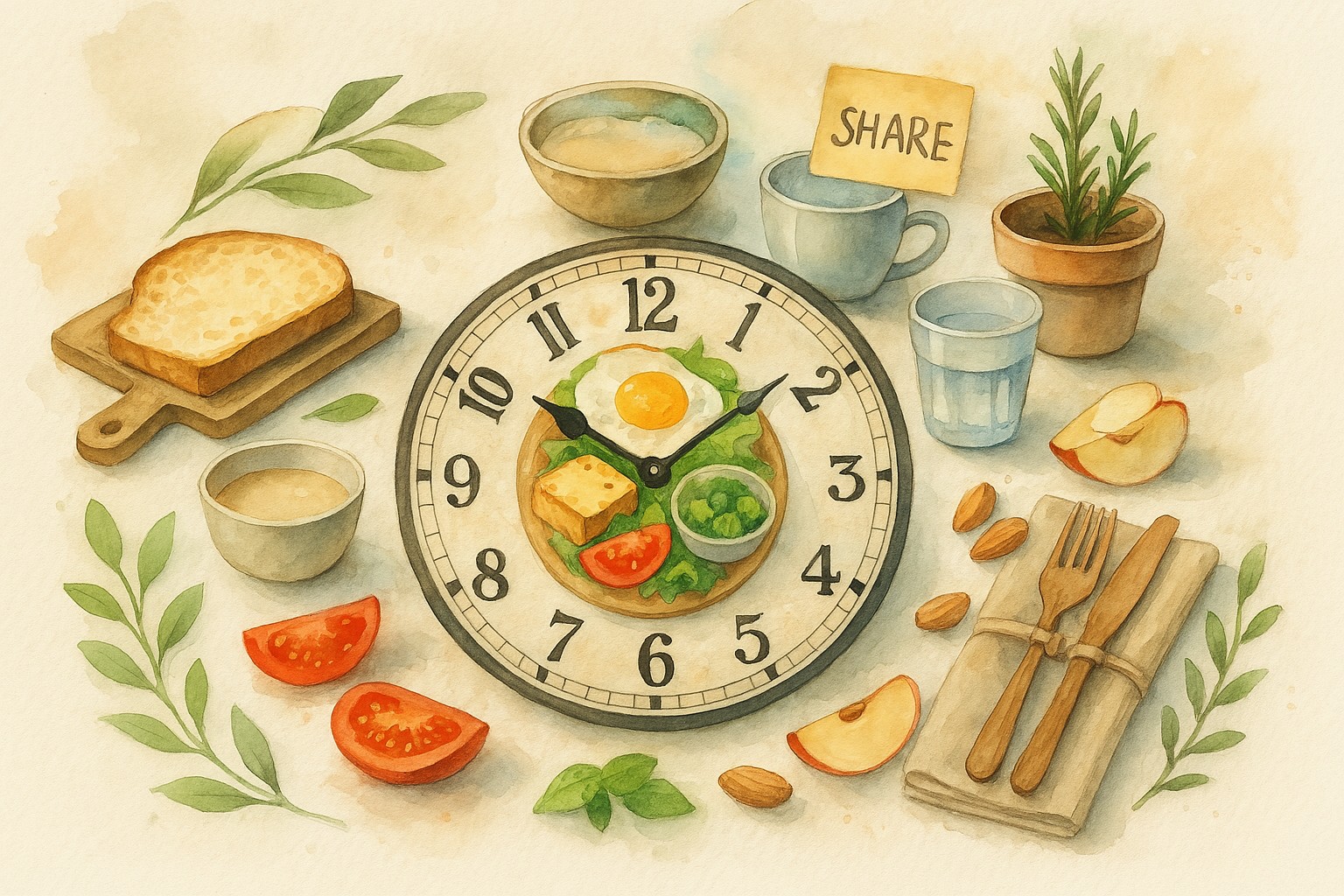
Have you ever stopped to think about when you eat, not just what you eat? Do you set times for breakfast, lunch, and dinner, or do you squeeze in meals whenever your schedule allows? Is your meal timing consistent, or does it change daily?
These questions are more important than they might seem. Let's take a closer look at how different meal timing habits work, why regularity matters, and how you can make smart choices even when life gets busy.
Common Meal Timing Patterns
People follow a variety of eating schedules depending on their culture, lifestyle, and personal preferences. Here are a few popular patterns:
- Traditional Three Meals a Day: Breakfast, lunch, and dinner spaced throughout the day.
- Small Meals Throughout the Day: Eating every 2-3 hours in smaller portions.
- Intermittent Fasting: Limiting eating to a specific time window each day (e.g., 12pm-8pm).
- Shift-Based Eating: Adjusting meal times around work shifts, especially for night shift workers.
Each method has its pros and cons, but what all healthy eating routines have in common is some level of consistency.
Why Meal Timing Regularity Matters
- Supports Digestion: Eating at regular intervals helps your body maintain a natural rhythm, making digestion smoother.
- Helps with Energy Levels: Consistent meal times can help stabilize blood sugar and prevent energy crashes.
- Encourages Balanced Eating: Scheduled meals reduce the urge for mindless snacking or overeating later.
- Supports Overall Wellness: Meal timing is part of a balanced routine that can improve mood, focus, and sleep.
Regular vs. Irregular Meal Timing
| Regular Meal Timing | Irregular Meal Timing |
|---|---|
| Predictable energy and appetite | Unpredictable hunger and fatigue |
| Easier to maintain portion control | Increased risk of overeating or skipping meals |
| Supports stable digestion and metabolism | Can lead to discomfort, low energy, or poor focus |
Managing Meal Timing with a Busy Schedule
Life doesn't always go as planned. Work shifts, long commutes, or caring for others can throw off your eating schedule. Here are a few tips to stay on track, with some nutrition-based reasons to back them up:
- Set Gentle Reminders: Using alarms or calendar alerts to prompt snack or meal breaks can help regulate your body's hunger cues. Studies suggest that regular eating times can positively influence circadian rhythms and metabolic health.
- Meal Prep When You Can: Preparing meals in advance reduces stress and the likelihood of skipping meals. Consistent meal prepping encourages balanced nutrient intake and portion control, both of which support energy and focus.
- Stay Flexible but Consistent: While you don't need to eat at the same exact time every day, maintaining a general routine helps your digestive system and reduces decision fatigue. Eating within a consistent timeframe supports hormone regulation, including insulin and cortisol.
- Hydrate Regularly: It's easy to confuse thirst with hunger. Keeping a water bottle handy helps maintain hydration, which is essential for digestion, mental clarity, and even appetite regulation.
- Keep Emergency Snacks at Work or in Your Bag: A stash of nutritious snacks (like whole grain crackers, nut butter packets, or dried fruit) can help when you're caught in unexpected situations, keeping you from going too long without eating.
- Listen to Your Body: If you miss a meal, don't overcompensate by eating excessively later. Instead, have a balanced mini-meal and return to your normal schedule. Tuning into hunger and fullness cues can help guide more mindful and nourishing choices.
Final Thoughts: Be Mindful of When You Eat
Being mindful of when you eat is just as important as what you eat. While everyone's schedule and needs are different, aiming for regular and balanced meal timing can support better energy, focus, digestion, and overall well-being. Whether you're a traditional three-meals-a-day eater or you prefer a flexible approach, make time for meals and make those moments count!
References
- Harvard T.H. Chan School of Public Health. (n.d.). "Healthy Eating Plate & Guidelines." Retrieved from: https://www.hsph.harvard.edu/nutritionsource/healthy-eating-plate/
- American Heart Association. (2017). "Meal Timing and Frequency: Implications for Cardiovascular Disease Prevention." Retrieved from: https://professional.heart.org/en/science-news/meal-timing-and-frequency-implications-for-cardiovascular-disease-prevention
- Registered Dietitian-approved sources on intermittent fasting and meal timing reviewed by CHN professionals.
Note: The information provided should not replace professional medical advice.