Better with Butter: A Friendly Guide to Choosing and Using Butter Wisely
Salted, unsalted, cultured, European-style, or ghee — here's exactly which butter to reach for and why.
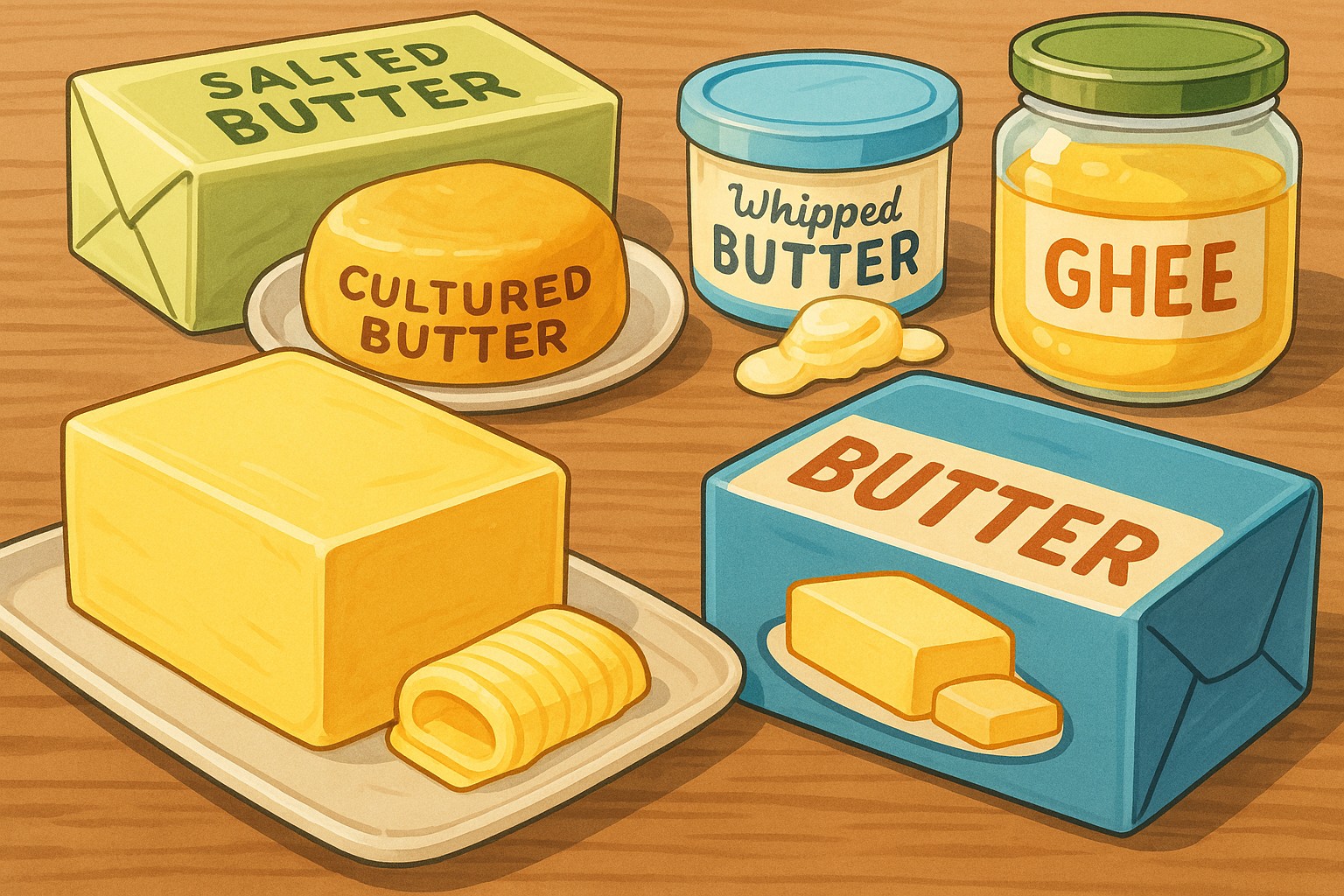
You walk into the grocery store and head to the dairy aisle, only to find a whole shelf dedicated to butter. Salted, unsalted, cultured, whipped, European-style, and plant-based alternatives, all in a wide variety of brands and prices. If you've ever wondered which one is right for your cooking or baking needs, you're not alone.
This guide helps you navigate the butter shelf with confidence, understand the types of butter, and choose the right kind based on usage, flavor, and quality.
Butter Basics: What Is It and What Are the Types?
Butter is a dairy product made by churning cream, separating the fat (butterfat) from the buttermilk. The result is a smooth, rich spread that's versatile in both sweet and savory cooking.
Common types of butter include:
- Salted Butter: Contains added salt for flavor and slightly longer shelf life. Best for table use and cooking.
- Unsalted Butter: No added salt, offering more control over recipe seasoning. Preferred in baking.
- Cultured Butter: Made with fermented cream, giving it a tangy, complex flavor. Great for spreading and gourmet recipes.
- European-Style Butter: Higher butterfat content (82–86%), lower moisture. Ideal for pastry and baking.
- Whipped Butter: Air is whipped in for a light texture. Good for spreading, not ideal for cooking.
- Clarified Butter & Ghee: Milk solids removed, giving higher smoke point. Excellent for sautéing and frying.
- Plant-Based Butter Alternatives: Made from oils like avocado, olive, or coconut. Suitable for vegans and dairy-free diets.
Cooking with the Right Butter: What Works Where?
- Salted Butter: Ideal for sautéing vegetables, finishing cooked pasta, or spreading on toast.
- Unsalted Butter: Best for baking, precise salt control matters in cookies, cakes, and pastries.
- Cultured Butter: Perfect for finishing sauces or spreading on fresh bread to enhance flavor.
- European-Style Butter: Excellent for laminated doughs (croissants, puff pastry) due to its low moisture and rich taste.
- Ghee/Clarified Butter: Great for high-heat cooking, roasting, or frying.
- Whipped Butter: Convenient for pancakes and muffins, not stable for high-heat or baking.
- Plant-Based Butters: Works for spreading and cooking; baking results vary depending on formulation.
How to Pick Quality Butter and Store It: 10+ Pro Tips
- Read the ingredient list: High-quality butter should contain only cream (and salt, if salted).
- Look for fat content: Aim for 80% or higher butterfat, especially for baking.
- Check for freshness: Always note the "best by" date. Fresher butter tastes better.
- Choose unsalted if uncertain: It's more versatile and can be salted as needed.
- Smell if possible: Butter should smell fresh, not sour or waxy.
- Buy in small quantities: Butter can go rancid over time; better to buy fresh.
- Keep it cold: Store in the coldest part of your fridge, not on the fridge door.
- Freeze for long-term storage: Butter freezes well for up to 6–9 months.
- Use butter papers: Keep opened butter wrapped in foil or wax paper to prevent odor absorption.
- Buy cultured or European butter for special occasions: Adds extra richness to sauces and baked goods.
- Check for certifications: Grass-fed or organic options may provide a richer nutrient profile.
Butter in Daily Life: Balance and Benefits
Butter adds depth to everything from breakfast toast to holiday pies. It contains fat-soluble vitamins like A, D, E, and K2, and is a source of healthy saturated fats when eaten in moderation. Research shows moderate butter consumption may not be harmful when part of a balanced diet.
However, too much butter, especially if combined with processed foods, can raise LDL cholesterol and contribute to weight gain. The key is portion awareness: a tablespoon of butter has about 100 calories and 7 grams of saturated fat. Use it wisely to enhance flavor without going overboard.
Wrapping it Up
The butter shelf doesn't have to be intimidating. With a little knowledge, you can choose the perfect stick or spread for every culinary task. Whether you're searing veggies, baking flaky pastries, or simply topping your toast, butter can be a delicious and functional addition to your kitchen when used with care and intention.
Happy cooking, and may your butter always be golden!
References
- Harvard T.H. Chan School of Public Health. (2017). "Butter and Health." https://www.hsph.harvard.edu/nutritionsource/food-features/butter/
- USDA FoodData Central. https://fdc.nal.usda.gov/
Note: The information provided should not replace professional medical advice.