
Smart Canned Fish Shopping: A Fun, Science‑Backed Guide to Safe, Delicious, and Nutritious Choices
Tuna, sardines, salmon, or mackerel — here's how to decode labels, pick the best options, and build a smarter, omega-3-rich pantry.
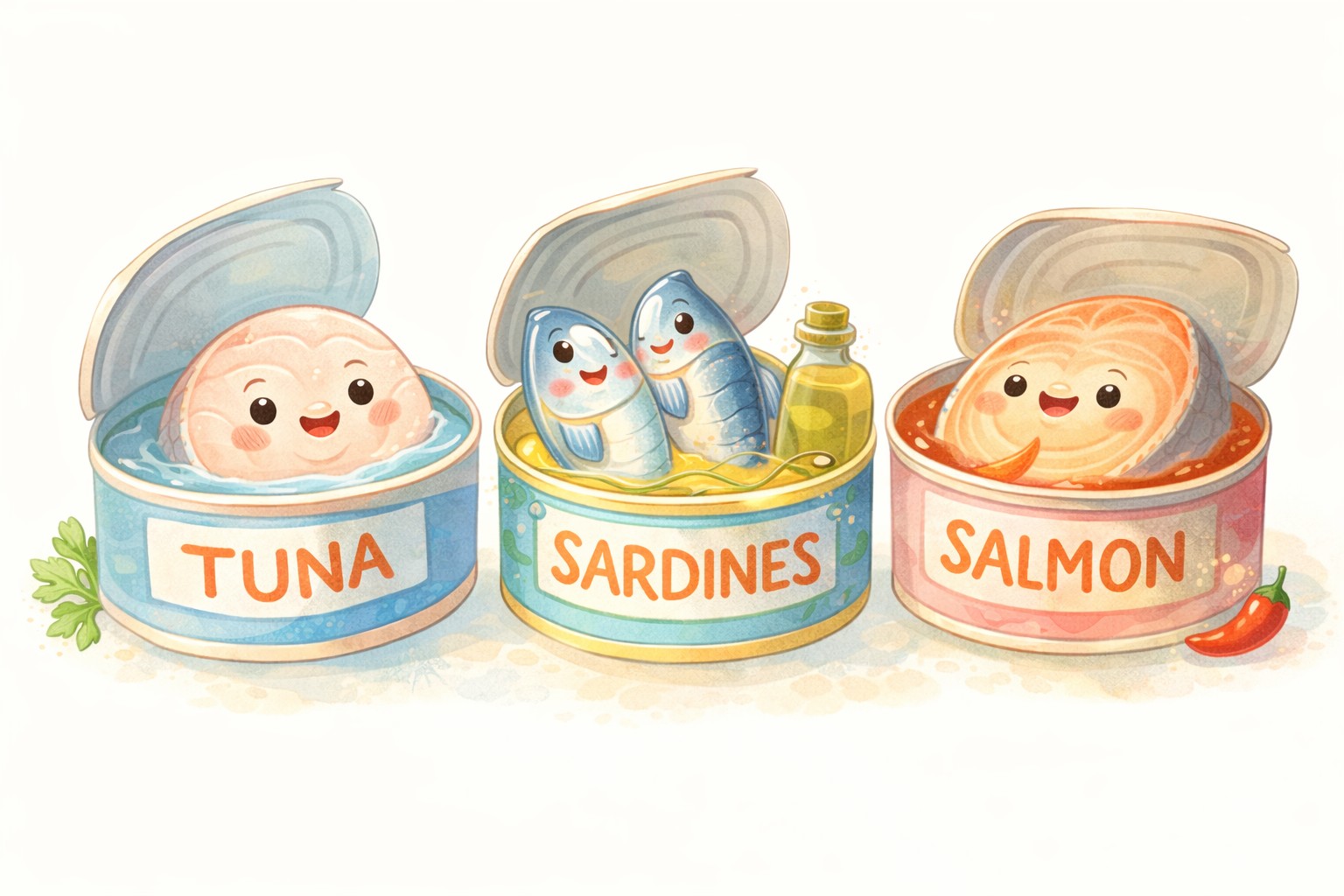
Canned fish is a pantry superhero: shelf‑stable, protein‑rich, brain‑boosting, and travel‑friendly. Yet the aisle can feel overwhelming – tuna vs. sardines vs. salmon; packed in water, olive oil, or spicy sauces; skin and bones or boneless; wild or farmed; low‑sodium or traditional. This guide helps you decode the labels, pick products that fit your taste and nutrition goals, and stock a smarter pantry without sacrificing flavor.
Why Canned Fish Belongs in Your Kitchen
Canned fish delivers high‑quality protein, omega‑3 fatty acids (EPA/DHA), vitamin D, selenium, and – in bone‑in products – readily absorbable calcium. Oily fish (sardines, mackerel, salmon) are especially rich in omega‑3s that support heart, brain, and eye health. Properly canned seafood is also heat‑treated for safety and lasts months to years when stored correctly, making it a budget‑friendly, low‑waste staple.
Two Lanes: Choose by Fish Type and Packing Medium
Common Fish Types (Flavor, Nutrition, and Typical Uses)
- Tuna (Skipjack/"Light" vs. Albacore/"White"): Skipjack typically lower in mercury; albacore has a milder, firmer texture but more mercury on average. Great for salads, melts, and bowls.
- Sardines (Often with Skin & Bones): Small, fatty fish; robust flavor; very high in omega‑3s and calcium (bones). Excellent on toast, salads, pasta.
- Salmon (Pink, Sockeye, Coho; often Wild): Meaty texture; sockeye is richly flavored and deeper red. Bone‑in adds calcium. Perfect for salmon cakes, salads, chowders.
- Mackerel (Atlantic, Chub, Pacific): Oily, flavorful; omega‑3‑dense. Use in rice bowls, sandwiches, or with mustard and pickles.
- Anchovies: Intense umami; typically packed in oil and salt‑cured. Use as a seasoning in dressings, sauces, and pizzas.
- Trout/Herring: Often smoked; delicate to moderately robust. Great for snack plates and eggs.
Packing Mediums (Taste, Nutrition, and Cooking Behavior)
- Water: Leaner; lets fish flavor lead; good when you'll add your own olive oil or sauce later.
- Olive Oil (or Other Oils): Richer mouthfeel; may increase satiety; check for extra‑virgin vs. refined; mind added calories.
- Sauces (Tomato, Mustard, Chili): Convenient flavor; check sodium and added sugars; sauces can mask quality – choose reputable brands.
Core Label & Quality Checks
- Species clarity: Label should name the species (e.g., Katsuwonus pelamis for skipjack). Vague terms ("light tuna") are common but look for details.
- Catch/production info: "Wild‑caught," "pole‑and‑line," region of catch, or FAO area = more transparency.
- Certifications: Look for MSC (wild fisheries) or ASC/BAP (aquaculture) for third‑party sustainability standards.
- Lining & can integrity: Prefer BPA‑free or non‑BPA linings where indicated. Avoid dented, bulging, rusted, or leaking cans.
- Sodium & added ingredients: Compare Nutrition Facts for sodium; scan ingredients for added sugars, flavorings, or unnecessary preservatives.
- Bones/skin: Bone‑in salmon/sardines boost calcium; skin adds micronutrients and flavor. Boneless is milder but less mineral‑dense.
- Drained weight: Check net vs. drained weight to compare value across brands.
- Mercury awareness: Prefer lower‑mercury species (sardines, salmon, anchovies, most mackerel, skipjack tuna) more often; limit albacore frequency.
Real‑life example: Two tuna cans: one "solid white albacore in water," 420 mg sodium/serving, no catch method listed; another "skipjack (light) in olive oil," 200 mg sodium, pole‑and‑line, MSC certified. If you eat tuna frequently, the skipjack option is the safer weekly staple (lower mercury, more transparency).
Variety‑Specific Notes & How to Use
Tuna
- Choose: Skipjack ("light") for routine meals; albacore ("white") as an occasional option.
- Use: Mix with olive oil + lemon + herbs for a Mediterranean salad; make tuna‑bean bowls to boost fiber and cut sodium impact.
Sardines
- Choose: Bone‑in for calcium; in olive oil for richer flavor or water for lighter recipes. Look for simple ingredients.
- Use: Smash with mustard and capers for toast; fold into warm pasta with garlic, lemon, and breadcrumbs.
Salmon
- Choose: Wild pink or sockeye; bone‑in/skin‑on for maximum minerals. Check for "no added color."
- Use: Salmon cakes with oats, herbs, and egg; flake into salads with yogurt‑dill dressing.
Mackerel
- Choose: Atlantic/Pacific species with simple brines; avoid heavily sweetened sauces if watching sugar.
- Use: Serve with pickled onions and whole‑grain crackers; stir into rice with greens and tahini‑lemon.
Anchovies
- Choose: In olive oil; look for firm fillets. Rinse briefly if salt is high.
- Use: Dissolve in hot oil to build umami in tomato sauces or sautéed greens.
Herring/Trout (often smoked)
- Choose: Check sodium; prefer products listing wood smoke vs. "liquid smoke," per preference.
- Use: Flake into eggs, potatoes, or yogurt‑dill spreads.
16 Practical, Science‑Aligned Tips for Shopping & Using Canned Fish
- Match species to frequency. Make lower‑mercury fish (sardines, salmon, anchovies, skipjack) your weekly staples; rotate albacore sparingly.
- Scan sodium. Many canned fish exceed 300 – 400 mg/serving; choose no‑salt‑added or lower‑sodium lines when possible.
- Prioritize transparency. Catch method (e.g., pole‑and‑line, FAD‑free), region, and certifications (MSC/ASC/BAP) indicate stronger sourcing practices.
- Bone‑in = calcium boost. One small can of bone‑in salmon or sardines can deliver significant calcium; mash bones – they're soft.
- Oil pack vs. water pack. Oil‑pack tastes richer and can help absorption of fat‑soluble nutrients; drain excess if watching calories.
- Check can condition. Avoid dents on seams/rims, bulging, or leaks – food safety first.
- Compare drained weights/prices. Better value isn't just the sticker price; check how much fish you actually get.
- Watch additives. Skip brands with unnecessary flavors, phosphates, or sweeteners if you want clean labels.
- Rotate species for nutrients & sustainability. Diversity spreads environmental demand and broadens your micronutrient intake.
- Rinse to reduce sodium. A quick rinse of fish packed in brine can lower surface salt (small but helpful).
- Leverage pantry pairings. Combine with beans, whole grains, olive oil, lemon, herbs, and crunchy veg for complete, heart‑healthy meals.
- Mind allergies. Cross‑contact is possible in mixed facilities – check labels if sensitive.
- Respect shelf life. Store in a cool, dry place; use older cans first (FIFO). After opening, refrigerate leftovers in glass and eat within 2–3 days.
- Travel smart. Foil pouches are lighter and dent‑proof; good for lunches or camping.
- Flavor test before bulk buy. Try a few brands/styles (e.g., sardines in water vs. EVOO) to find your household's favorites.
- Use sauces strategically. Tomato/mustard versions are convenient; if sodium or sugar is high, drain and add fresh sauce at home.
Storage, Safety & Sustainability
- Storage: Keep cans at room temp, dry; avoid heat. Discard damaged or expired cans. Once opened, transfer leftovers to a covered container and refrigerate.
- Safety: Canning is a validated heat process; spoilage signs include bulging cans or spurting contents – do not taste.
- Sustainability: Favor transparent brands; look for MSC (wild), ASC/BAP (farmed), and gear labels like pole‑and‑line or purse seine FAD‑free to support better practices.
Bring It Home: Omega‑3s on Your Shelf
Canned fish makes heart‑smart eating easy. When you match species to your needs (mercury, flavor, calcium), read labels for sodium and sourcing, and stock a few styles you love, weeknight meals and travel snacks get faster, cheaper, and more nourishing. Start with one can of sardines, one of salmon, and one light tuna – taste, compare, and build your go‑to lineup.
Happy shopping, and, enjoy the shelf‑stable seafood upgrade!
References
- U.S. FDA & EPA – Advice about eating fish (mercury, species guidance): https://www.fda.gov/food/consumers/advice-about-eating-fish
- American Heart Association – Fish, omega‑3s, and heart health: https://www.heart.org/en/healthy-living/healthy-eating/eat-smart/fats/fish-and-omega-3-fatty-acids
- USDA FoodData Central – Nutrient profiles for canned fish: https://fdc.nal.usda.gov/
- Marine Stewardship Council (MSC) – Sustainable seafood certification: https://www.msc.org/
- Aquaculture Stewardship Council (ASC) – Farmed seafood standards: https://asc-aqua.org/
- FoodSafety.gov (FoodKeeper App) – Storage guidance for canned foods: https://www.foodsafety.gov/foodkeeper
Note: The information provided should not replace professional medical advice.