Cracking the Truth: Your Guide to Egg Varieties, Safety, and Smart Choices
Brown, white, free-range, organic, pasture-raised — here's what egg labels actually mean and how to choose the freshest, safest eggs.
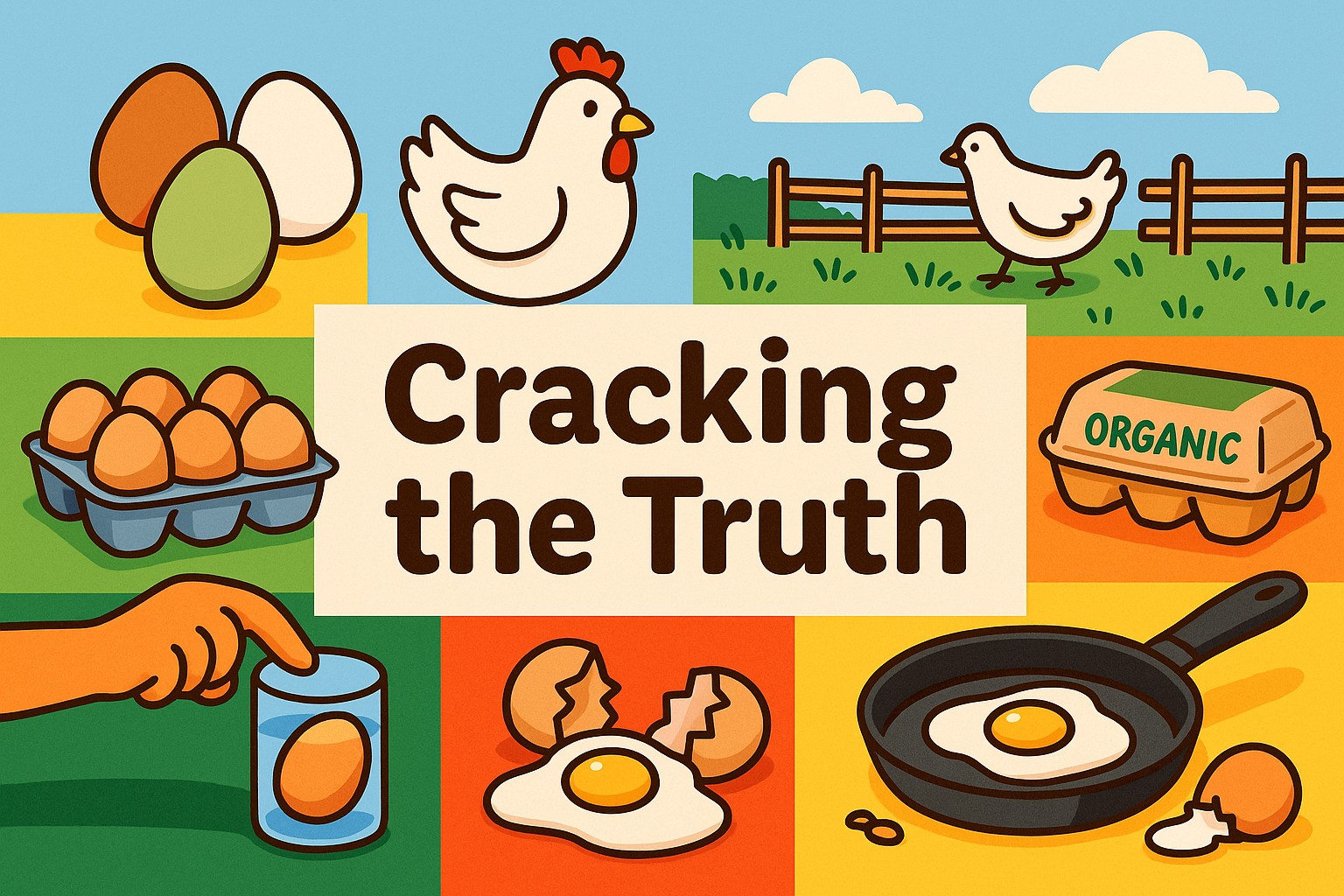
Ring the Bell: How Many Types of Eggs Do You Know?
You stroll through the grocery store, pass by the dairy aisle, and see a rainbow of egg cartons. Brown eggs, white eggs, free-range, organic, pasture-raised, omega-3 enriched, but what do they all mean? Are they just marketing terms or do they really matter? Let's crack open the truth about the varieties of eggs you see on the shelf. In this article, we'll explore what different egg labels really mean, how shell color relates to nutrition, and the differences between conventional, organic, local, and imported eggs. We'll also cover how to choose the freshest and safest eggs, dive into the risks of salmonella contamination, and finish with practical kitchen safety tips to protect your health and your family.
Final Thoughts
Eggs are a nutrition powerhouse when handled safely. Whether you choose brown or white, pasture-raised or organic, understanding the label helps you make informed, health-conscious choices for your family.
References
- USDA. (2023). Shell Eggs from Farm to Table. https://www.fsis.usda.gov/food-safety/safe-food-handling-and-preparation/eggs/shell-eggs-farm-table
- FDA. (2022). Egg Safety. https://www.fda.gov/food/egg-guidance-regulation-and-other-information/egg-safety-final-rule
- CDC. (2024). Salmonella and Eggs. https://www.cdc.gov/salmonella/outbreaks/mbandaka-05-01/
Note: The information provided should not replace professional medical advice.