Summer's Sweetest Picks: A Guide to Choosing Fresh-Cut Fruit Safely and Smartly
Watermelon, mango, pineapple — here's how to spot quality, avoid food safety risks, and get the most out of pre-cut summer fruit.
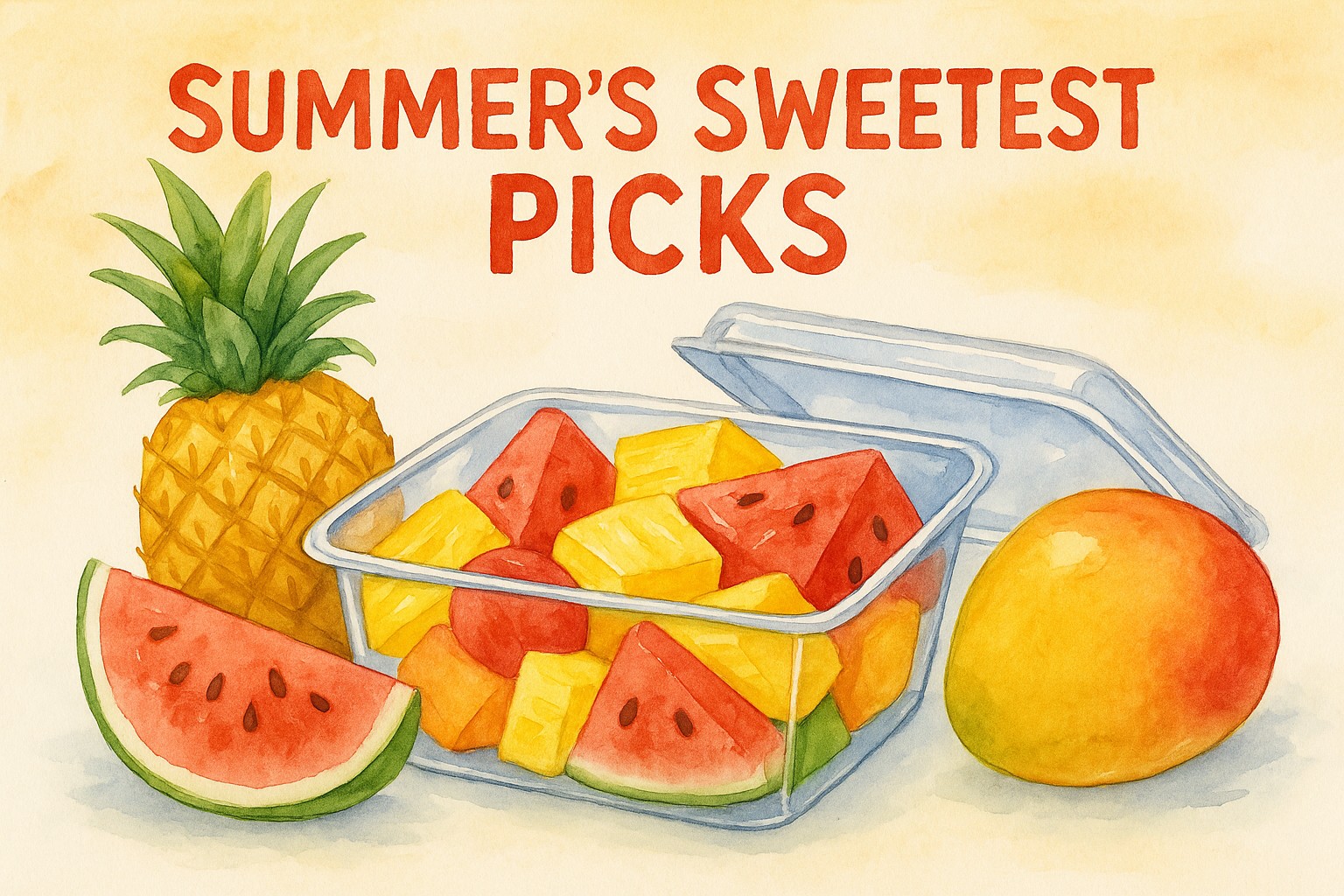
With the summer sun rolling in and tropical produce piling up at grocery stores and farmers markets, nothing feels more refreshing than a bowl of freshly cut pineapple, watermelon, or mango. Ready-to-eat fruit packages are a convenient, healthy, and hydrating snack, perfect for picnics, road trips, or lazy afternoons at the beach. But not all cut fruit is created equal.
If you've ever been unsure about whether that clamshell of pre-cut melon is worth it, or if it's even safe to eat, you're not alone. This guide is here to help. We'll walk you through everything you need to know about choosing high-quality, safe, and truly fresh cut fruit. From spotting quality to avoiding foodborne illness, storing properly, and making the most of your purchase, we've got you covered.
What to Look For When Choosing Fresh-Cut Fruit
Buying pre-cut fruit can be a gamble if you don't know what signs to look for. Here's how to spot freshness and avoid disappointment:
1. Visual Clues: Color, Shape, and Moisture
Freshly cut fruit should appear vibrant and evenly colored. Dull or browned edges, excess juice pooling in the bottom of the container, or shriveled flesh are red flags. Pineapple should be golden, not pale yellow or dry-looking. Watermelon should have a bright red color and a crisp texture, not watery or mushy. Mango should have firm slices with a rich orange hue.
2. Cut Quality and Shape
Uniform, clean cuts are a sign that a sharp, sanitary blade was used. Ragged or mashed edges suggest dull equipment and longer exposure to air. Consistent sizing also indicates professional handling.
3. Packaging Date or Time of Cutting
Check for packaging or "cut on" dates whenever possible. Ideally, you want fruit that was cut the same day or within 24 hours. Some retailers include a time stamp, if it's been sitting out for hours at room temperature, skip it.
4. In-Season Selections
Choose fruits that are currently in season locally or regionally. Not only will they be more flavorful and nutrient-rich, but they're also less likely to have traveled long distances (reducing spoilage risk). For example, watermelon and pineapple peak during summer, while mangoes are abundant in late spring and early summer.
5. Storage Conditions
Cut fruit should be displayed on ice or stored in a well-refrigerated unit. If it's sitting in open air without temperature control, especially in summer heat, it may harbor bacterial growth. Don't hesitate to ask how the fruit has been stored.
6. Check Nearby Produce and Setup
Look around the stand or store. Is the surrounding produce fresh and well-maintained? Are the tools and cutting boards clean? Are gloves used? A vendor's overall cleanliness gives clues about how safely your fruit was handled.
When Things Go Wrong: Real Cases of Unsafe Fruit
Buying pre-cut fruit from questionable sources isn't just about poor taste. It can be a serious health risk.
In 2018, a multistate outbreak of Salmonella was traced to pre-cut melon sold by a major grocery chain. More than 70 people fell ill, highlighting how quickly pathogens can spread in improperly handled produce.
In another case, poorly stored cantaloupe at a farmers market led to listeria contamination. One vendor left their cut fruit out for over four hours in direct sun — despite knowing that bacteria multiply rapidly at temperatures above 40°F.
Even personal anecdotes are telling. Many consumers have opened containers to find overly ripe, fermented-smelling fruit that was technically within the "sell-by" date. These experiences underscore the need to trust your senses, when in doubt, toss it out.
Storing Fresh-Cut Fruit at Home
Once you've selected your fresh-cut fruit, proper storage is essential to maintain safety and quality:
1. Refrigerate Immediately
As soon as you're home, place the fruit in the fridge. Keep it at or below 40°F (4°C). If it's been out for over two hours (or one hour in temps above 90°F), don't eat it.
2. Consume Within 2–3 Days
Even well-refrigerated fruit degrades over time. Try to eat it within a few days to enjoy peak freshness and nutrition.
3. Use Airtight Containers
If you've opened the original packaging, transfer leftovers to clean, airtight containers to avoid contamination and drying out.
4. Freeze What You Can't Finish
For fruits like mango, pineapple, and melon, consider freezing leftovers for smoothies. Cut them into smaller pieces, freeze flat on a tray, then transfer to freezer bags.
5. Boost Digestion
Pair fruit with a little protein or fat, like yogurt or nuts, to help slow sugar absorption and support blood sugar balance. This also improves satiety.
Final Slice
Summer fruit is a gift, but only if it's safe and satisfying. With these tips, you'll not only avoid food safety pitfalls but also get the best flavor and value out of your fruit purchases. Shopping smart means understanding the signs of freshness, knowing when to pass, and enjoying your fruit in ways that support your health.
So next time you're browsing the sunny stands or chilled produce aisles, bring this knowledge with you. A little awareness goes a long way toward making every bite clean, delicious, and safe.
Happy summer snacking!
References
- U.S. Food & Drug Administration (FDA). (2024, May 15). Tips for Fresh Produce Safety. https://www.fda.gov/food/buy-store-serve-safe-food/selecting-and-serving-produce-safely
- U.S. Department of Agriculture (USDA) Food Safety and Inspection Service. (2024, June 3). Refrigeration and Food Safety. https://www.fsis.usda.gov/food-safety/safe-food-handling-and-preparation/food-safety-basics/refrigeration
- 2018 case report: https://archive.cdc.gov/www_cdc_gov/salmonella/adelaide-06-18/index.html
Note: The information provided should not replace professional medical advice.