
Smart Seafood Shopping: How to Choose Fresh Fish at the Grocery Store
Smell, touch, color — here are 11 science-backed tips to confidently pick the freshest, highest-quality fish every time.
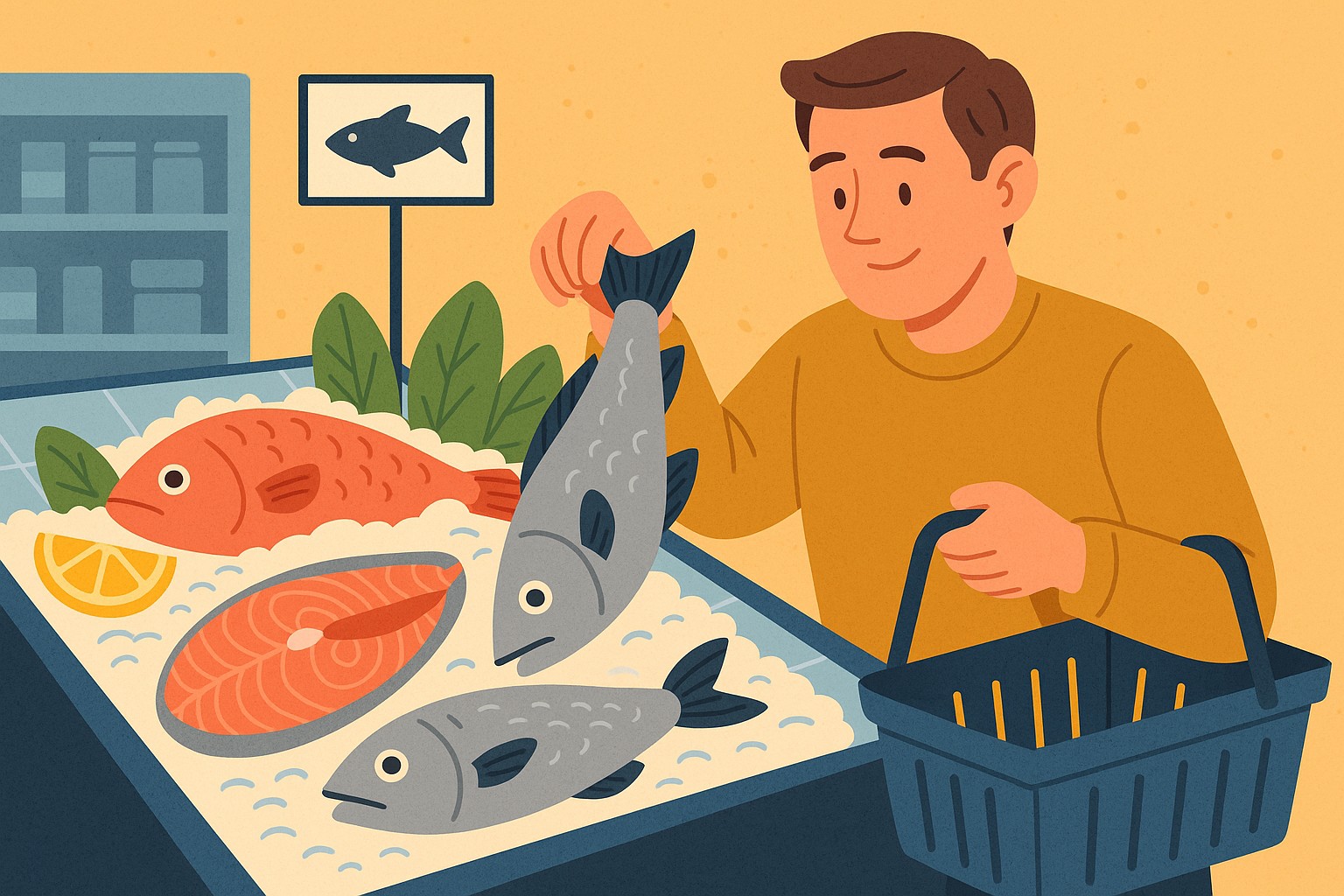
Fish is a nutritional powerhouse. Rich in high-quality protein, omega-3 fatty acids, vitamin D, and essential minerals like selenium and iodine, fish is a key component of heart-healthy and brain-boosting diets. The American Heart Association recommends eating fish, especially oily fish like salmon, sardines, or mackerel, at least twice a week due to their benefits in reducing cardiovascular disease risk. But here's the catch: the health benefits of fish are only maximized when the fish is fresh and handled properly.
So, how can you confidently choose the freshest, highest-quality fish at your local grocery store or market? This guide offers 10+ science-backed, real-life tips for selecting fish with flavor, safety, and nutrition in mind.
Selected Fish Purchase Tips
1. Smell Is the First Test
Fresh fish should have a clean, briny smell, like the ocean, not a fishy funk. A strong, sour, or ammonia-like odor is a red flag. Trust your nose, it's one of the best indicators of freshness.
2. Check the Eyes
If you're buying whole fish, the eyes should be clear, bright, and slightly bulging, not cloudy, sunken, or dry. Cloudy eyes often indicate old age or poor handling.
3. Examine the Gills
Gills should be bright red or pink and moist, not brown, gray, or slimy. Dull gills suggest the fish has been sitting out too long.
4. Press the Flesh
Fresh fish should feel firm and elastic to the touch. Press gently with your finger, if the flesh bounces back, it's good. If it leaves an indentation, it's past its prime.
5. Look at the Skin and Scales
The skin should be shiny and metallic with tight, intact scales. Dull or flaky skin is a sign of aging. For fillets, look for moist, translucent surfaces without any browning at the edges.
6. Consider the Fillet Cut
Fillets should not be mushy or dry. High-quality fillets are firm and slightly springy. Avoid pre-cut pieces sitting in pools of liquid, which could mean they've been thawed or mishandled.
7. Ask the Fishmonger Questions
When in doubt, ask:
- "When did this fish arrive?"
- "Was it previously frozen?"
- "Where was it sourced from?"
A reputable fish counter should have this information available. Many stores label fish with harvest location and whether it's wild-caught or farmed.
8. Understand Frozen vs. Fresh
"Fresh" doesn't always mean better. Fish that was flash-frozen at sea and then properly thawed can sometimes be of higher quality than fish left in a display case for several days. If buying frozen fish, choose vacuum-sealed packages without ice crystals or freezer burn.
9. Look for Sustainability Labels
Certifications from reputable organizations like the Marine Stewardship Council (MSC), Aquaculture Stewardship Council (ASC), or Best Aquaculture Practices (BAP) indicate environmentally responsible fishing and farming practices.
10. Beware of Pre-Seasoned or Marinated Fish
While convenient, these products may mask lower quality fish. You can't assess the color, smell, or texture as easily, and they often contain high sodium or preservatives.
11. Watch the Temperature
Fish should be stored in crushed ice or behind refrigerated glass at 32°F (0°C). If the display case looks poorly maintained or fish is exposed to warm air, shop elsewhere.
Real Life Example
Imagine you're at a local store comparing salmon fillets. One package has bright, moist, coral-colored flesh and minimal odor. The other has browning edges and a slightly sour smell. Though both have the same sell-by date, the first one clearly passed the freshness test. Choosing based on sensory cues, not just packaging, is your best bet.
Another case: you're buying whole snapper for grilling. One has shiny skin and clear eyes; the other looks dull and has flat, lifeless eyes. Even if the dull one is on sale, don't risk it, it may affect both taste and health.
Proper Storage at Home
- Refrigerate Immediately: Store fresh fish in the coldest part of your fridge (ideally below 40°F/4°C) and consume within 1–2 days.
- Store on Ice: Keep fish on crushed ice in a shallow dish, loosely wrapped in wax paper or foil.
- Freeze If Needed: Wrap tightly in plastic wrap or vacuum-seal, and label with the date. Most fish can be frozen for up to 3 months without major quality loss.
Final Thoughts
Shopping for fish doesn't have to be a guessing game. By learning to assess freshness through sight, smell, touch, and asking the right questions, you can make confident choices that benefit your health, your taste buds, and the environment. Whether you're grilling salmon for dinner or experimenting with ceviche, knowing how to select quality seafood ensures a better and safer experience.
Next time you're at the fish counter, put these tips into action and enjoy the rewards of fresh, flavorful fish at your table.
References
- American Heart Association. "Fish and Omega-3 Fatty Acids." https://www.heart.org/en/healthy-living/healthy-eating/eat-smart/fats/fish-and-omega-3-fatty-acids
- U.S. Food and Drug Administration. "Selecting and Serving Fresh and Frozen Seafood Safely." https://www.fda.gov/food/buy-store-serve-safe-food/selecting-and-serving-fresh-and-frozen-seafood-safely
- Marine Stewardship Council. https://www.msc.org/
Note: The information provided should not replace professional medical advice.