Smart Eating at Barbecue and Yakitori: A Wholesome Nutritionist’s Guide
Menu evaluation, HCAs and PAHs, four ordering steps, and three example combos — enjoy barbecue and yakitori with a smarter, health-aware pattern.
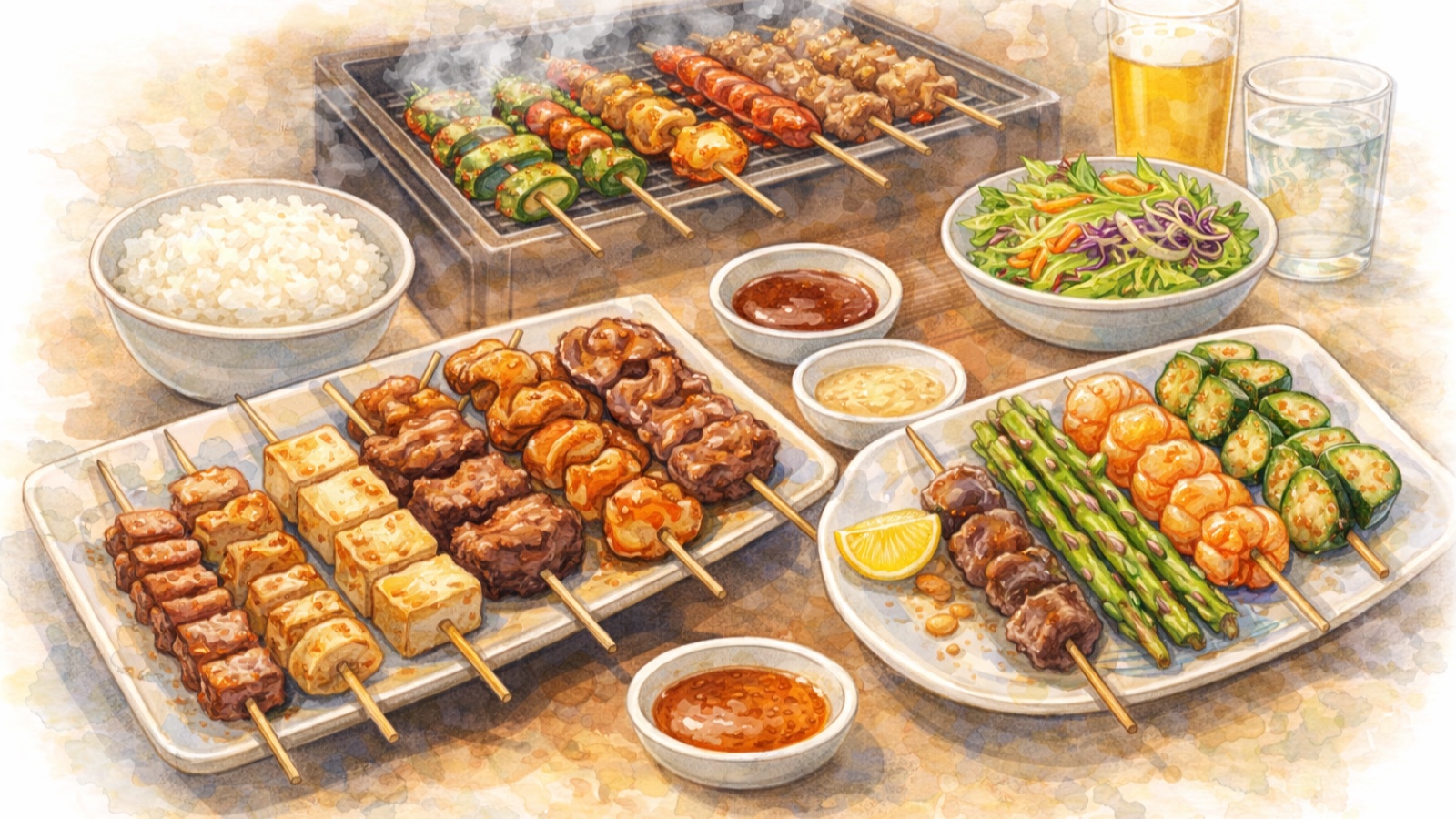
Do you love the smoky flavor of barbecue or yakitori, but quietly wonder, “Is this actually okay for my health?” You are not alone. Grilled meat is satisfying and social, yet many people worry about fat, salt, and even cancer risk from charred foods. The goal is not to give up your favorite skewers. Instead, you can learn how a wholesome nutritionist looks at a barbecue or yakitori menu and builds a plate that is both delicious and health aware.
In this article, we will walk through common barbecue and yakitori choices, how to evaluate them, and how to create balanced combos you can order with confidence next time you go out with friends or family.
What Usually Shows Up at Barbecue and Yakitori Spots
Every restaurant is different, but typical items look like this:
- Red meat cuts
- Beef short ribs, ribeye, kalbi, pork belly, sausages, hot dogs, hamburgers
- Yakitori-style chicken skewers
- Thigh, breast, wings, skin, meatballs (tsukune), organs such as liver or gizzard
- Other animal proteins
- Pork skewers, beef tongue, lamb, bacon-wrapped items
- Seafood skewers such as shrimp, squid, fish, scallops
- Vegetable and plant-based items
- Grilled shiitake or enoki mushrooms, peppers, onions, eggplant, okra, asparagus, corn, shishito peppers, tofu or tempeh skewers
- Carbohydrate sides
- Rice, fried rice, noodle dishes, potato salad, fries, garlic bread
- Sauces and seasonings
- Yakitori tare (sweet soy-based glaze), salty shio (salt), barbecue sauces, mayonnaise-based dips, miso sauce, spicy sauces
- Drinks
- Beer, highballs, soda, sweet tea, juice, or occasionally unsweetened tea and water
From a nutrition perspective, the default style can easily become: lots of red and processed meat, plenty of saturated fat and sodium, not many vegetables, and a good amount of alcohol and sugary drinks. Health organizations such as the American Heart Association recommend keeping red and processed meats moderate, choosing lean proteins more often, and building meals around vegetables, whole grains, and minimally processed foods.
The good news is that yakitori and barbecue are actually very “modular”: you pick individual skewers or small plates, which makes it easier to design a smarter meal if you know what to look for.
What a Wholesome Nutritionist Looks For
1. The Big Picture: Protein, Plants, and Portions
A simple mental model is the Healthy Eating Plate idea from Harvard: make half your plate vegetables and fruits, about one quarter whole grains or starchy foods, and about one quarter healthy protein, with healthy oils in moderation.
Applied to a barbecue or yakitori setting, that becomes:
- Plenty of vegetables on skewers or side dishes
- Moderate portions of animal protein, with more poultry, seafood, and plant protein and fewer processed meats
- Some but not excessive rice, noodles, or bread
2. Choosing Healthier Proteins First
Health guidelines consistently recommend:
- Choose fish, poultry, beans, and nuts often
- Limit red meat and avoid or minimize processed meats such as sausages and hot dogs, because they are linked with higher colorectal cancer risk
At a barbecue or yakitori place, that can mean:
- Favor chicken breast or thigh without skin, seafood skewers, tofu or tempeh, and bean dishes if available
- Enjoy red meats like beef short ribs or pork belly, but keep them to a smaller share of the total skewers
- Treat sausages, bacon-wrapped items, and heavily processed meats as “sometimes” items
3. Understanding Grilling, Char, and Cancer Risk
Cooking meat over very high heat or open flame can produce compounds called heterocyclic amines (HCAs) and polycyclic aromatic hydrocarbons (PAHs), especially in charred or very well-done portions. Laboratory and epidemiologic studies suggest that long-term high intake of well-done grilled meats is associated with higher risks of certain cancers, such as colorectal and pancreatic, although the evidence in humans is mixed.
Key points:
- The concern is about repeated, frequent exposure over many years, not one dinner
- Charring and fat dripping onto flames increase HCA and PAH formation
- Vegetables and fruits do not form HCAs, and plant-heavy grilled meals are considered safer from this perspective
A wholesome nutritionist does not tell you to stop grilling altogether. Instead, the goal is to reduce exposure while keeping the enjoyment: more vegetables and seafood, less charring, and balanced frequency.
4. Sauces, Salt, and Sugar
Barbecue sauces, yakitori tare, and salty seasonings can add significant sodium and sometimes added sugar. High sodium intake is linked with elevated blood pressure and a higher risk of cardiovascular disease.
Practical ways to manage this:
- Ask for sauces on the side, and lightly brush or dip instead of heavily coating
- Try shio (simple salt) seasoning or plain grilled items plus a squeeze of lemon, which controls sugar and lets you better gauge the salt
- Alternate richer, sweet-glazed skewers with plain or lightly seasoned ones
How to Evaluate and Balance Your Nutrition at Barbecue or Yakitori
When you sit down and look at the menu, here is a step-by-step way of thinking like a nutritionist.
Step 1: Lock in Vegetables
Grilled vegetables do not form HCAs or PAHs like meat does, and are key elements in a cancer-protective, fiber-rich diet.
Look for:
- Mushroom skewers
- Peppers, onions, tomatoes, eggplant, zucchini, asparagus, okra, corn
- Vegetable side dishes such as salads, pickled vegetables, or seaweed
Aim to have at least one vegetable skewer for every one or two meat skewers, or build a shared platter of vegetables for the table.
Step 2: Select Your Core Proteins
Use guidance from organizations like the American Heart Association and Harvard’s Healthy Eating Plate:
- Choose fish, poultry, beans, and tofu as your main proteins most of the time
- Add small amounts of red meat if you like, while keeping an eye on overall weekly intake. The World Cancer Research Fund suggests keeping red meat to about 350 to 500 grams of cooked weight per week, and eating very little processed meat.
At a yakitori or barbecue restaurant, that might translate to:
- Chicken thigh or breast skewers, yakitori tsukune (chicken meatball) in moderate portions
- Grilled fish, shrimp, squid, or scallops
- Tofu or tempeh skewers
- One small order of beef or pork skewers if desired
Step 3: Pay Attention to Cooking Style
If you can see or influence how food is cooked, try to:
- Choose cuts that are leaner or have visible fat trimmed, to reduce flare-ups and smoke
- Favor skewers that are cooked through but not heavily blackened
- If you notice significant charring, you can gently remove the blackest parts before eating. Several cancer organizations mention this as a simple risk-reduction step for grilled meat.
When cooking at home, marinating meat with acidic ingredients and herbs can significantly reduce HCA formation. You cannot always control this in restaurants, but you can apply it in your own grilling.
Step 4: Balance Carbohydrates and Sides
You do not have to avoid rice or bread completely, but it helps to:
- Favor plain rice over fried rice or very oily noodle dishes
- Keep portion sizes moderate and let vegetables and protein take center stage
- If you often leave barbecue feeling overly full or sluggish, try reducing starchy sides slightly and increasing the share of vegetables
Example Wholesome Combos at Barbecue and Yakitori
Here are some concrete examples of how this looks on a plate. Exact menus differ, so feel free to swap items, but keep the pattern in mind.
Combo 1: “Balanced Yakitori Plate”
- 2 skewers of chicken thigh or breast
- 1 skewer of grilled fish or shrimp
- 3 skewers of mixed vegetables, for example mushrooms, peppers, and asparagus
- 1 small bowl of plain rice
- Seasoning: mostly shio or light tare on one or two skewers
Why it works: you get good quality protein, plenty of fiber and antioxidants from vegetables, some carbohydrate for energy, and moderate sodium and char.
Combo 2: “Plant-Forward Grill Night”
- 1 or 2 small skewers of lean meat (chicken or small portion of beef)
- Multiple skewers of vegetables such as eggplant, onions, peppers, and okra
- 1 skewer of tofu or tempeh
- A side of simple cabbage or green salad with light dressing
Why it works: vegetables and plant protein are the main event, while meat is a flavor accent. This aligns with many heart and cancer prevention guidelines that emphasize plant-based patterns without requiring full vegetarianism.
Combo 3: “Lighter Barbecue Plate”
If you are at a Western-style barbecue restaurant:
- 1 portion of grilled chicken breast or fish instead of a large steak
- 1 small serving of lean beef if you want red meat, such as a smaller steak or shared dish
- Grilled vegetables on the side, or a vegetable kebab
- Salad or coleslaw with lighter dressing
- Skip or share fries and garlic bread, or keep portions small
This design uses principles from healthy grilling guides: choose lean proteins, grill more vegetables, and limit processed meats.
Final Thoughts: Enjoy the Grill, Use a Smarter Pattern
You do not need to turn barbecue or yakitori into a nutrition exam. A wholesome, realistic approach is to:
- Make vegetables and plant foods visible and abundant on the table
- Choose leaner proteins and seafood more often, and keep processed meats and large red meat portions for occasional enjoyment
- Limit heavy charring and very sweet or salty sauces when you can
- Think about your overall weekly pattern, not just a single meal
With this mindset, you can fully enjoy the smoky, savory flavors of barbecue and yakitori while supporting your long term heart and cancer health. The next time you step into a grill restaurant, try building one of the example combos or creating your own version. Over time, these small, consistent choices are what make the biggest difference.
References
- National Cancer Institute. Chemicals in Meat Cooked at High Temperatures and Cancer Risk. Updated July 11, 2017. Available at: https://www.cancer.gov/about-cancer/causes-prevention/risk/diet/cooked-meats-fact-sheet
- American Institute for Cancer Research. Grilling and Cancer Risk: What You Need to Know for a Healthier Barbecue. May 20, 2025. Available at: https://www.aicr.org/resources/blog/grilling-and-cancer-risk-what-you-need-to-know-for-a-healthier-barbecue/
- World Cancer Research Fund. Limit consumption of red and processed meat. Available at: https://www.wcrf.org/research-policy/evidence-for-our-recommendations/limit-red-processed-meat/
- Harvard T. H. Chan School of Public Health, The Nutrition Source. Healthy Eating Plate. Available at: https://nutritionsource.hsph.harvard.edu/healthy-eating-plate/
- American Heart Association. The American Heart Association Diet and Lifestyle Recommendations. Updated July 30, 2024. Available at: https://www.heart.org/en/healthy-living/healthy-eating/eat-smart/nutrition-basics/aha-diet-and-lifestyle-recommendations
- Harvard T. H. Chan School of Public Health, The Nutrition Source. Healthy Summer Picnic Tips. Available at: https://nutritionsource.hsph.harvard.edu/healthy-summer-picnic-tips/
Note: The information provided should not replace professional medical advice.