How to Make Healthy Burgers: 20 Tips for Grilling Smarter
Lean patties, rainbow toppings, better buns, and smart sides — twenty science-backed ways to celebrate National Hamburger Day without the guilt.
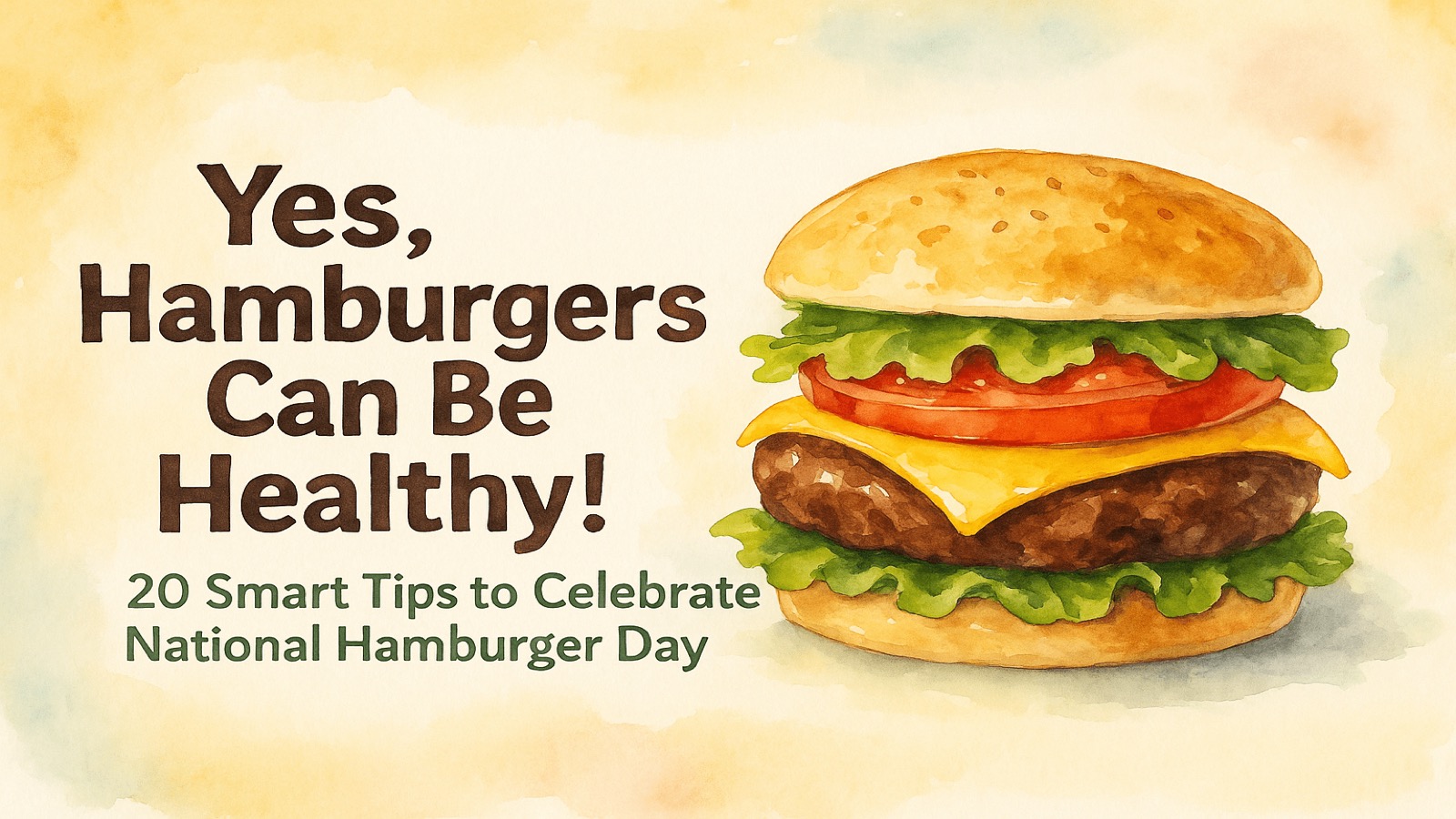
May 28 is National Hamburger Day, and what better way to honor this beloved classic than by making it healthier and even more delicious? With just a few thoughtful swaps and creative additions, your burger can go from greasy indulgence to a balanced, nourishing meal. Here are 20 science-supported and flavor-approved tips to help you enjoy your burger guilt-free!
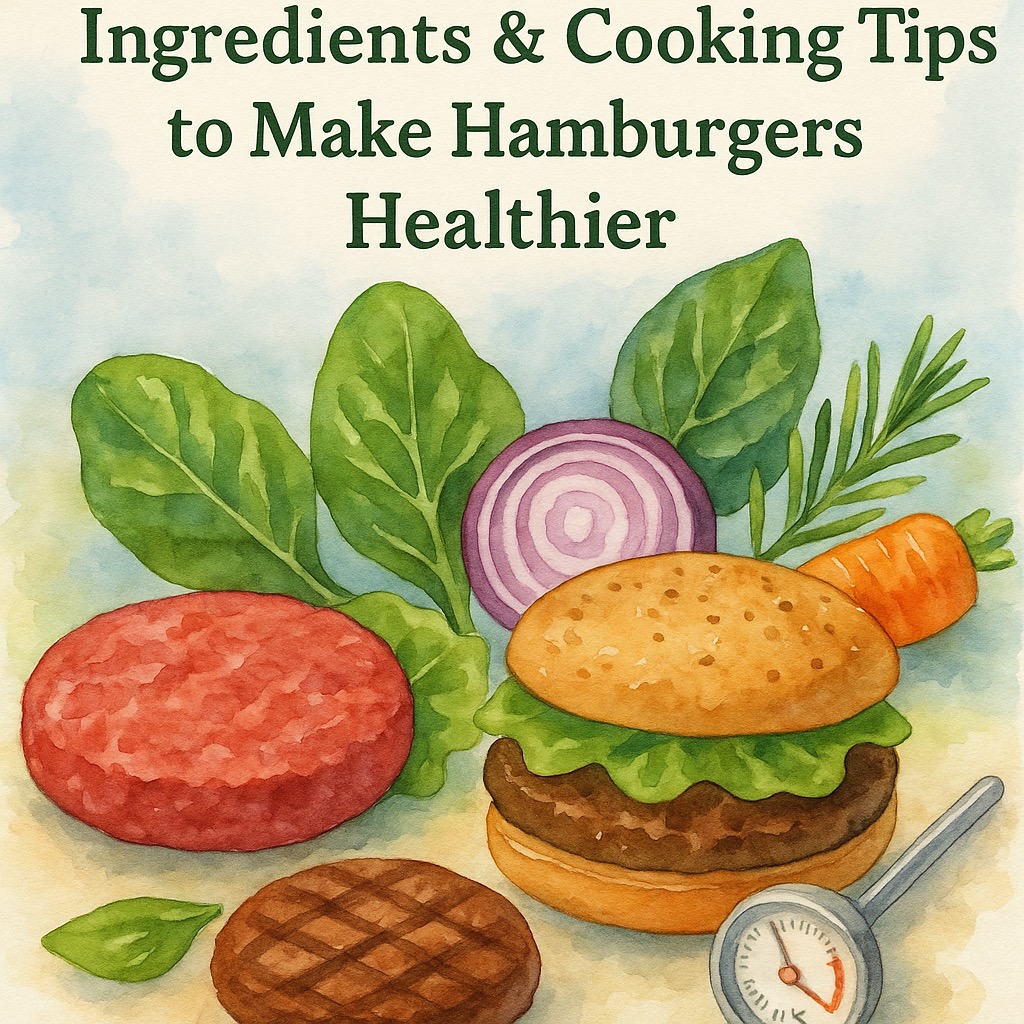
Ingredients & Cooking Tips to Make Hamburgers Healthier
-
Use Lean Ground Meat or Poultry. Meat is an excellent source of protein, and it also comes with fat — but not all fats are created equal. Choosing ground beef that is 90% lean or higher, or switching to ground turkey or chicken, helps reduce saturated fat, which can raise cholesterol levels if eaten in excess. Lean meats still give you that hearty, juicy texture without overloading on calories. The American Journal of Clinical Nutrition (2021) found that using lean meats can improve heart health. You are not giving up the burger — you are upgrading it!
-
Try Plant-Based Patties. Burgers do not always need to be made of meat to be satisfying. Patties made from lentils, black beans, chickpeas, tofu, or mushrooms are rich in fiber and plant-based protein, which help support digestion and lower the risk of chronic disease. A 2016 meta-analysis in PLOS Medicine found that plant-based diets are linked to lower cholesterol and better weight management. Bonus: many kids find black bean burgers surprisingly tasty when seasoned well!
-
Add Finely Chopped Veggies to the Patty Mix. Sneaking veggies like mushrooms, onions, or shredded carrots into your burger patty is a simple way to add extra nutrition. These vegetables provide fiber, vitamins, and moisture, which can make burgers juicier. According to the CDC, adding vegetables into mixed dishes helps families meet their daily veggie intake. It is also a great strategy for picky eaters who would not normally eat veggies on their own.
-
Season Smart with Herbs and Spices. Flavor does not have to come from salt. Herbs and spices like rosemary, garlic, turmeric, and paprika not only enhance taste but also bring antioxidants and anti-inflammatory benefits. A 2014 review showed that herbs can help reduce oxidative stress, which is linked to aging and disease. Using spices also makes your burger more exciting — like a world tour of flavors!
-
Cook the Patties on a Grill or Pan Instead of Frying. When you grill or pan-sear your burger with minimal oil, you avoid soaking it in excess fat. Grilling allows extra fat to drip away, making the final product lighter. According to Harvard T.H. Chan School of Public Health, dry-heat methods like grilling preserve flavor while lowering unnecessary calorie intake. Plus, grilled burgers just taste more like summer!
-
Use an Instant-Read Thermometer. Nobody wants to bite into an undercooked burger, especially since harmful bacteria like E. coli can be present in raw meat. Cooking beef to 160°F and poultry to 165°F (as recommended by the USDA) ensures safety without overcooking. Using a thermometer gives peace of mind, especially when cooking for kids, seniors, or anyone with a sensitive immune system.
Better Burger Fillings: Nutritious Additions Between the Buns
-
Add Leafy Greens Instead of Just Iceberg. Iceberg lettuce has crunch, but not much else. Swap in darker greens like spinach, kale, or arugula to get more vitamins A, C, and K along with folate and antioxidants. These greens also offer more flavor, which makes every bite more interesting. The USDA shows these leafy greens are nutrient-dense and fiber-rich — like a multivitamin tucked between your buns!
-
Stack on Fresh Veggies. Adding slices of tomatoes, cucumbers, bell peppers, and carrots adds color and crunch to your burger, and it also boosts fiber and hydration. Eating a variety of vegetables has been linked to reduced risk of chronic disease, according to the American Heart Association. Each color in a veggie corresponds to different nutrients, so a rainbow burger is truly a superfood sandwich!
-
Use Avocado Instead of Mayo. Avocado gives burgers a creamy texture but comes with fiber and healthy fats rather than processed oils. A study in the Journal of the American Heart Association (2022) found that avocado helps lower LDL (bad) cholesterol. It also keeps you fuller longer, which may help with portion control. Bonus: kids love its smooth, buttery flavor.
-
Try Grilled Pineapple or Apple Slices. Fruit on a burger? Yes, please! Grilled pineapple or apple adds a natural sweetness that balances savory flavors, and it is packed with vitamin C and fiber. A 2021 review in Nutrients noted that fruits rich in polyphenols can reduce inflammation. This combo is especially fun for kids, turning your burger into something closer to a tropical treat.
-
Go Easy on the Cheese. Cheese can add flavor, but too much adds saturated fat and sodium. Choosing a strong cheese like blue cheese or sharp cheddar means you can use less while still tasting it. According to a 2017 BMJ study, moderate dairy consumption is generally safe, but portion control is key. You still get that melty, satisfying finish — just in a smarter way.
-
Use Fermented Toppings. Sauerkraut, kimchi, or pickled onions bring tangy crunch and gut-friendly probiotics. Fermented foods support healthy digestion and immunity, according to a 2016 review. They also make burgers more interesting with bold, complex flavors — flavor and health in one delicious bite.
-
Swap Bacon for a Smoky Veg Alternative. Bacon adds salt and crunch, but also lots of saturated fat. Try smoked tempeh, grilled eggplant, or crispy mushroom strips for similar savory satisfaction. A 2014 study in The American Journal of Clinical Nutrition showed that umami-rich plant foods can satisfy cravings and reduce meat consumption. You get that bacon-y feel without the health baggage.
Bun & Bread Choices That Support Better Nutrition
-
Choose 100% Whole Grain or Sprouted Buns. Whole grain buns provide fiber, B vitamins, and minerals that white buns lack. Eating whole grains regularly is linked to reduced risk of heart disease and diabetes, as shown in a 2016 review in BMJ. They also help keep you fuller longer. Look for "100% whole grain" on the label — it makes a real difference.
-
Go Bunless with Lettuce Wraps or Portobello Caps. Ditching the bun altogether can cut carbs and calories significantly. Lettuce wraps are crispy and refreshing, while grilled mushrooms make a savory, juicy base. The American Diabetes Association recommends veggie swaps to support blood sugar control. It is a simple way to lighten your burger without sacrificing satisfaction.
-
Make Your Own Mini Buns. Sometimes, it is not just what we eat, but how much we eat. Making or using smaller buns helps manage portion sizes without feeling deprived. The CDC says that portion control is a practical and proven strategy for maintaining a healthy weight. Little buns, big flavor!
Sides and Sips to Pair with a Healthier Burger
-
Serve with a Colorful Side Salad. Instead of greasy fries, serve a side salad packed with greens, cherry tomatoes, cucumbers, and a light dressing. This adds fiber, hydration, and antioxidants to your meal. A 2017 study in the International Journal of Epidemiology linked high veggie intake to longer life and lower disease risk. Plus, it makes your plate pop with color.
-
Roast Sweet Potato Wedges Instead of Frying. Sweet potatoes offer natural sweetness, fiber, and beta-carotene (a form of vitamin A). Roasting them with a little olive oil is much healthier than deep-frying. They are crunchy on the outside, soft on the inside, and totally kid-approved.
-
Choose Unsweetened Iced Tea, Sparkling Water, or Fruit-Infused Water. Sugary drinks can sneak in hundreds of empty calories. Choosing sparkling water or fruit-infused water hydrates you without added sugar. A 2019 BMJ study found that reducing sugary beverage intake lowers the risk of obesity and type 2 diabetes. And fizzy fruit water feels like a party in your mouth!
-
Make Dessert Fruit-Based. Finish your burger feast with grilled peaches, fruit skewers, or a handful of berries. These options satisfy your sweet tooth with natural sugars, fiber, and vitamins. According to the Harvard School of Public Health, fruit-based desserts help balance a meal while keeping calorie counts in check. It is the perfect sweet ending that your body (and taste buds) will love.
Final Thoughts
Hamburgers do not need to be a nutritional bomb. By tweaking your ingredients, layering in veggies, choosing better buns, and rounding out the meal with wholesome sides, you can turn your National Hamburger Day celebration into a healthy and satisfying experience. Fire up the grill, invite your favorite people, and dig into a burger you can feel great about!
We also show how to make a healthy burger in our creative recipe below.
Refreshing Tofu & Eggplant Hamburger Steaks (Japanese-Style)
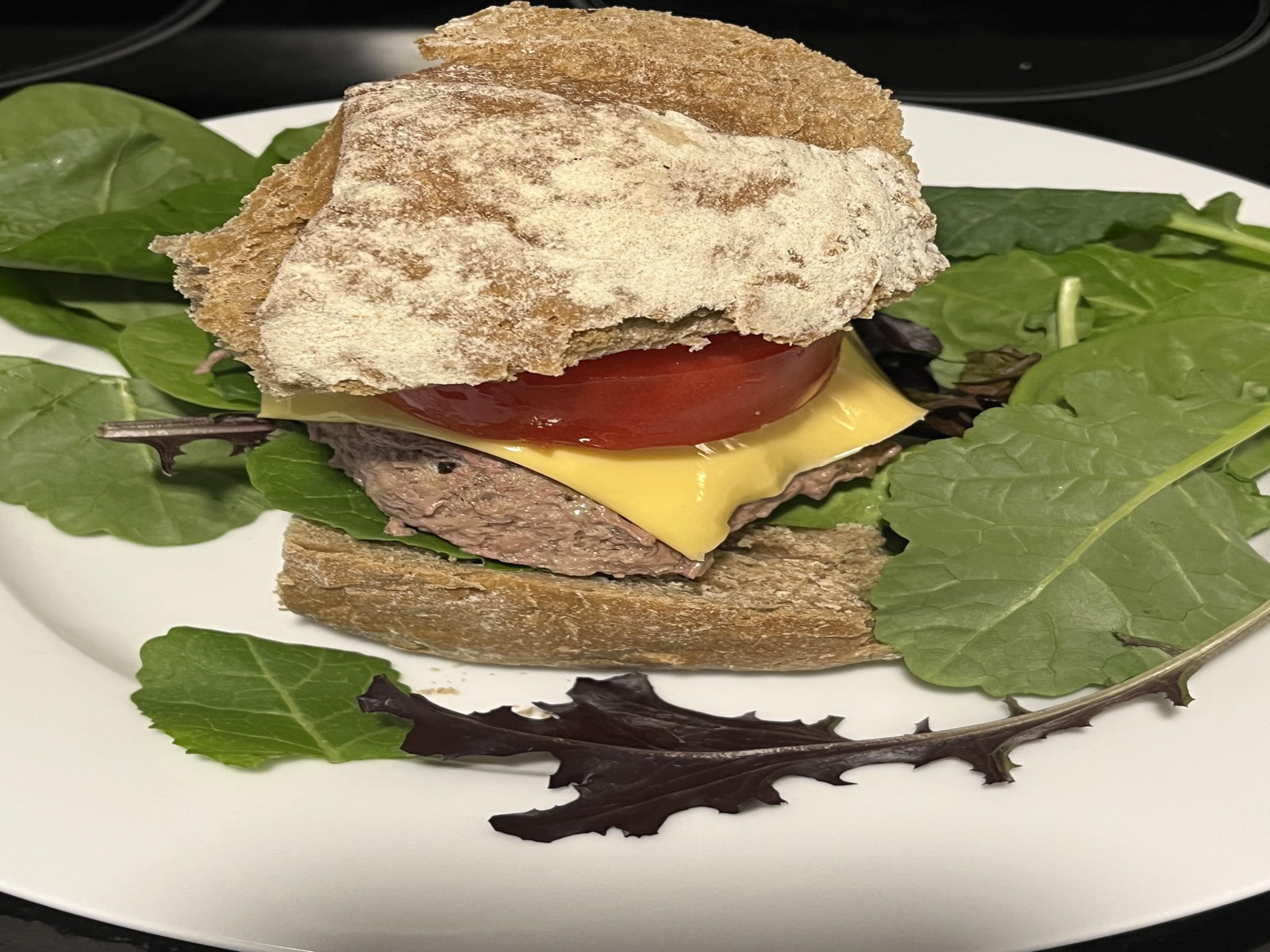
These delicious and refreshing hamburger steaks blend ground pork and beef with tofu, eggplant, and enoki mushrooms for a lighter twist on a Japanese home-style favorite. Soft on the inside and crisp on the outside, each patty is pan-seared and gently steamed for a tender, satisfying bite. Infused with dashi-based soy sauce and packed with vegetables, this dish is perfect for a nourishing and flavorful meal any day of the week.
Prep time: 15 minutes · Cook time: 15 minutes · Servings: 4
Ingredients
- ½ lb ground beef
- ½ lb ground pork
- ½ medium eggplant, finely chopped
- ½ onion, finely chopped
- 1 handful enoki mushrooms, chopped
- 1 block tofu, drained and mashed
- 1 tbsp dashi-based soy sauce
- 1 tbsp soy sauce
- 1 tbsp extra-virgin olive oil
Instructions
- Prepare the vegetables. Chop the eggplant, onion, and enoki mushrooms finely. Drain and mash the tofu until smooth.
- Combine ingredients. In a large bowl, mix the ground pork, beef, mashed tofu, and chopped vegetables. Add soy sauce and dashi-based soy sauce. Stir well until everything is evenly combined.
- Cook the patties. Heat olive oil in a skillet over medium heat. Shape the mixture into small hamburger steaks and place them in the pan. Cook each side until browned, about 2–3 minutes, then cover with a lid and steam for 8–10 minutes until fully cooked and tender.
- Serve warm. Enjoy as-is or serve with tomato, cheese, and buns to DIY your own hamburger!
Note: The information provided should not replace professional medical advice.
References: The American Journal of Clinical Nutrition (2021); PLOS Medicine (2016); CDC — Healthy Eating Tips; Harvard T.H. Chan — Healthy Eating Plate; USDA — Safe Temperature Chart; USDA FoodData Central; American Heart Association — Fruits and Vegetables; Journal of the American Heart Association (2022); Nutrients (2021); BMJ (2017); The American Journal of Clinical Nutrition (2014); BMJ (2016); American Diabetes Association — Recipes; CDC — Portion Size; International Journal of Epidemiology (2017); BMJ (2019); Harvard T.H. Chan — Vegetables and Fruits