Lunar New Year Feast, the Health-Smart Way: Classic Dishes, Meaningful Traditions, and Practical Tips
Ten classic Lunar New Year dishes with health-smart tips, plus balanced-plate strategies, hydration, walks, and food safety for a joyful feast.
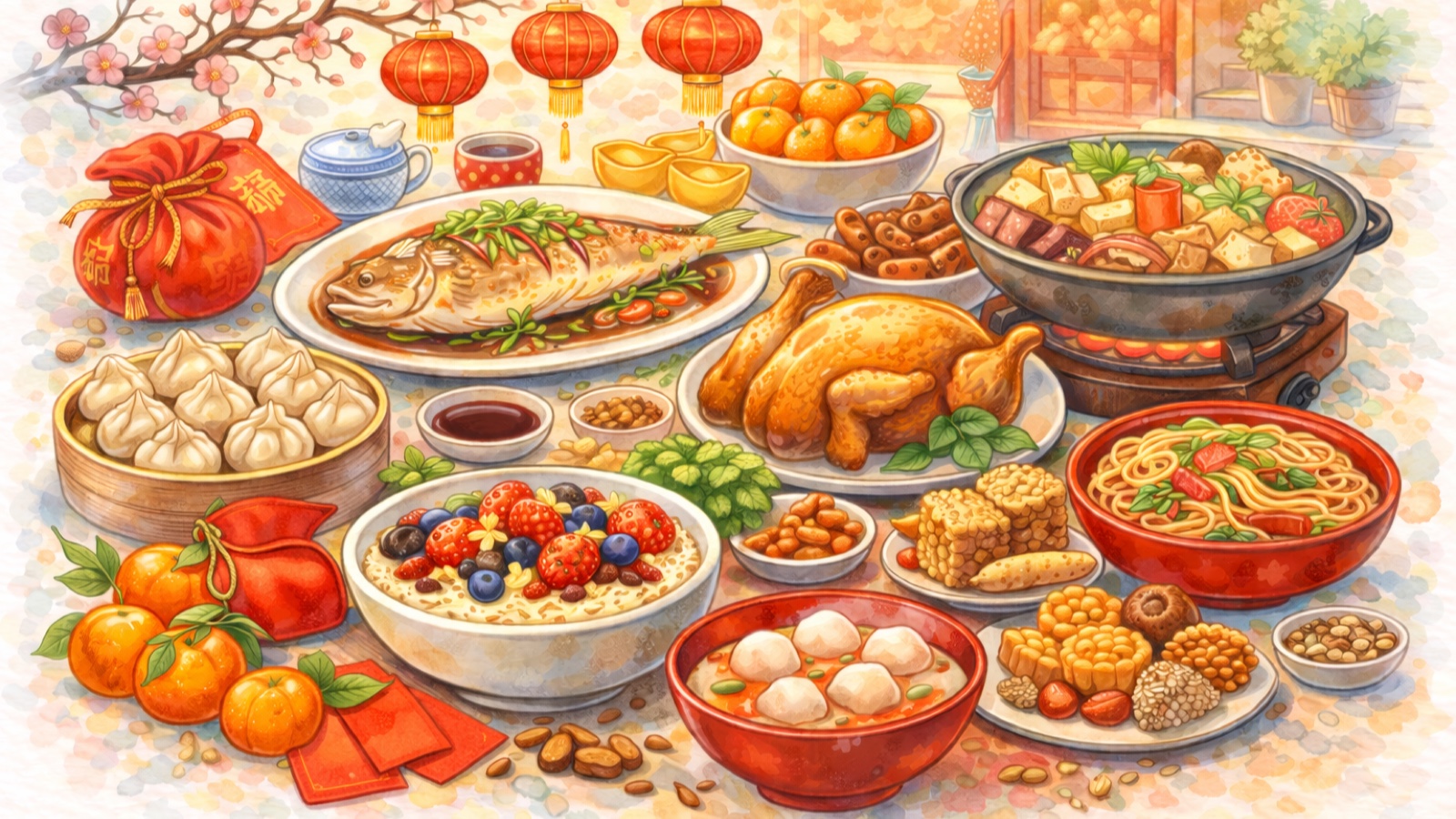
Lunar New Year has a special kind of glow. Lanterns and red decorations brighten doorways, family group chats suddenly get busy, and kitchens fill with the sound of chopping, simmering, and laughing. Whether you celebrate as Spring Festival, Tet, Seollal, or another local tradition, the heart of Lunar New Year is the same: reunion, gratitude, and a table that feels abundant.
If you love the holiday foods but worry about feeling sluggish, bloated, or “too full for days,” you are not alone. The good news is that you do not need to choose between tradition and wellness. With a few smart tweaks, you can honor the meaning of classic dishes and still feel energized for visiting family, taking walks, and enjoying the holiday.
This guide highlights classic Lunar New Year dishes that are commonly enjoyed across many Chinese and broader East and Southeast Asian traditions, then offers practical, health-forward tips for each one.
A Gentle Reminder: The Goal Is Balance, Not Perfection
Holiday meals are special because they are different from everyday meals. It is normal to enjoy richer foods sometimes. A useful approach is to think “add, not subtract.” Add vegetables, add hydration, add protein and fiber, and add mindful portions of the sweeter or richer items. That way, you enjoy the taste and symbolism, and your body still gets what it needs.
Classic Lunar New Year Dishes and Health-Smart Tips
1) Whole Fish (Often Steamed)
Meaning: Fish symbolizes surplus and abundance.
Common style: Steamed fish with ginger, scallion, soy sauce, and a drizzle of hot oil.
Health-smart tips:
- Choose steaming or gentle braising rather than deep frying. Steaming preserves moisture without adding extra fat.
- Keep the sauce flavorful but not overly salty. Soy sauces can be high in sodium, so try lower-sodium soy sauce, use a smaller amount, and increase aroma with ginger, scallion, cilantro, and a splash of rice vinegar.
- Pair fish with a big side of greens (bok choy, gai lan, spinach) to add potassium and fiber, which helps offset a salty meal.
2) Dumplings (Jiaozi) and Wontons
Meaning: Dumplings resemble ancient gold ingots, symbolizing wealth.
Common style: Pork and cabbage dumplings, pan-fried or boiled; wonton soup.
Health-smart tips:
- Aim for a half-vegetable filling. Add cabbage, mushrooms, chives, carrots, or shredded zucchini to increase volume and fiber.
- If using ground pork, consider mixing with leaner proteins (lean pork, turkey, chicken, or tofu) to reduce saturated fat.
- Pan-frying is delicious, but you can keep the crisp edge with less oil by using a nonstick pan and a measured teaspoon or two. Boiled or steamed dumplings are naturally lighter.
- Make the dipping sauce smarter: use a smaller bowl, lean on vinegar, chili, garlic, and ginger, and go light on soy sauce.
3) Spring Rolls
Meaning: Golden rolls resemble gold bars.
Common style: Deep-fried wrappers with cabbage, carrot, pork, or shrimp.
Health-smart tips:
- Try oven-baked or air-fried spring rolls. You still get crunch with significantly less oil.
- Increase vegetables and reduce fatty meats. A cabbage-heavy filling stays juicy and satisfying.
- Serve with a tangy dip (vinegar, citrus, chili) instead of thick sugary sauces.
4) Longevity Noodles
Meaning: Long noodles represent long life, so they are often served uncut.
Common style: Stir-fried noodles with vegetables and protein.
Health-smart tips:
- Add more vegetables than noodles. A simple ratio is at least half the pan in vegetables such as napa cabbage, mushrooms, bean sprouts, or snap peas.
- Consider whole-grain noodles or a mix (some wheat noodles plus some buckwheat or whole-wheat) if available.
- Keep the seasoning aromatic: garlic, scallion, ginger, sesame, and a small amount of soy sauce, rather than heavy sauces.
5) Sticky Rice Cake (Nian Gao)
Meaning: “Higher year” or “rising,” symbolizing progress.
Common style: Sweet, sticky rice cake pan-fried or steamed, sometimes with brown sugar.
Health-smart tips:
- Enjoy nian gao in small, satisfying portions. Sticky rice cakes are dense and easy to overeat quickly.
- Pair it with a protein-rich beverage or snack, like unsweetened soy milk, milk, or yogurt, to improve satiety.
- If pan-frying, use a measured amount of oil and consider crisping lightly instead of heavily frying.
6) Sweet Rice Balls (Tangyuan)
Meaning: Round shape symbolizes reunion and togetherness.
Common style: Glutinous rice balls in sweet soup, sometimes filled with sesame paste or peanut.
Health-smart tips:
- Think of tangyuan as a “two to four ball” dessert, not a big bowl meal.
- If making fillings, reduce sugar slightly and increase aroma with toasted sesame, ginger, or citrus zest.
- Balance dessert timing: enjoy after a meal that includes protein and vegetables, rather than as a standalone sugary snack.
7) Whole Chicken or Roast Duck
Meaning: Whole poultry symbolizes completeness and family unity.
Common style: Soy sauce chicken, white-cut chicken, roast duck.
Health-smart tips:
- Choose roasting, poaching, or steaming rather than heavy frying.
- If eating duck, enjoy smaller portions and balance with vegetables because duck skin can be high in fat.
- For chicken, consider removing some skin after cooking to reduce saturated fat while still enjoying the aroma.
8) Hot Pot
Meaning: A communal meal that encourages togetherness.
Common style: A simmering broth with meats, seafood, tofu, vegetables, mushrooms, and noodles.
Health-smart tips:
- Hot pot can be a very balanced meal if you build it well. Make the pot vegetable-forward: leafy greens, mushrooms, napa cabbage, and tofu.
- Choose a lighter broth or split pot (one mild, one spicy) so guests can manage sodium and heat.
- Watch ultra-processed items such as fish balls, luncheon meat, or heavily salted dipping sauces. Use them as occasional add-ons, not the base of the meal.
9) Mandarin Oranges and Citrus
Meaning: Oranges symbolize luck and prosperity.
Common style: Gift baskets and snack plates.
Health-smart tips:
- Citrus is a great holiday “reset” food: high in water, naturally sweet, and a source of vitamin C.
- Use oranges as a dessert anchor. If you want sweets, pair a small sweet item with fruit.
10) Assorted Snacks and Sweets (Candy, Candied Fruit, Pastries)
Meaning: A “sweet start” to the year.
Common style: Candy trays, nut brittles, pineapple tarts, sesame candies.
Health-smart tips:
- Build a snack tray with more nuts and seeds and fewer candies. Nuts add protein and healthy fats, which improve satiety.
- Use “small dish rules.” Put sweets in a small bowl and close the package. Visible portions are easier to manage than open bags.
- If you love chewy candies or sticky sweets, enjoy them with a meal and drink water afterward for dental care.
Simple Holiday Strategies That Make the Whole Feast Feel Better
Use the Balanced Plate Mindset
You do not need a perfect plate, but a helpful target is:
- Half vegetables
- One quarter protein
- One quarter grains or starchy foods
When the meal is dumplings or noodles, the easiest move is to add a big vegetable dish on the side.
Hydration Helps More Than People Expect
Salty foods, rich meats, and late nights all feel better with steady hydration. Keep water and unsweetened tea available. If you drink alcohol, alternate with water.
Walks Are a Lunar New Year Secret Weapon
A 10 to 20 minute family walk after a big meal can help digestion, support mood, and create memories. In many households, post-meal strolling is already part of the tradition.
Food Safety for Large Family Meals
Large gatherings mean more time with food sitting out. Keep hot foods hot and cold foods cold, and refrigerate leftovers promptly. Reheat leftovers thoroughly before eating.
Happy Lunar New Year and Good Luck
Lunar New Year food is not just food. It is storytelling, symbolism, and love served on a plate. You can keep the tradition and still care for your body by making small choices: more vegetables, lighter cooking methods, smart sauces, and intentional portions of the sweet classics.
Happy Lunar New Year. Wishing you good luck, good health, and a table full of warmth.
References
- Harvard T. H. Chan School of Public Health. Healthy Eating Plate. https://nutritionsource.hsph.harvard.edu/healthy-eating-plate/
- American Heart Association. Sodium and Heart Health. https://www.heart.org/en/healthy-living/healthy-eating/eat-smart/sodium
- U.S. Department of Agriculture. FoodData Central (nutrient data for ingredients such as dumplings, noodles, tofu, fish, citrus). https://fdc.nal.usda.gov/
- U.S. Department of Agriculture Food Safety and Inspection Service. https://www.fsis.usda.gov/food-safety/safe-food-handling-and-preparation
Note: The information provided should not replace professional medical advice.