Top 10 Healthy BBQ Tips for Memorial Day Weekend
Marinate smarter, grill leaner, load up on veggies — ten science-backed ways to make your Memorial Day cookout delicious and health-supportive.

Memorial Day brings more than sunshine and long weekends. It is a time to gather with loved ones, reflect on what matters most, and fire up the grill for the first cookout of the season. Family gatherings and shared meals are not only joyful traditions, but they also play an important role in our mental health. According to the American Psychological Association, social connection helps reduce stress and improve emotional well-being. So yes, that backyard barbecue is doing more good than you think.
Still, many of us have heard warnings about grilled meats and processed barbecue fare — from charred steaks to creamy coleslaw. The truth? Barbecue does not have to be a nutritional minefield. With a few mindful tweaks, your Memorial Day feast can be both mouthwatering and health-supportive.
Let's explore 10 science-backed tips to help you grill smarter, eat well, and feel great long after the coals cool.
10 Tips to Make Your Memorial Day Barbecue Healthier and Just as Delicious
-
Marinate Meat with Lemon or Vinegar-Based Marinades
How it works: Acidic marinades made with lemon juice, vinegar, or yogurt can reduce the formation of heterocyclic amines (HCAs) during grilling by up to 90%.
The science: HCAs are compounds formed when meat is cooked at high temperatures. Studies published in the Journal of Agricultural and Food Chemistry show that marinating meat in antioxidant-rich ingredients can significantly reduce these harmful compounds.
-
Pre-Cook Meats to Reduce Grill Time
How it works: Parboiling or baking meat before placing it on the grill cuts down direct exposure to high heat.
The science: The American Institute for Cancer Research notes that this technique reduces the production of polycyclic aromatic hydrocarbons (PAHs), which are linked to cancer risk.
-
Trim the Fat
How it works: Removing excess fat from meat reduces flare-ups and smoke that can deposit harmful PAHs onto the food.
The science: According to the National Cancer Institute, PAHs form when fat drips onto flames, so trimming fat lowers the risk.
-
Choose Leaner Cuts or Plant-Based Proteins
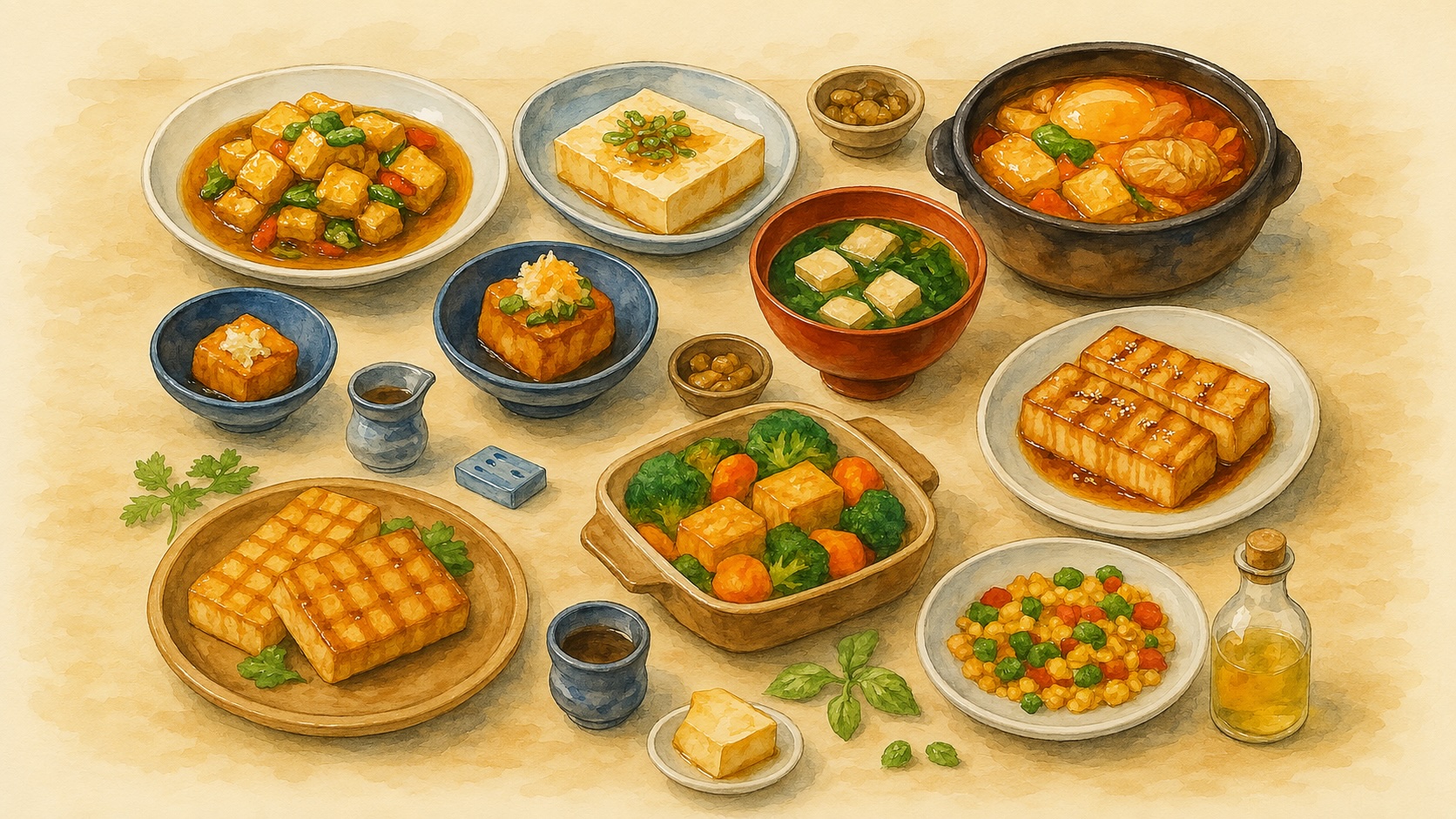
How it works: Go for skinless chicken, turkey burgers, or plant-based patties like tofu instead of high-fat sausages and ribs.
The science: A meta-analysis in Circulation (2017) found that replacing red meat with plant protein lowers cardiovascular disease risk.
-
Load Up on Grilled Veggies
How it works: Vegetables do not form HCAs or PAHs when grilled and are rich in fiber, antioxidants, and vitamins.
The science: Eating fiber-rich diets is associated with lower risks of heart disease, diabetes, and colon cancer, per a 2019 Lancet meta-analysis.
-
Use Whole Grain Buns or Wraps
How it works: Swap white buns for whole grain versions to boost fiber intake.
The science: A 2020 systematic review in Nutrients confirms that whole grains support better digestion, lower cholesterol, and enhance satiety.
-
Offer Healthy Sides
How it works: Serve bean salads, grilled corn, or quinoa bowls instead of macaroni salad or chips.
The science: Legumes and whole grains are packed with resistant starch, which feeds beneficial gut bacteria, supporting overall health.
-
Avoid Charring the Meat
How it works: Flip meat frequently and avoid burning to reduce toxic compound formation.
The science: High-heat cooking leads to carcinogen formation; however, turning meat often can reduce HCA levels, according to research from Kansas State University.
-
Add Herbs and Spices for Flavor and Antioxidants
How it works: Rosemary, thyme, garlic, and turmeric add taste and also inhibit HCA formation.
The science: A study in Food Chemistry found that antioxidants in herbs reduce the oxidative reactions that create HCAs.
-
Serve Fresh Fruit for Dessert
How it works: Grilled peaches, watermelon slices, or berry parfaits are sweet, satisfying, and full of nutrients.
The science: Fruits are rich in polyphenols, which support immune function and reduce inflammation, as highlighted in a 2021 review in Critical Reviews in Food Science and Nutrition.

What the Research Says: Eating Meat, Healthfully
Despite its reputation, meat is not inherently unhealthy. It is about the type, preparation, and portion size. When consumed in moderation and balanced with plant foods, lean meat can be part of a healthy diet.
A 2019 systematic review in Annals of Internal Medicine concluded that reducing red or processed meat has a small effect on health outcomes, suggesting that context and overall diet matter more. Meanwhile, a 2021 meta-analysis in Nutrients found that lean meat as part of a Mediterranean-style diet may support muscle mass retention and metabolic health in older adults.
Importantly, plant-rich, balanced diets that include occasional meat consumption are associated with longevity, lower cancer risk, and improved quality of life. The key is balance, not restriction.
Post-Barbecue Recovery: Balancing Your Diet After the Feast
After a hearty holiday meal, it is wise to gently balance back:
- Hydrate well with water or unsweetened tea to aid digestion and counteract salty foods.
- Enjoy lighter meals with plenty of vegetables, legumes, and whole grains in the following days.
- Get moving with a post-meal walk or weekend hike to boost digestion and mood.
And above all, savor the memories made. Memorial Day is not just about what is on your plate — it is about who is around the table. By making a few health-conscious choices, you can enjoy every bite and feel good afterward, too.
Happy healthy grilling!

Note: The information provided should not replace professional medical advice.