Celebrate National Cheese Day: Fun Facts, Flavor, and How to Enjoy It Smarter
From curds and whey to calcium, B12, and probiotics — how cheese is made, why it nourishes, and kid-friendly ways to enjoy it mindfully on National Cheese Day.
Cheese lovers, rejoice ~ it's National Cheese Day! Whether you're a cheddar champ, a brie believer, or a mozzarella maniac, this is the perfect time to celebrate everything wonderful (and slightly wacky) about cheese. But cheese isn't just tasty, it's fascinating! Let's explore how this legendary food is made, the nutrition behind every bite, how it's loved across the globe, and some fun, balanced ways to enjoy it at any age (yes, even for kids!).
How Cheese is Made
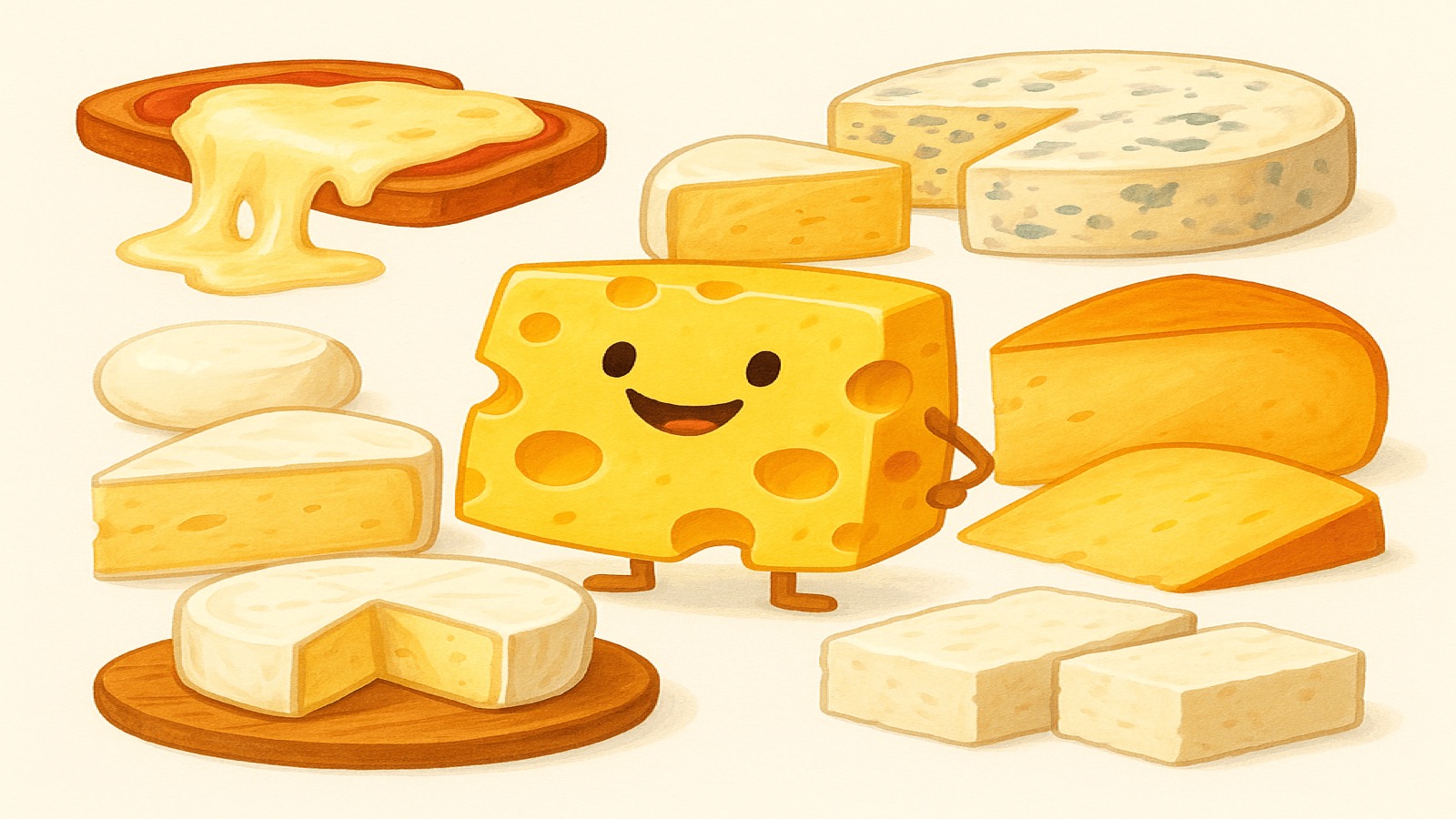
Cheese starts out as something very simple: milk! Add a little magic, actually, special bacteria and something called rennet, and the milk begins to curdle. The solid bits are called curds (think soft blobs), and the liquid part is whey (like the nursery rhyme!). Curds are then squished, salted, and sometimes aged to become all sorts of deliciousness: from squishy mozzarella to crumbly blue cheese.
Fun fact: It takes about 10 pounds of milk to make just 1 pound of cheese. And some cheeses age for years to get their flavor just right!
What Makes Cheese Good for You?
Cheese isn't just fun to eat. It's packed with nutrients that support different parts of your body, especially when enjoyed in moderation.
- Calcium – This bone-building mineral is one of cheese's biggest benefits. Calcium helps kids and adults alike build and maintain strong bones and teeth. According to the NIH, calcium also supports nerve transmission, blood vessel function, and muscle contraction.
- Protein – Cheese provides high-quality, complete protein that helps build muscles, enzymes, and immune cells. Casein, the main protein in cheese, digests slowly and helps keep you full longer.
- Vitamin B12 – This essential vitamin supports brain health, nerve function, and energy production. B12 is found mostly in animal-based foods, making cheese a great vegetarian-friendly source.
- Phosphorus – This mineral teams up with calcium to strengthen bones and teeth and plays a role in energy production and cell repair.
- Vitamin A – Important for healthy vision, skin, and immune function. Full-fat cheeses are a great source of this fat-soluble vitamin.
- Probiotics – Some aged cheeses like gouda and cheddar contain live cultures that help maintain a healthy gut microbiome, which supports digestion and immune health (ISAPP, 2021).
Science tip: Not all cheeses are the same. Hard cheeses like parmesan are higher in calcium and lower in lactose, while fresh cheeses like mozzarella are higher in moisture and milder in flavor. Picking a variety ensures you get a range of nutrients and taste experiences.
But like all great things, cheese is best enjoyed in moderation. Watch the sodium and saturated fat content, and focus on quality over quantity. Just a few slices or crumbles of a flavorful cheese can go a long way!
Cheesy Around the World
Cheese travels well and tastes even better in every corner of the world!
- France loves its creamy camembert and gooey raclette.
- Italy brings us stretchy mozzarella and sharp parmesan (perfect on pasta!).
- Mexico uses crumbly queso fresco in tacos and salads.
- Switzerland gave us fondue, the hot melty cheese you dip bread into!
- The Middle East? Try salty grilled halloumi.
- Even Korea and Japan are getting cheesy with dishes like cheese-covered buldak and cheese-filled mochi.
Cheese unites the world with flavor and creativity with no passport required!
Easy, Fun Ways to Enjoy Cheese
Looking for kid-friendly, mom-approved cheese ideas? These combos are fun because they're colorful, hands-on, and let kids explore textures and flavors. Plus, they sneak in some great nutrition!
- Add a slice of cheddar to a whole-grain sandwich – Cheddar melts well and adds flavor and protein. The calcium helps build strong bones, especially important during growth spurts.
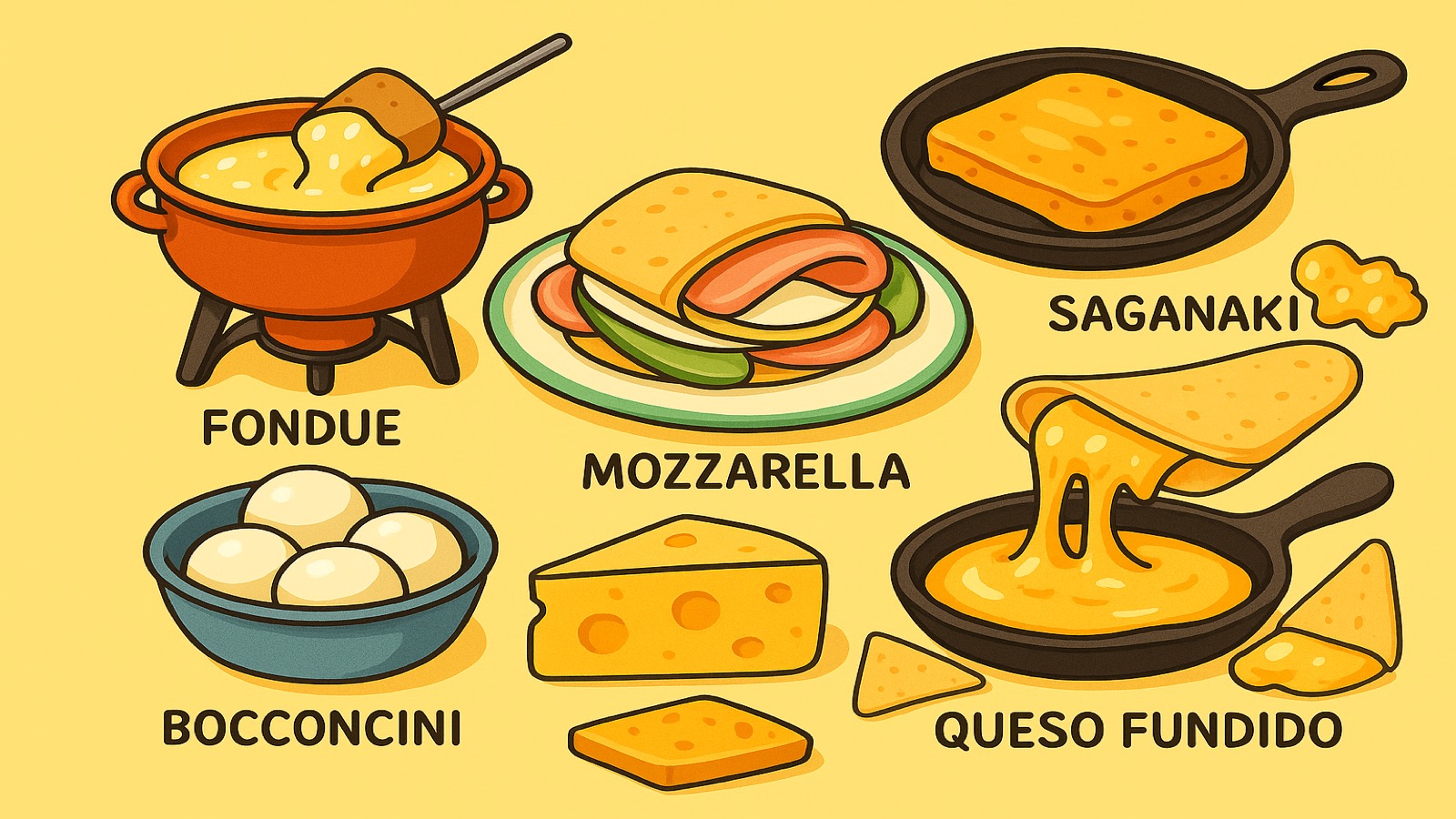
- Roll mozzarella with turkey and cucumber for a quick snack – This combo is easy to prep and fun to eat with your fingers. Mozzarella provides protein and vitamin B12, while cucumbers keep it light and hydrating.
- Sprinkle feta or parmesan on salads and roasted veggies – These cheeses are salty and bold, so a little goes a long way. Bonus: they're lower in lactose and offer a satisfying umami boost that encourages kids to eat more greens.
- Make a mini cheese board with fruit, nuts, and whole grain crackers – Mixing crunchy, creamy, sweet, and savory keeps snack time interesting and balanced. This helps stabilize blood sugar and makes for great after-school or work snacks.
- Blend a little cottage cheese into smoothies for protein power – It disappears into the mix but adds creaminess and a big hit of casein protein, which digests slowly and keeps you full.
Cool Cheese Tricks from Around the World
Different countries have awesome traditions that make cheese even more fun:
- In Switzerland, kids grow up dunking crusty bread into gooey fondue. It's a cozy group meal that encourages sharing.
- In Greece, saganaki is fried cheese served sizzling in a pan. It's crunchy, melty, and usually flamed at the table!
- Italy loves bocconcini (mini mozzarella balls) that are perfect for kid-sized bites and lunchboxes.
- In Mexico, queso fundido is molten cheese scooped up with warm tortillas, kind of like cheesy taco dip.
- In Japan, some kids get their cheese in cheese mochi, which turns traditional mochi into a stretchy, sweet-salty snack with melted cheese inside!
Cheese is more than food: it is culture, science, and fun all rolled into one delicious bite.
Let's Celebrate the Cheesy Way
Cheese is rich in history, full of fun, and totally tasty. From how it's made to how it brings people together across cultures, it's a food worth appreciating and enjoying mindfully. This National Cheese Day, try something new, share a cheesy snack with someone you love, and give a little cheer for nature's most snackable science experiment!
🧀 Happy National Cheese Day!
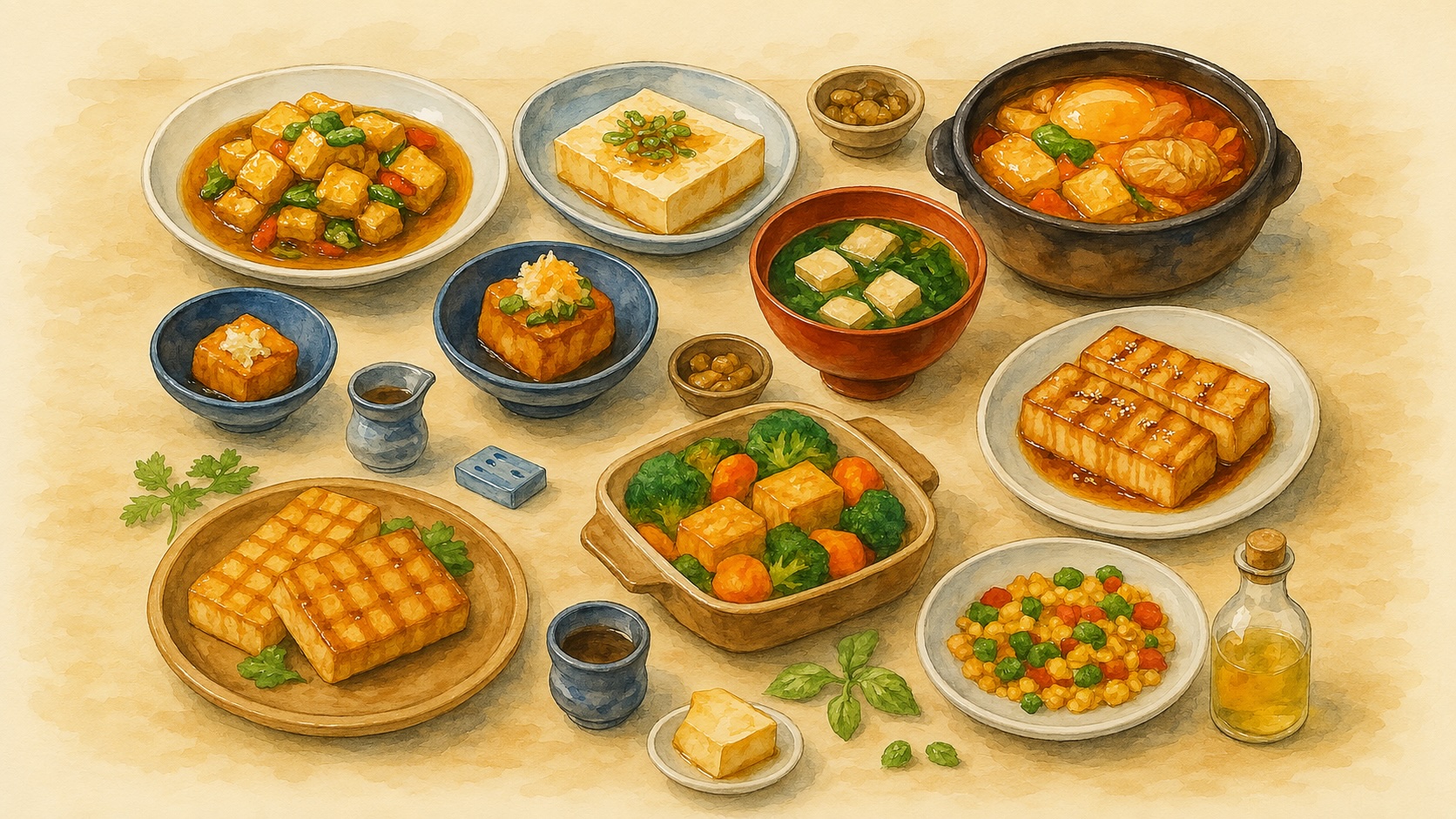
Here is our healthy creative cheesy snack: Crispy Cheese Mochi Tofu !
Note: The information provided should not replace professional medical advice.
References: NIH Office of Dietary Supplements — Calcium Fact Sheet for Health Professionals; International Scientific Association for Probiotics and Prebiotics (ISAPP). (2021). The ISAPP Consensus Statement on the Definition and Scope of Synbiotics.; USDA FoodData Central; Harvard T.H. Chan — Protein; Harvard T.H. Chan — Vitamin B12