National Donut Day: A Celebration of Sweet Circles Across the Globe
From Donut Lassies to buñuelos, sufganiyot, and mochi rings — the history of National Donut Day, 18 global varieties, and smarter ways to enjoy them.

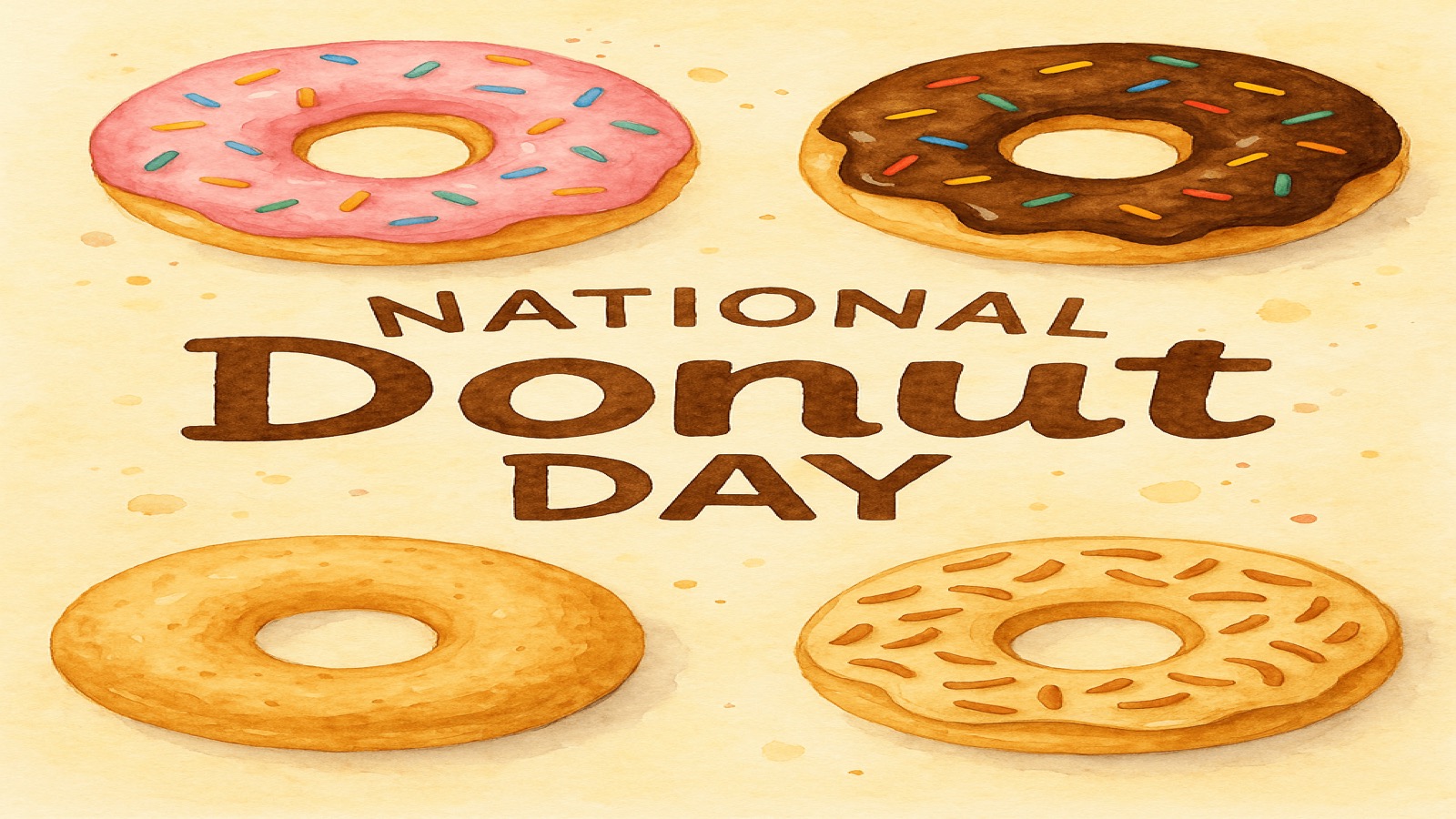
Who doesn't love a good donut? Whether glazed, filled, powdered, or plain, donuts are a universal delight. But did you know there's a whole day to celebrate these sugary rings of joy? National Donut Day, observed on the first Friday of June in the United States, is more than just an excuse to indulge. It's a celebration rooted in history and sweetened by cultural diversity.
The Origin of Donut Day
National Donut Day was first established in 1938 by The Salvation Army to honor the "Donut Lassies" who served treats to soldiers during World War I. These women brought comfort and a taste of home to American troops, often cooking donuts in oil inside soldiers' helmets. The tradition stuck, and donuts became a symbol of warmth, resilience, and generosity.
Donuts Around the World: 15+ Global Varieties
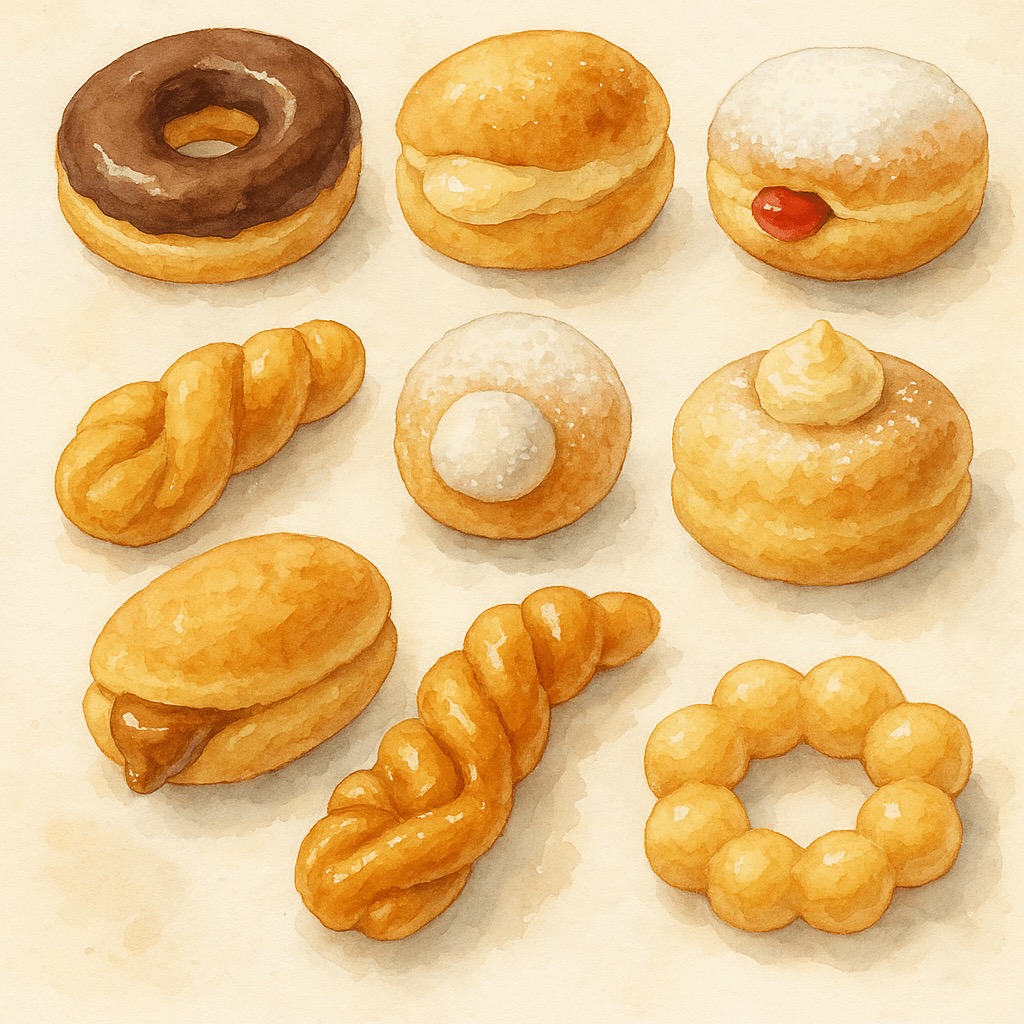
Donuts aren't just American favorites. Across seven continents, various cultures have their own spin on fried dough delights:
- USA: Classic glazed donuts are made by deep-frying a sweetened yeast dough, then dipping the warm rounds into a sugary glaze. They are fluffy inside and slightly crisp outside. In the U.S., donuts are typically eaten as a breakfast treat or snack, often accompanied by coffee.
- Canada: Canadian donuts, especially from Tim Hortons, include maple-dip (a yeast donut with maple glaze) and honey crullers (egg-rich dough fried into a soft twist). They're light, airy, and sweet. Canadians usually enjoy them as a breakfast item or mid-day snack.
- Mexico: Buñuelos are thin, crispy disks made by frying dough until golden and then dusting them with cinnamon sugar. Crunchy and aromatic, they are most commonly served during Christmas and holidays as a dessert.
- Brazil: Sonho means "dream," and these donuts live up to their name. Made with an enriched dough similar to brioche, they are deep-fried and filled with custard or dulce de leche. Typically eaten as a dessert or sweet snack in the afternoon.
- Germany: Berliners are round, jelly-filled donuts without a hole, dusted with powdered sugar. They have a pillowy texture and are filled with fruity jams. Commonly enjoyed during carnival season or on New Year's Eve as a celebratory dessert.
- Italy: Zeppole are deep-fried dough balls, often filled with ricotta or pastry cream and dusted with sugar. They have a crisp exterior and a tender, airy interior. Eaten primarily as a festive dessert, especially on St. Joseph's Day.
- Poland: Paczki are made from a rich, eggy dough and filled with fruit preserves or custard. They're deep-fried and topped with sugar glaze or powdered sugar. A favorite on Fat Thursday and before Lent, typically eaten as a dessert.
- Israel: Sufganiyot are round, deep-fried donuts filled with jelly or custard, generously dusted with powdered sugar. Soft and sweet, they are a beloved treat during Hanukkah and served as dessert.
- India: Balushahi resembles a donut in shape but differs in texture. Made with ghee and flour, it's deep-fried and soaked in sugar syrup, resulting in a crispy outside and soft, syrupy inside. Often eaten during festivals as a dessert.
- South Africa: Koeksisters are braided or twisted dough strips deep-fried and immediately soaked in cold sugar syrup. They are intensely sweet, sticky, and crunchy. Eaten as a dessert or sweet snack, often with tea.
- China: Youtiao, also known as Chinese crullers, are savory and elongated fried dough sticks. They have a chewy, airy texture and are usually eaten as a breakfast item with soy milk or congee.
- Japan: Pon de Ring is a mochi-like donut made with tapioca flour, shaped into a chain of balls. It has a chewy texture and is lightly sweet. Commonly eaten as a snack or dessert, especially from popular chains like Mister Donut.
- Australia: Jam donuts in Australia are round, sugar-coated donuts filled with raspberry or plum jam. They are soft, slightly chewy, and enjoyed warm. Often eaten as a dessert or sweet snack, especially at markets and fairs.
- New Zealand: Cream-filled and custard donuts are bakery staples, often sugar-coated or glazed. They are soft and generously stuffed. Usually enjoyed as an afternoon treat or dessert.
- France: Beignets are square pieces of dough fried until puffed and golden, then covered with powdered sugar. Light and airy, they are best known from New Orleans but originate from French cuisine. Typically served as a breakfast or dessert.
- Argentina: Bolas de fraile are deep-fried dough balls filled with dulce de leche and often coated in sugar. Rich and indulgent, they are commonly served as a dessert or alongside coffee.
- South Korea: Chapssal donuts are made with glutinous rice flour, resulting in a chewy texture. They are often filled with sweetened red bean paste. Typically eaten as a snack or dessert, especially at street markets.
- Taiwan: Taiwan donuts, especially the chewy mochi donuts, are made with glutinous rice flour which gives them a unique bouncy texture. Often twisted or ring-shaped and lightly fried, they are then coated with sugar, matcha powder, or black sesame. Some are filled with custard or sweet red bean paste. These donuts are commonly enjoyed as a snack or dessert, especially at night markets and bakeries where the flavor range continues to evolve with seasonal trends and fusion inspirations.
How to Make Donuts More Delicious and Healthier
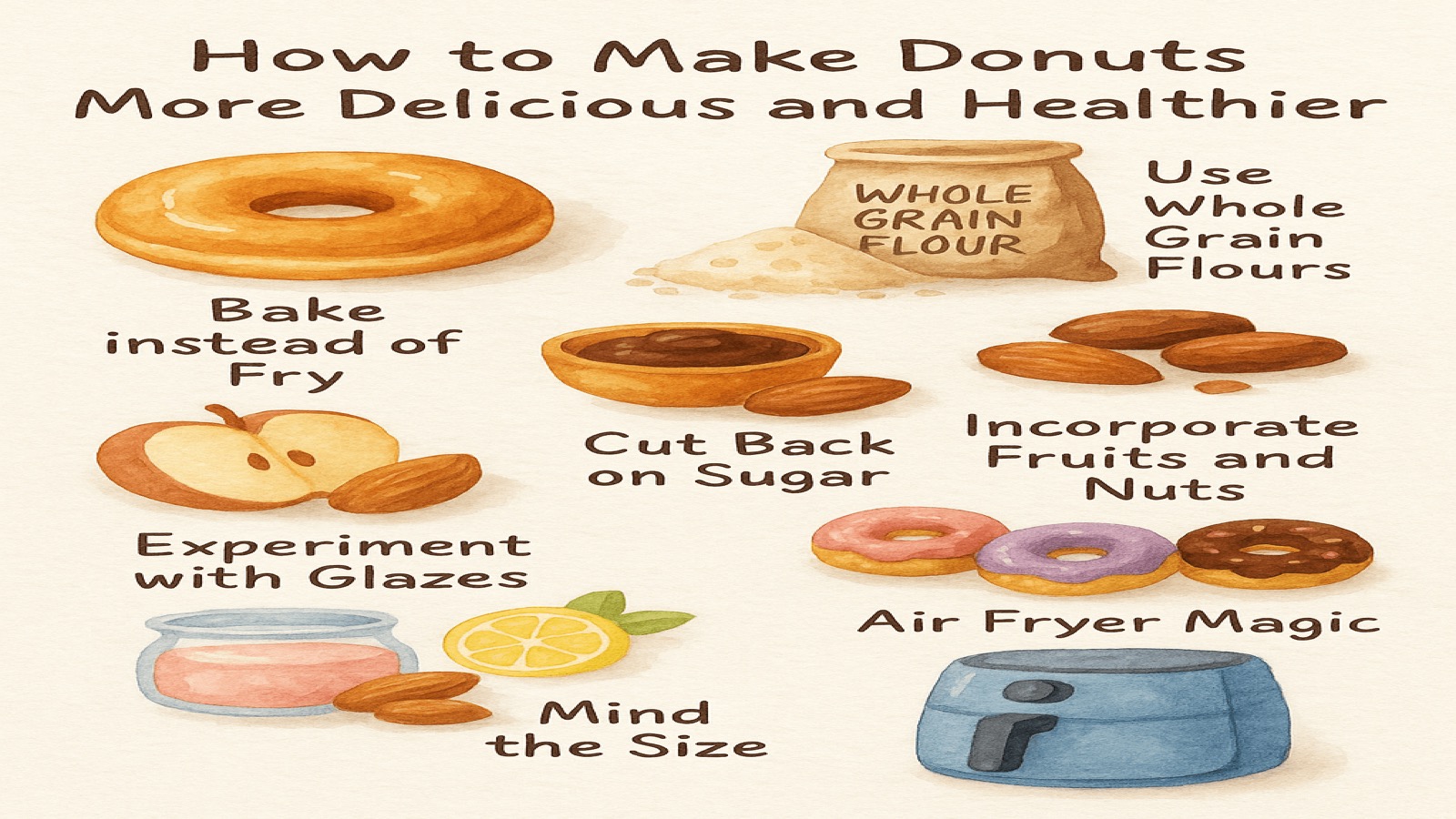
While donuts are traditionally indulgent, there are ways to make them both scrumptious and smarter for your health:
- Bake instead of Fry: Reduce oil content by using oven-baked recipes.
- Use Whole Grain Flours: Boost fiber and nutrients by subbing in whole wheat or oat flour.
- Cut Back on Sugar: Use natural sweeteners like mashed bananas, dates, or stevia.
- Incorporate Fruits and Nuts: Blueberries, apple chunks, or chopped almonds add flavor and texture.
- Experiment with Glazes: Greek yogurt-based or citrus fruit glazes can add taste without overload.
- Mind the Size: Mini-donuts give satisfaction with built-in portion control.
- Air Fryer Magic: Get that fried crunch without the deep fryer.
Sweet Ending: Celebrate Mindfully
Donuts bring joy, nostalgia, and a touch of celebration wherever they go. This National Donut Day, try a new global donut, share a batch with friends, or even whip up a healthier version at home. After all, honoring tradition doesn't mean skipping on wellness.
Check out our creative savory donut recipe HERE !
Whether glazed or grainy, stuffed or air-fried, there's a donut for everyone. Happy National Donut Day!

Note: The information provided should not replace professional medical advice.
References
- The Salvation Army. (2023). History of National Donut Day
- Harvard School of Public Health. (2022). Whole Grains and Health
- Harvard T.H. Chan School of Public Health. The Nutrition Source: Fats and Cholesterol. https://www.hsph.harvard.edu/nutritionsource/what-should-you-eat/fats-and-cholesterol/