Hot, Cheesy, and Crowd‑Binding: A Friendly Guide to National Pizza Day
Crust styles, global traditions, nine health-smarter tips, and drink-and-side pairings — celebrate National Pizza Day with hot pie, color, and balance.
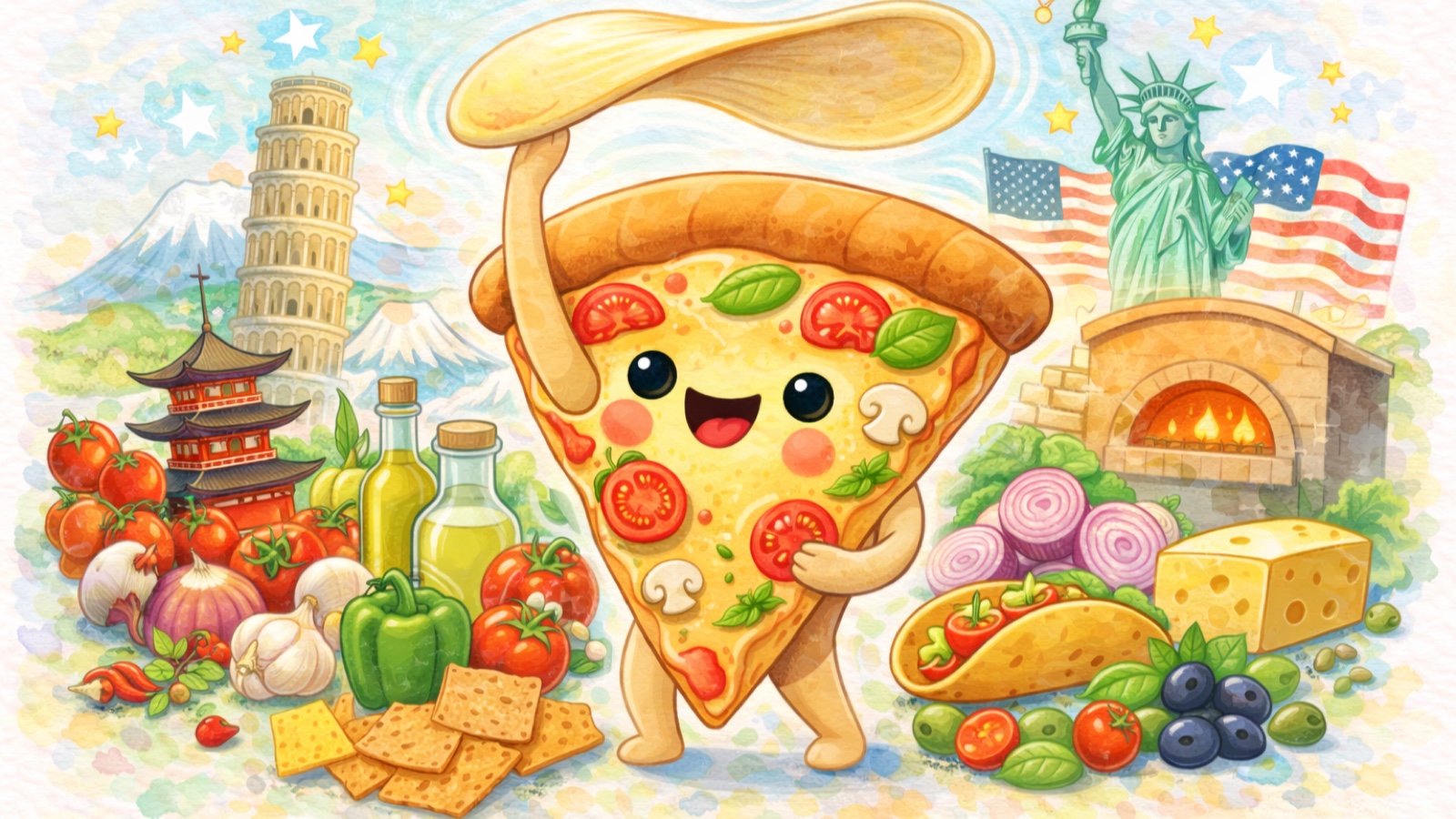
A hot pizza on the table changes the mood in a room. The crust is blistered and fragrant, the cheese is stretching into long ribbons, and the sauce smells like tomatoes, garlic, and oregano. Pizza is weeknight comfort and celebration food. On National Pizza Day, let us enjoy the ceremony of slicing and sharing while choosing builds that taste amazing and leave everyone feeling good after the last slice.
Why Pizza Feels So Right
Pizza is a perfect little system of contrasts: crisp and tender crust, bright-acidic sauce, creamy cheese, and whatever crunch or freshness you add on top. It travels well, invites customization, and fits almost any budget. From a nutrition perspective, a pizza can be a balanced plate in slices: grains for energy, vegetables for vitamins and fiber, protein for staying power, and flavorful fats in sensible amounts. The key is to pick the crust style, sauce, and toppings with intention.
Usual Combinations and Building Blocks
Crust styles
- Neapolitan: thin center, puffy cornicione, cooked hot and fast. Tender and light when done well.
- New York slice: hand‑tossed, foldable, moderate chew.
- Sicilian or sfincione: pan‑baked, thicker, airy crumb, crisp bottom.
- Detroit style: rectangle pan, caramelized cheese edge, light‑airy crumb.
- Chicago deep dish: tall pan, buttery crust, cheese beneath sauce.
- Roman al taglio: long pan, high‑hydration dough, airy and crisp.
Sauces
- Crushed tomato with salt and olive oil for classic Margherita or marinara styles.
- Cooked tomato sauce with garlic and herbs for New York and pan pies.
- White base such as olive oil with garlic, ricotta, or light yogurt‑herb spread.
- Pesto or salsa verde for herbal brightness. Use thinly.
Cheeses
- Fresh mozzarella for melt and milk sweetness.
- Low‑moisture mozzarella for stretch.
- Provolone, fontina, pecorino, parmesan as accents with sharper flavor.
Vegetable toppers
- Bell peppers, onions, mushrooms, spinach, arugula, tomatoes, zucchini, broccoli rabe, olives, artichokes. Add fresh vegetables after baking for crunch and aroma when desired.
Proteins
- Lean: grilled chicken, turkey sausage, shrimp.
- Plant: mushrooms, marinated tofu, tempeh, chickpeas, roasted beans.
- Cured meats: pepperoni, prosciutto, sausage. Flavorful but higher in sodium – use sparingly.
Finishes
- Olive oil drizzle, fresh basil or oregano, chili flakes, lemon zest, or a handful of dressed arugula.
Pizza Around the Globe
Pizza is Italian at heart and global by adoption. Here are representative ways people enjoy pizza in different places.
- Naples, Italy: The birthplace of pizza Margherita and marinara. Associations such as the Associazione Verace Pizza Napoletana outline traditional flour, fermentation, and oven standards. The focus is balance – soft dough, simple tomato, fresh mozzarella, basil, and olive oil.
- Rome, Italy: Two popular formats: al taglio sold by the slice from large trays, and tonda romana which is thin and crisp. Toppings often feature seasonal vegetables and cured meats in small amounts.
- United States: Regional styles include New York slices, Chicago deep dish, Detroit style, and California vegetable‑forward pies. Creative toppings are common but the base trio – crust, tomato, and cheese – remains the anchor.
- Argentina: Thick, cheesy pizza traditions influenced by Italian migration. Fugazzeta is famous for its onion‑topped, extra‑cheesy character.
- Brazil: Pizzerias offer classic flavors along with local favorites such as catupiry cheese with chicken or hearts of palm.
- Japan: Neapolitan‑inspired shops are popular. Seasonal seafood, corn, and mayonnaise‑based combinations appear on casual menus.
- Turkey: While not pizza, pide is a related boat‑shaped flatbread baked with cheese, vegetables, and meats. It scratches the same crispy‑cheesy itch.
- Lebanon: Manoushe is a flatbread topped with za’atar and olive oil, sometimes cheese and vegetables. Great for breakfast or sharing.
- India: Paneer, bell pepper, onion, corn, and green chili are common toppings in quick‑service shops, with sauces adjusted for local spices.
Use any of these as a template: good dough, a light hand with sauce and cheese, and fresh produce to keep flavors vivid.
Tips for a Health‑Smarter Pizza Night
These ideas are practical and flavor‑first so pizza night stays joyful while aligning with widely accepted nutrition guidance.
- Let the crust carry fiber. Choose a whole‑wheat or part‑whole‑wheat dough or add a small amount of whole‑grain flour to your mix. More fiber supports fullness and steadier energy.
- Mind the cheese like a seasoning. Use moderate, even coverage and add a small shower of sharp cheese after baking for big flavor. This approach trims saturated fat and sodium while keeping the classic stretch.
- Load vegetables high and early – then fresh at the end. Put sturdy veg on before baking and finish with fresh greens, herbs, or tomatoes. You get volume, water, potassium, and vitamin C without weighing down the crust.
- Keep cured meats minimal. Pepperoni, bacon, and sausage are flavorful but high in sodium. Treat them as accents and balance with plenty of vegetables. Rotate in lean or plant proteins for regular pizza nights.
- Use acid and heat to pop flavor. A spoon of bright tomato sauce, a squeeze of lemon, a splash of vinegar, or chili flakes lets you rely less on salt.
- Control portions with the pan. A thinner 12‑inch pie split among two or three people plus a big salad feels abundant. Slicing smaller wedges or squares encourages slower eating and easier sharing.
- Make your own when you can. A simple dough of flour, yeast, water, salt, and a little olive oil is budget friendly and lets you steer sodium and fat. Par‑bake thin crusts for weeknights and top from the fridge.
- Balance the day. If pizza is dinner, keep drinks unsweetened and choose lighter desserts. Let the pie be the star.
- Food safety still matters. Keep raw dough and toppings separate from ready‑to‑eat items. Refrigerate leftovers promptly and reheat until hot through.
Drinks and Sides That Make Pizza Shine
Smart sips
- Water or sparkling water with lemon keeps flavors clear and sodium in check.
- Unsweetened iced tea or lightly bitter greens tea pairs well with rich cheese.
- A small glass of beer or wine can be enjoyable for adults. Alternate with water.
Sides
- Big green salad with tomatoes, cucumbers, peppers, and a lemon‑olive oil dressing.
- Roasted vegetables like broccoli, zucchini, or mushrooms with garlic and herbs.
- Bean salad or lentil salad for extra protein and fiber.
A Warm Finish
Pizza brings people to the table. On National Pizza Day, choose a crust you love, keep toppings colorful and light, and let herbs, acidity, and heat do the heavy flavor lifting. A simple salad and unsweetened drink help every slice land happily. Share generously, savor slowly, and enjoy the ritual of hot pie and good company.
References
- Associazione Verace Pizza Napoletana. Traditional Neapolitan pizza guidelines and culture. https://www.pizzanapoletana.org/en/
- Harvard T. H. Chan School of Public Health. Healthy Eating Plate. https://nutritionsource.hsph.harvard.edu/healthy-eating-plate/
- Harvard T. H. Chan School of Public Health. Whole Grains. https://nutritionsource.hsph.harvard.edu/carbohydrates/whole-grains/
- U.S. Department of Agriculture. FoodData Central. Nutrient profiles for pizza ingredients and styles. https://fdc.nal.usda.gov/
- American Heart Association. Sodium and Heart Health. https://www.heart.org/en/healthy-living/healthy-eating/eat-smart/sodium
Note: The information provided should not replace professional medical advice.