The Morning After: A Friendly Guide to Staying Healthy Post‑Halloween
Treat timing, twelve practical candy tips, kid‑focused strategies, and foods that pair well — enjoy the Halloween haul without the sugar slump.
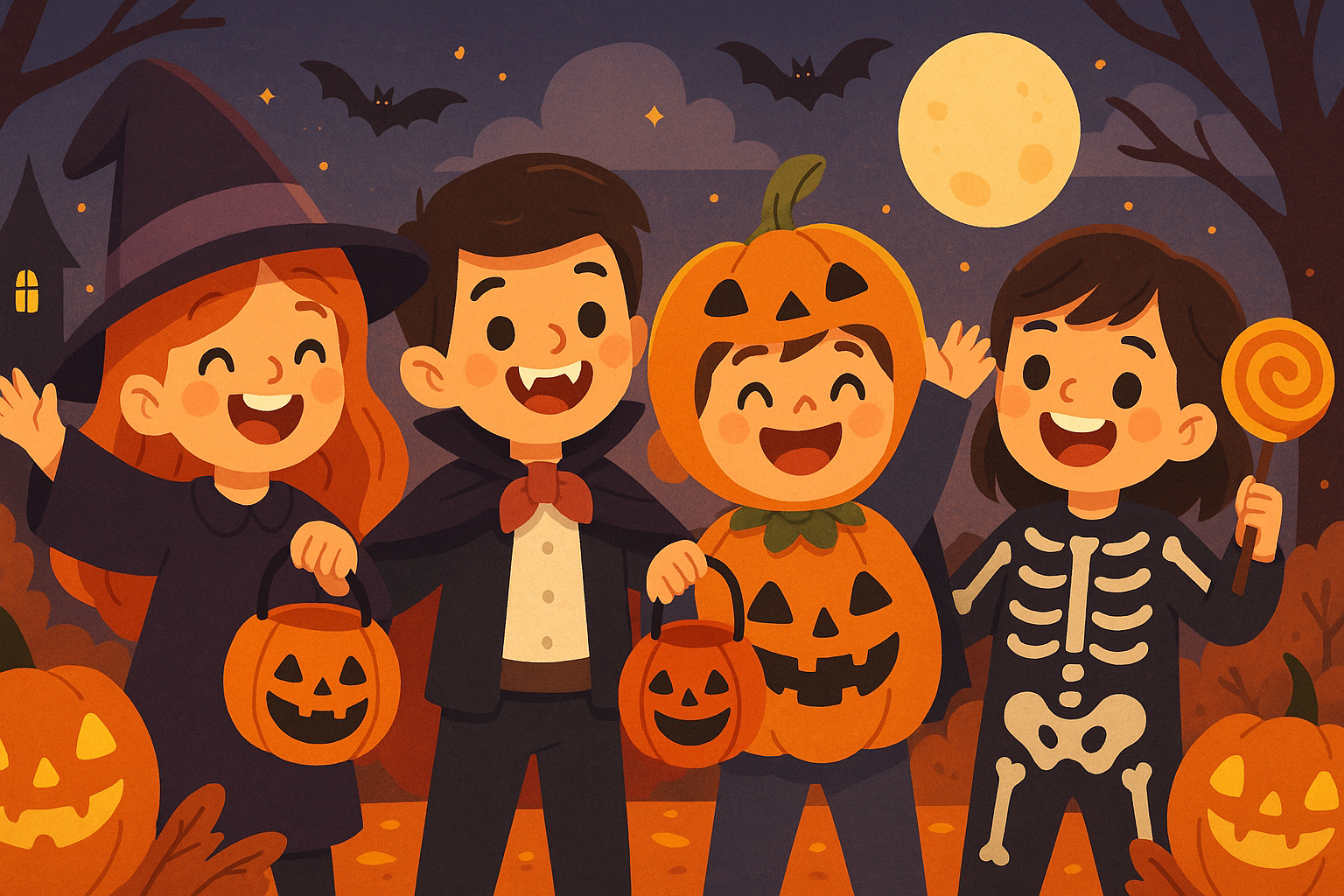
The porch light’s off, costumes are piled on a chair, and there’s a mountain of treats staring back at you. Post‑Halloween has a special vibe: quiet streets, candy rustle, and that mix of delight and “uh‑oh.” Good news: you don’t need to ban candy to feel good this week. With a few smart moves, you can enjoy the haul, keep energy steady, protect teeth, and get back to balanced eating without guilt.
The Best Time to Have Candy (Timing > Willpower)
Candy is mostly quick‑digesting sugar. If you eat it when you’re already hungry and your blood sugar is dipping, you’ll be tempted to eat more than you planned, then crash. A better approach is to anchor candy to meals or after active time. Having a small piece right after lunch or dinner means your stomach already contains protein, fat, and fiber, which slows the sugar spike and makes a mini portion feel satisfying. Similarly, enjoying a treat after active play or a workout fits within overall energy needs and can feel celebratory instead of mindless.
For families, choose one or two “treat windows” per day (e.g., after school and after dinner). Predictability takes the pressure off constant negotiations and helps kids learn that sweets have a time and place.
12 Practical Tips for Enjoying Candy and Feeling Great
- Start the day with fiber + protein A breakfast with oats or whole‑grain toast, eggs/Greek yogurt, and fruit steadies appetite hormones and reduces candy “urge” later. Fiber and protein help you feel full and keep energy stable.
- Portion by design, not by accident Make a small, visible plan: one or two fun‑size pieces after lunch, one after dinner. Put the day’s portion in a small bowl, then put the bag away. Out of sight, out of mind.
- Pair candy with a meal Eating candy with a balanced meal (rather than alone) slows absorption and is easier on teeth and blood sugar than grazing all afternoon. Finish the meal with water or tea.
- Mind your added‑sugar “budget” For most adults, aim to limit added sugars overall (AHA suggests ~36 g/day for most men and ~25 g/day for most women). Mini chocolates are typically 8-10 g per fun‑size; gummies vary. Skim labels so the day doesn’t run away from you.
- Hydrate like it’s your superpower Mild dehydration can masquerade as snack‑seeking. Keep water nearby; flavored seltzer or unsweetened tea works, too. Staying hydrated helps appetite and mood.
- Choose textures that satisfy quickly If chocolate truly scratches the itch in one square, choose that over candy that keeps you chewing by the handful. For kids, let them pick a “favorite five” to enjoy slowly rather than a random mix.
- Go teeth‑smart Sticky, long‑lasting candies (caramels, taffies, gummies) cling to teeth. If you or your kids love them, have them with a meal, then drink water and brush twice daily with fluoride toothpaste. Schedule floss time tonight, and your future self will thank you.
- Trade & share Set up a family “candy swap” or a donate bowl for flavors no one loves. Teachers, neighbors, or local drives may welcome unopened extras. Sharing reinforces that treats are abundant and generosity feels good.
- Add produce to every plate this week Simple rule: half the plate produce at lunch and dinner. Big salads, roasted vegetables, or a fruit‑plus‑veg snack plate (apples + carrots + hummus) maintain fiber and micronutrients while treats ebb and flow.
- Respect sensitive stomachs Some sugar alcohols (sorbitol, mannitol, xylitol) in “sugar‑free” candy can cause gas or cramping. If you’re new to them, go slow and note how you feel.
- Move a little, sleep a lot A short walk after dinner, stretching, or a fun family dance break helps mood and digestion. Prioritize regular sleep the week after Halloween since adequate sleep improves appetite control and reduces cravings.
- Create an end date Pick a weekend “wrap‑up” ritual: bake a small pan of candy‑chip blondies for a party, send a care package, or keep a few favorites and clear the rest. Rituals make closure feel positive.
Foods That Play Nice with Candy
Fiber‑rich sides: apples, pears, berries, carrots, cucumbers, leafy salads, roasted squash: fiber slows digestion and supports gut health.
Protein anchors: eggs, Greek yogurt, tofu, beans, fish, chicken, pairing protein with sweets improves satiety.
Healthy fats: nuts, seeds, avocado, olive oil: fats add staying power and make a small candy portion feel “enough.”
Beverages: water, sparkling water, or unsweetened tea: keep sugary drinks minimal so candy takes the spotlight, not the sugar load.
Kid‑Focused Tips
- Predictable treat windows reduce negotiating and help kids listen to hunger/fullness cues.
- Offer two choices (e.g., “one mini now or two minis after dinner”). Autonomy calms the novelty effect.
- Keep regular tooth‑brushing habits and a fluoride toothpaste in the routine.
- Frame candy as fun food, not forbidden food, curiosity fades when sweets aren’t constant off‑limits drama.
- Serve milk, yogurt, or cheese with sticky candies; the calcium + protein snack supports teeth and fullness (and replaces a sugar‑sweetened drink).
A Friendly Wrap: Keep the Magic, Skip the Slump
Halloween is about imagination and community and don’t let a sugar hangover steal that joy. Anchor sweets to meals or movement, keep portions simple and visible, add produce and protein to every plate, and care for teeth and sleep like the basics they are. You’ll slide back into routine feeling steady, and kids learn lifelong skills along the way.
Happy Halloween, and happy, healthy November!
References
- Added sugars & health guidance: American Heart Association, Added Sugars: https://www.heart.org/en/healthy-living/healthy-eating/eat-smart/sugar/added-sugars
- Dietary pattern basics (plate model, balance): Harvard T.H. Chan School of Public Health – Healthy Eating Plate: https://nutritionsource.hsph.harvard.edu/healthy-eating-plate/
- Physical activity for overall health: U.S. HHS – Physical Activity Guidelines: https://health.gov/our-work/nutrition-physical-activity/physical-activity-guidelines/current-guidelines
Note: The information provided should not replace professional medical advice.