Smart Healthy Eating During the Spring Equinox
Equinox science, global spring foods, six eating shifts, and five practical tips — welcome the season with fresher, plant-forward, balanced meals.
As winter loosens its grip and the days begin to stretch out again, many people feel a subtle shift in mood, appetite, and routine. The spring equinox has long marked a turning point in the year. It invites us to notice light returning, fresh foods reappearing, and the possibility of starting again with a little more energy and intention.
But what does the spring equinox actually mean, and how can it shape the way we eat? More importantly, how can we use this seasonal moment to support our health in a realistic, balanced way?
What the Spring Equinox Means
The spring equinox, also called the vernal equinox, is the moment when the center of the Sun crosses the plane of Earth’s equator. It happens in March and marks the astronomical beginning of spring in the Northern Hemisphere and autumn in the Southern Hemisphere. NASA explains that at the equinox, neither hemisphere is tilted toward or away from the Sun, and day and night are nearly equal in length. NOAA also notes that the word “equinox” comes from Latin words meaning “equal night,” although because of atmospheric refraction and the way sunrise and sunset are measured, day and night are not exactly equal everywhere.
That scientific explanation may sound distant from everyday life, but the shift is something many people feel. More daylight often means people spend more time outdoors, feel more motivated to cook differently, and begin looking for lighter, fresher meals after a winter of heavier food.
The spring equinox has also carried cultural meaning for centuries. It is often associated with renewal, planting, balance, and the return of life. This is one reason seasonal eating around this time tends to emphasize freshness, greens, herbs, and foods that feel alive and bright.
Seasonal Foods Around the World During the Spring Equinox
There is no single “spring equinox diet,” and what is available depends heavily on geography. March produce in California does not look the same as March produce in the upper Midwest, and spring in the Northern Hemisphere is different from autumn in the Southern Hemisphere. Still, there are broad seasonal patterns that show up around the world.
Persian New Year and fresh green foods
One of the best-known spring equinox traditions is Nowruz, the Persian New Year, which is celebrated at the spring equinox. Food traditions tied to Nowruz often emphasize herbs, sprouts, greens, fish, rice, yogurt, and symbolic foods that reflect renewal and abundance. Serious Eats describes the centrality of herbs, sabzeh (sprouted greens), and festive shared dishes in Nowruz celebrations.
From a nutrition perspective, this makes a lot of sense. Herbs and greens are rich in vitamin K, folate, and plant compounds, while fish and yogurt add protein and important minerals. A meal centered on herbs, grains, legumes, and some fish is both culturally meaningful and nutritionally sound.
East Asian spring eating and fresh greens
In several East Asian food traditions, early spring is associated with tender greens, shoots, herbs, and lighter broths. Although exact dishes vary, the seasonal instinct is similar: after colder months, people turn toward greener foods and fresher flavors.
European and North American spring produce
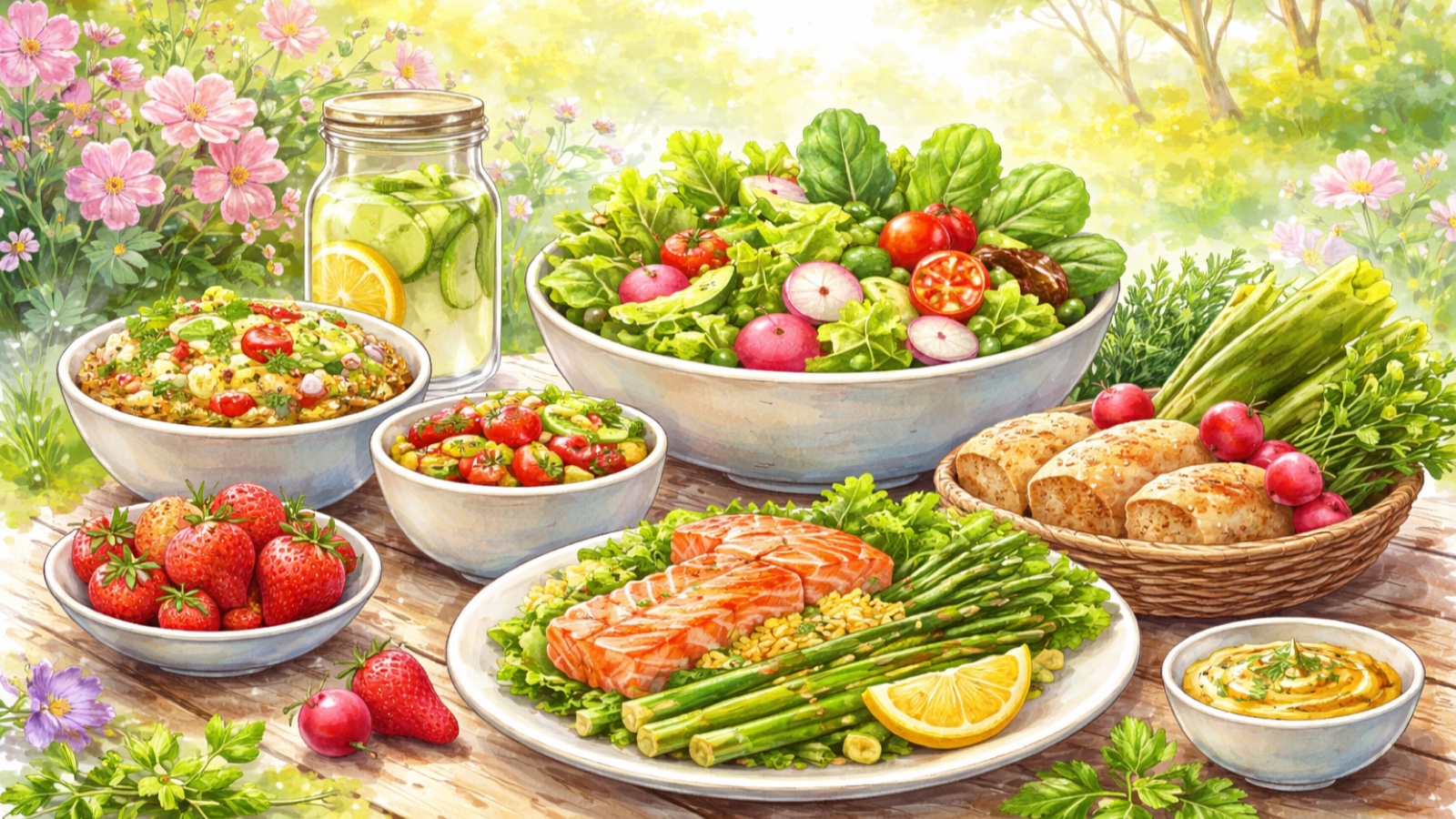
In much of Europe and North America, spring is associated with foods like:
- Asparagus
- Peas
- Spring onions
- Radishes
- Tender lettuces
- Spinach
- Early herbs
- Rhubarb in some regions
Oldways, which promotes traditional healthy eating patterns, highlights spring produce such as arugula, asparagus, beets, radishes, greens, peas, and fresh herbs in seasonal spring cooking.
These foods are often lower in energy density than many winter comfort foods, but they are packed with fiber, potassium, vitamin C, folate, and a range of phytonutrients.
Why seasonal foods matter nutritionally
Harvard’s Nutrition Source emphasizes that diets rich in vegetables and fruits lower the risk of heart disease and stroke, support digestive health, and can help with appetite regulation. Seasonal produce often tastes better and may be more affordable when it is abundant, which can make it easier to eat more of it.
So while spring foods vary around the world, a common theme emerges: more greens, more freshness, more color, and often more plant-forward meals.
How to Eat Healthy During the Spring Equinox
The spring equinox is not a command to do a radical cleanse or reset. A healthier and more sustainable approach is to gently shift your eating pattern to match the season.
1. Lighten meals without removing nourishment
Many people crave lighter foods in spring, but “lighter” should not mean weak, skimpy, or unsatisfying. The goal is to move from heavy winter meals toward meals that still provide enough protein, fiber, and healthy fats.
A useful guideline comes from Harvard’s Healthy Eating Plate: make half your plate vegetables and fruits, one quarter whole grains, and one quarter healthy protein. Use healthy oils in moderation and drink mostly water.
That can look like:
- Grain bowls with greens, beans, and roasted vegetables
- Fish or tofu with asparagus and brown rice
- Soups that still feel warm and comforting but use more spring vegetables and herbs
2. Keep some warmth in your meals
Spring weather can still be chilly and changeable. That is why it can be helpful to keep warm, cooked foods in the mix rather than switching immediately to only raw salads. Stir-fries, vegetable soups, braised greens, oatmeal with fruit, and warm grain bowls are all seasonally appropriate.
This is especially useful for people who feel bloated, tired, or chilled when they jump too quickly into a “cold-food-only” spring mindset.
3. Focus on vegetables and fruits that are actually in season near you
Rather than chasing every trend ingredient, look for what is naturally appearing in local markets. Depending on where you live, that might mean:
- Leafy greens
- Cabbage
- Citrus lingering from winter
- Spring onions
- Asparagus
- Herbs
- Radishes
- Peas
- Mushrooms
You do not need all of them. Even adding one or two seasonal vegetables to your weekly routine can refresh your meals and improve variety.
4. Use spring as a time to increase fiber gently
If winter meals have been heavier on refined grains, sweets, or rich comfort foods, spring is a good time to gradually bring fiber back up with:
- Beans and lentils
- Whole grains like oats, barley, and brown rice
- Fruits
- Vegetables
- Nuts and seeds
Fiber helps support gut health, satiety, and cardiometabolic health, but it is best increased gradually and paired with adequate fluid intake.
5. Hydrate more consciously as activity increases
Longer days often mean more outdoor walking, gardening, or spring sports. That makes hydration more important. Water should remain the main beverage, and foods with high water content, such as fruits, vegetables, soups, and cooked grains, can also help support hydration.
6. Respect the emotional side of spring eating
Spring can create pressure to “clean up” your diet, pursue a body transformation, or erase all winter comfort foods. That often leads to restrictive rules that do not last. A more balanced approach is to ask:
- What foods help me feel clear and energized right now?
- What winter habits do I want to keep, and what feels heavy or unnecessary?
- What fresh foods actually sound good to me this season?
The best spring eating pattern is the one that feels both health-supportive and realistic enough to continue.
Practical Tips for Eating Well Around the Spring Equinox
Here are some easy ways to put the season into practice:
Tip 1. Add one green thing per day
That could be spinach in eggs, herbs in soup, a side salad, sautéed greens, or peas in a grain bowl. Small consistency matters more than dramatic overhauls.
Tip 2. Keep winter staples, but pair them with spring produce
If you still love soups, stews, or roasted root vegetables, keep them. Just add a brighter spring ingredient like fresh herbs, lemon, greens, or asparagus.
Tip 3. Make one spring-forward meal each week
Examples:
- Lemon herb rice with peas and fish
- Pasta with greens, mushrooms, and white beans
- Yogurt bowl with berries, seeds, and oats
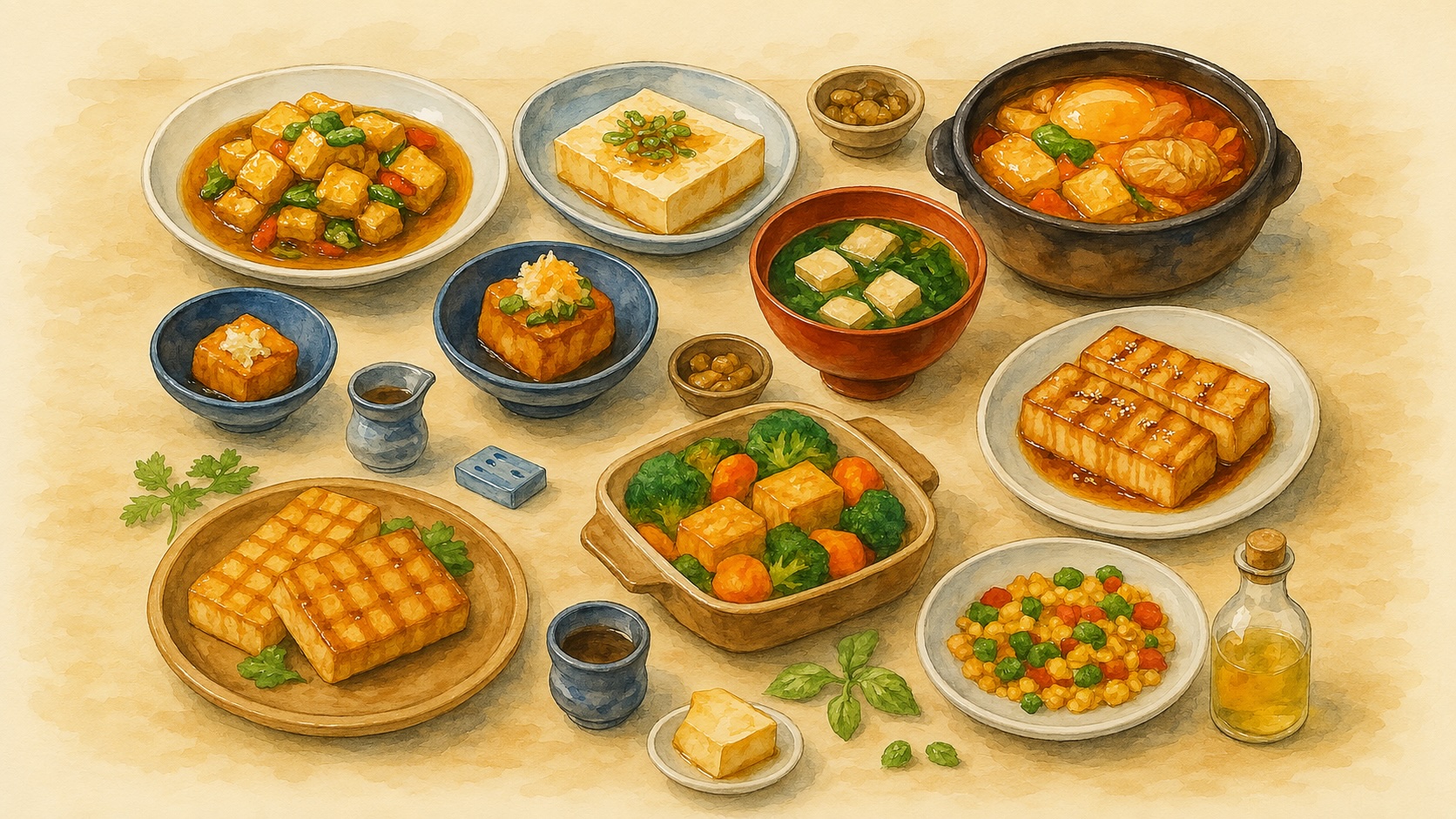
- Stir-fried spring vegetables with tofu
Tip 4. Shop seasonally when possible
Seasonal produce often offers better flavor and can be more cost-effective. This also makes healthy eating feel more natural and less forced.
Tip 5. Avoid “detox” thinking
Your body already has organs that detoxify: mainly the liver, kidneys, lungs, and gut. You do not need juice cleanses or severe restriction. What supports those systems is the same thing that supports overall health: a pattern rich in vegetables, fruits, legumes, whole grains, healthy fats, and enough fluid.
A Gentle Seasonal Summary
The spring equinox is, at its core, a marker of balance and transition. Scientifically, it marks the moment the Sun crosses Earth’s equator. Culturally, it often symbolizes renewal. Nutritionally, it can be a useful reminder to shift toward fresher, more colorful, more plant-forward eating patterns without abandoning comfort or common sense.
Healthy spring eating does not require perfection. It asks only that you notice the season, welcome some fresh foods back in, and let your meals become a little brighter, lighter, and more varied.
If you use the spring equinox as an invitation rather than a rule, it can become one of the most enjoyable moments of the year to reconnect with food that feels both delicious and genuinely good for you.
References
- NASA Night Sky Network. Embracing the Equinox. Published March 16, 2026. Available at: https://science.nasa.gov/solar-system/skywatching/night-sky-network/embracing-the-equinox/
- NOAA National Weather Service Cleveland. The Seasons, the Equinox, and the Solstices. Available at: https://www.weather.gov/cle/seasons
- Serious Eats. Celebrate Spring the Persian Way With Herb-Packed Eggs, Crispy-Bottomed Rice, and Sweets to Share. Published March 2026. Available at: https://www.seriouseats.com/how-to-celebrate-norooz-11927277
- Oldways. Which Fruits and Vegetables Are in Season in Spring? And Seasonal Spring Recipes Around the World. Published April 4, 2023. Available at: https://oldwayspt.org/blog/which-fruits-and-vegetables-are-season-spring-and-seasonal-spring-recipes-around-world/
- Harvard T.H. Chan School of Public Health, The Nutrition Source. Vegetables and Fruits. Available at: https://nutritionsource.hsph.harvard.edu/what-should-you-eat/vegetables-and-fruits/
- Harvard T.H. Chan School of Public Health, The Nutrition Source. Healthy Eating Plate. Available at: https://nutritionsource.hsph.harvard.edu/healthy-eating-plate/
Note: The information provided should not replace professional medical advice.