Autumn Eating for a Calm, Comfortable Stomach: Foods, Habits, and Science-Backed Tips
As routines shift in autumn, heartier meals and seasonal treats can challenge digestion. Learn the foods and habits that keep your stomach calm and comfortable all season.

Do Any of These Feel Familiar as the Weather Cools?
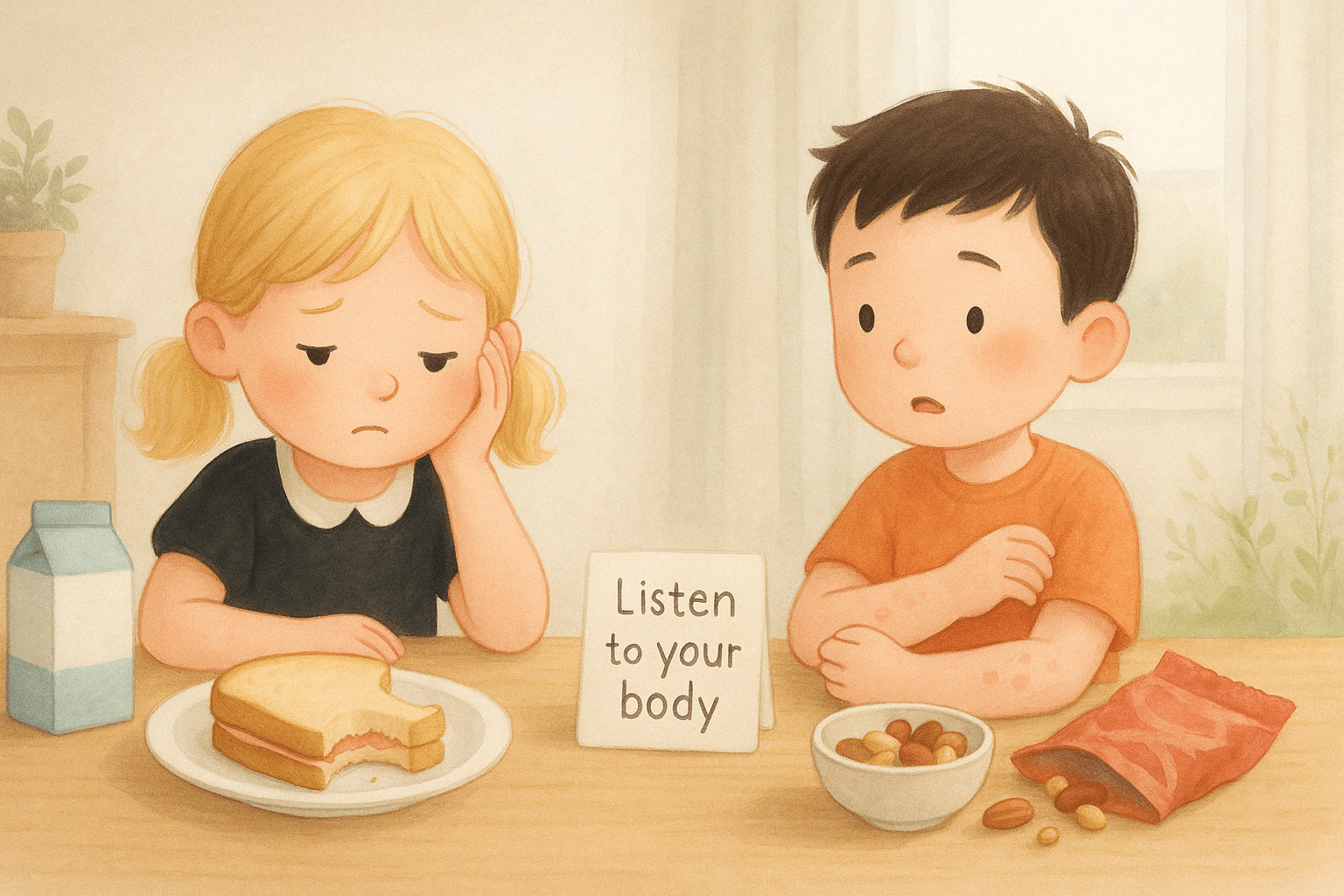
Heavy, uncomfortable fullness after meals? Burning in the chest or throat (heartburn)? Nausea on chilly mornings, or cramping after a big feast? Bloating or irregularity when the seasonal treats roll in? If you've felt any of these, you're not alone. As routines shift in autumn, heartier meals, holiday tasting, hotter drinks, our stomach and digestion can feel the change.
In this guide we'll (1) review common stomach symptoms and why they happen, (2) show how the right fall foods and daily habits can help, (3) offer practical, seasonal food-and-lifestyle tips, and (4) wrap with reliable sources to explore more.
Why Your Stomach Acts Up: Common Causes Behind the Symptoms
- Overeating and richer foods. Large portions, higher fat, and late-night eating slow stomach emptying and can aggravate reflux (acid backing up into the esophagus).
- Irritants. Spicy, very acidic, alcohol, and excess caffeine can irritate the esophagus or stomach lining and worsen burning or nausea.
- Meal timing and posture. Lying down soon after eating, or slouching through long desk sessions, can promote reflux.
- Stress and sleep shifts. Stress ramps up gut sensitivity; short or irregular sleep is linked with more reflux and discomfort.
- Individual sensitivities. Lactose intolerance, FODMAP sensitivities (certain fermentable carbs), or specific food triggers can cause bloating and cramps.
- Persistent, severe, or alarm symptoms (unintentional weight loss, trouble swallowing, vomiting blood/black stools, anemia) require prompt medical evaluation.
The Good News: Seasonal Foods and Small Habits Can Help
A stomach-friendly approach emphasizes warm, gently cooked, fiber‑smart, and not-too-fatty foods, steady hydration, and unhurried meals. Autumn produce is tailor‑made for this: squash, pumpkins, sweet potatoes, apples, pears, carrots, oats. They are comforting, soluble‑fiber‑rich, and easy to digest when cooked.
Soluble fiber (think oats, cooked apples/pears, winter squash) forms a soothing gel that can help normalize digestion and support regularity. Ginger and peppermint (if reflux isn't an issue) can ease queasiness. Spacing meals and finishing dinner a few hours before bed reduce nighttime burning. These are simple, evidence‑aligned habits that add up.
Autumn Foods That Tend to Soothe
- Oats and warm porridges. Oats are rich in soluble fiber (beta‑glucan), which forms a gentle gel in the gut and can be easier on sensitive stomachs. Try cinnamon‑oat porridge with stewed apples and a spoon of yogurt.
- Pumpkin & winter squash (butternut, kabocha, acorn). Soft textures and soluble fiber make them comfortable choices. Roast until tender, then mash into soups or risottos with olive oil.
- Sweet potatoes & carrots. Naturally sweet, easy to digest when cooked, and rich in carotenoids. Bake or steam; serve with a bit of olive oil to support absorption of fat‑soluble antioxidants.
- Apples & pears (stewed or baked). Cooking softens fiber and reduces acidity, making these classics gentler. Make a no‑sugar stewed apple/pear compote with a pinch of ginger.
- Bananas. Mild flavor and soft texture make bananas a steady stomach friend; they're convenient in the transition from queasy to normal eating.
- Ginger. Multiple clinical studies support ginger for nausea (pregnancy, motion). Simmer fresh slices into tea; add grated ginger to soups or stewed fruit.
- Plain yogurt or kefir (if tolerated). Live cultures can support a balanced gut microbiome; choose plain, unsweetened, and consider lactose‑free if sensitive. Stir into warm (not hot) soups or serve alongside porridge.
- Lean proteins (poached chicken, tofu, white fish, eggs). Gentle cooking methods (poaching, steaming, baking) keep meals lighter and reduce reflux risk compared with fried foods.
- Broths & blended soups. Warm liquids are soothing, aid hydration, and make vegetables easier to tolerate. Think ginger‑carrot, pumpkin‑white bean, or chicken‑rice soup.
- Herbal teas. Chamomile or ginger can be calming; peppermint helps some people but can worsen reflux in others (test your response).
Tip: Prioritize warm, soft, and simple when your stomach feels off; re‑introduce variety as comfort returns.
Foods & Habits to Treat Gently
- Very spicy, very acidic, or heavily fried foods. These commonly aggravate burning and nausea.
- Large late dinners; lying down right after eating. Both raise reflux likelihood.
- Excess coffee, chocolate, alcohol, and carbonated drinks. Can lower esophageal sphincter tone or irritate the lining in some people.
- Tough raw salads during a flare. Raw crucifers and alliums can be gassy for some; try sautéed/roasted versions instead.
Practical Autumn Tips: Food & Lifestyle for a Happier Stomach
1) Downsize plates, upsize pace. Smaller portions eaten slowly reduce pressure on the stomach and help you notice fullness cues.
2) Cook it soft. Roasting, steaming, simmering, or blending generally makes fall produce kinder to the gut than raw.
3) Go soluble‑fiber first. Start the day with oats, stewed fruit, or pumpkin porridge to set a calm tone.
4) Spice wisely. Favor ginger, cinnamon, and turmeric over hot chiles when you're sensitive.
5) Time the last bite. Finish dinner 2-3 hours before bed; elevate the head of your bed or use extra pillows if nighttime burning occurs.
6) Sit tall, walk a little. Good posture after meals and a brief 10-15 minute walk help digestion and may reduce reflux.
7) Sip warm, not scalding. Extremely hot drinks can irritate; choose warm water or herbal teas.
8) Mind caffeine and bubbles. Try half‑caf, smaller mugs, or swap an afternoon coffee for ginger or chamomile tea; limit fizzy drinks during flares.
9) Alcohol modestly (or not at all) during sensitive periods. Alcohol can worsen symptoms for many.
10) Map your triggers. Keep a 1-2 week note of meals, symptoms, stress, and sleep; patterns often reveal actionable tweaks.
11) Sleep and stress count. Aim for regular sleep and brief stress‑downshifts (breathing, stretch, a short outdoor walk). Both influence gut sensitivity and reflux.
12) Consider lactose/FODMAPs if symptoms persist. If bloating or cramps continue, ask a clinician or dietitian about testing lactose intolerance or trialing a structured low‑FODMAP approach short‑term.
A Cozy Autumn Day Sample Menu
- Breakfast: Cinnamon‑oat porridge topped with stewed apples/pears and a spoonful of plain yogurt; warm ginger tea.
- Lunch: Pumpkin‑white bean blended soup, olive‑oil toast, side of roasted carrots.
- Snack: Banana with a small handful of almonds (or lactose‑free kefir smoothie with banana and oats).
- Dinner: Baked white fish (or tofu) with mashed sweet potato and sautéed spinach; chamomile tea later in the evening.
Wrap‑Up: Gentle Food, Gentle Habits, Gentler Autumn
Your stomach can thrive in autumn with warm, softly cooked, fiber‑smart foods; unhurried, smaller meals; and simple routines: an early dinner, a short post‑meal walk, and soothing ginger or chamomile. Start with one or two changes, notice how you feel, and build from there. If symptoms persist or escalate, partner with your clinician for personalized guidance.
References
- National Institute of Diabetes and Digestive and Kidney Diseases (NIDDK). "Indigestion (Dyspepsia)." https://www.niddk.nih.gov/health-information/digestive-diseases/indigestion-dyspepsia
- NIDDK. "Symptoms & Causes of GER & GERD in Adults." https://www.niddk.nih.gov/health-information/digestive-diseases/acid-reflux-ger-gerd-adults/symptoms-causes
- National Center for Complementary and Integrative Health (NCCIH). "Ginger." https://www.nccih.nih.gov/health/ginger
- NCCIH. "Chamomile: In Depth." https://www.nccih.nih.gov/health/chamomile
- Harvard T.H. Chan School of Public Health. "Fiber." https://www.hsph.harvard.edu/nutritionsource/carbohydrates/fiber/
Note: The information provided should not replace professional medical advice.