Eat Better, Feel Better: Your Guide to Losing Weight, Sleeping Well, and Staying Fit with a Healthy Diet
A healthy diet is more than a passing trend. Learn what it truly means, explore its powerful benefits, and discover practical tips to make smarter food choices every day.

Are you aiming to lose weight, improve your skin, or wake up feeling truly refreshed? If you're sleeping plenty but still feel tired, or if you're simply curious about how diet influences your overall well-being, you're in the right place. You're not alone. It all starts with what you put on your plate. A healthy diet is more than just a passing trend—it's a sustainable approach to eating that fuels your body and supports long-term wellness. In this article, we'll break down what a healthy diet truly means, explore its powerful benefits, and share practical, easy-to-follow tips to help you make smarter food choices every day.
What Is a Healthy Diet?
At its core, a healthy diet provides the essential nutrients your body needs to function optimally. This includes a balanced intake of macronutrients—carbohydrates, proteins, and fats—and micronutrients like vitamins and minerals. The goal is to consume these nutrients in appropriate proportions to support energy needs, physiological processes, and overall well-being. (pmc.ncbi.nlm.nih.gov)
A healthy diet emphasizes whole, minimally processed foods:
- Fruits and Vegetables: Rich in vitamins, minerals, and fiber, these should form a significant part of your meals.
- Whole Grains: Options like brown rice, quinoa, and whole-wheat bread provide sustained energy and fiber.
- Lean Proteins: Sources such as fish, poultry, legumes, and nuts support muscle maintenance and repair.
- Healthy Fats: Incorporate unsaturated fats from sources like olive oil, avocados, and fatty fish.
Conversely, it's advisable to limit foods high in added sugars, saturated and trans fats, and excessive sodium, as these can contribute to various health issues when consumed in excess. (en.wikipedia.org)
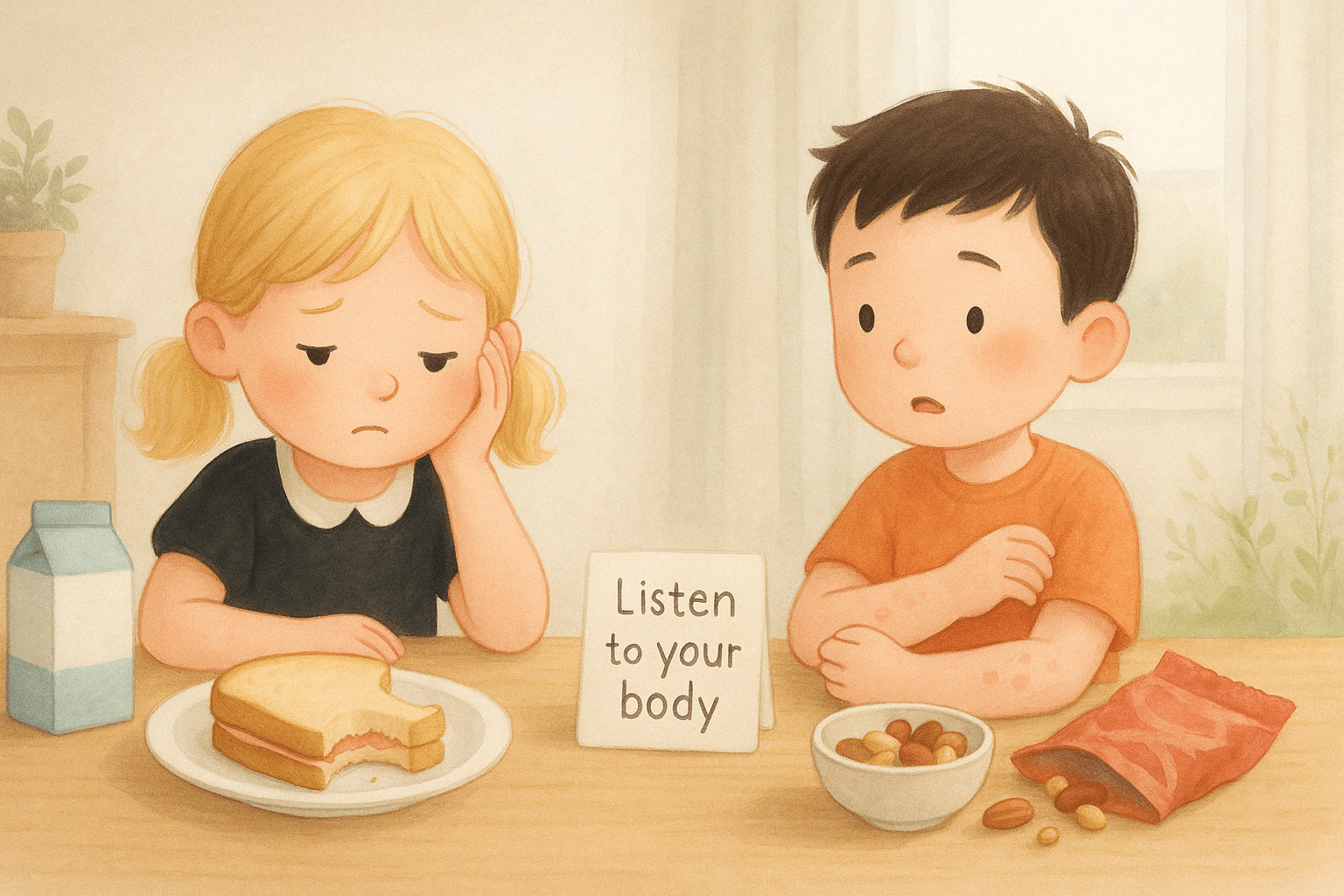
It's also important to remember that there's no one-size-fits-all approach to healthy eating. Each individual's nutritional needs and responses to certain foods can vary based on genetics, lifestyle, health conditions, and even preferences. Tuning into how your body feels after different meals—whether it's more energized, sluggish, bloated, or satisfied—can offer valuable insight. Over time, learning to observe these patterns can help you make more personalized, nourishing choices that suit your unique body and lifestyle.
The Benefits of a Healthy Diet
Adopting a healthy diet yields a wide range of benefits that align perfectly with your goals to lose weight, sleep better, and maintain a fit lifestyle:
- Weight Loss and Management: A well-balanced diet naturally supports weight loss by reducing cravings, balancing blood sugar levels, and promoting satiety with nutrient-dense foods.
- Improved Sleep Quality: Nutrients like magnesium, tryptophan, and B vitamins found in leafy greens, nuts, and whole grains can help regulate sleep patterns and promote more restful nights.
- Enhanced Physical Fitness: Eating enough protein, healthy fats, and complex carbohydrates fuels your workouts and supports muscle recovery and endurance.
- Increased Energy Levels: Balanced meals provide steady energy throughout the day, helping you stay productive and focused.
- Better Mood and Mental Clarity: A nutrient-rich diet can reduce brain fog, support neurotransmitter balance, and stabilize mood.
- Digestive Health: High-fiber foods such as fruits, vegetables, and whole grains support digestion and contribute to a healthier gut microbiome.
- Chronic Disease Prevention: A nutrient-rich diet can reduce the risk of developing conditions such as heart disease, type 2 diabetes, and some cancers. (pmc.ncbi.nlm.nih.gov)
Why Prioritize a Healthy Diet?
If you've ever felt stuck in a cycle of fatigue, stubborn weight gain, restless nights, or sluggish mornings, you're not alone—and you're not doing anything wrong. These are common signals from your body asking for better support. A healthy diet isn't about chasing perfection or giving up everything you love. It's about building a way of eating that supports how you want to feel, move, and live every day.
Choosing to prioritize a healthy diet is one of the most empowering things you can do for yourself. It has the potential to transform not just your physical health, but also your mindset, your routines, and your relationship with food. You'll start to notice how the right foods help you feel more focused at work, recover better after exercise, or finally get the quality sleep you've been missing.
And the best part? It doesn't have to be overwhelming. Small, consistent choices can create meaningful change. Whether it's swapping soda for water or adding one more vegetable to your plate, each step matters. Over time, those changes add up—and you begin to feel the difference. Your energy shifts. Your confidence grows. Your habits evolve.
Prioritizing a healthy diet also sets a ripple effect in motion. The people around you—family, friends, co-workers—see and feel your progress, and it can inspire healthier habits within your circle. It's not just about living longer—it's about living better, with more clarity, vitality, and joy.
Practical Tips to Adopt a Healthy Diet
Transitioning to a healthier diet doesn't have to be overwhelming. Here are some approachable strategies to help you get started:
- Start Small: Begin by making minor adjustments, such as incorporating an extra serving of vegetables into your meals or choosing whole-grain options over refined grains.
- Plan Your Meals: Planning meals in advance can help ensure balanced nutrition and reduce the temptation of unhealthy choices.
- Cook at Home: Preparing meals at home allows you to control ingredients and cooking methods, leading to healthier outcomes.
- Stay Hydrated: Opt for water over sugary beverages to maintain hydration without added calories.
- Practice Mindful Eating: Pay attention to your body's hunger and fullness cues to avoid overeating.
- Limit Processed Foods: Reduce the intake of processed and packaged foods, which often contain high levels of added sugars, unhealthy fats, and sodium.
- Seek Professional Guidance: Consulting with a registered dietitian or nutritionist can provide personalized advice tailored to your individual needs and goals.
Scenarios to Illustrate Healthy Eating
To make these tips more tangible, let's consider a few everyday scenarios:
- Busy Professional: If time is limited, consider preparing simple, healthy meals like overnight oats with fruits for breakfast or a quinoa salad with mixed vegetables for lunch.
- Family with Children: Involve children in meal preparation to encourage interest in healthy foods. Create colorful plates with a variety of vegetables and lean proteins to make meals appealing.
- College Student: Stock up on healthy snacks like nuts, yogurt, and fresh fruits to avoid the temptation of vending machine options during late-night study sessions.
- Older Adult: Choose softer, nutrient-dense foods that are easy to chew and digest, like steamed vegetables, oatmeal, and smoothies.
- Frequent Traveler: Pack healthy snacks like trail mix, dried fruit, or protein bars, and research local grocery options to avoid relying solely on restaurant meals.
- Budget-Conscious Eater: Buy seasonal produce, plan meals around sales, and cook in batches to reduce costs while still eating nutritiously.
Conclusion
Embracing a healthy diet is a rewarding endeavor that positively impacts nearly every aspect of your life. By understanding what constitutes healthy eating, recognizing its myriad benefits, and implementing practical strategies, you can make informed choices that promote long-term health and well-being. Remember, the journey to healthier eating is a gradual process—be patient with yourself and celebrate small victories along the way.
References
- U.S. Department of Health and Human Services and U.S. Department of Agriculture. 2020–2025 Dietary Guidelines for Americans. 9th Edition. https://www.dietaryguidelines.gov
- National Institutes of Health. Nutrition: What You Need to Know. https://www.nhlbi.nih.gov/health-topics/nutrition
- Harvard T.H. Chan School of Public Health. The Nutrition Source. https://www.hsph.harvard.edu/nutritionsource/
- PubMed Central. The Importance of a Healthy Diet. https://www.ncbi.nlm.nih.gov/pmc/articles/PMC7071223
- Academy of Nutrition and Dietetics. Eatright.org. https://www.eatright.org/
- World Health Organization. Healthy diet factsheet. https://www.who.int/news-room/fact-sheets/detail/healthy-diet
Note: The information provided should not replace professional medical advice.