That Headache or Rash Might Not Be Random: Could It Be a Hidden Food Allergy?
Ever feel bloated, foggy, or itchy after eating—but not sure why? This guide breaks down food allergy symptoms, triggers, and how to take control of your plate with confidence.
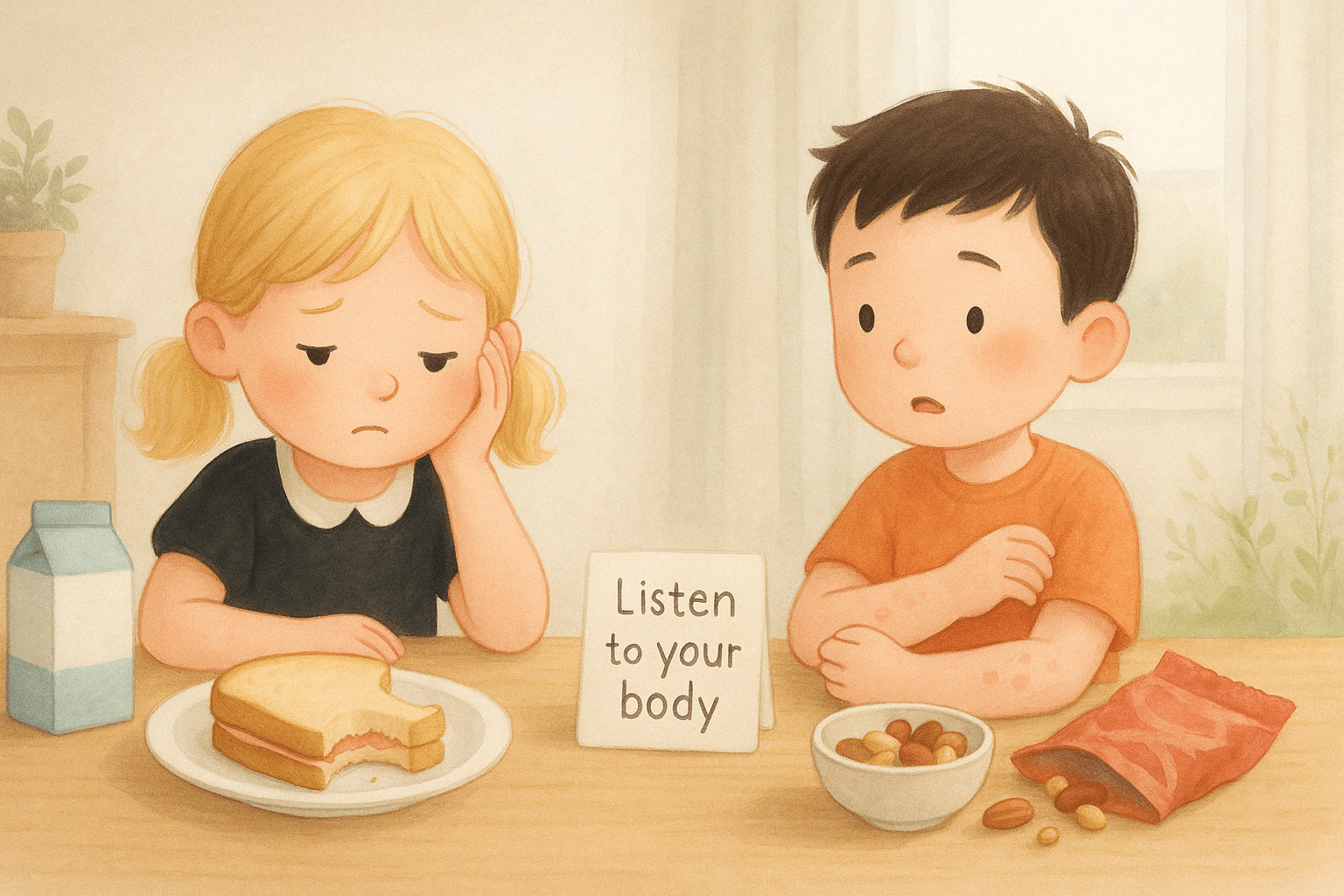
Have you ever eaten a perfectly normal meal, only to feel off for hours, or even days afterward? Maybe it's a headache that won't go away, an itch you can't explain, or a foggy feeling that makes you wonder if your food is trying to tell you something. And what about that friend who breaks into hives from a simple snack or avoids entire food groups for reasons you don't fully understand? The truth is: food allergies and sensitivities are far more complex and common than many people realize.
This article will guide you through the wide range of symptoms allergies can cause, including the sneaky chronic ones you might not associate with food at all. We'll also show you what happens when foods interact, what to watch for, and how to take control of your plate with confidence. If you've ever wanted to understand your body better or help someone else navigate confusing reactions, this is the place to start. Don't miss our detailed symptom chart later on, it could be the key to solving a mystery your body has been trying to tell you for years.
What Are Food Allergies?
From a child breaking into hives after a peanut butter sandwich to an adult feeling groggy for days after a sushi dinner, real-world examples of food allergy reactions are more common than you might think. A woman may find herself developing migraines after a wine and cheese party, while a teenager might discover itchy skin after switching to soy milk. Some of these reactions are immediate, while others quietly build up over time, making it harder to pinpoint the cause.
Food allergies occur when the immune system mistakenly identifies a harmless food protein as a threat. This triggers a defensive response, releasing chemicals like histamine that cause symptoms. Unlike food intolerances (which affect digestion but not the immune system), true allergies can be acute or chronic and involve multiple systems of the body.
Acute Allergy Symptoms
- Hives, itching, or skin rashes
- Swelling of the lips, tongue, or throat
- Wheezing, difficulty breathing
- Abdominal cramps, vomiting, or diarrhea
- Anaphylaxis, a severe, life-threatening reaction that requires immediate medical attention
Chronic or Delayed Symptoms
- Eczema or chronic skin issues
- Persistent nasal congestion or sinus infections
- Ongoing digestive problems
- Brain fog, fatigue, or mood swings
Why Do Reactions Differ?
So why do some food allergies cause sudden, dramatic symptoms while others quietly affect your body over time? The difference lies in how your immune system and gut respond. Acute reactions typically involve a strong, immediate immune response, often driven by IgE antibodies, that releases histamine and causes noticeable symptoms like swelling, rashes, or breathing issues. Chronic or delayed symptoms may be the result of less obvious immune mechanisms, including non-IgE responses or inflammatory effects that build gradually. These responses can affect different body systems over time, making them harder to detect and often misdiagnosed. Genetic predisposition, gut health, and repeated exposure can all influence how your body reacts.
Common Food Triggers
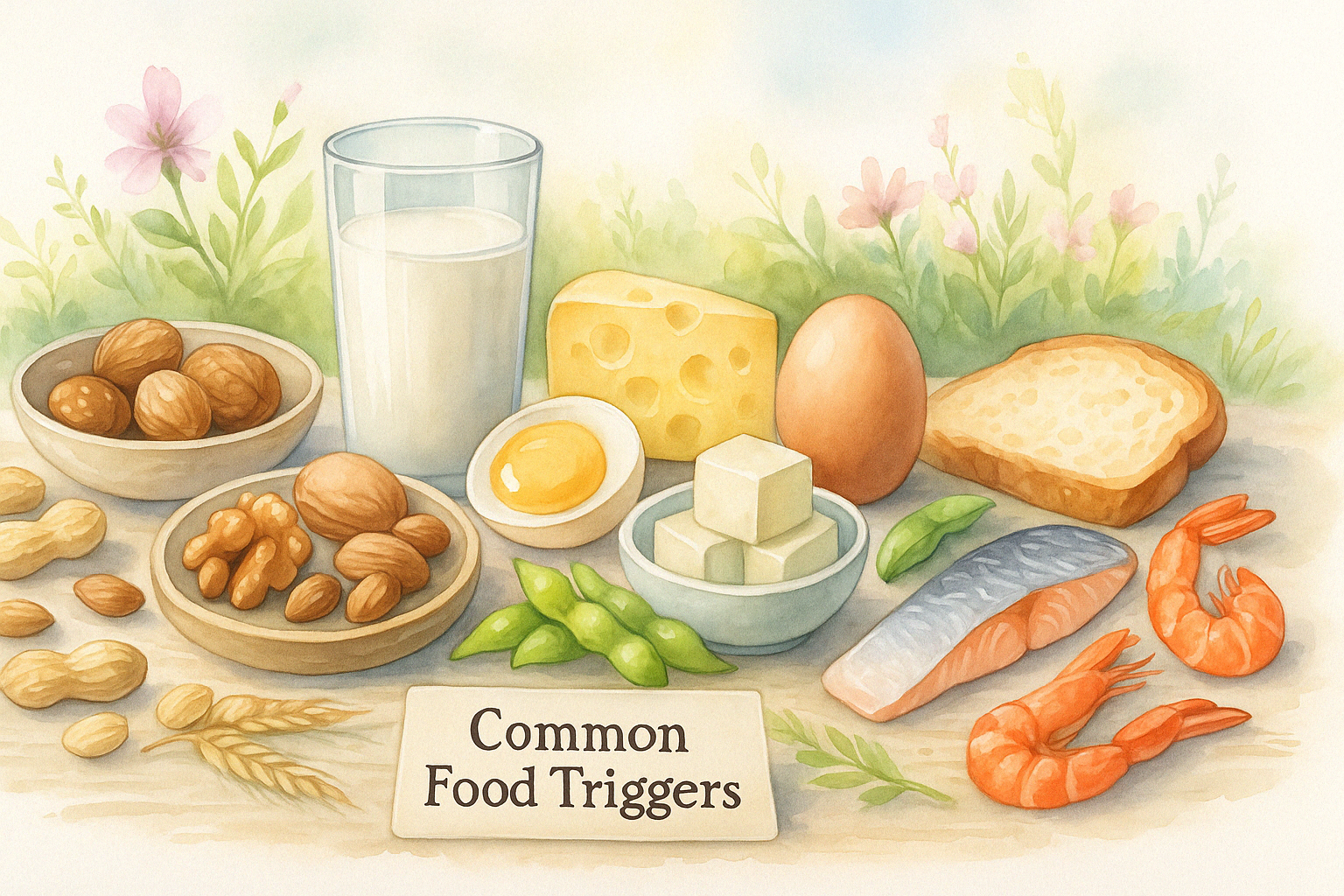
According to the CDC and major allergy organizations, the most common food allergens include:
- Peanuts – The allergenic proteins in peanuts are particularly stable, making them more likely to trigger severe reactions. Cross-reactivity with other legumes (like soy or lentils) is possible, though not guaranteed.
- Tree nuts (almonds, cashews, walnuts) – Contain specific proteins that the immune system may mistake as harmful. Those with a walnut allergy may also react to pecans due to similar protein structures.
- Milk and dairy – The primary trigger is casein or whey protein. Individuals with a milk allergy may also experience issues with goat's milk or sheep's milk.
- Eggs – The allergens are most commonly found in egg whites, though yolks can occasionally be problematic. Cross-reactivity may occur with vaccines grown in egg cultures.
- Wheat (gluten-containing grains) – Gluten, a protein in wheat, can trigger both allergies and autoimmune conditions like celiac disease. Barley and rye may also need to be avoided.
- Soy – Contains several allergenic proteins. People allergic to soy may also need to avoid edamame, soy lecithin, and processed foods containing soy derivatives.
- Fish – Parvalbumin is the major allergen in fish. Reactions may vary between fish types, so someone allergic to cod may tolerate salmon.
- Shellfish – Tropomyosin is a common allergenic protein in shellfish like shrimp and crab. Even inhaling steam from cooking shellfish can cause reactions.
Other potential triggers include sesame seeds (often used in breads and hummus), corn, and nightshades like tomatoes and bell peppers. Some individuals may also react to natural food compounds like sulfites or salicylates.
Food Pairings That May Trigger Reactions
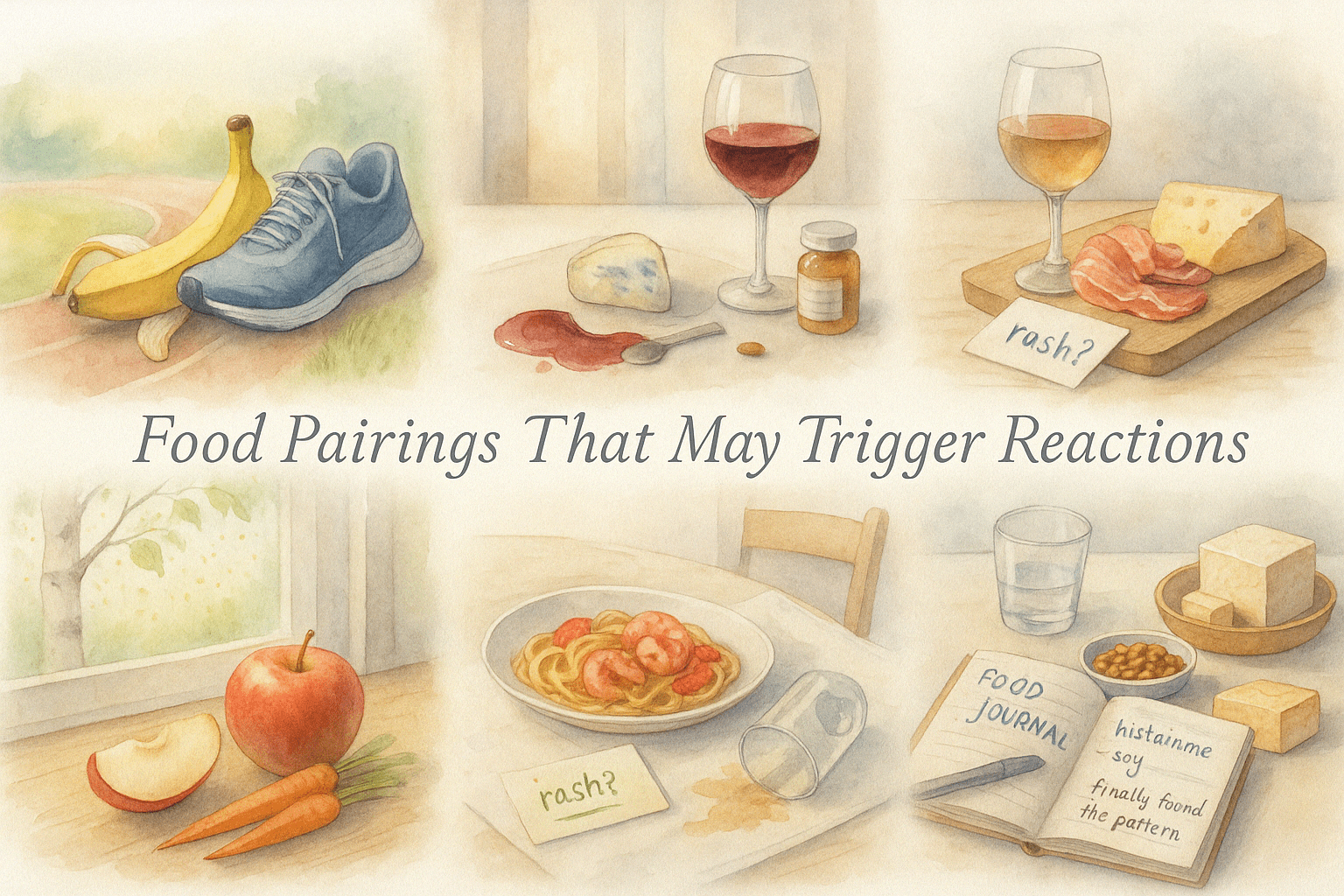
You might be surprised to learn that certain food combinations can increase the chance or severity of a reaction:
- Fruit + Exercise: Some people tolerate fruit fine, until they go for a jog. The pairing can trigger allergic symptoms.
- Alcohol + Allergens: Alcohol may enhance gut permeability and immune response, worsening reactions.
- High-Histamine Foods Together: Pairing aged cheese, wine, and cured meats can lead to histamine overload, mimicking allergy symptoms.
- Cross-Reactivity: People allergic to birch pollen might react to apples or carrots due to similar proteins, which is known as a phenomenon called oral allergy syndrome.
- A 7-year-old in a California elementary school experienced swelling and hives after a peanut butter snack brought in by another student. This led to stricter lunchroom protocols and the adoption of nut-free zones. Reactions like these often begin in childhood and can be triggered by trace exposure.
- Shellfish Reactions in Adults: A man in his 40s developed sudden throat tightness and chest discomfort after eating shrimp at a dinner party, despite never having issues in his younger years. Shellfish is one of the most common allergens acquired in adulthood, and reactions can become more severe over time.
- Mild Milk Allergies in Children: A toddler frequently showed eczema flare-ups and digestion issues after consuming formula. Upon further testing, a mild allergy to milk protein was confirmed. The condition improved when dairy was replaced with suitable alternatives.
- Chronic Mystery Symptoms: A woman in her 30s dealt with bloating, fatigue, and brain fog for years. After keeping a food journal and consulting an allergist, she discovered a sensitivity to soy and histamine-rich foods. Removing them from her diet led to significant improvements—an example of how chronic food-related issues can fly under the radar.
- Hidden Allergens in Cross-Reactions: A college student allergic to birch pollen developed itchy lips when eating raw apples and carrots. This common condition, known as oral allergy syndrome, is a cross-reaction caused by similar protein structures in certain foods and pollens.
Symptom and Reaction Summary
To help you stay alert and informed, here are helpful tools to visualize symptoms and reactions:
Allergy Symptom Chart
| Symptom Type | Acute Reaction | Chronic Reaction |
|---|---|---|
| Skin | Hives, itching, redness | Eczema, dryness, recurring rashes |
| Respiratory | Wheezing, coughing, shortness of breath | Nasal congestion, chronic sinusitis |
| Digestive | Vomiting, diarrhea, cramps | Bloating, irregular bowel movements |
| Neurological | Dizziness, lightheadedness | Brain fog, fatigue, headaches |
| Cardiovascular | Rapid heartbeat, low blood pressure | Mild palpitations, chronic fatigue |
| Musculoskeletal | Joint pain, muscle tightness | Persistent soreness, stiffness |
| Eyes | Swelling, itching, tearing | Dry eyes, redness |
| Ears | Popping, fullness, itching | Ear infections, pressure changes |
| Mental/Behavioral | Panic, confusion, irritability | Mood swings, anxiety, attention issues |
| Mouth/Throat | Tingling, swelling, difficulty swallowing | Dry mouth, persistent soreness |
Final Thoughts
Being aware of how your body responds to food is a powerful step toward better health. You don't need to live in fear of what's on your plate, but learning to listen, observe, and act wisely can help you eat confidently and comfortably. Food is meant to nourish, not worry you, and with the right knowledge, it can do exactly that.
References
- U.S. Centers for Disease Control and Prevention (CDC): Food Allergies
- American College of Allergy, Asthma & Immunology: Common Food Allergies: https://acaai.org/allergies/allergic-conditions/food/
- Mayo Clinic: Food Allergy Symptoms & Causes: https://www.mayoclinic.org/diseases-conditions/food-allergy/symptoms-causes/syc-20355095
- National Institute of Allergy and Infectious Diseases (NIAID): Guidelines for the Diagnosis and Management of Food Allergy: https://www.niaid.nih.gov/diseases-conditions/food-allergy
- Food Allergy Research & Education (FARE): https://www.foodallergy.org/
Note: The information provided should not replace professional medical advice.