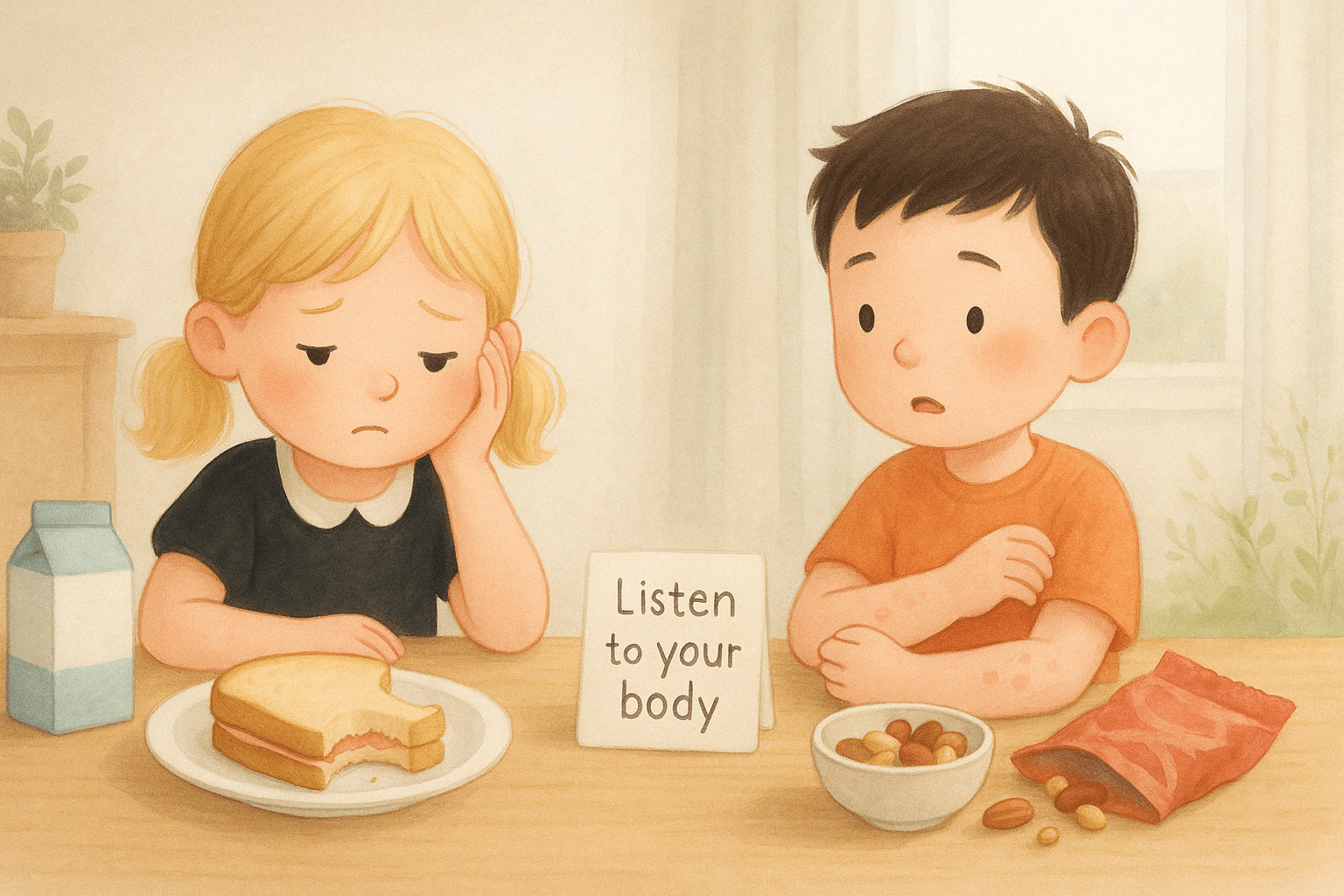
Food That Helps You Sleep: A Friendly Guide to Eating for Better Rest
What you eat during the day and in the evening can influence how easily you fall asleep and how rested you feel. Here's what science says about food and sleep.

Did You Sleep Well Last Night?
Did you wake up feeling refreshed this morning, or did you spend part of the night tossing, turning, and checking the clock? Many people think of sleep as something controlled only by stress, schedules, or bedtime habits. Those factors absolutely matter, but food matters too. What you eat during the day, what you choose in the evening, and even how close you eat to bedtime can influence how easily you fall asleep, how often you wake up, and how rested you feel the next day.
That does not mean there is one magic food that instantly cures insomnia. Sleep is complex. But science does show that certain nutrients and eating patterns may support better sleep, while others may quietly work against it. If you live with sleep problems, frequent late-night wakeups, or morning fatigue, paying attention to food is a smart and gentle place to start.
Why Food Can Affect Sleep
Sleep is closely tied to the body's internal clock, known as the circadian rhythm. This system helps regulate when you feel alert and when you feel sleepy. Food interacts with this system through hormones, blood sugar levels, digestion, and brain chemistry.
For example, meals that are very sugary or unbalanced can cause blood sugar to rise quickly and then fall, which may leave you restless, hungry, or uncomfortable later. Heavy meals too close to bedtime can lead to indigestion or reflux. On the other hand, foods that provide steady energy, gentle amounts of protein, and certain nutrients such as magnesium or tryptophan may help the body settle into a calmer state.
This is why food should be thought of as part of the sleep routine. It does not replace good sleep habits, but it can support them. If your bedtime routine is strong but your meals are erratic, overly processed, or very late, your body may still struggle to find restful sleep.
Foods to Be Careful About If You Have Sleep Problems
Before talking about foods to enjoy, it is helpful to look at foods and drinks that often make sleep harder.
1. Sugary Foods and Desserts
Many people reach for cookies, pastries, ice cream, or sugary cereal in the evening because they feel comforting. Unfortunately, they can create a quick spike in blood sugar followed by a drop later in the night. That pattern may leave you waking up hungry, restless, or sweating. High-sugar eating has also been linked with lighter, less restorative sleep.
2. Very Heavy or Fried Meals
Large portions of fried foods, rich takeout, or creamy meals late in the evening often sit heavily in the stomach. Your body is then trying to digest a difficult meal when it should be winding down. This can lead to bloating, discomfort, or reflux, all of which can interfere with sleep quality.
3. Caffeine Too Late in the Day
Coffee, energy drinks, strong tea, soda, and even chocolate can all contain enough caffeine to affect sleep, especially if consumed in the afternoon or evening. Some people are more sensitive than others, but many adults do better when caffeine is limited earlier in the day.
4. Alcohol Near Bedtime
Alcohol may make a person feel sleepy at first, but it often disrupts normal sleep architecture later in the night. Many people wake more often, sleep less deeply, or feel unrefreshed the next morning after drinking in the evening.
5. Spicy or Acidic Foods
These foods are not bad in general, but if you are prone to reflux or a burning sensation in the chest or throat, spicy or acidic meals late at night can worsen those symptoms and make it harder to sleep comfortably.
Foods to Enjoy for Better Sleep Support
These foods are not miracle cures, but they may support better sleep when used as part of a consistent routine.
1. Kiwi
Kiwi has become one of the most interesting fruits in sleep research. It contains antioxidants, serotonin-related compounds, and fiber. Some studies have found that eating kiwi in the evening may help with sleep onset and sleep duration. It is light, refreshing, and easy to eat without feeling heavy.
A simple way to enjoy it is to eat one or two kiwis after dinner or about an hour before bed. Pairing kiwi with a small source of protein, such as yogurt, may make the snack more satisfying.
2. Tart Cherries or Tart Cherry Juice
Tart cherries naturally contain melatonin and polyphenols. Melatonin helps regulate the sleep-wake cycle, while polyphenols may support recovery and inflammation balance. Tart cherry juice has been studied as a food-based option that may support sleep duration and quality in some adults.
A modest glass of tart cherry juice earlier in the evening can fit into a sleep-supportive routine. Choose unsweetened or low-added-sugar versions when possible.
3. Oats
Oats are warm, comforting, and rich in complex carbohydrates and fiber. They help create more stable energy compared with refined snacks and may make the body feel calm and steady at night. Oats also contain magnesium and small amounts of melatonin-related compounds.
A small bowl of oatmeal in the evening, especially if made with milk or fortified plant milk, can work well as a bedtime snack. Keep portions moderate and avoid overloading it with sugar.
4. Nuts, Especially Almonds and Walnuts
Nuts provide healthy fats, magnesium, and a bit of protein. Magnesium plays a role in muscle and nerve function and may support relaxation and sleep regulation. Walnuts also naturally contain melatonin.
A small handful of nuts after dinner can be a good sleep-friendly snack. The key is moderation, because large portions may feel too rich close to bedtime.
5. Yogurt or Kefir
Fermented dairy foods such as yogurt and kefir offer protein, calcium, and a calming snack texture that many people tolerate well in the evening. They also support gut health, and the gut is increasingly recognized as part of the sleep and mood connection.
Plain yogurt with fruit, or kefir blended into a light smoothie, can be a good option if you want something satisfying without heaviness.
6. Bananas
Bananas provide carbohydrates, potassium, and some magnesium. They are gentle on the stomach and easy to digest. Their natural sweetness can also satisfy the desire for dessert without creating the same sugar rush as many processed sweets.
Banana slices with a spoonful of nut butter make a balanced pre-bed snack that combines carbohydrate with a bit of healthy fat.
7. Fatty Fish
Fish such as salmon, sardines, and trout provide omega-3 fats and vitamin D, both of which have been studied in relation to sleep and brain health. Fatty fish is more of a dinner food than a bedtime snack, but a balanced evening meal featuring fish may support good rest while also supporting heart and brain health.
8. Herbal Tea
Caffeine-free herbal teas such as chamomile or lemon balm can be soothing parts of a bedtime routine. They may not "knock you out," but the warmth, ritual, and gentle calming effect can help signal to the body that it is time to wind down. Choose unsweetened versions and drink them early enough that they do not wake you up for bathroom trips during the night.
How to Eat If You Struggle With Sleep
It is not just about specific foods. The overall pattern matters.
Eat Balanced Meals Earlier in the Day
People often think of sleep support as something to fix at bedtime, but dinner is only part of the picture. If breakfast and lunch are skipped or unbalanced, many people end up overly hungry at night. That can lead to large dinners, desserts, or random snacking, all of which can disrupt sleep.
A better pattern is to eat regular meals that include protein, fiber-rich carbohydrates, and healthy fats. This gives the body more stable energy and reduces nighttime rebound hunger.
Keep Dinner Satisfying but Not Too Heavy
A helpful dinner contains a source of protein, vegetables, and a moderate serving of carbohydrate. For example:
- salmon with rice and vegetables
- tofu with quinoa and greens
- chicken with sweet potato and broccoli
These meals support satiety without being as disruptive as a large fried or overly rich meal.
Give Yourself Time Between Dinner and Bed
In general, eating two to three hours before bed gives the body time to digest. This is especially important for people with reflux, bloating, or nighttime discomfort.
Use Bedtime Snacks Wisely
Not everyone needs a bedtime snack. But if you tend to wake up hungry, or if going to bed slightly hungry makes it hard for you to fall asleep, a small balanced snack can help. Good choices include:
- yogurt with berries
- banana with nut butter
- oatmeal made with milk
- a few whole-grain crackers with cheese
The goal is comfort and stability, not a second dinner.
Protect Sleep by Protecting Daytime Habits
Food and sleep are connected to the rest of life. A person who gets daylight, moves their body, limits late caffeine, and reduces evening screen stimulation is usually in a much better position to benefit from sleep-supportive foods.
Simple Tips to Remember
- Do not rely on sugary snacks for comfort before bed.
- Limit caffeine in the afternoon and evening.
- Keep dinner moderate and finish it a few hours before bed.
- Choose light, balanced evening snacks only if truly needed.
- Use foods like kiwi, oats, yogurt, tart cherry, nuts, and bananas as gentle supports.
- Drink herbal tea as part of a calming bedtime ritual.
- Avoid alcohol as a sleep strategy.
- Keep overall eating patterns steady so you do not get too hungry at night.
- Pair better food choices with good sleep habits like consistent bedtimes and lower evening screen exposure.
- Notice your own patterns, because tolerance and timing can vary from person to person.
A Smooth Summary to Take With You
If you did not sleep well last night, your food choices may have played a bigger role than you realized. The encouraging part is that food can also become part of the solution. Sleep-supportive eating is not about one magic ingredient. It is about giving your body steady energy, avoiding foods that overstimulate or upset digestion, and using simple, nourishing choices that help your system feel safe and calm.
Kiwi, tart cherry, oats, nuts, bananas, yogurt, fatty fish, and herbal tea all have qualities that may support better rest. Just as importantly, cutting back on late sugar, heavy meals, excess caffeine, and alcohol can remove some of the biggest barriers to good sleep.
Think of food as one gentle but powerful part of your sleep routine. When paired with good timing, balanced meals, and a calmer evening rhythm, it can help your nights become more restful and your mornings more refreshed.
References
- National Heart, Lung, and Blood Institute. Why Is Sleep Important? https://www.nhlbi.nih.gov/health/sleep/why-sleep-important
- National Heart, Lung, and Blood Institute. What Are Sleep Deprivation and Deficiency? https://www.nhlbi.nih.gov/health/sleep-deprivation
- Sleep Foundation. Foods That Help You Sleep. https://www.sleepfoundation.org/nutrition/food-and-drink-promote-good-nights-sleep
- Sleep Foundation. Healthy Bedtime Snacks to Eat Before Sleep. https://www.sleepfoundation.org/nutrition/healthy-bedtime-snacks
- American Academy of Sleep Medicine. Study suggests that what you eat can influence how you sleep. https://aasm.org/study-suggests-that-what-you-eat-can-influence-how-you-sleep/
- NIH Office of Dietary Supplements. Magnesium Fact Sheet for Health Professionals. https://ods.od.nih.gov/factsheets/Magnesium-HealthProfessional/
- NIH Office of Dietary Supplements. Dietary Supplements in the Time of COVID-19 – Consumer, melatonin section. https://ods.od.nih.gov/factsheets/DietarySupplementsInTheTimeOfCOVID19-Consumer/
Note: The information provided should not replace professional medical advice.