Nourish Your Skin Naturally: How Food Supports Skin Health and Vitality
True skin health starts from within. Discover the essential nutrients—from vitamin C to omega-3s—that boost collagen, support wound healing, and promote a natural glow.
Introduction: The Power of Nutrition for Skin Health
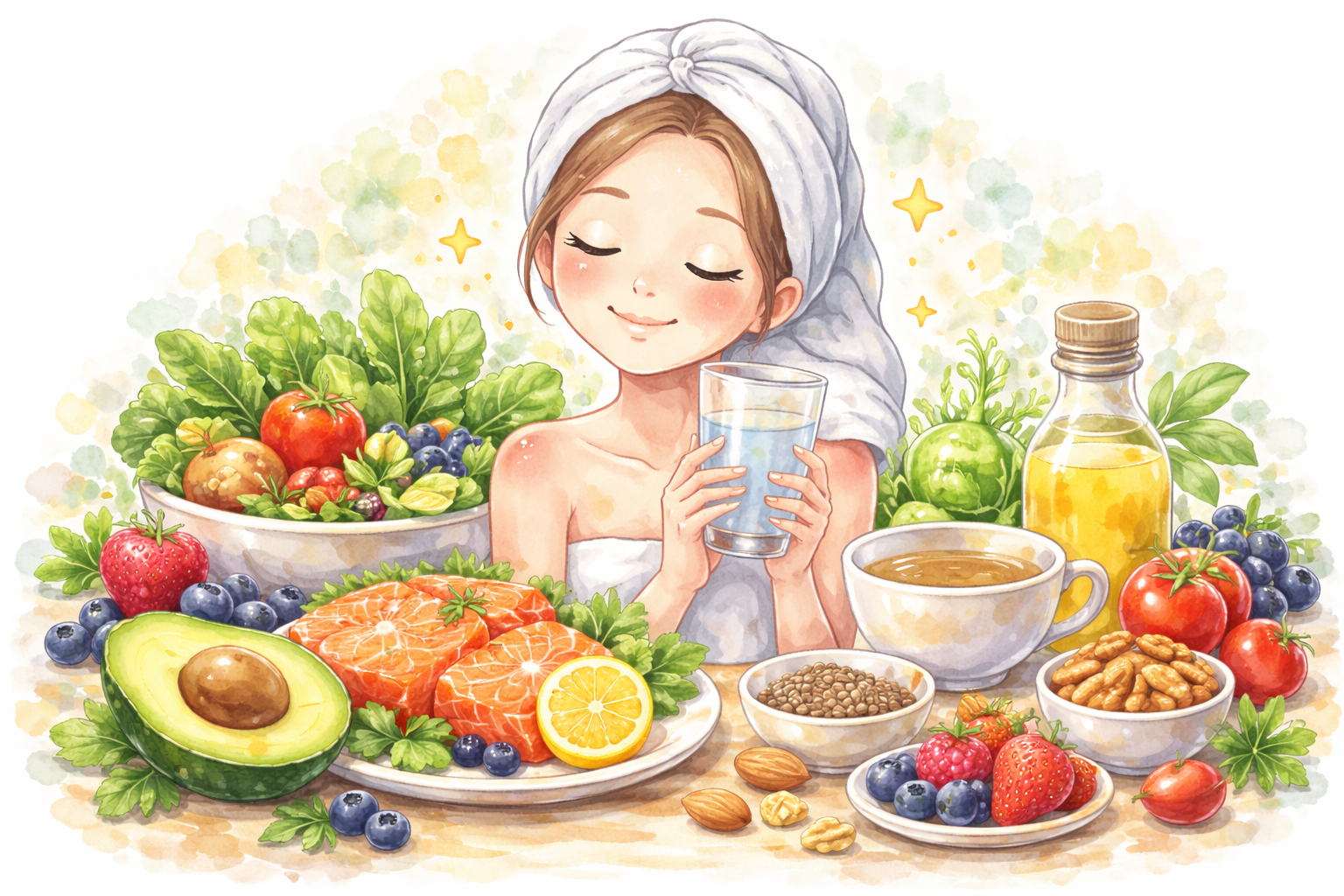
Have you ever wondered why some people seem to have naturally glowing, healthy skin, while others struggle with dryness, irritation, or slow-healing wounds? While skincare products play a role, true skin health starts from within. The foods we consume provide the essential nutrients our bodies need to repair, regenerate, and maintain skin integrity.
By incorporating the right nutrients into your diet, you can enhance your skin's resilience, support wound healing, and promote a radiant complexion—without relying solely on topical treatments.
How Nutrition Supports Skin Vitality
Your skin is the body's largest organ and serves as the first line of defense against environmental stressors, toxins, and harmful microbes. Like any other organ, your skin requires essential vitamins, minerals, and proteins to function optimally.
When the body lacks critical nutrients, the skin may become dull, dry, and slow to heal after minor cuts, burns, or blemishes. In contrast, a diet rich in skin-nourishing foods can help:
- Boost collagen production for firmer, more youthful skin
- Enhance skin hydration to reduce dryness and irritation
- Support tissue repair and regeneration for faster wound healing
- Reduce inflammation that contributes to redness, acne, or eczema
- Strengthen the skin's protective barrier to prevent premature aging
A holistic approach to skin health considers not just the external application of products but also internal nourishment, hydration, and overall wellness. Let's explore the best foods that can help support your skin naturally.
Best Foods for Better Skin and Faster Healing
1. Protein-Rich Foods – The Building Blocks of Healthy Skin
Why? Protein is essential for collagen synthesis and the formation of new skin cells and tissues. Without sufficient protein, the skin may lose its elasticity and take longer to heal from wounds.
✅ Best Sources: Lean meats, eggs, poultry, tofu, legumes, nuts, and seeds.
💡 How to Include in Your Diet: Add grilled chicken or tofu to salads, incorporate beans into soups, or snack on almonds for a protein boost.
2. Vitamin A-Rich Foods – Skin Regeneration and Repair
Why? Vitamin A plays a key role in cell regeneration and skin maintenance. A deficiency in vitamin A can lead to dry, flaky skin and slower wound healing.
✅ Best Sources: Carrots, sweet potatoes, spinach, kale, and fortified dairy products.
💡 How to Include in Your Diet: Enjoy a smoothie with spinach and mango, or roast sweet potatoes for a vitamin A-packed side dish.
3. Vitamin C – The Ultimate Collagen Booster
Why? Vitamin C is essential for collagen production, helping to maintain skin elasticity and speed up wound healing. It also acts as a powerful antioxidant, reducing damage caused by environmental stressors.
✅ Best Sources: Citrus fruits, strawberries, bell peppers, kiwi, and broccoli.
💡 How to Include in Your Diet: Drink fresh-squeezed orange juice, toss bell peppers into a stir-fry, or snack on strawberries.
4. Zinc – The Skin-Healing Mineral
Why? Zinc supports immune function and promotes faster wound healing by aiding in skin cell production and inflammation control.
✅ Best Sources: Meat, shellfish, chickpeas, lentils, nuts, and seeds.
💡 How to Include in Your Diet: Add pumpkin seeds to yogurt, enjoy grilled salmon, or include chickpeas in salads.
5. Omega-3 Fatty Acids – Reducing Inflammation for Clearer Skin
Why? Omega-3s help maintain skin hydration, reduce inflammation, and support the skin's natural barrier function. They are especially beneficial for individuals with dry skin or inflammatory skin conditions.
✅ Best Sources: Fatty fish (salmon, sardines, mackerel), flaxseeds, walnuts, and chia seeds.
💡 How to Include in Your Diet: Add flaxseeds to oatmeal, snack on walnuts, or enjoy grilled salmon twice a week.
6. Antioxidant-Rich Foods – Protecting Skin from Damage
Why? Antioxidants combat oxidative stress, which can lead to premature aging and skin damage. They also aid in repairing damaged skin cells.
✅ Best Sources: Blueberries, dark chocolate, green tea, tomatoes, and pomegranates.
💡 How to Include in Your Diet: Drink green tea daily, enjoy a handful of berries, or include tomatoes in salads.

Final Thoughts: Nourish Your Skin from the Inside Out
The healthiest skin starts from within. While skincare routines are beneficial, nutrition plays an essential role in supporting skin health and wound healing. By incorporating protein, vitamins A and C, zinc, omega-3 fatty acids, and antioxidants into your diet, you can enhance your skin's ability to regenerate, repair, and maintain a natural glow.
A holistic approach to skin health includes:
✔ Hydrating adequately to keep skin cells plump and healthy
✔ Eating a diverse, nutrient-dense diet for long-term skin support
✔ Getting enough rest to allow the body to heal and regenerate
✔ Practicing stress management to prevent inflammation-related skin issues
By making small, intentional changes to your diet and lifestyle, you can naturally support your skin's vitality and well-being.
Note: The information provided should not replace professional medical advice.