Autumn Fuel: What to Eat Before and After a Walk to Boost Your Health
A brisk fall walk feels easier in cool air, and it can transform any busy day. Here's exactly what to eat before and after walks of any length to fuel and recover well.
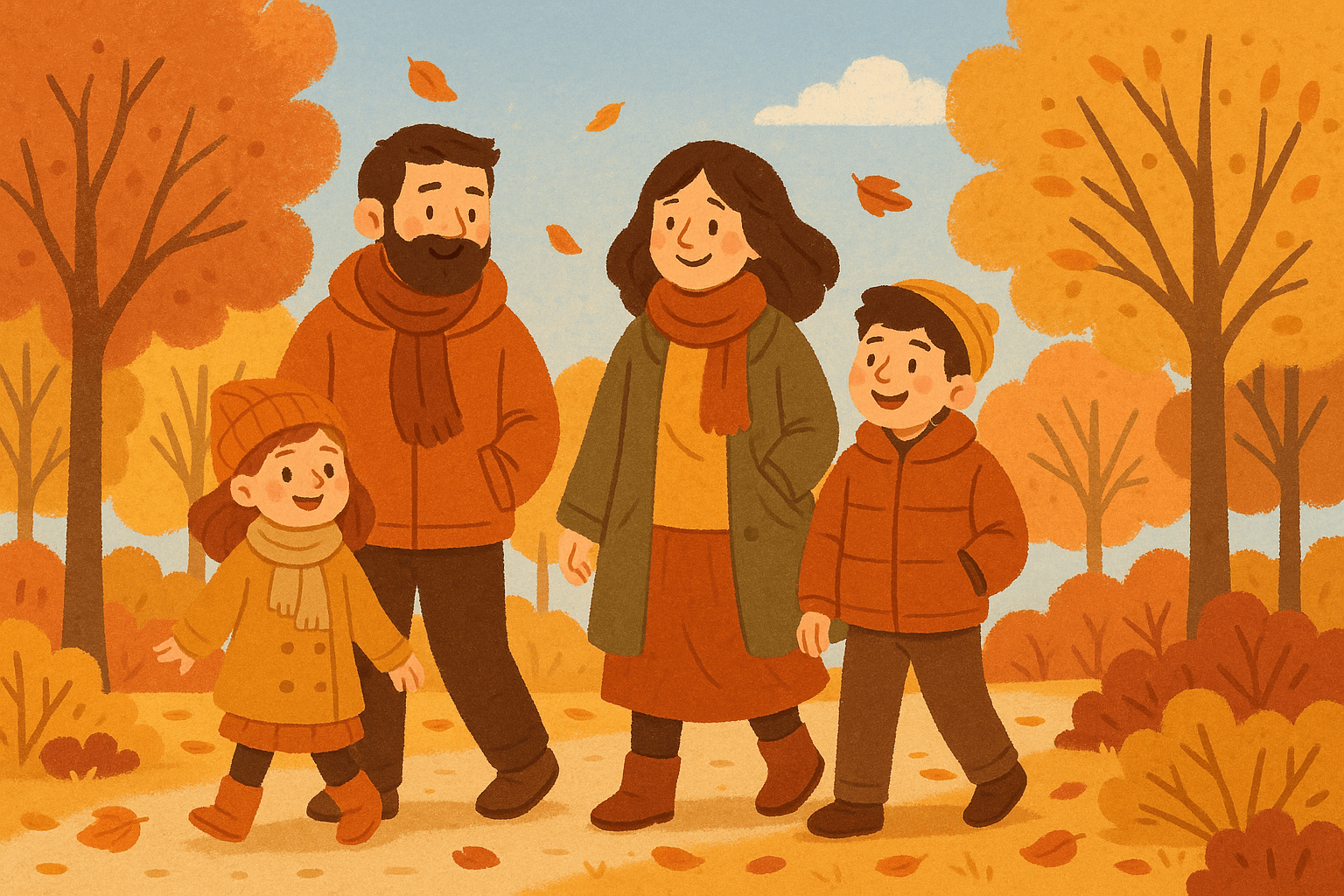
Picture This: Your Best Fall Walk
Cool air on your cheeks, the soft crunch of leaves, sunlight slanting through gold and amber trees, autumn practically invites you to move. A brisk walk feels easier in this weather, and it can turn even a busy day into something calmer and more focused. The only thing better than a great fall walk is pairing it with smart, simple nutrition so your body feels steady during the miles and refreshed after.
In this guide, you'll learn why walking is such a powerful health habit and exactly what to eat before and after different kinds of walks: short, long, and everything in between. No gels or complicated plans, just real food, clear timing, and a few easy rules you can use today.
Why Walking Works (and Why Fall Is Perfect)
Walking is one of the most accessible ways to support whole‑body health. Regular walking is linked with lower risks of heart disease and stroke, improved insulin sensitivity and blood sugar control, healthier blood pressure and cholesterol, better mood and sleep, and longer life expectancy. Even brief bouts add up across the week.
How it helps:
- Heart & vessels: Moderate activity strengthens the cardiovascular system and helps keep arteries flexible.
- Metabolism: Moving your legs turns on large muscle groups that soak up glucose, smoothing post‑meal spikes and supporting weight management.
- Brain & mood: Physical activity releases neurotransmitters and growth factors associated with improved mood, focus, and resilience.
- Longevity: Meeting weekly activity targets is associated with lower all‑cause mortality.
Fall's cooler temperatures reduce heat stress and sweat losses, making it easier to hit a comfortable pace and keep going. Nutrition then becomes about steady energy, comfortable digestion, and gentle recovery.
The Simple Nutrition Framework for Walkers
Think in three levers you can adjust based on walk length and intensity:
- Timing: when your last meal or snack was.
- Mix: the balance of carbohydrates (for quick fuel), protein (for satiety and repair), and fat (for staying power, used sparingly before walking).
- Fluids & electrolytes: water most of the time; add electrolytes for longer, sweatier sessions.
Use the sections below to tailor your plan for short walks (≤45 minutes) and long walks (≥60-120 minutes).
Before Your Walk
Short Walks (≤45 minutes at easy-moderate pace)
If you ate a balanced meal within the last 2-3 hours, you likely don't need a special pre‑walk snack. Your goal is comfort, avoid starting uncomfortably hungry or too full.
If it's been 3-4+ hours since eating, try one of these 30-60 minutes before:
- A small banana or a clementine.
- A slice of whole‑grain toast with a thin spread of nut butter.
- Plain yogurt with a few berries.
- A few crackers with hummus.
Why this works: A small carb‑forward snack tops up liver glycogen and blood glucose for steady energy, while a little protein or fat prevents a quick crash without weighing you down. Sip ~250-350 ml (1-1.5 cups) water as you get ready, especially if the air is dry.
Special notes: If you experience reflux, keep snacks modest and finish 30+ minutes before walking. If you live with diabetes or hypoglycemia, coordinate timing and carb choices with your clinician's guidance.
Long Walks (≥60-120 minutes, or brisk/hilly)
Aim to start well hydrated and with a meal or snack that favors low‑fiber, easily digested carbohydrates plus a little protein, 1-2 hours before you head out.
Pre‑walk meal ideas (1-2 hours before):
- Oatmeal made with milk or fortified plant milk, topped with sliced banana and a spoon of yogurt.
- Rice bowl with scrambled eggs/tofu and sautéed zucchini.
- Peanut‑butter & banana sandwich on whole‑grain bread.
If you only have 30-45 minutes: choose a simpler carb (banana, toast with honey, applesauce pouch) + water.
Fluids: Drink ~400-600 ml (1.5-2.5 cups) water in the 2 hours before your walk (sipped, not slammed). In hot, windy, or very dry conditions, or if you tend to sweat, you can include a small amount of electrolytes.
During Your Walk
Short Walks (≤45 minutes)
Water to thirst is plenty for most people. Carry a small bottle if you like.
Long Walks (≥60-120 minutes)
For steady energy, especially if the route is hilly or you walk fast, plan a small carb top‑up every 30-45 minutes (about 15-30 g carbohydrate):
- A small banana or dates.
- A homemade mini sandwich (half slice bread + thin honey/peanut butter).
- Applesauce or fruit puree pouch.
Hydration: Aim for ~400-800 ml per hour depending on sweat rate and temperature (a few good sips every 10-15 minutes). If your walk extends past 90 minutes or sweat losses are high (salt streaks on clothing, cramping), consider a low‑sugar electrolyte drink.
GI comfort tips: Keep fiber and fat lower during the walk; save fibrous salads, beans, and spicy foods for after.
After Your Walk
Your priorities: re‑hydrate, re‑fuel carbohydrates you used, and include protein to support muscle repair (yes, even walking triggers small amounts of tissue turnover, especially if the route includes hills or stairs).
The 1‑hour window: A balanced snack or meal within 60 minutes helps you bounce back.
Post‑walk snack ideas (if a meal is far away):
- Greek yogurt with berries and a drizzle of honey.
- Cottage cheese with pineapple and a few walnuts.
- Hummus with whole‑grain pita and cherry tomatoes.
- A smoothie (milk or kefir + banana/berries + oats/chia).
Post‑walk meal ideas:
- Turkey or tofu, roasted sweet potato, and sautéed greens with olive oil.
- Salmon, brown rice, and roasted carrots; side of citrus‑herb yogurt.
- Lentil‑veggie soup with olive‑oil toast and a mixed‑fruit bowl.
Hydration: Continue sipping water until your urine returns to pale‑straw color. If you finished salty or crampy, include some electrolytes or a salty food (e.g., soup, tomato juice) along with water.
Putting It All Together: Quick Plans by Walk Length
The 20-30 Minute Reset (desk break, easy pace)
- Before: Most can go without a snack if you ate in the last 2-3 hours; otherwise, half a banana.
- During: Water to thirst.
- After: Resume your normal meal schedule; add a glass of water.
The 45-60 Minute Mood‑Booster
- Before (30-60 min): Small carb‑plus snack (toast + nut butter, yogurt + fruit).
- During: Water, especially if brisk.
- After: Snack with carb + 15-25 g protein if your next meal is >2 hours away.
The 90-120 Minute Autumn Adventure (hilly or brisk)
- Before (1-2 hours): Balanced meal: oats/banana/yogurt or rice + eggs/tofu; hydrate with 400–600 ml water.
- During: Water 400-800 ml/hr; add 15-30 g carbohydrate every 30-45 minutes; consider electrolytes in warm/dry/windy conditions.
- After (within 60 min): A meal or substantial snack with carbs + 20-30 g protein; continue hydrating to pale‑straw urine.
Special Situations
- Early‑morning walkers: If eating a full meal first doesn't sit well, try a small carb snack (banana, toast with honey) + water, then have a full breakfast after.
- Sensitive stomach: Choose lower‑fiber, lower‑fat foods before and during; keep spices mild until after.
- Diabetes, heart, kidney, or GI conditions; pregnancy: Personalize fueling and hydration with your clinician/dietitian. Carry quick carbs if you're at risk for lows; monitor responses and adjust.
Make Walking a Daily Counter to Sitting
If you've been in a chair for hours, a 10-15 minute walk changes everything: circulation improves, blood sugar smooths out after meals, neck and back tension ease, and your brain resets. Stack the habit: finish a meeting → drink half a glass of water → walk the block. Keep a light jacket and comfortable shoes by the door so leaving is friction‑free.
Autumn is the perfect season to build this pattern: cool air, beautiful views, and kinder sun. Pair smart sips and simple snacks with your steps, and you'll feel the difference in energy, mood, and recovery.
References
- Harvard T.H. Chan School of Public Health. "Walking and Health." https://www.hsph.harvard.edu/nutritionsource/walking/
- World Health Organization (WHO). "Physical activity." Fact sheet. https://www.who.int/news-room/fact-sheets/detail/physical-activity
- American Diabetes Association (ADA) and American College of Sports Medicine (ACSM) Joint Position Statement. Physical Activity/Exercise and Diabetes: A Position Statement of the American Diabetes Association. https://diabetesjournals.org/care/article/39/11/2065/37249/Physical-Activity-Exercise-and-Diabetes-A-Position
Note: The information provided should not replace professional medical advice.