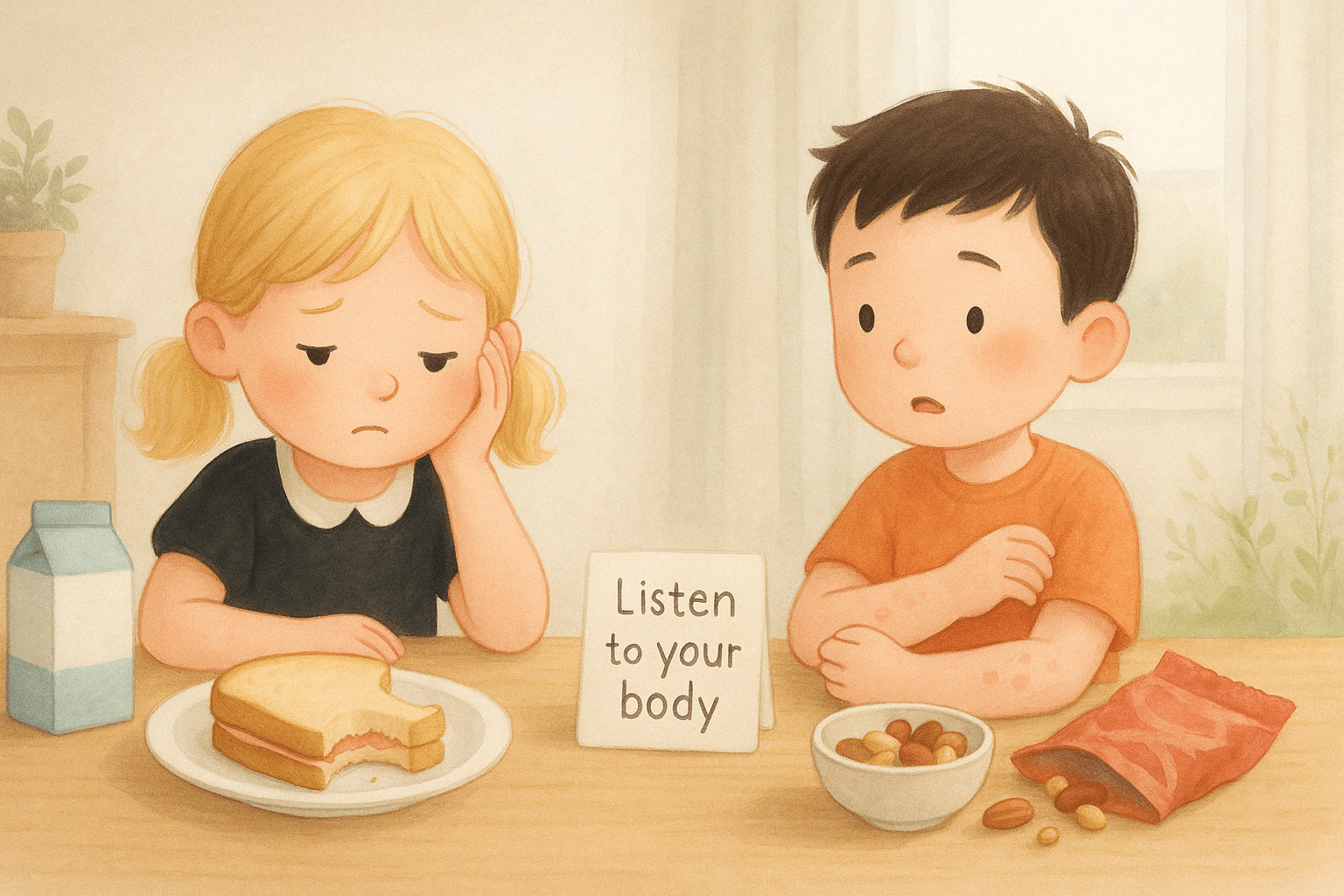
Listening to Your Blood Sugar: Recognize Highs and Lows and Find Your Personal Pattern
You don't need gadgets to understand your blood sugar. Your body broadcasts signals all day—here's how to build a simple, device-free system to spot your own trends.
Why Paying Attention (Not Just Measuring) Matters
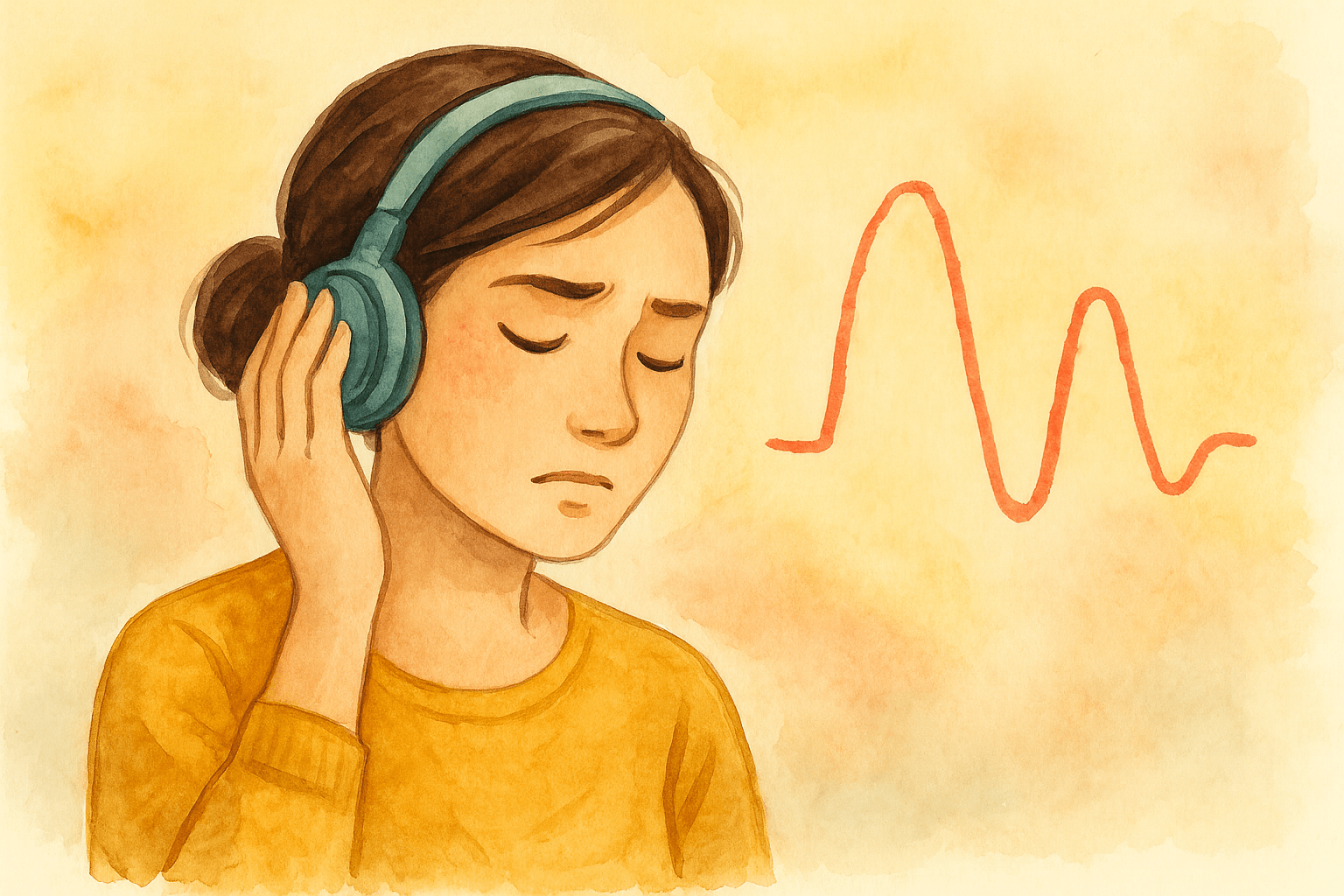
Digital tools like continuous glucose monitors can be fantastic, but you don't need gadgets to start understanding your blood sugar. Your body broadcasts useful signals all day: energy shifts, mood changes, thirst, vision, and even how you sleep. Tuning into these patterns is powerful for two reasons. First, it helps you act sooner, have a balanced snack, take a short walk, hydrate, before a dip or spike derails your day. Second, body awareness complements any future data you might collect with labs or devices, giving context to the numbers. In short: feeling + facts beats either one alone.
This guide explains what blood sugar does, how dysregulation shows up, and how to build a simple, device‑free system to spot your own trends. We'll finish with practical steps and trusted resources to go deeper.
Blood Sugar 101: What It Does and Why Regulation Matters
Glucose is the body's primary quick fuel. After you eat, carbohydrates are broken down into glucose, which enters the bloodstream. Insulin, a hormone made by the pancreas, helps move that glucose into muscle, liver, and fat cells for use or storage. Between meals and overnight, the liver releases a steady trickle of glucose to keep the brain and other organs running.
Good regulation means:
- Stable energy (no big crashes),
- Clear thinking and steady mood, and
- Healthy metabolism (appropriate hunger/fullness, normal lipids, healthy body weight).
When regulation falters, blood sugar may run too high (hyperglycemia) or too low (hypoglycemia). Either extreme can make you feel unwell in the short term and, if persistent, contribute to long‑term problems.
How Dysregulated Blood Sugar Affects Whole‑Body Health
Over time, repeated highs can stress blood vessels and nerves, contributing to complications that affect the eyes, kidneys, heart, and feet. Chronically elevated sugar also tends to travel with high blood pressure and abnormal lipids, amplifying cardiovascular risk. On the other hand, repeated lows (especially in people using insulin or certain diabetes medications) can be dangerous in the moment, impairing judgment, coordination, and, when severe, consciousness.
Even without a diagnosis of diabetes, "roller‑coaster" days (big spikes after meals followed by crashes) can leave you irritable, foggy, and tired, nudging you toward more snacking and less movement, an unhelpful spiral. Learning to smooth those swings supports day‑to‑day wellbeing and long‑term health.
Common Signs: Is Your Blood Sugar Too High or Too Low?
Likely signs of a high (hyperglycemia):
- Thirst that doesn't match activity or weather; dry mouth
- Frequent urination (especially at night)
- Blurry vision; headaches
- Fatigue, heavy‑limbed feeling, difficulty focusing
- Skin that's dry or slow to heal; more frequent infections
Likely signs of a low (hypoglycemia):
- Sudden shakiness, trembling, or inner "jitters"
- Sweating (clammy skin), palpitations
- Irritability, anxiety, or sudden mood change
- Rapid hunger, nausea, lightheadedness
- Confusion, slurred speech, or drowsiness (seek help if severe)
Important: Symptoms overlap with many other conditions. If you suspect diabetes or experience severe symptoms, seek medical care promptly.
Find Your Pattern, Even Without a Device
You can learn a lot in 1–2 weeks with a notebook (or notes app) and curiosity. The aim is not perfection; it's pattern‑spotting.
- Create a simple log. For each meal/snack, jot down: what you ate, when, how much, and a 1–10 scale for hunger/fullness before and 1–3 hours after. Add short notes on mood, focus, thirst, and energy.
- Track timing. Notice how you feel at ~45–90 minutes after meals (typical post‑meal rise) and again at ~2–4 hours (when levels should glide back toward baseline). Do you crash hard after certain meals? Stay overly full and sluggish?
- Note movement effects. A 10–15 minute walk after eating often blunts a spike. If you try it, record how you feel compared to sedentary meals.
- Hydration check. Log thirst and bathroom trips. Unusual thirst/urination, especially overnight, can flag highs.
- Sleep signals. Difficulty falling asleep after late, heavy, or sugary meals, or waking at 3–4 a.m. hungry or sweaty, may indicate swings.
- Monthly rhythm. For menstruating readers, track where you are in your cycle, some experience higher cravings and different responses to carbs in the late luteal phase.
After a week, circle recurring triggers (e.g., large refined‑carb breakfasts) and helpful anchors (e.g., protein‑rich lunches plus a walk).
Build a Steadier Day: Food Strategies (No Gadgets Required)
Compose balanced plates. Combine protein (eggs, fish, tofu, Greek yogurt, legumes), fiber‑rich carbs (beans, lentils, intact whole grains, vegetables, whole fruit), and healthy fats (olive oil, nuts, seeds, avocado). Protein and fiber slow digestion so glucose enters gradually.
Favor minimally processed carbs. When possible, swap white bread, pastries, and sweetened drinks for whole fruit, oats, quinoa, barley, or potatoes cooled and reheated (which increases resistant starch).
Front‑load protein and fiber at breakfast. Many people report fewer afternoon crashes when breakfast includes 20–30 g protein (e.g., eggs + Greek yogurt with berries and chia).
Mind liquid sugar. Sodas, energy drinks, sweet teas, and many juices spike quickly. If you enjoy juice, have a small portion with a fiber‑rich meal.
Pair carbs with movement. A brief walk, light chores, or climbing a few flights of stairs after meals improves how muscle takes up glucose.
Plan snack safety nets. Keep balanced options on hand, nuts + fruit, hummus + veggies, cheese + whole‑grain crackers, to avoid emergency candy grabs.
Be heat‑smart. On hot days, dehydration concentrates glucose. Sip water regularly; include electrolytes if sweating heavily.
Lifestyle Levers That Smooth Glucose Swings
- Sleep consistently. Short or irregular sleep can reduce insulin sensitivity the next day. Aim for 7–9 hours; hold caffeine after early afternoon and finish dinner 2–3 hours before bed.
- Move most days. Mix aerobic activity (walking, cycling, swimming) with resistance work 2–3x/week. More muscle = a bigger glucose "sink."
- Manage stress loads. Acute stress hormones push glucose higher. Try brief breathing drills (e.g., 4–6 slow breaths), a 5‑minute stretch, or a short outdoor break.
- Alcohol with awareness. Alcohol can lower glucose hours later, especially overnight. Pair drinks with food, hydrate, and avoid late‑night heavy intake.
- Mind medicines. Some medications raise or lower glucose. If you're on insulin or sulfonylureas, learn hypoglycemia signs and carry a quick sugar source (e.g., glucose tablets) if advised by your clinician.
Putting It Together: A 3‑Step Personal Experiment
- Pick one meal you eat often. Build it with protein + fiber + healthy fat (e.g., salmon, lentils, big salad with olive oil) and take a 12‑minute walk afterward.
- Compare days. Try the same meal without the walk. Note differences in energy, focus, cravings, and mood for 3 hours.
- Iterate. Keep the parts that help (maybe the walk is magic; maybe adding beans was the key) and apply them to other meals.
Over time you'll create a menu of strategies that fit your life.
When to Seek Care
- You notice persistent thirst, frequent urination, unintentional weight loss, slow‑healing wounds, or recurring infections.
- You experience repeated low‑blood‑sugar symptoms, especially if you use insulin or certain diabetes medicines.
- You have risk factors (family history, gestational diabetes, PCOS, high blood pressure/lipids) and haven't been screened recently.
Professional evaluation can provide lab confirmation and tailored guidance.
Wrap‑Up: Feel First, Measure When Needed
Your body offers a running commentary on glucose balance, if you listen. By learning the sensations of highs and lows and building simple routines (balanced meals, short post‑meal movement, good sleep, steady hydration), you can smooth out daily swings and support long‑term metabolic health. If and when you add devices or lab tests, you'll interpret them with far more insight.
Be curious, take notes, and treat each day like gentle practice rather than a test. Small experiments compound into big changes.
References
- National Institute of Diabetes and Digestive and Kidney Diseases (NIDDK). https://www.niddk.nih.gov/health-information/diabetes
- American Diabetes Association (ADA). "Standards of Medical Care in Diabetes, 2024: Glycemic Targets." https://diabetesjournals.org/care/issue/47/Supplement_1
- Harvard T.H. Chan School of Public Health. "Carbohydrates and Blood Sugar." https://www.hsph.harvard.edu/nutritionsource/carbohydrates/carbohydrates-and-blood-sugar/
Note: The information provided should not replace professional medical advice.