Supporting Stronger Bones: A Guide to Boosting Calcium Absorption for Older Adults
Muscle cramps, brittle nails, or posture changes might signal calcium deficiency. Learn the best food sources, absorption tips, and lifestyle habits for strong bones as you age.
Are You Getting Enough Calcium?
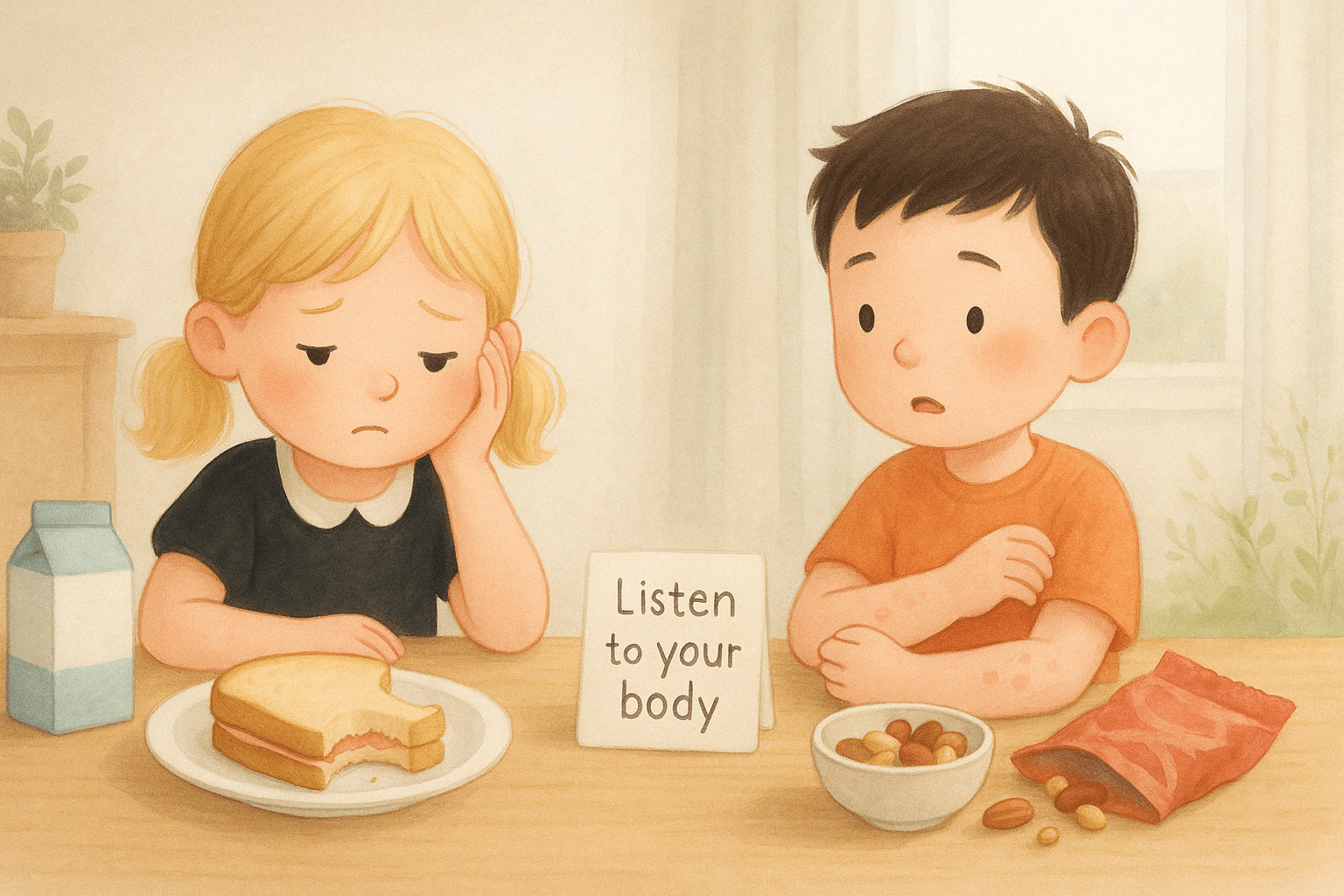
Have you noticed muscle cramps, brittle nails, frequent bone aches, or a tingling sensation in your fingers and toes? Do you ever feel that your posture is changing or that you're getting shorter? These might not just be signs of aging! They could signal a lack of calcium. Many older adults overlook these everyday discomforts, not realizing they might point to a deeper nutritional issue.
In this article, we'll walk you through the signs of calcium deficiency, explain why calcium is essential for your body's daily function, highlight foods that help with calcium intake and absorption, and offer 10+ practical tips to help you or your loved ones maintain strong bones and a healthy body.
Why Calcium Matters as You Age
Calcium isn't just for your bones. This essential mineral plays a critical role in muscle contraction, nerve transmission, blood clotting, and regulating heart rhythms. As we age, our bodies become less efficient at absorbing calcium, increasing the risk of osteoporosis, fractures, and even cardiac issues.
According to the National Institutes of Health (NIH), adults over 50 need 1,200 mg of calcium daily, yet many fall short. Chronic calcium deficiency can lead to weakened bones (osteopenia or osteoporosis), making falls and fractures more dangerous. Supporting calcium levels through food and lifestyle becomes not just a health goal, but a key part of aging well.
Foods Rich in Calcium and Foods That Help Absorb It
Calcium-Rich Foods:
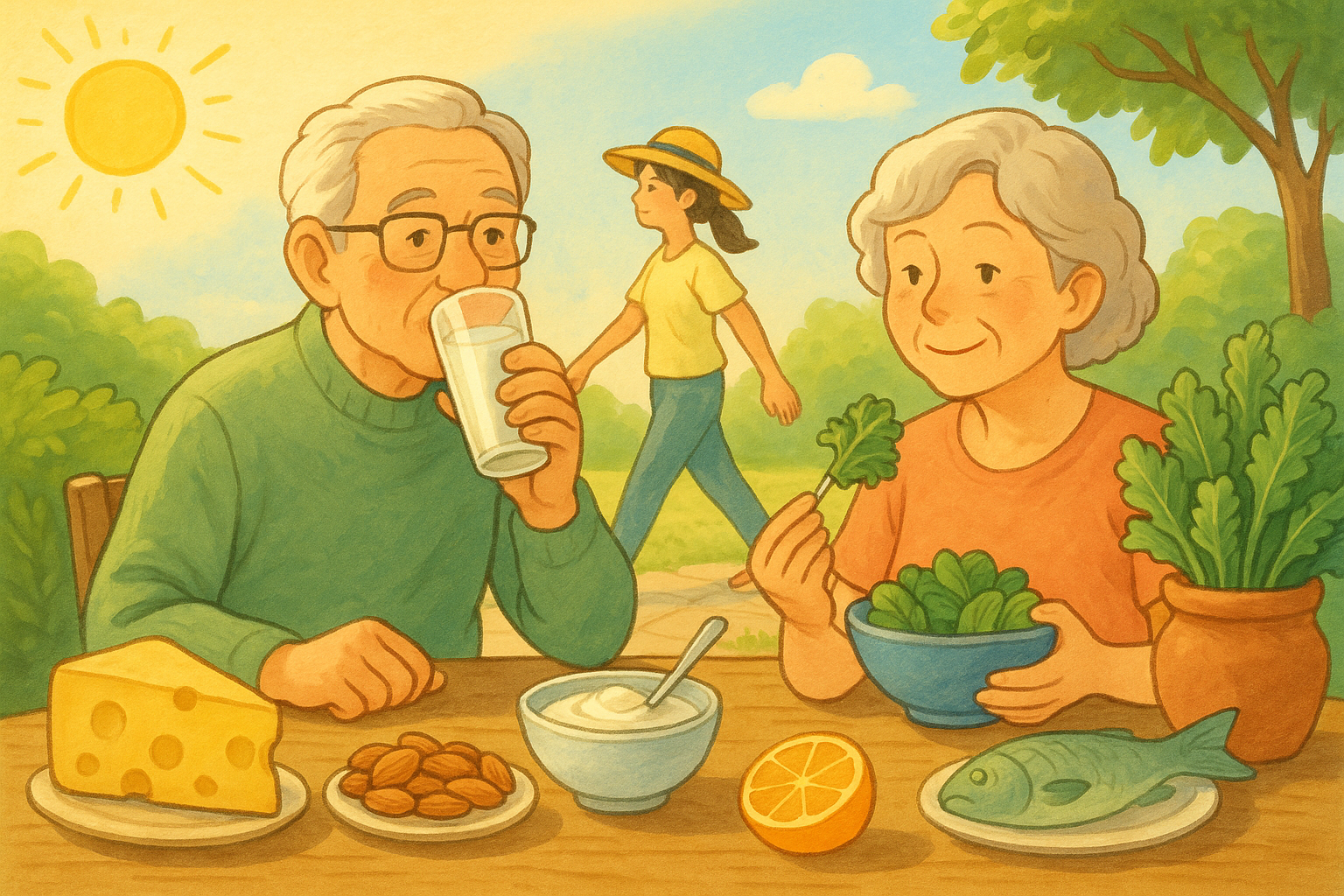
- Dairy products: Milk, cheese, and yogurt are well-known calcium champions.
- Leafy greens: Kale, bok choy, and turnip greens are great plant-based options.
- Tofu and soy products: Often fortified with calcium.
- Canned fish with bones: Like sardines and salmon.
- Almonds and sesame seeds: Offer both calcium and magnesium.
- Fortified foods: Breakfast cereals, plant-based milks, and orange juice.
Foods That Boost Calcium Absorption:
- Vitamin D-rich foods: Salmon, mackerel, egg yolks, and fortified foods.
- Magnesium-rich foods: Whole grains, nuts, seeds, and legumes.
- Prebiotics: Bananas, garlic, and onions support gut health for better absorption.
- Healthy fats: Like avocado and olive oil help transport fat-soluble vitamin D.
10+ Tips to Maximize Calcium Absorption and Maintain Bone Strength
- Spread calcium intake throughout the day: The body absorbs calcium more efficiently in smaller doses.
- Get sunshine safely: 10–20 minutes of sun exposure can help produce vitamin D.
- Incorporate weight-bearing exercises: Walking, light jogging, and dancing stimulate bone growth.
- Limit caffeine and soda: These can interfere with calcium absorption and bone density.
- Avoid excess salt: High sodium intake causes calcium loss through urine.
- Pair calcium with vitamin D-rich foods: These work together synergistically.
- Stay hydrated: Proper hydration supports kidney function and calcium regulation.
- Use calcium-rich cooking water: Cook greens or beans in the water and drink it (e.g., in soup).
- Watch for medications that interfere: Some antacids and steroids can affect calcium absorption.
- Practice balance and posture exercises: Tai Chi and yoga help improve balance and reduce falls.
- Eat fermented foods: Yogurt, kefir, or miso may support gut health and nutrient absorption.
- Consider calcium supplements: Only under professional guidance, especially if dietary intake is insufficient.
Encourage and Support Each Other
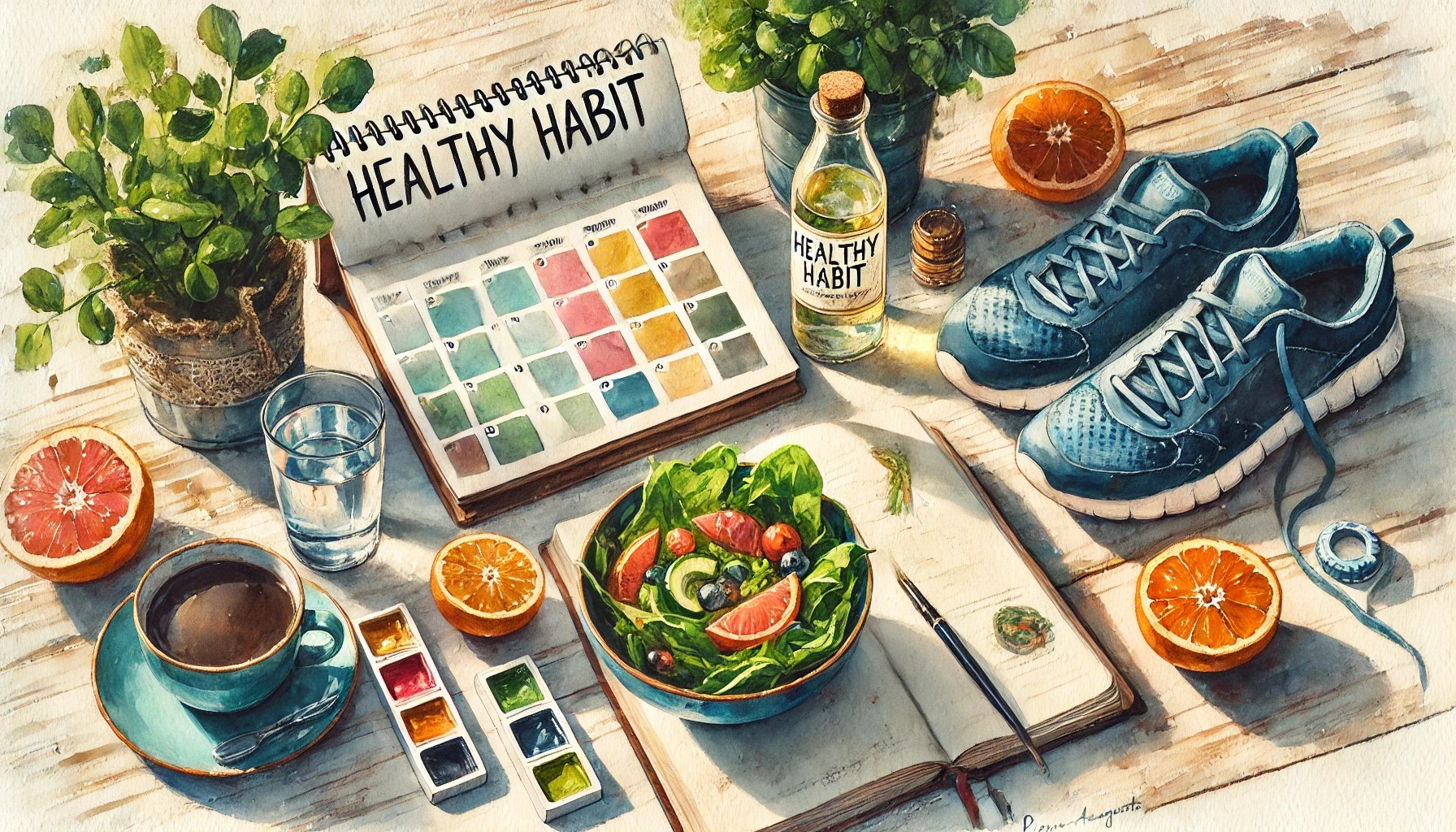
Calcium intake isn't just a personal goal, it's a family affair. Whether you're a caregiver, a child of aging parents, or aging yourself, paying attention to these small daily actions can prevent big problems in the future. Keep track of your habits, share meals rich in calcium and vitamin D, and encourage regular outdoor walks or gentle exercise.
Remember, getting older doesn't mean becoming fragile. With the right support, nutritional, physical, and emotional, older adults can stay strong, mobile, and independent.
References
- National Institutes of Health (NIH) Office of Dietary Supplements. (2024, February 21). Calcium Fact Sheet for Health Professionals. Retrieved from https://ods.od.nih.gov/factsheets/Calcium-HealthProfessional/
- National Institutes of Health (NIH) Office of Dietary Supplements. (2024, March 22). Vitamin D Fact Sheet for Health Professionals. Retrieved from https://ods.od.nih.gov/factsheets/VitaminD-HealthProfessional/
- Slavin, J. L. (2013). Fiber and prebiotics: mechanisms and health benefits. Nutrients, 5(4), 1417–1435. https://doi.org/10.3390/nu5041417
Note: The information provided should not replace professional medical advice.