Eat Smart to Prevent Diabetes and Slow Its Progression
Everyday eating patterns can either protect or strain the body's ability to keep glucose in range. Here's how to build glucose-steady plates and practical habits that work.
Hidden Traps in Everyday Eating
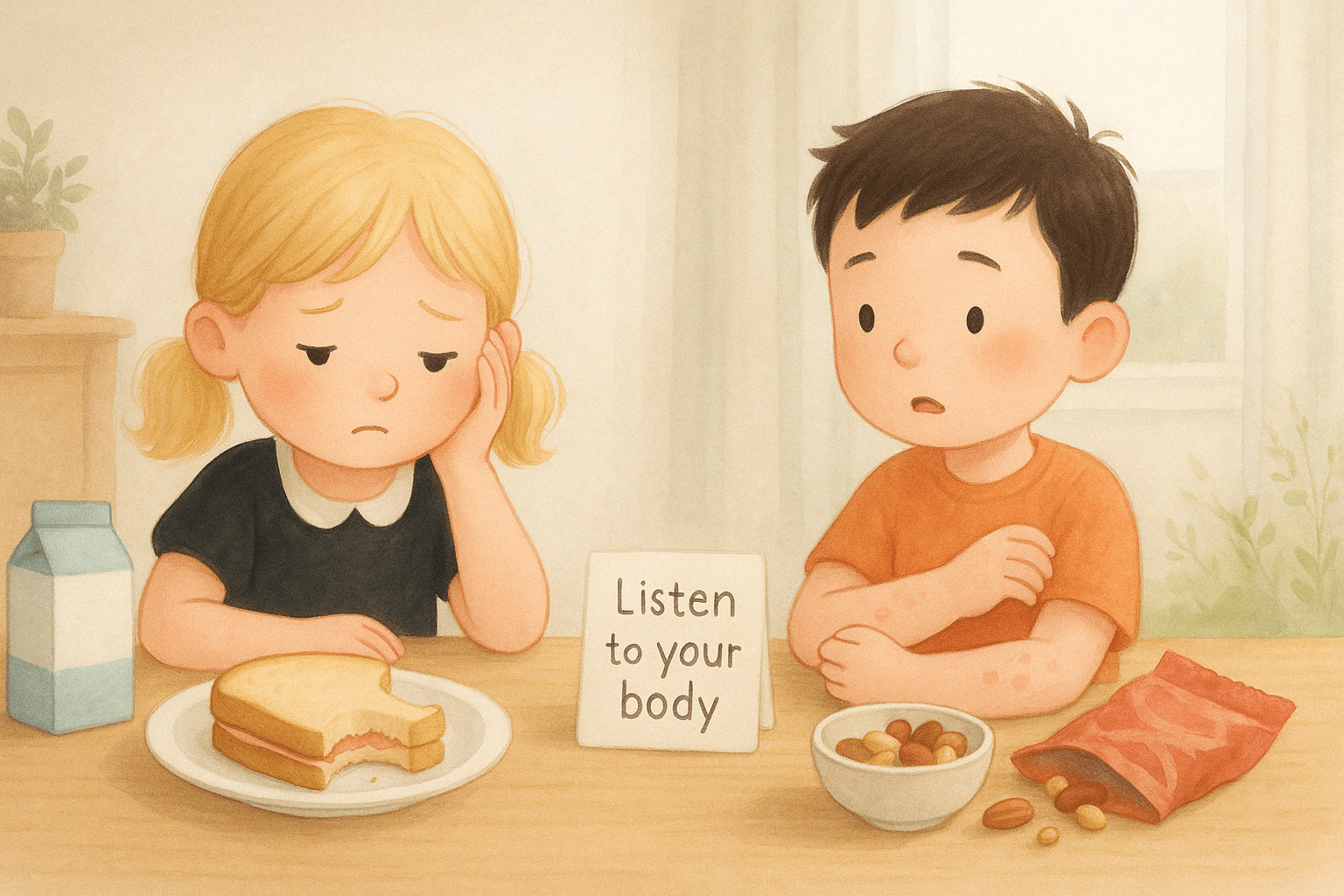
Have you ever grabbed a "healthy" smoothie that was mostly fruit juice and syrup? Poured a bowl of cereal that looked high‑fiber but delivered more sugar than dessert? Or ordered a salad that hid a day's worth of calories and saturated fat under creamy dressing and candied toppings? These are the daily traps that nudge blood sugar and insulin higher than we realize. Over months to years, patterns like frequent liquid sugar (sodas, sweet teas, energy drinks, many café beverages), refined carbohydrates (white breads, pastries, ultra‑processed snacks), oversized portions, and late‑night eating can strain the body's ability to keep glucose in range, raising risk for prediabetes and type 2 diabetes or accelerating deterioration if diabetes is already present.
Other common culprits: skipping protein at breakfast (leading to mid‑morning crashes), grazing on ultra‑processed snacks instead of balanced meals, and relying on takeout high in sodium and hidden sugars. The good news: small, consistent changes flip these traps into wins.
Why Blood Sugar Regulation and Circulation Matter
Glycemic regulation keeps glucose in a healthy range throughout the day. When meals cause large spikes, the pancreas works harder to release insulin. Over time, cells may respond less effectively (insulin resistance), and fasting/post‑meal glucose can rise. Persistent elevations contribute to inflammation and can damage small and large blood vessels, affecting the eyes, kidneys, nerves, heart, and brain.
Protecting your vascular system, from large arteries to tiny capillaries, is central to diabetes prevention and management. Stable glucose, healthy lipids and blood pressure, and less smoking/alcohol burden help maintain vessel health and blood flow. Nutrition is a powerful lever for all of these.
Food and Lifestyle Foundations for Diabetes Prevention
Think in patterns rather than single superfoods. The strongest evidence supports dietary approaches emphasizing minimally processed foods, fiber, legumes, nuts, healthy fats, non‑starchy vegetables, and balanced protein, paired with regular movement, adequate sleep, and stress care.
Build a Glucose‑Steady Plate
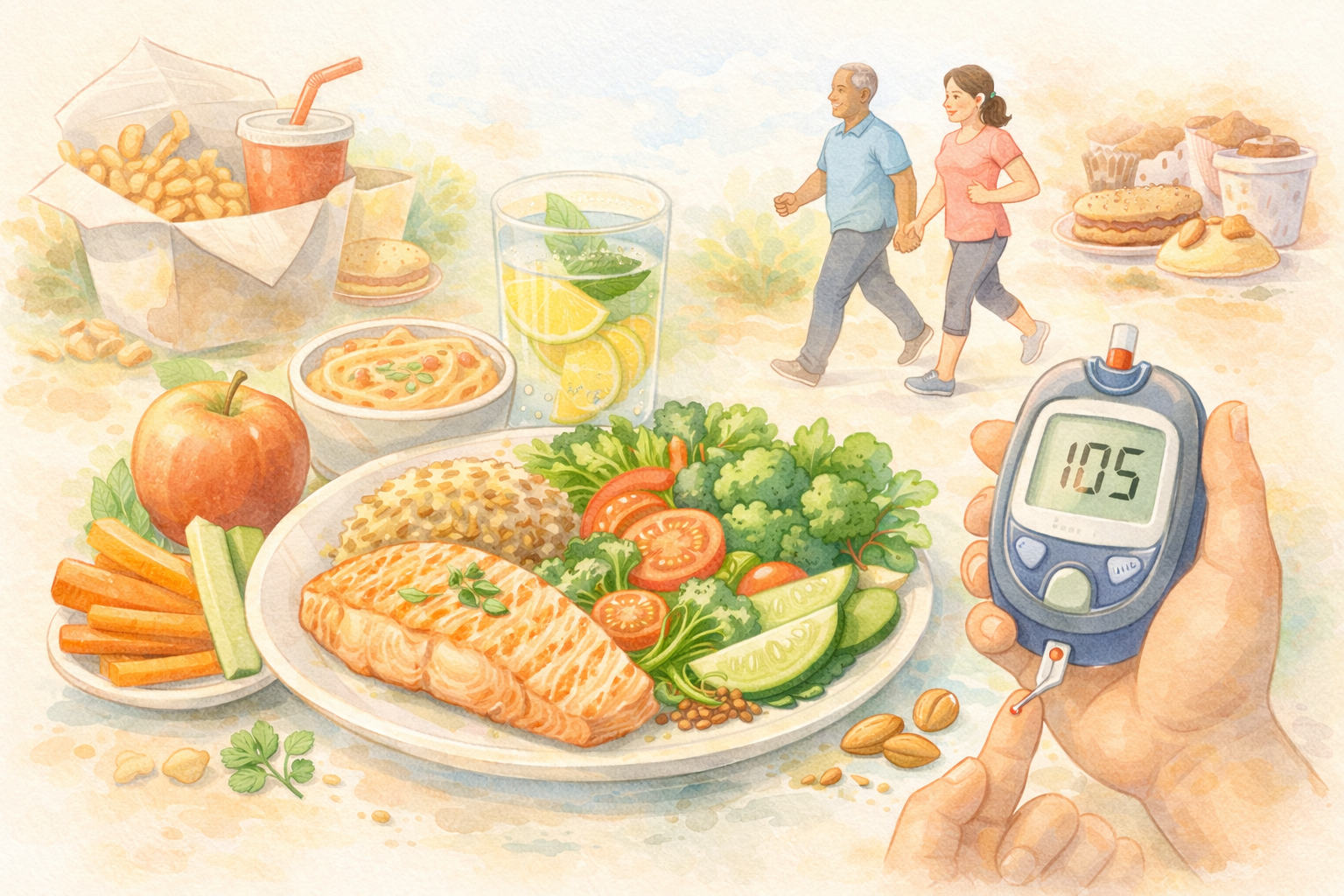
- Non‑starchy vegetables (½ plate): leafy greens, crucifers (broccoli/cauliflower), peppers, zucchini, green beans, tomatoes. Fiber and volume help regulate appetite and slow glucose entry.
- Protein (¼ plate): fish, poultry, eggs, tofu/tempeh, Greek yogurt, or legumes. Protein increases satiety and moderates post‑meal spikes.
- Smart carbohydrates (¼ plate): intact whole grains (oats, barley, quinoa, brown rice), potatoes cooled and reheated (more resistant starch), or legumes. Choose portions that fit your activity and goals.
- Healthy fats (drizzle/handful): extra‑virgin olive oil, avocado, nuts, seeds support lipids and help you feel satisfied.
Favor Fiber, Especially Soluble and Fermentable Types
Aim for 25–38 g/day from whole foods. Oats (beta‑glucan), barley, beans/lentils, chia, flax, apples/pears, and vegetables slow gastric emptying, blunt glucose rise, and support a healthier gut microbiome linked with improved insulin sensitivity.
Choose Carbs with Structure
Minimize refined grains and added sugars. Prefer intact grains and legumes, whole fruit over juice, and label‑check for added sugars (sucrose, glucose, high‑fructose corn syrup, syrups). If you enjoy bread, try dense whole‑grain/rye or sourdough and pair with protein/fat.
Power of Timing and Order
- Meal timing: Finish dinner 2–3 hours before bed to improve overnight glucose.
- Food order: When possible, eat vegetables and protein first, then starch. Studies show this sequence reduces post‑meal glucose and insulin peaks.
- Post‑meal movement: A 10–15 minute walk or light chores after meals enhances muscle glucose uptake and lowers spikes.
Hydrate, Don't Sip Sugar
Replace sugary drinks with water, sparkling water, unsweetened tea/coffee, or "spa water" (citrus/mint). Even 1–2 sugary beverages daily raises diabetes risk; swapping them is a high‑impact move.
Quality Fats Help
Use olive oil, nuts (especially walnuts/almonds), seeds (chia/flax), and fatty fish (salmon, sardines, trout). These support triglycerides, HDL, and anti‑inflammatory pathways without spiking glucose.
Mind Alcohol & Sodium
If you drink, do so moderately and with food. High‑sodium takeout and snacks worsen blood pressure, a major co‑risk with diabetes. Cook more at home; season with herbs, spices, citrus, and vinegar.
Sleep & Stress Are Glucose Variables
Short or irregular sleep and high stress impair insulin sensitivity the next day. Protect 7-9 hours of sleep; use brief breathwork or movement breaks to downshift stress hormones.
Practical Eating Tips You Can Use This Week
- Protein‑forward breakfast (20–30 g): Greek yogurt with berries and chia; eggs with spinach and whole‑grain toast; tofu scramble with vegetables. Stable mornings → fewer afternoon crashes.
- Upgrade your snack: Nuts + fruit, hummus + carrots/bell peppers, cottage cheese + tomatoes, or edamame. Avoid "naked carbs."
- Swap liquids: Trade juice/soda for water or unsweetened tea; if you like sweetness, add berries/citrus slices.
- Batch‑cook beans and grains: A pot of lentils and a tray of roasted vegetables turn into fast bowls all week.
- Build a default dinner: Half non‑starchy veg, a palm of protein, a fist of intact grain/legume, olive oil, and herbs.
- Practice the 15‑minute rule: Walk for 10–15 minutes after the largest meal of the day.
- Mind the dressings and sauces: Choose olive‑oil vinaigrettes; limit creamy, sugary, or sodium‑heavy sauces.
- Grocery label scan: Added sugars ≤5–6 g/serving for everyday items; short ingredient lists; sodium mindful.
- Use the freezer wisely: Stock frozen vegetables, berries, and fish—nutritious, quick, and budget‑friendly.
- Restaurant strategy: Ask for sauces on the side; swap fries for side salad/vegetables; start with a broth‑based soup or salad.
- Order of operations at parties: Protein + veg first, then starch; sparkling water between drinks; small plates to manage portions.
- Create a sleep wind‑down: Dim lights, light stretch, warm shower, and avoid heavy meals late.
Sample One‑Day, Glucose‑Steady Menu
- Breakfast: Greek yogurt parfait with blueberries, chia, and chopped walnuts; coffee or tea.
- Lunch: Lentil‑quinoa bowl with roasted broccoli, peppers, and olive‑oil lemon dressing; a small apple.
- Snack: Hummus with cucumber and carrot sticks; sparkling water with citrus.
- Dinner: Baked salmon (or tofu) with farro and a big mixed‑greens salad (olive oil + herbs); roasted carrots on the side.
- Evening: Chamomile tea; a 10‑minute neighborhood walk.
Special Situations & Safety Notes
- Prediabetes/Type 2 diabetes on medication: If you use insulin or medicines that can cause hypoglycemia (e.g., sulfonylureas), learn the signs of low blood sugar and carry quick carbs (glucose tablets) as advised by your clinician.
- Low‑carb or Mediterranean patterns: Both can improve glycemic control; choose the version you can sustain, rich in vegetables, fiber, and healthy fats. Work with a dietitian if making large changes.
- Cultural foods matter: Keep traditional flavors; shift preparation and portions (e.g., more vegetables/legumes, smaller refined starch portions, grill/bake instead of deep‑fry).
- Health conditions: Hypertension, kidney disease, or celiac require additional tailoring; consult your healthcare team.
Re‑Emphasizing the Why: Benefits You Can Feel
When you stabilize blood sugar with balanced plates, fiber‑rich carbs, and regular movement, you'll likely notice steadier energy, fewer cravings, better focus, and improved sleep. Over time, these habits help maintain a healthy weight, improve lipids and blood pressure, and reduce the risk of complications that affect the eyes, kidneys, nerves, heart, and brain. The aim is not perfection. It's a sustainable pattern you enjoy and repeat.
Start small: swap one sugary drink for water today, add a vegetable at lunch, and take a 10‑minute post‑dinner walk. Compound these wins, and your future self will thank you.
References
- American Diabetes Association (ADA). Standards of Medical Care in Diabetes—2024: Lifestyle Behaviors and Weight Management; Glycemic Targets. https://diabetesjournals.org/care/issue/47/Supplement_1
- Diabetes Prevention Program Research Group. Reduction in the incidence of type 2 diabetes with lifestyle intervention. N Engl J Med. 2002;346:393–403. https://www.nejm.org/doi/full/10.1056/NEJMoa012512
- Harvard T.H. Chan School of Public Health. Carbohydrates and Blood Sugar. https://www.hsph.harvard.edu/nutritionsource/carbohydrates/carbohydrates-and-blood-sugar/
- World Health Organization (WHO). Healthy diet factsheet. https://www.who.int/news-room/fact-sheets/detail/healthy-diet
- USDA Dietary Guidelines for Americans (2020–2025). https://www.dietaryguidelines.gov/
Note: The information provided should not replace professional medical advice.