Staying Safe in the Heat: A Nutrition and Lifestyle Guide for Heat Stroke Prevention and Recovery
Heat stroke is a life-threatening condition that demands immediate attention. Learn how nutrition and hydration can support your body before, during, and after a heat-related episode.
Heat Stroke is More Common Than You Think
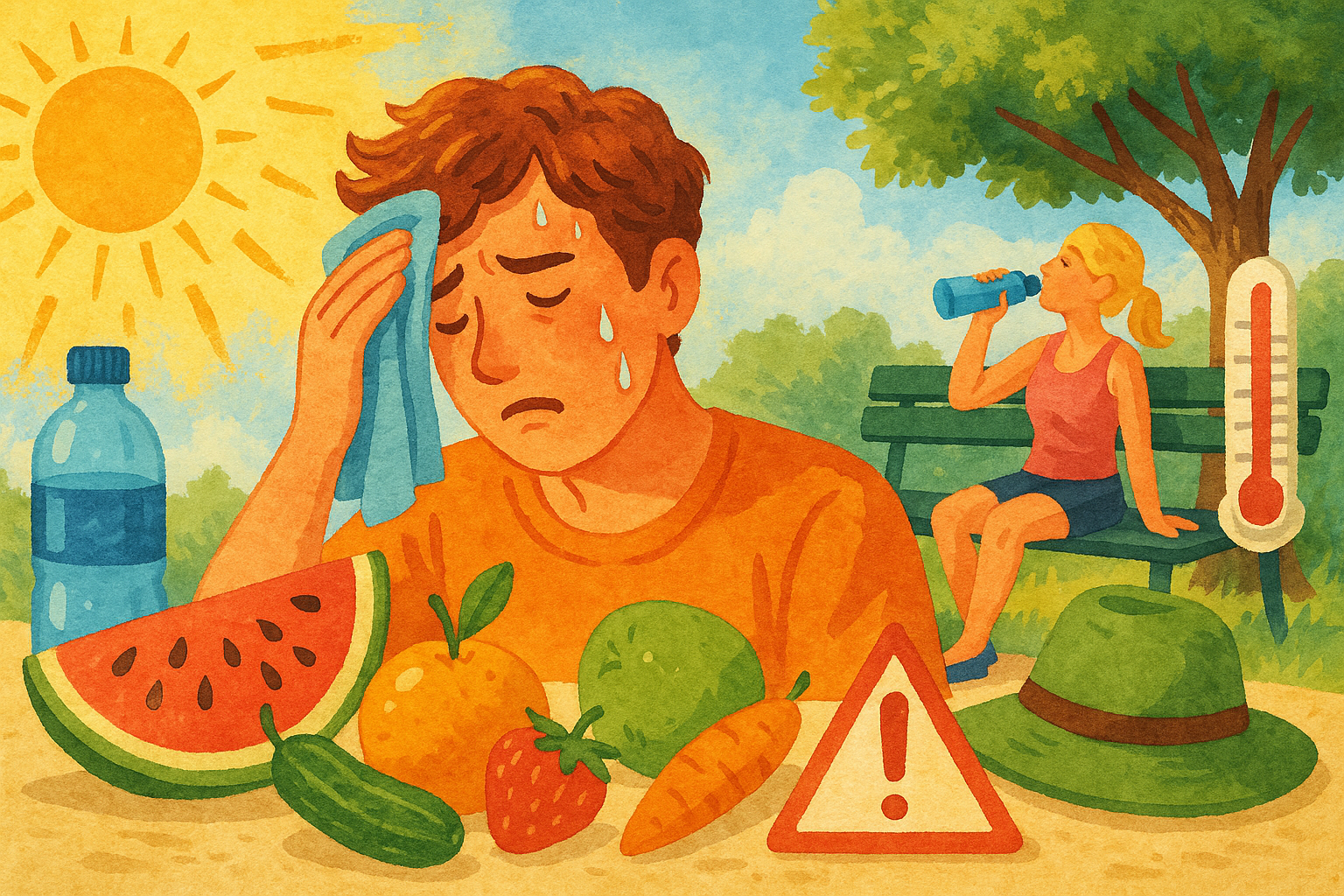
As global temperatures rise and summers grow hotter, heat stroke is becoming a critical public health concern. Whether you're enjoying a sunny day at the park or working outdoors, prolonged exposure to high heat without proper hydration or care can overwhelm your body's cooling system. Heat stroke is not just about overheating, it's a life-threatening condition that demands immediate attention. So, what can we do to protect ourselves, and how should we respond if it does happen?
In this article, we'll walk you through everything you need to know, including practical prevention strategies, recovery protocols at each stage, and a deep dive into how nutrition and hydration can support your body before, during, and after a heat-related episode.
Stage 1: Prevention – Preparing Your Body Before the Heat Hits
Preventing heat stroke starts long before symptoms show up. A proactive approach includes adapting your lifestyle and diet to build internal resilience.
Hydration is key. Make water your best friend throughout the day, especially during warmer months. Include hydrating foods such as cucumbers, watermelon, oranges, strawberries, and celery. These foods provide electrolytes like potassium and magnesium that regulate fluid balance and muscle function. Coconut water is also a natural option that replenishes minerals without added sugars.
Dress and schedule smart. Wear light, breathable fabrics and plan your outdoor activities during cooler parts of the day, such as early mornings or evenings. Avoid caffeine and alcohol, which are dehydrating and may impair your body's temperature regulation.
Prep with balanced meals. A pre-heat balanced plate includes lean protein (e.g., grilled chicken, tofu), complex carbs (like brown rice or quinoa), and healthy fats (avocados, olive oil). These macronutrients help maintain stable energy levels and support your body's ability to handle temperature stress.
Stage 2: Onset – Immediate Response to Heat Exhaustion Symptoms
If you start experiencing dizziness, rapid heartbeat, nausea, confusion, or excessive sweating, it's your body sounding the alarm. This is the moment to act.
Get out of the heat immediately. Find shade or go indoors and rest. Cool down with a damp towel, fan, or by taking a lukewarm, not ice-cold, shower to help reduce core body temperature slowly and safely.
Rehydrate with intention. Sip small amounts of water every few minutes to avoid nausea. Include electrolyte-rich drinks like oral rehydration solutions or homemade drinks with a pinch of sea salt, lemon juice, and honey. Avoid sugary sodas or energy drinks, which can worsen dehydration.
Eat lightly but smart. Opt for cooling foods that don't burden digestion. Think cucumber salad with lemon and mint, yogurt with berries, or a banana for quick potassium replenishment. Avoid heavy, spicy, or fried foods as they can raise internal heat.
Stage 3: Critical Heat Stroke – Emergency Management and Immediate Aftercare
In the event of a full-blown heat stroke, characterized by loss of consciousness, hot dry skin, seizures, or a body temperature over 104°F, call emergency services immediately. While waiting, assist the person by placing them in a shaded area, applying cool compresses, and avoiding giving fluids if unconscious.
After emergency care, food and hydration become part of the healing process. Once the person is conscious and medically stable, begin reintroducing small sips of water and electrolyte beverages. Introduce bland, hydrating foods like soft fruits, clear broths, or steamed vegetables.
Support healing with anti-inflammatory choices. Bone broth, leafy greens, berries, turmeric-infused teas, and foods rich in antioxidants (like tomatoes and beets) help counteract systemic inflammation and oxidative stress. Aim for smaller, frequent meals that are easy to digest to reduce body load during recovery.
Post-Recovery: Rebuilding and Staying Aware
After a heat stroke, your body needs time to recalibrate. Pay attention to lingering symptoms like fatigue, trouble concentrating, and low appetite, as they may indicate your system is still under stress. Give yourself a few days to recover fully before resuming vigorous activities.
Replenish lost nutrients. Incorporate magnesium-rich foods (pumpkin seeds, spinach), potassium (bananas, sweet potatoes), and vitamin C-rich choices (bell peppers, citrus) to help restore balance. A light smoothie with chia seeds, coconut water, and fresh fruit can be both hydrating and restorative.
Rebuild resilience. Continue hydration practices, keep electrolytes balanced, and establish routines for cooling your body after sun exposure. Pay attention to your body's signals, especially if you've had a heat stroke before, as recurrence risk is higher.
By tuning into your body's needs and giving it the care it deserves, you can not only recover but also prepare to prevent future episodes.
References
- Centers for Disease Control and Prevention (CDC). (2023). Heat-Related Illnesses. https://www.cdc.gov/niosh/heat-stress/about/illnesses.html
- Mayo Clinic. (2023). Heat stroke – Symptoms and causes. https://www.mayoclinic.org/diseases-conditions/heat-stroke/symptoms-causes/syc-20353581
- Harvard Health Publishing. (2021). Summer heat and your health. https://www.health.harvard.edu/search?content%5Bquery%5D=summer+heat
Note: The information provided should not replace professional medical advice.