Easing Knee Discomfort: How Food and Wellness Habits Can Support Joint Health
Knee discomfort can result from inflammation, weak muscle support, or nutritional deficiencies. Discover anti-inflammatory foods and lifestyle strategies to move more comfortably.
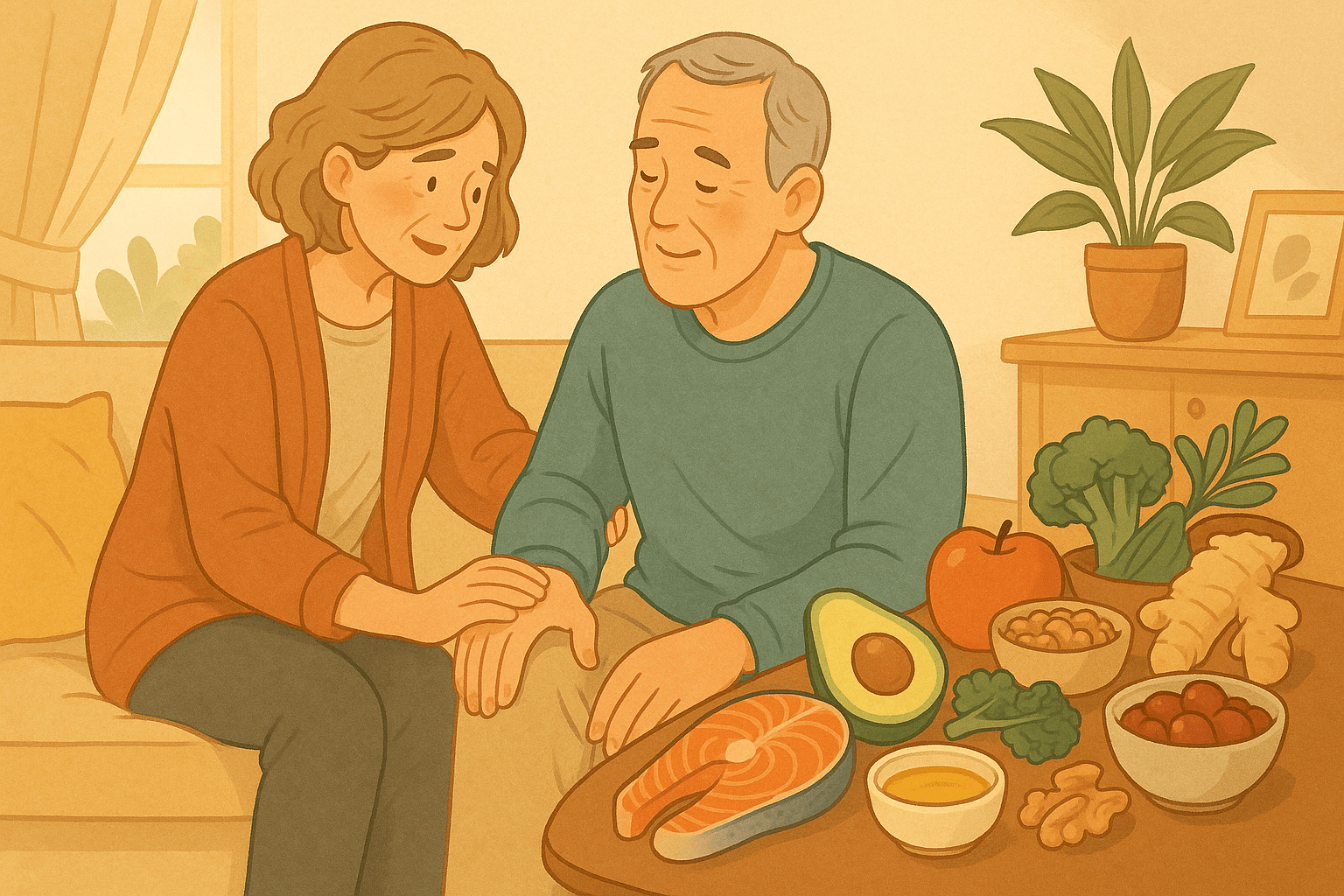
Are Your Knees Trying to Tell You Something?
Do your knees ache after a long walk, a hike, or even from standing too long? Are you experiencing soreness or tightness without a clear reason? Knee discomfort is one of the most common complaints in both active and aging populations. It can result from overuse, lack of muscle support, inflammation, or even nutritional deficiencies.
In this article, we'll explore common causes of knee discomfort, share foods that support joint and knee health, explain how to include them in your diet, and offer lifestyle and wellness strategies, so you can move more comfortably every day.
What's Behind the Knee Pain?
Not all knee soreness is caused by injury. Common contributors include:
- Inflammation from processed foods, stress, or underlying conditions like arthritis.
- Weak muscles and imbalanced movements, especially in the hips, glutes, or thighs.
- Overuse from repetitive activities, such as stair climbing, running, or kneeling.
- Lack of nutrients needed for joint lubrication and cartilage support.
Paying attention to these signs and supporting your body with the right inputs: starting with what you eat can make a big difference.
Anti-Inflammatory Foods That May Help Ease Knee Discomfort
Here are 10+ foods that can support joint health, reduce inflammation, and promote tissue recovery:
- Salmon: High in omega-3 fatty acids, which have anti-inflammatory effects that help reduce joint stiffness.
- Turmeric: Contains curcumin, a compound shown to relieve inflammation when consumed with black pepper.
- Cherries: Rich in anthocyanins, antioxidants linked to reduced soreness after physical exertion.
- Spinach: Contains vitamin K, magnesium, and plant-based compounds that support cartilage health.
- Walnuts: Offer omega-3s and polyphenols that help modulate inflammation.
- Ginger: Natural anti-inflammatory, can be grated into teas or meals to aid stiffness.
- Broccoli: Rich in sulforaphane, which may block enzymes linked to cartilage breakdown.
- Olive oil: A source of oleocanthal, a natural compound with effects similar to NSAIDs.
- Sweet potatoes: Loaded with beta-carotene and fiber, both support immune balance.
- Bone broth: Contains collagen, amino acids, and minerals that support joint integrity.
- Avocados: Full of monounsaturated fats and antioxidants, great for joint cell protection.
How to Incorporate These Foods into a Knee-Friendly Diet
To maximize benefits:
- Follow principles of the MIND diet, which emphasizes whole foods, healthy fats, and minimal processed sugar and red meats.
- Add salmon or sardines to weekly meals (grilled or baked).
- Use turmeric and black pepper in soups or roasted veggies.
- Snack on cherries or walnuts.
- Use olive oil as your primary cooking and salad oil.
- Drink ginger tea with lemon after activity.
- Add leafy greens and sweet potatoes into lunch bowls.
- Try a bone broth-based soup for dinner.
Eating for knee health is about consistency. Even small shifts can lower chronic inflammation and support stronger, more resilient joints over time.
Lifestyle and Wellness Tips to Support Your Knees
- Strengthen supporting muscles: Focus on low-impact exercises like resistance band work or Pilates.
- Practice joint mobility: Gentle yoga or tai chi can ease stiffness.
- Hydrate regularly: Water supports joint lubrication.
- Elevate after activity: Reduces inflammation and improves circulation.
- Apply heat or cold packs: As needed, post-exercise.
- Use proper footwear: Supportive shoes reduce joint strain.
- Maintain a healthy weight: Every extra pound adds pressure to knees.
- Limit inflammatory foods: Reduce intake of sugary snacks, fried foods, and excess red meat.
- Prioritize sleep: Recovery and tissue repair happen during deep sleep.
- Massage therapy: Can increase circulation and reduce tension around the knee.
- Magnesium baths: Epsom salts help ease joint soreness.
- Mindful walking: Be conscious of posture and gait to avoid uneven pressure.
- Take screen breaks: Sitting long hours can tighten hips and knees.
- Try compression wraps: For temporary swelling or support.
- Listen to your body: Don't push through pain—adjust your routine as needed.
Take Action, Feel Relief
Caring for your knees is a lifelong investment. If you've been feeling stiff, sore, or uncomfortable during daily movement, start with your plate and daily habits. These changes don't require expensive treatments; they rely on awareness, consistency, and nourishing your body from the inside out.
Take care of your knees, and they'll take care of you.
References
- Calder PC. Omega-3 fatty acids and inflammatory processes: from molecules to man. Biochem Soc Trans. 2017;45(5):1105-1115. https://doi.org/10.1042/BST20160474
- Henrotin Y, Lambert C, Couchourel D, Ripoll C, Chiotelli E. Nutraceuticals: do they represent a new era in the management of osteoarthritis? A narrative review from the lessons taken with five products. Osteoarthritis Cartilage. 2011;19(1):1-21. https://doi.org/10.1016/j.joca.2010.10.017
- Panahi Y, et al. Curcuminoid treatment for knee osteoarthritis: a randomized double-blind placebo-controlled trial. Phytother Res. 2014;28(11):1625-1631. https://doi.org/10.1002/ptr.5174
Note: The information provided should not replace professional medical advice.