Junk Food Cravings Decoded: What Your Body Is Really Telling You
Cravings aren't just about willpower. They're often signals tied to nutrient deficiencies, emotional habits, or erratic eating patterns. Here's how to decode and respond wisely.
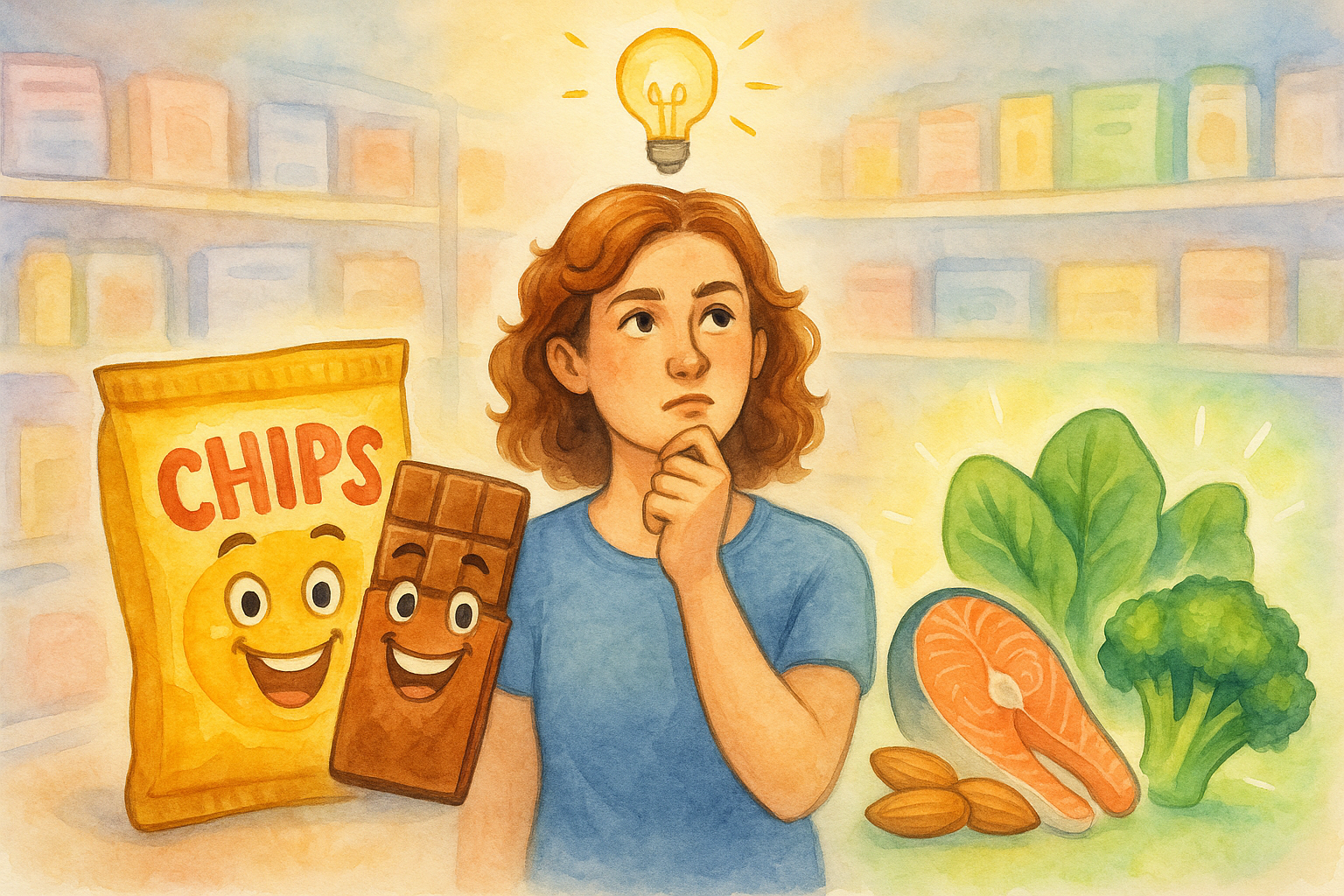
You walk past the snack aisle, and there you focus on crispy chips, gooey cookies, fizzy sodas, just to name a few. Somehow, despite your best intentions, a bag ends up in your cart. Sound familiar?
But have you ever paused to ask: what is my body really asking for when I reach for junk food? Could that craving be a signal for something deeper?
In this article, we'll explore what might be driving those cravings, the key nutrients your body could be missing, and the subtle signs it's sending. You'll also find 10 practical tips to help manage cravings and nourish your body in a more sustainable way. Understanding what your body truly needs can turn impulse eating into informed choices. Let's dig in!
What Your Body Might Be Trying to Tell You
Cravings aren't just about willpower. They're often tied to nutrient deficiencies, emotional habits, or erratic eating patterns. Junk food is engineered to trigger dopamine, the brain's reward signal, but your body may be seeking specific nutrients that it's not getting from your daily meals.
For example, frequent cravings for salty snacks might signal a need for electrolytes or minerals like magnesium. Sugar cravings could be linked to blood sugar imbalances, poor sleep, or even low chromium levels.
A 2018 study in Appetite highlights how stress, micronutrient deficiencies, and inadequate meals throughout the day can all contribute to craving highly processed foods. Fixing the root issue starts by examining lifestyle and diet.
Common Nutrient Signals Hiding Behind Junk Food Cravings
1. Magnesium
- Why It Matters: Magnesium regulates muscle function, blood sugar levels, and energy metabolism.
- What You Might Feel: Craving chocolate or salty snacks, frequent fatigue, muscle cramps.
- How to Fix It: Add leafy greens, nuts, seeds, and legumes to your diet. Dark chocolate with >70% cacao is also a good source.
- Science Says: Magnesium deficiency has been linked to increased stress and emotional eating. NIH Fact Sheet
2. Chromium
- Why It Matters: Helps regulate blood sugar by enhancing insulin action.
- What You Might Feel: Intense sugar cravings, fatigue after meals, irritability.
- How to Fix It: Include broccoli, eggs, whole grains, and nuts.
- Science Says: Chromium supplementation has shown improvements in appetite control and glucose regulation. PubMed Study
3. Iron
- Why It Matters: Supports oxygen transport and energy levels.
- What You Might Feel: Craving ice or non-food items (a condition known as pica), feeling drained or dizzy.
- How to Fix It: Eat more lentils, spinach, lean meats, and pair with vitamin C-rich foods for absorption.
- Science Says: Iron deficiency is a common trigger for unusual cravings. NIH Iron Fact Sheet
4. Zinc
- Why It Matters: Essential for immune function, taste, and wound healing.
- What You Might Feel: Constant snacking, altered taste, slow healing.
- How to Fix It: Add seafood, pumpkin seeds, legumes, and dairy.
- Science Says: Zinc deficiency affects taste perception, which may increase junk food intake. NIH Zinc Facts
5. Omega-3 Fatty Acids
- Why It Matters: Supports brain health and mood regulation.
- What You Might Feel: Craving fatty foods, mood swings, brain fog.
- How to Fix It: Incorporate fatty fish (like salmon), flaxseeds, and walnuts.
- Science Says: Low omega-3 intake is linked to depression and impulsive eating. Harvard Omega-3 Review
Tips for Managing Junk Food Cravings
- Don't Skip Meals: Going too long without eating causes blood sugar crashes that intensify cravings.
- Stay Hydrated: Thirst can often be mistaken for hunger.
- Add Protein to Every Meal: Helps keep you full longer and stabilize blood sugar.
- Upgrade Your Snacks: Replace chips with roasted chickpeas or trail mix.
- Get Quality Sleep: Sleep deprivation boosts ghrelin (hunger hormone) and weakens impulse control.
- Practice Mindful Eating: Ask yourself if you're truly hungry or just stressed or bored.
- Stock Your Kitchen Smartly: Keep nourishing foods visible and junk food out of reach.
- Plan Ahead: Prepare healthy snacks so you're not left hungry and desperate.
- Manage Stress Without Food: Try journaling, stretching, or stepping outside.
- Fill Nutrient Gaps: Run a diet analysis or consult a nutritionist to see what's missing.
Final Thoughts
Craving junk food isn't a failure. It is often your body waving a flag. By understanding the real signals behind your cravings, you can respond with nourishment rather than regret. Start by noticing patterns, filling nutritional gaps, and practicing smart habits.
Your body is wiser than you think, and it might just need a bit more magnesium than marshmallows.
References
- NIH Office of Dietary Supplements. Magnesium Fact Sheet. https://ods.od.nih.gov/factsheets/Magnesium-HealthProfessional/
- Vincent JB. "The potential value and toxicity of chromium picolinate as a nutritional supplement." Altern Med Rev. 2003;8(3):218–27. https://pubmed.ncbi.nlm.nih.gov/16184071/
- NIH Office of Dietary Supplements. Iron Fact Sheet. https://ods.od.nih.gov/factsheets/Iron-HealthProfessional/
- NIH Office of Dietary Supplements. Zinc Fact Sheet. https://ods.od.nih.gov/factsheets/Zinc-HealthProfessional/
- Harvard T.H. Chan School of Public Health. Omega-3 Fatty Acids. https://www.hsph.harvard.edu/nutritionsource/omega-3-fats/
Note: The information provided should not replace professional medical advice.