Smart Eating for Strong Kidneys: A Friendly, Science‑Based Guide
Two fist-sized organs work around the clock filtering your blood. Learn which foods protect kidney function, and how nutrition changes when chronic kidney disease enters the picture.
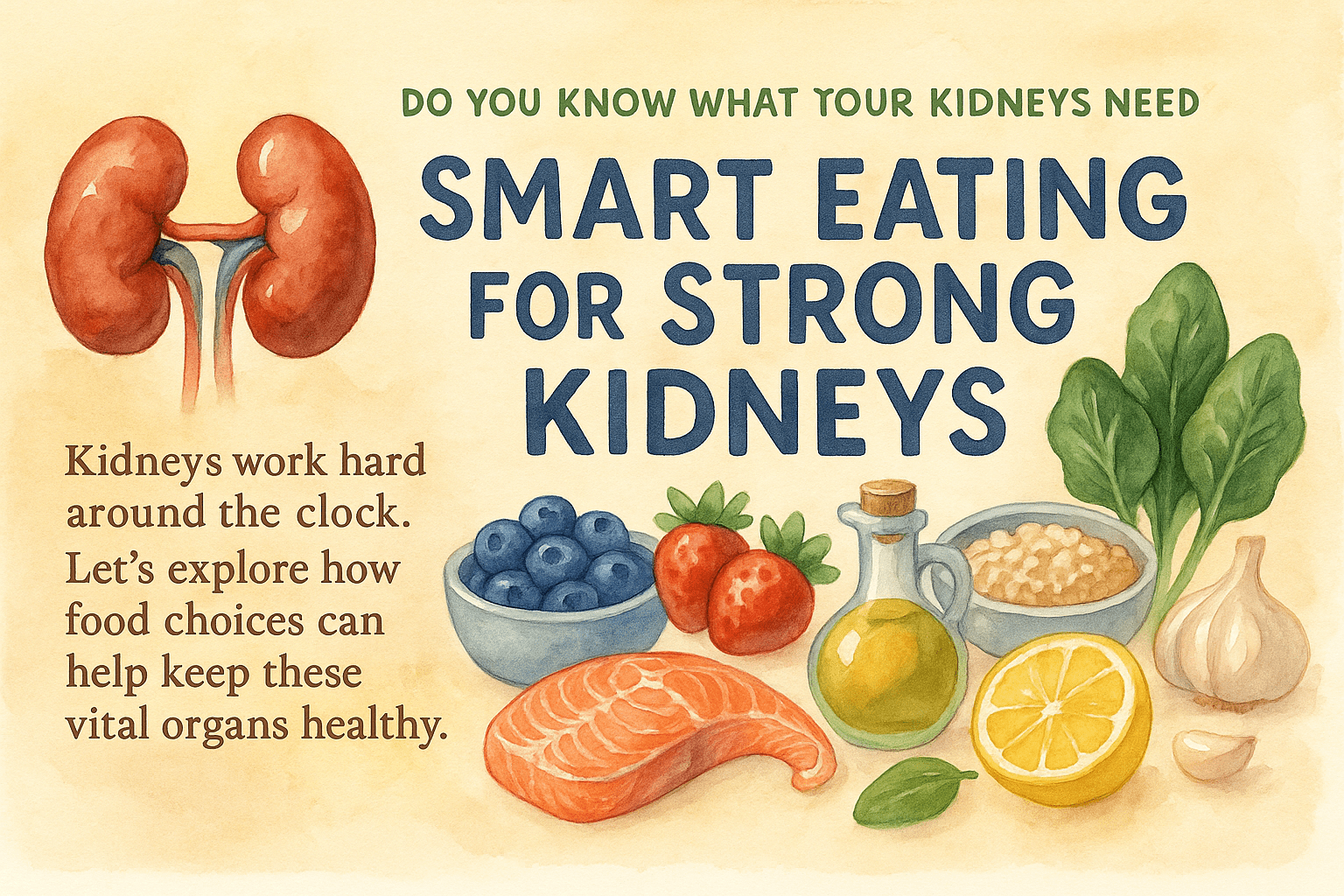
Do You Know What Your Kidneys Need?
Kidneys don't ask for much attention until something goes wrong. Yet these two fist‑sized organs work around the clock, balancing fluids and minerals, filtering waste, and helping control blood pressure and red‑blood‑cell production. If you've ever wondered, "What should I eat to keep my kidneys healthy?" or "If I already have kidney disease, how should I adjust my diet?", then, you're in the right place. In this guide, we'll explore what the kidneys do, why food choices matter so much, which foods tend to support kidney health, and how nutrition changes when chronic kidney disease (CKD) enters the picture. We'll close with practical tips and trusted references you can use to go deeper.
What Your Kidneys Do, and Why It Matters Every Day
Your kidneys filter your blood about 40 times a day, removing excess water, urea, and toxins while conserving helpful substances. They fine‑tune electrolytes (sodium, potassium, calcium, phosphorus), help activate vitamin D for bone health, produce hormones that regulate blood pressure (renin) and red blood cell production (erythropoietin), and keep your body's acid–base balance on track. When kidneys are healthy, you rarely notice them; when they're distressed, waste and fluid can build up, blood pressure may rise, bones weaken, anemia can develop, and heart risk increases. Because diabetes and hypertension are the top causes of CKD, the everyday choices that control blood sugar and blood pressure, diet, movement, sleep, and stress, directly influence kidney longevity.
Foods That Tend to Support Kidney Health (for the General Population)
If you do not have diagnosed CKD or specific electrolyte restrictions, these foods can fit well in a kidney‑supportive pattern. If you do have CKD, skip to the next section for stage‑appropriate guidance.
- Colorful berries (blueberries, strawberries, raspberries). Rich in polyphenols and vitamin C, berries help counter chronic oxidative stress and low‑grade inflammation linked to vascular and kidney damage. Their fiber supports healthier post‑meal glucose responses, indirectly easing kidney workload. Enjoy fresh or frozen on yogurt, oatmeal, or salads.
- Leafy greens (spinach, kale, arugula) and crucifers (broccoli, cauliflower). These provide folate, vitamin K, and phytonutrients that support vascular health. Crucifers add sulforaphane precursors that upregulate antioxidant defenses. If potassium is not restricted, sauté or steam lightly; if you later need lower‑potassium options, choose arugula, cabbage, or cauliflower more often.
- Whole grains with intact fiber (oats, barley, quinoa, brown rice). Fiber helps improve insulin sensitivity and cholesterol—two wins for kidneys. Barley and oats are especially helpful for steadying post‑meal glucose. If phosphorus becomes a concern in CKD, portion sizes or grain choices may need adjustment (see next section).
- Legumes (beans, lentils, chickpeas). High in fiber and plant protein, legumes support cardiometabolic health. Rinsing canned beans lowers sodium; soaking and cooking from dry can improve digestibility. In CKD, legumes can still fit in many plans with careful portioning and lab‑guided potassium/phosphorus management.
- Fish rich in omega‑3s (salmon, sardines, trout). EPA/DHA support heart and vascular health, which is tightly linked to kidney outcomes. Choose grilled, baked, or steamed preparations; limit added salt.
- Olive oil and nuts (walnuts, almonds) in modest portions. Extra‑virgin olive oil provides polyphenols that may reduce vascular inflammation. Nuts add magnesium and healthy fats that support blood pressure and glucose control. In later‑stage CKD, portion sizes may need adjustment for potassium and phosphorus.
- Herbs, spices, citrus, and aromatics (garlic, onion, lemon, rosemary). These boost flavor without extra sodium, making it easier to keep blood pressure in check. Fresh lemon juice and zest can brighten dishes so you rely less on the salt shaker.
- Fluids, mostly water. Adequate hydration helps kidneys clear solutes efficiently. For most healthy adults, drinking to thirst plus a bit more during heat or activity is reasonable. (If you have CKD or heart failure, your clinician may advise specific fluid limits.)
If You Already Have Chronic Kidney Disease: How Eating Changes
Nutrition for CKD is highly individual because needs differ by stage, lab values, and other conditions (e.g., diabetes, heart failure). Work with a renal dietitian whenever possible. The principles below reflect common evidence‑based targets used in CKD care:
1) Sodium: keep it low (generally ≤1,500–2,300 mg/day). High sodium raises blood pressure and fluid retention, stressing kidneys. Cook at home more often; limit packaged foods, fast food, canned soups, and salty condiments. Use herbs, acids (vinegars, citrus), and spices for flavor.
2) Protein: not too little, not too much. In earlier CKD (non‑dialysis), many plans aim for a moderate protein intake to reduce kidney workload while preserving muscle (your clinician will set a target, often around 0.6–0.8 g/kg/day for some; athletes or frail adults may differ). Prioritize high‑quality protein (eggs, fish, poultry, tofu/tempeh) and distribute it across meals. On dialysis, protein needs increase—follow your dialysis team's guidance.
3) Potassium: match intake to your lab results. Potassium can be high, normal, or low in CKD depending on medications and stage. If your potassium runs high, choose lower‑potassium produce more often (e.g., berries, apples, grapes, cabbage, cauliflower, cucumber) and use cooking methods like double‑boiling root vegetables to reduce potassium. If potassium is normal or low, many higher‑potassium foods (leafy greens, beans, tomatoes, avocados) can remain—with portion awareness and guidance.
4) Phosphorus: watch the hidden sources. Phosphorus from additives (look for "phos‑" on labels: phosphoric acid, sodium phosphate) is readily absorbed and can raise blood levels, harming bones and vessels. Limit dark colas, processed meats, processed cheeses, and shelf‑stable baked goods with phosphate additives. Natural phosphorus in whole foods is less absorbable; your dietitian can tailor portions of dairy, nuts, seeds, legumes, and whole grains.
5) Fluids: individualized. Some people with CKD retain fluid; others do not. Follow your care team's recommendations on daily fluid totals and sodium, which work together.
6) Blood sugar and blood pressure first. If diabetes or hypertension is present, controlling these is the single most kidney‑protective step. Pair carbohydrates with fiber and protein, move after meals, and monitor BP at home if advised.
A sample CKD‑friendly plate (for many, not all): 1/2 non‑starchy, lower‑potassium vegetables (e.g., cabbage, bell peppers, green beans), 1/4 whole grain or starch portioned to your plan (e.g., barley, rice, or boiled potatoes), 1/4 high‑quality protein (fish, chicken, tofu), plus olive oil, herbs, and a squeeze of lemon. Adjust portions and specific foods per your labs.
Putting It Into Practice: Smart, Kidney‑Conscious Eating
- Cook more at home. Restaurant and packaged foods are major sodium and phosphate‑additive sources. Batch‑cook grains and beans; build bowls with vegetables, protein, and a flavorful sauce made from herbs, citrus, and olive oil.
- Read labels for "phos‑." Phosphate additives absorb almost completely; swapping to additive‑free choices can meaningfully lower phosphorus load.
- Season without salt. Try lemon, lime, vinegars, garlic, ginger, smoked paprika, cumin, and fresh herbs. Citrus brightens flavors so you miss the salt less.
- Build fiber into every meal. Aim for vegetables and a fiber‑rich carb (oats, barley, beans, lentils) most meals—adjusting types/portions if potassium or phosphorus is high.
- Choose beverages wisely. Favor water, unsweetened tea, and small amounts of coffee over sugary drinks and dark colas (often high in phosphoric acid). Alcohol in moderation only if your clinician agrees.
- Mind protein portions. Spread protein across meals to meet your target without overdoing it. Include plant proteins when possible; they often come with helpful fiber and fewer additives.
- Be carb‑smart if you have diabetes. Pair carbs with protein and vegetables; limit refined sweets and liquid sugars that spike glucose and stress kidneys.
- Move most days. Gentle, regular activity helps blood pressure, insulin sensitivity, weight management, and mood—all protective for kidneys.
- Sleep and stress matter. Poor sleep and chronic stress worsen blood pressure and glucose control. Set a regular sleep schedule and practice brief stress‑relief habits (walks, breathing exercises).
- Partner with a renal dietitian. Individual lab trends (potassium, phosphorus, bicarbonate, albumin) guide the best food choices for you.
Wrap‑Up: Quiet Organs, Big Impact
A kidney‑smart way of eating isn't about restriction for its own sake, it's about protecting two small organs with outsized jobs. If you don't have CKD, focusing on whole, minimally processed foods, limited sodium, plenty of fiber, and heart‑healthy fats is a wise long‑term bet. If you do have CKD, thoughtful adjustments to sodium, protein, potassium, and phosphorus, guided by your labs and a renal dietitian, can help you feel better today and slow progression over time. Small, consistent changes add up. Your kidneys may be quiet, but what you put on your plate speaks volumes in their favor.
References
- KDOQI Clinical Practice Guideline for Nutrition in CKD (2020 Update). Am J Kidney Dis. 2020;76(3 Suppl 1):S1–S107. https://doi.org/10.1053/j.ajkd.2020.05.006
- National Kidney Foundation. "Phosphorus and Your CKD Diet." https://www.kidney.org/kidney-topics/phosphorus-and-your-ckd-diet
- Centers for Disease Control and Prevention (CDC). "Chronic Kidney Disease in the United States." https://www.cdc.gov/kidneydisease/
Note: The information provided should not replace professional medical advice.