Magnesium & Your Health: A Friendly, Science‑Based Guide to Spotting Imbalance and Eating Smart
Magnesium powers hundreds of reactions every day. Learn the signs of imbalance, the best food sources, and smart tips to keep this essential mineral working for you.
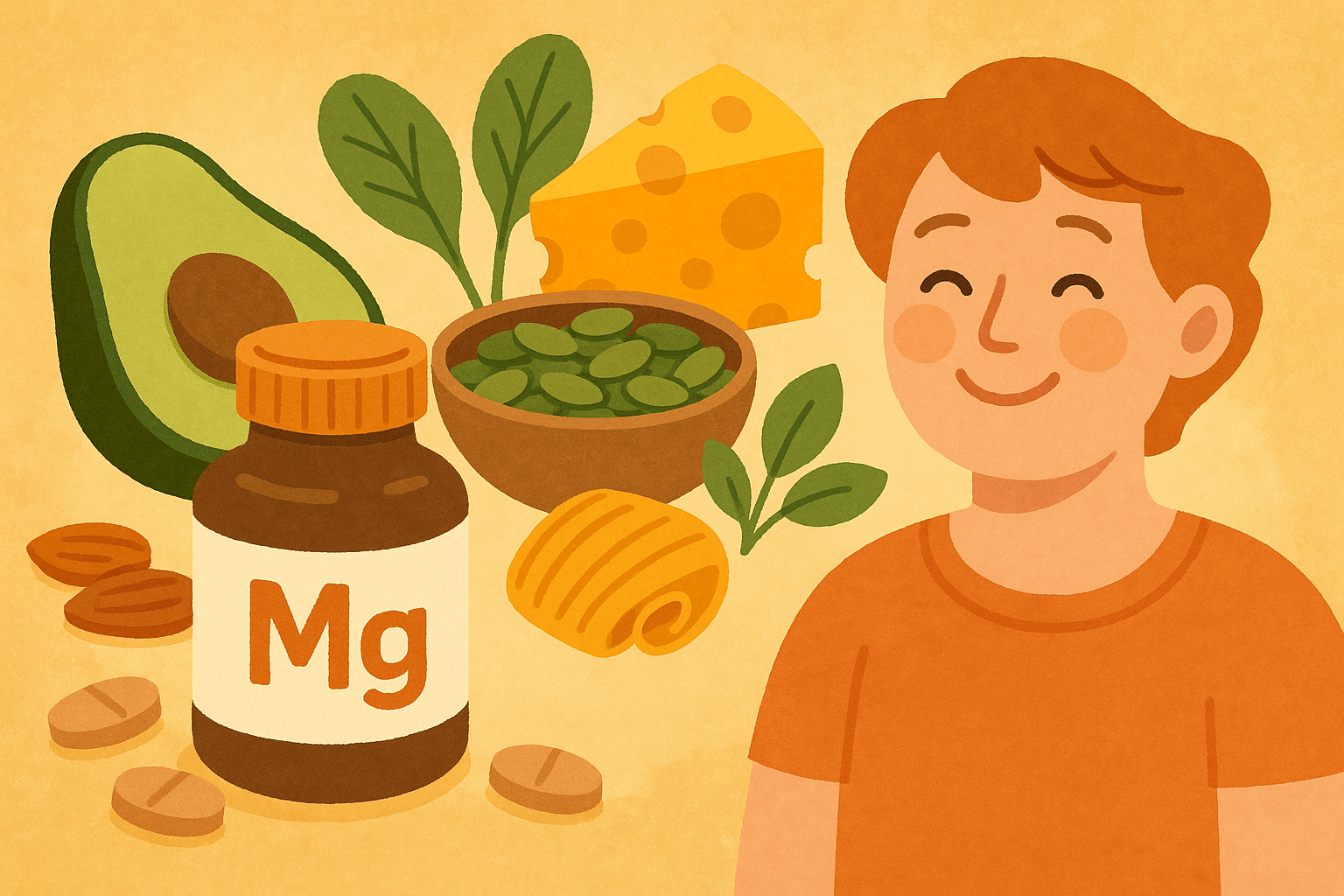
Did You Know Magnesium Touches Almost Every System in Your Body?
Ever feel unexplained muscle cramps at night, eyelid twitches, low energy that coffee doesn't fix, or a run of restless sleep? Do you get frequent headaches, feel more anxious under routine stress, or notice constipation after a travel week? While many factors can cause these symptoms, an imbalance of magnesium (Mg), either too little (more common) or occasionally too much, might be part of the picture. Magnesium rarely grabs headlines, yet it quietly powers hundreds of reactions every day. In this guide, we'll explore what magnesium does, how to recognize signals of imbalance, which foods help you meet needs naturally, and how to make smart adjustments.
What Magnesium Does and Why It Matters
Magnesium is an essential mineral and electrolyte involved in more than 300 enzymatic reactions. Highlights:
- Energy & metabolism: Mg stabilizes and activates ATP, the body's energy currency, so every cell can do its job.
- Muscle & nerve function: It helps muscles contract and relax in balance and supports normal nerve signaling (including heart rhythm).
- Glucose and blood‑pressure regulation: Adequate Mg is associated with better insulin sensitivity and healthier blood‑pressure patterns.
- Bone structure: About 50-60% of the body's Mg resides in bone, contributing to mineral structure alongside calcium and vitamin D.
- DNA/RNA synthesis & repair: Mg participates in building and maintaining genetic material.
- Mood & sleep: Observational and intervention studies suggest Mg can support sleep quality and calm under stress in some people (not a sedative, but part of balanced physiology).
Because serum magnesium is tightly regulated, levels can look "normal" while body stores are low. That's why paying attention to symptoms + diet + risk factors is helpful.
Signs & Situations: When Magnesium May Be Out of Balance
Possible signs of low magnesium (hypomagnesemia)
- Muscle cramps or twitches; restless legs
- Fatigue, low appetite, nausea/constipation
- Headaches or increased migraine frequency
- Numbness/tingling, irritability, poor sleep
- Heart rhythm changes in severe deficiency (medical evaluation needed)
Who's at higher risk?
- Low dietary intake (few nuts, seeds, legumes, whole grains, greens)
- Gastrointestinal losses (Crohn's, celiac, chronic diarrhea)
- Type 2 diabetes (urinary Mg losses), alcohol use disorder
- Medications: chronic proton‑pump inhibitors (PPIs), some diuretics, certain chemotherapies
- Older adults (lower intake/absorption)
Possible signs of high magnesium (hypermagnesemia)
Usually rare and linked to kidney impairment or excess supplemental/antacid magnesium. Symptoms can include flushing, nausea, low blood pressure, weakness, and in severe cases, dangerous heart rhythm changes. Seek medical care if suspected, this is not from food but from impaired excretion or very high supplemental intakes.
Important: These symptoms overlap with many conditions. Use them as prompts, not diagnoses, to review diet and talk with a clinician.
Eat Your Magnesium: Food Sources That Help You Meet Needs
Aim to cover your daily needs mostly from food. Adult RDAs are roughly 400-420 mg/day for men and 310-320 mg/day for women (higher in pregnancy/lactation). Great sources include:
- Pumpkin seeds (pepitas): ~150-160 mg per ounce (28 g). Sprinkle on oats, salads, or yogurt; blend into pesto.
- Almonds & cashews: ~75-80 mg per ounce. Pair with fruit for a steady snack.
- Legumes (black beans, chickpeas, lentils): ~60-120 mg per cup cooked. Add to soups, curries, tacos; rinse canned beans to reduce sodium.
- Leafy greens (spinach, Swiss chard): ~75-150 mg per cooked cup. Lightly steam/sauté with olive oil and garlic to enhance absorption of fat‑soluble partners.
- Whole grains (oats, barley, quinoa, brown rice): ~40-80 mg per cooked cup. Choose intact or minimally processed forms.
- Dark chocolate (70-85%): ~60-65 mg per ounce. Enjoy as a mindful square after meals.
- Avocado: ~40 mg per fruit; mash on whole‑grain toast or add to salads.
- Tofu/tempeh: ~35-75 mg per serving (varies with coagulant); stir‑fry with vegetables and sesame.
- Bananas: ~30-35 mg per medium banana; great in smoothies or oatmeal.
- Mineral waters (some brands): Mg varies widely, check labels if you use sparkling/mineral water.
Fortified foods (some breakfast cereals, plant milks) also contribute, scan nutrition labels.
Cooking tip: Mg is water‑soluble. If you boil greens/legumes, repurpose the cooking liquid in soups to keep minerals in your meal.
Noticing the Signals: How to Spot Your Personal Mg Pattern
- Diet snapshot: For 3-5 days, note if you hit 2-3 servings/day from Mg‑rich groups (nuts/seeds, legumes, whole grains, leafy greens). If not, add one at a time.
- Symptom journal: Track cramps, sleep quality, headaches, energy, and bowel regularity. Look for changes after boosting Mg‑rich foods.
- Context check: List medications and conditions (PPIs, diuretics, diabetes, GI issues). These may raise Mg needs or losses, share with your clinician.
- Lab conversations: Serum Mg can miss marginal deficiency. If symptoms persist, ask your clinician whether checking magnesium, alongside potassium, calcium, vitamin D, and A1c if relevant, makes sense. Never self‑treat severe symptoms with high‑dose supplements.
Smart Tips to Balance Magnesium (Food First; Supplements Carefully)
- Build a "Mg‑friendly" plate most days:
- Half vegetables (include a leafy green)
- A quarter legumes or whole grains
- A quarter protein (fish, poultry, tofu/tempeh, eggs)
- Add nuts/seeds and olive oil
- Snack with purpose: Nuts + fruit; yogurt + pumpkin seeds; hummus + whole‑grain crackers.
- Cook once, eat twice: Batch‑cook a pot of lentils/beans and a tray of roasted greens/veg to tuck Mg into lunches all week.
- Hydrate wisely: Excess alcohol increases Mg loss; moderate intake and include water between drinks. Mineral waters can contribute small amounts of Mg.
- Mind medicine timing: If you take thyroid hormone, certain antibiotics (tetracyclines/quinolones), or bisphosphonates, separate Mg‑containing supplements by at least 2-4 hours to avoid absorption interference. Ask your pharmacist for specifics.
- Supplement sanity: If diet changes aren't enough and your clinician agrees, common forms include magnesium citrate, glycinate, or chloride. The tolerable upper intake level (UL) for supplemental Mg is 350 mg/day for adults (does not include food). Higher doses may trigger diarrhea or, rarely, more serious effects, especially with kidney disease. Start low, take with food, and reassess.
- Special groups: Older adults, people with type 2 diabetes, GI disorders, alcohol use disorder, or long‑term PPI use may need closer attention to Mg intake and labs.
A One‑Day Magnesium‑Rich Sample Menu (Adjust as Needed)
- Breakfast: Oatmeal cooked in milk/fortified plant milk; topped with sliced banana, pumpkin seeds, and a square of grated dark chocolate.
- Lunch: Lentil‑vegetable soup with a side salad (spinach + avocado + olive oil/lemon zest); slice of whole‑grain bread.
- Snack: Greek yogurt with blueberries and chopped almonds.
- Dinner: Baked salmon (or tofu) with quinoa and garlicky sautéed Swiss chard; sprinkle of sesame.
Wrap-Up: Eat Mindfully, Watch the Signals, Partner With Your Clinician
Magnesium is small but mighty, powering energy, muscles, nerves, heart rhythm, blood pressure, bone, and more. Most of us can meet our needs by prioritizing Mg‑rich whole foods and keeping an eye on lifestyle factors that drain stores. Notice your body's signals, track simple patterns, and use supplements only when needed and advised. With a little attention and a lot of tasty meals, you can keep magnesium working quietly and effectively behind the scenes.
References
- NIH Office of Dietary Supplements (ODS). "Magnesium-Fact Sheet for Health Professionals." https://ods.od.nih.gov/factsheets/Magnesium-HealthProfessional/
- Harvard T.H. Chan School of Public Health. The Nutrition Source-Magnesium. https://www.hsph.harvard.edu/nutritionsource/magnesium/
Note: The information provided should not replace professional medical advice.