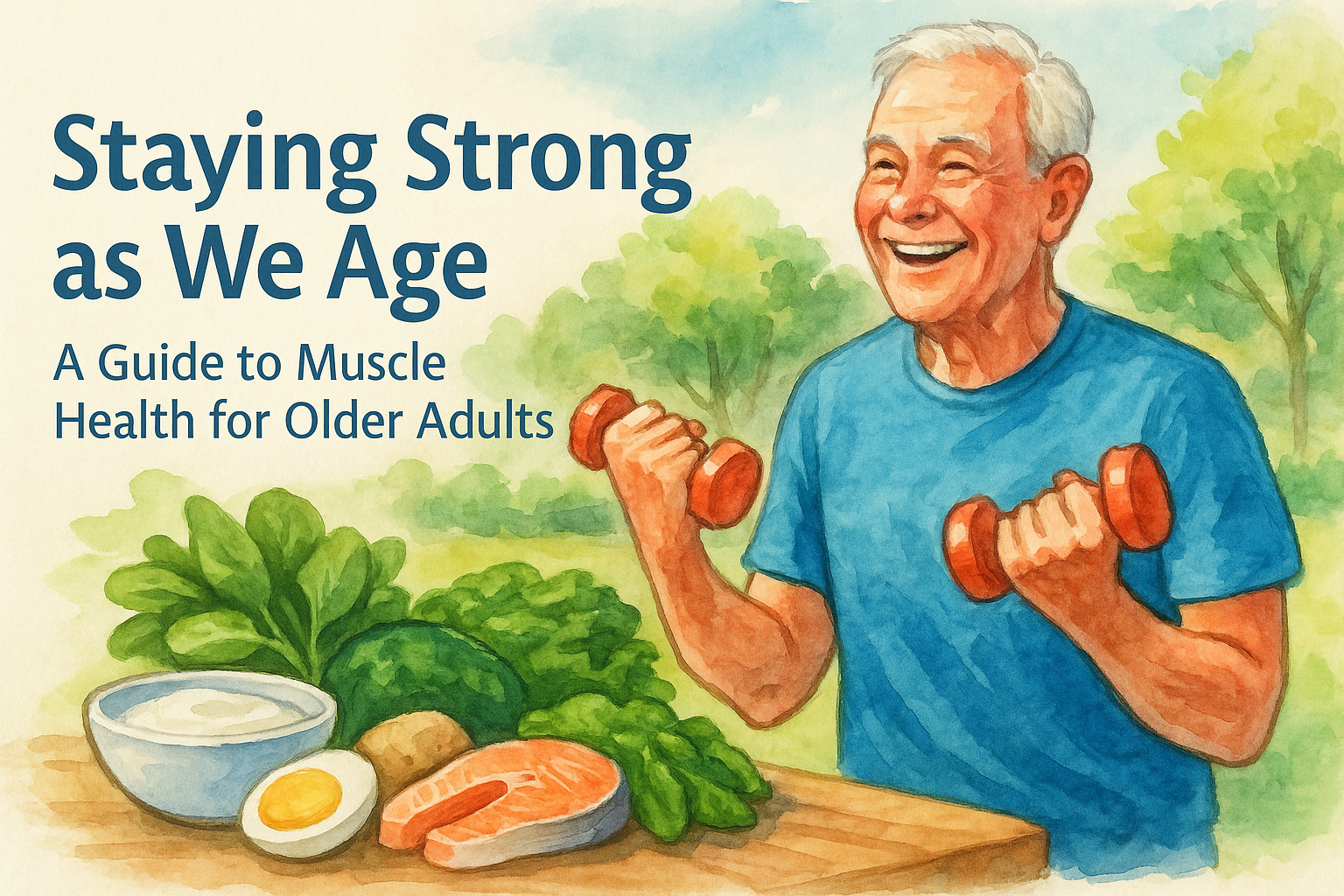
Staying Strong as We Age: A Guide to Muscle Health for Older Adults
Healthy aging means staying strong, active, and capable. This guide covers the best muscle-supporting foods, drinks, exercises, and lifestyle habits tailored for older adults.

Aging Gracefully Means Staying Strong
Have you ever wondered what healthy aging truly looks like? It's not about simply living longer: it's about living better. One of the biggest concerns as we age is losing muscle strength. You might notice it when carrying groceries feels heavier or when standing up takes more effort than it used to. But here's the good news: getting older doesn't have to mean giving up your independence or relying on others for daily tasks.
In fact, aging healthfully means staying strong, active, and capable. Your body changes with time, but with the right care, you can continue doing the things you love well into your later years. This guide will walk you through the essential tools for maintaining muscle health, covering the best foods, drinks, exercises, and lifestyle habits tailored especially for older adults.
Key Factors for Muscle Maintenance in Older Adults
To preserve muscle strength and function as we age, it's important to take a comprehensive approach. The four core areas to focus on are:
- Food: Fueling your body with muscle-supporting nutrients.
- Drink: Staying hydrated and choosing beverages that aid recovery and protein absorption.
- Exercise: Moving regularly and engaging in both strength and flexibility routines.
- Lifestyle: Building daily habits that support active, independent living.
Each of these plays a powerful role, and when combined, they create a strong foundation for healthy aging.
Muscle-Boosting Foods: What to Put on Your Plate
- Eggs: Rich in high-quality protein and leucine, an amino acid that plays a crucial role in muscle protein synthesis. Leucine acts as a signal to trigger muscle-building processes, especially after meals. For aging adults, this is vital because the body becomes less efficient at using protein to maintain muscle mass. Including eggs regularly can help provide a steady source of leucine to support muscle retention and strength.
- Greek Yogurt: Delivers a double dose of casein and whey proteins, offering both fast and slow-digesting benefits. Whey protein is quickly absorbed by the body, making it ideal for post-exercise muscle recovery, while casein digests slowly and provides a steady release of amino acids to support long-term muscle maintenance. This combination is especially helpful for older adults who may experience slower muscle protein synthesis. Incorporating Greek yogurt into meals or snacks can help ensure consistent support for muscle repair throughout the day.
- Salmon: Omega-3 fatty acids in salmon help reduce muscle inflammation and support recovery. These healthy fats enhance the integrity of muscle cell membranes and may improve muscle protein synthesis, especially in older adults experiencing age-related decline. Additionally, omega-3s may reduce the production of inflammatory cytokines that can impair muscle health over time. Regular consumption of salmon, ideally two servings per week, supports not just muscles but also heart and brain health.
- Chicken Breast: Lean protein helps build and preserve muscle. It's low in fat and rich in essential amino acids needed to stimulate muscle repair and growth. For older adults, including easily digestible protein like chicken in meals supports daily protein needs without overwhelming the digestive system. Pair with whole grains and vegetables for a balanced, nutrient-dense meal.
- Lentils: These legumes are high in plant-based protein and iron, both critical for muscle function. Iron supports oxygen delivery to working muscles, enhancing energy levels and performance. Lentils are also high in fiber and support heart health, which complements an active aging lifestyle. Use them in soups, stews, or grain bowls for hearty, muscle-friendly meals.
- Tofu: A complete plant protein that's also rich in calcium and iron. It provides all nine essential amino acids for muscle synthesis and is ideal for those reducing animal products. Calcium supports muscle contraction and bone strength, making tofu a dual-benefit option. Stir-fry with vegetables or blend into smoothies.
- Cottage Cheese: Contains casein protein, which digests slowly and provides a steady supply of amino acids overnight. This makes it an excellent bedtime snack to support overnight muscle maintenance. It's also high in calcium and phosphorus, both of which support muscular and skeletal health. Look for low-sodium versions to manage blood pressure.
- Quinoa: A gluten-free whole grain with all essential amino acids, making it a rare complete protein in the plant world. Quinoa is also high in magnesium and fiber, supporting muscle function and digestive health. Use it as a base for salads or a side dish to power your meals.
- Almonds: Provide plant-based protein, healthy fats, and vitamin E, which helps protect muscle cells from oxidative stress. Their magnesium content also aids in muscle contraction and relaxation. Eat a small handful as a snack or add to oatmeal or yogurt.
- Spinach: Loaded with iron, magnesium, and nitrates, which help reduce muscle fatigue and improve blood flow. Magnesium is essential for muscle relaxation, and iron helps maintain energy levels. Add steamed spinach to your meals or blend into smoothies.
- Bananas: Rich in potassium and carbohydrates, bananas help replenish glycogen stores and prevent muscle cramps. Potassium plays a role in nerve and muscle cell function, especially important after exercise. Enjoy them with a protein source for a complete post-workout snack.
Smart Hydration: Muscle-Supportive Drinks
- Water: Dehydration leads to fatigue and impaired muscle function. Water plays a vital role in regulating body temperature, transporting nutrients, and removing waste products that build up during exercise. Without proper hydration, muscles can cramp more easily, recover more slowly, and lose strength over time. Older adults often have a reduced sense of thirst, so it's important to sip water throughout the day, not just when feeling thirsty.
- Milk: A natural source of high-quality protein, calcium, and vitamin D. Casein and whey proteins in milk help stimulate muscle protein synthesis. Calcium supports muscle contraction and bone health, and vitamin D aids in muscle strength and coordination. Opt for low-fat milk after exercise to promote muscle recovery.
- Protein Shakes: Quick, convenient, and easily digestible, making them ideal for meeting increased protein needs in older adults. When consumed post-exercise, they help stimulate muscle repair and growth. Choose shakes with 20–30g of protein and minimal sugar.
- Green Tea: Contains antioxidants such as catechins that help reduce muscle cell damage and oxidative stress. Green tea may also support fat metabolism, indirectly aiding in weight control that benefits muscle efficiency. Enjoy a warm cup between meals to support wellness and hydration.
- Tart Cherry Juice: Rich in anthocyanins, known for their anti-inflammatory and antioxidant effects. Studies suggest tart cherry juice may help reduce muscle soreness and improve recovery after exercise. A small glass post-workout can offer these benefits without excess sugar intake.
Movement That Matters: 10 Exercises for Older Adults
- Chair Squats: Strengthens thighs and hips. These muscle groups are essential for daily activities like standing up, climbing stairs, and walking safely. Strong thighs and hips also contribute to better balance and posture, reducing the risk of falls, which is a major concern for older adults. Focus on slow, controlled movement to maintain joint safety and build functional strength over time.
- Wall Push-Ups: Builds upper body strength in a joint-friendly way. This move engages the chest, shoulders, and arms, which are important for daily tasks like opening jars or pushing doors. Start with 10 repetitions and increase as your strength improves.
- Toe Stands: Strengthens calves and improves ankle stability, both crucial for balance. Repeated practice enhances circulation in the lower limbs and helps prevent falls.
- Seated Leg Extensions: Targets the quadriceps, which are key for walking, standing up, and maintaining stability. Perform slowly to maximize muscle activation without risking knee strain.
- Resistance Band Rows: Strengthens the upper back, helping with posture and reducing shoulder rounding. This is particularly helpful for those who spend time sitting or working at a desk.
- Step-Ups: Mimic stair-climbing, improving both cardiovascular fitness and leg power. Step up slowly and control the descent to engage stabilizer muscles.
- Bridges: Strengthens the glutes and lower back, essential for lifting, bending, and walking uphill. Holding the bridge position also engages core muscles for stability.
- Arm Curls with Light Weights: Keeps forearms and biceps strong for carrying groceries or lifting items. Control the motion to reduce the risk of joint strain.
- Marching in Place: Enhances circulation and cardiovascular health while strengthening hips and thighs. Try marching during TV commercials as a simple habit.
- Gentle Yoga or Tai Chi: Improves flexibility, balance, and mental focus. These practices promote relaxation while building joint stability and muscle control.
Lifestyle Habits That Support Muscle Strength
- Get Consistent Sleep: Sleep is when muscles rebuild. During deep sleep stages, the body releases growth hormone, which plays a critical role in tissue repair and muscle growth. Inadequate sleep can impair this process, leading to slower recovery and reduced strength over time. Establishing a consistent bedtime and limiting screen exposure before bed can help promote the restful, restorative sleep needed for healthy muscles.
- Avoid Long Periods of Sitting: Sitting for extended periods reduces blood flow and leads to muscle atrophy over time. Breaking up sitting with light movement helps stimulate muscle engagement and metabolism.
- Reduce Stress: Chronic stress elevates cortisol levels, which can inhibit muscle repair and lead to breakdown. Mindfulness practices like meditation and gentle walking help lower stress and support overall well-being.
- Plan Balanced Meals: Combining protein with complex carbs and healthy fats supports muscle fueling and recovery. Variety ensures that you get all essential amino acids and micronutrients needed for muscular health.
- Schedule Regular Check-Ups: Blood tests can reveal nutrient deficiencies such as vitamin D, B12, and iron, all of which are critical for maintaining muscle strength and energy. Addressing these early can improve long-term physical function.
Final Thoughts
Aging doesn't mean slowing down: it means adapting smarter. By integrating nutrient, dense foods, hydration, strength, building exercises, and mindful habits into daily life, older adults can protect and even improve their muscle health. Muscle strength supports independence, mobility, and a higher quality of life. Start today with small, intentional steps, and watch your vitality grow.
References
- Deutz, N. E. P., et al. (2014). Protein intake and exercise for optimal muscle function with aging: Recommendations from the ESPEN Expert Group. Clinical Nutrition https://www.clinicalnutritionjournal.com/article/S0261-5614(14)00111-3/fulltext
- Bauer, J., et al. (2013). Evidence-based recommendations for optimal dietary protein intake in older people: A position paper from the PROT-AGE Study Group. Journal of the American Medical Directors Association, 14(8), 542–559. https://doi.org/10.1016/j.jamda.2013.05.021
- Popkin, B. M., D'Anci, K. E., & Rosenberg, I. H. (2010). Water, hydration, and health. Nutrition Reviews, 68(8), 439–458. https://academic.oup.com/nutritionreviews/article-abstract/68/8/439/1841926?redirectedFrom=fulltext&login=false
Note: The information provided should not replace professional medical advice.