What to Eat and Do When You Didn't Sleep Well: A Holistic Guide to Caring for Your Body After a Rough Night
A missed night of rest doesn't have to mean a missed opportunity for wellness. The right foods and lifestyle choices can nourish and support your body on sleep-deprived days.
When the Night Steals Your Rest, Your Day Deserves More Care
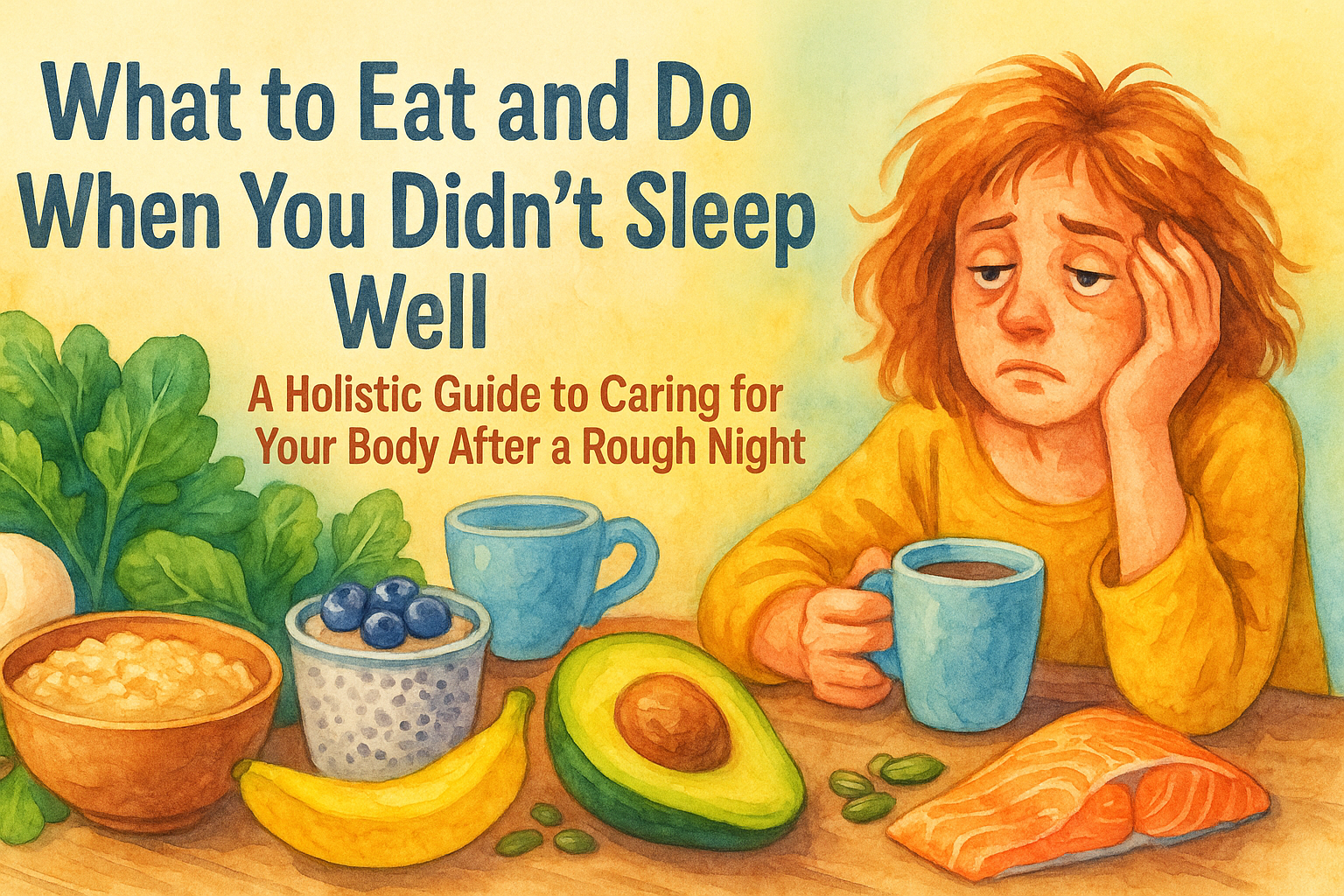
We've all had those nights, whether it's a noisy party next door, anxious thoughts, or an unexpected insomnia that robbed us of precious sleep. While it may seem like you can "power through," lack of sleep takes a toll on your body, mind, and even digestion. But here's the good news: with the right foods and thoughtful lifestyle choices, you can still nourish and support your body. A missed night of rest doesn't have to mean a missed opportunity for wellness. This guide will walk you through how to care for your body with a holistic nutritionist's lens on days following poor sleep.
Smart Food Choices: What to Eat (and Avoid) After a Sleepless Night
10+ Foods to Prioritize
- Oatmeal: Rich in complex carbs and fiber, oatmeal provides a slow release of energy and helps stabilize blood sugar, countering the mood swings often caused by sleep deprivation.
- Eggs: Packed with protein and choline, eggs help support brain function and muscle maintenance. Protein also helps keep you full and focused.
- Leafy Greens: Spinach, kale, and arugula are full of magnesium and antioxidants, which help regulate stress responses and inflammation.
- Avocados: High in potassium and healthy fats that support nerve and muscle function. They also help keep your energy stable.
- Salmon: Rich in omega-3s, which are anti-inflammatory and may help regulate mood and cognitive function.
- Bananas: A good source of potassium, magnesium, and natural sugars to gently boost energy without spiking blood sugar.
- Greek Yogurt: Contains probiotics for gut health and protein to keep you satisfied.
- Blueberries: High in antioxidants that combat oxidative stress, which tends to increase after sleep deprivation.
- Pumpkin Seeds: Offer zinc and magnesium to support immune and nervous system health.
- Herbal Teas (like chamomile or peppermint): Support digestion and calm the nervous system.
- Chia Pudding: Full of fiber, omega-3s, and protein, it's an easy-to-digest option when you're low on energy.
10+ Foods to Avoid
- Sugary Cereals: Quick spikes and crashes in blood sugar can worsen fatigue and irritability.
- Energy Drinks: These may provide a temporary jolt, but often cause dehydration and a hard crash later.
- Pastries or Doughnuts: High in sugar and low in nutrients, they can increase inflammation.
- Fried Foods: Hard to digest and can leave you feeling sluggish.
- Processed Meats: Contain additives and sodium that may contribute to water retention and foggy feelings.
- Too Much Coffee: One cup is okay, but relying on multiple cups increases cortisol and affects mood and focus.
- Soda: Full of sugar and artificial additives that contribute to dehydration and brain fog.
- White Bread: Lacks fiber and can cause sugar crashes.
- Ice Cream: Cold, sugary, and dairy-heavy treats may be comforting but don't help your already stressed system.
- Alcohol (even a small glass): Even if tempting for a "reset nap," alcohol disrupts natural sleep cycles further.
- Highly Spiced Foods: Can upset digestion and stimulate rather than soothe the nervous system.
Lifestyle and Movement Tips for the Sleep-Deprived Day
- Hydrate First Thing: Water helps clear toxins, rehydrates your body, and supports brain and organ function.
- Get Natural Sunlight Early: A 10-15 minute morning walk helps reset your circadian rhythm.
- Do Light Stretching or Yoga: Focus on movement that increases circulation without overstressing the body.
- Limit Blue Light Exposure: Especially after 5 p.m., to avoid delaying your sleep recovery.
- Avoid Heavy Workouts: Your body is already stressed; go for a brisk walk or light cycling instead.
- Snack Smart: Choose nutrient-rich snacks like hummus and carrots or an apple with almond butter.
- Avoid Naps Longer Than 30 Minutes: Power naps are okay; longer naps can disrupt nighttime sleep further.
- Try Deep Breathing or Meditation: Help reset your nervous system and reduce irritability.
- Prioritize Protein at Meals: This helps stabilize blood sugar and improve alertness.
- Don't Skip Meals: Even if tired, regular eating supports your metabolism.
- Limit Decision Fatigue: Reduce the number of choices you make today; decision-making is harder when sleep-deprived.
- Use Aromatherapy: Scents like lavender and citrus can boost mood and reduce anxiety.
- Avoid Multitasking: Stay present with one task at a time to avoid mistakes.
- Plan an Earlier Bedtime: Aim to wind down at least 30–60 minutes earlier than usual.
- Practice Gratitude Journaling Before Bed: Helps calm the mind and promote restful sleep.
Final Thoughts
A rough night doesn't have to throw your entire day off course. By understanding what your body needs and what it doesn't, you can make smart, compassionate choices to support your well-being. Good nutrition and gentle lifestyle adjustments help your system recover and set you up for better sleep the next night. Take care of your body, and it will take care of you.
References
- National Sleep Foundation. (2020). The Effects of Sleep Deprivation on Your Body. https://www.sleepfoundation.org/sleep-deprivation
- Walker, Matthew. Why we sleep: Unlocking the power of sleep and dreams. Simon and Schuster, 2017.
- Harvard Medical School. (2021). Sleep and Mental Health. https://www.health.harvard.edu/newsletter_article/sleep-and-mental-health
Note: The information provided should not replace professional medical advice.