Stay Radiant: The Best Foods to Help Your Skin Defend Against UV Damage
What you eat can dramatically influence how your skin weathers the years. Discover the foods packed with nutrients that strengthen skin's natural defenses against UV damage.
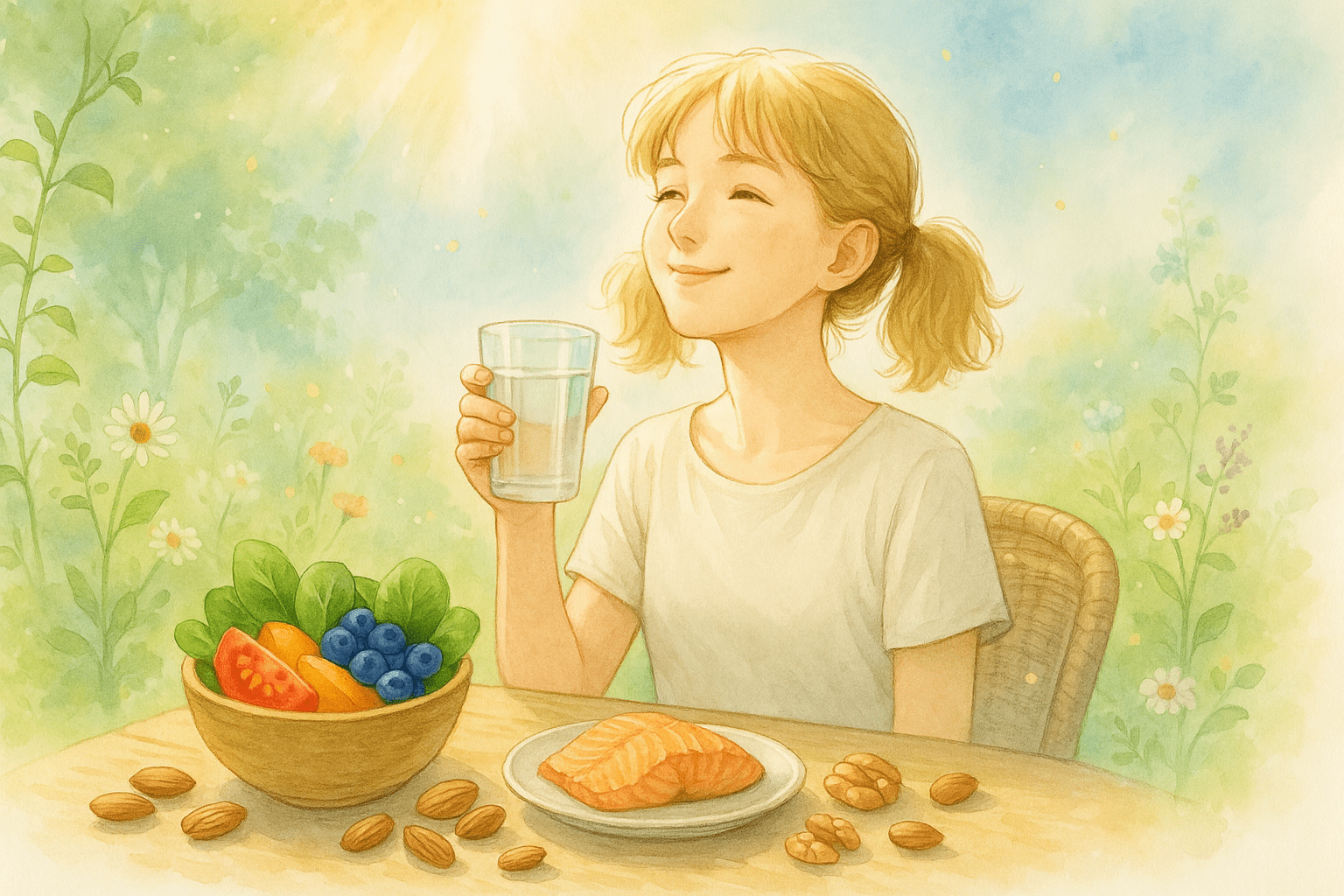
Have you ever wondered why some people seem to keep that youthful, glowing skin no matter their age? While genetics play a role, the truth is that daily lifestyle habits, especially diet, make a huge difference. Our skin ages due to a combination of factors like UV radiation, pollution, dehydration, and loss of collagen. But here's the exciting part: what you eat can dramatically influence how your skin weathers the years. Certain foods are packed with nutrients that strengthen the skin's natural defenses, reduce inflammation, and fight the damage caused by the sun's ultraviolet (UV) rays. Curious about which foods help you stay youthful and radiant? Let's dive into the secrets your plate can unlock!
Foods That Help Prevent Fast Skin Aging
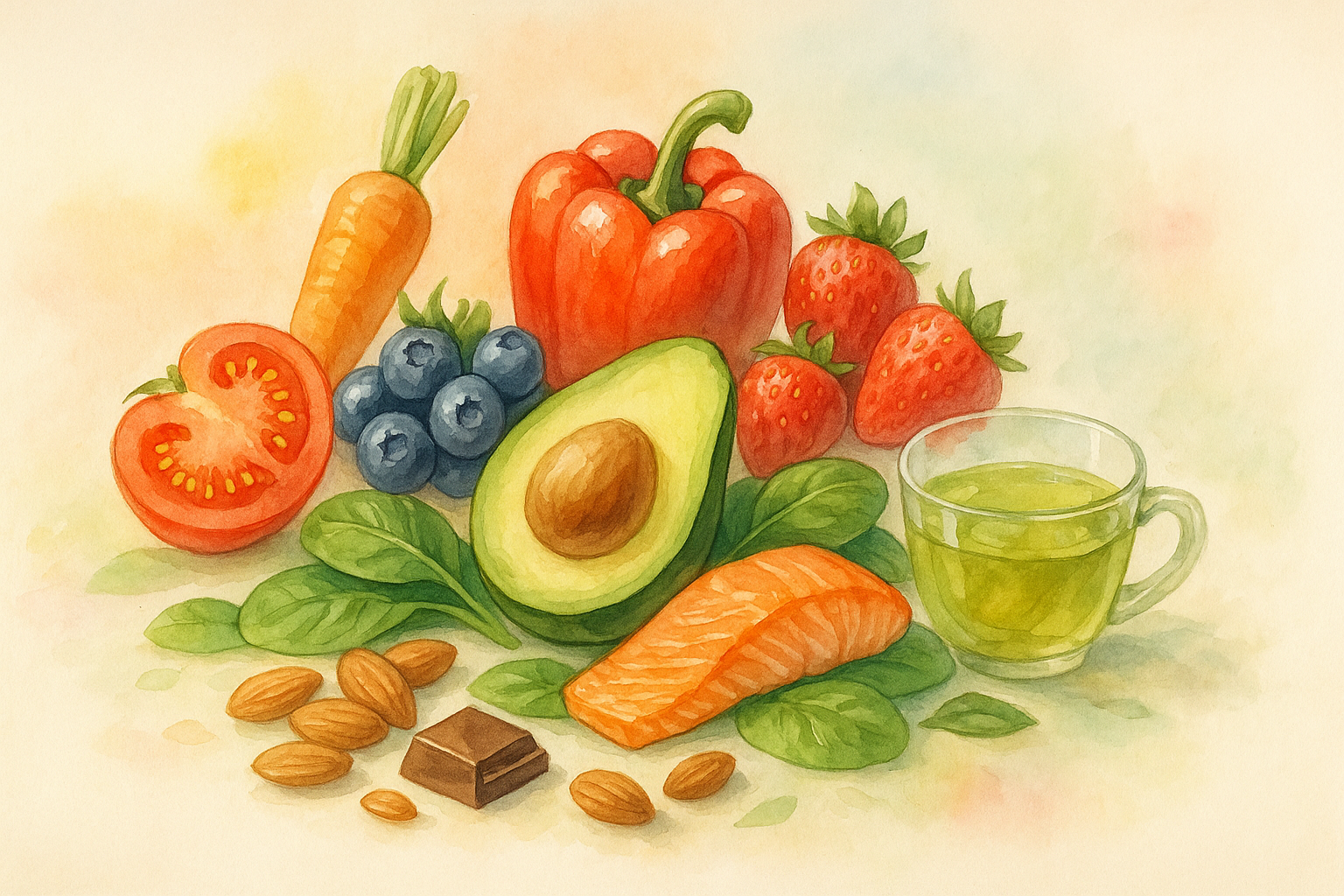
1. Tomatoes
- Nutrition and Function: Rich in lycopene, a powerful antioxidant that helps neutralize free radicals caused by UV exposure. Studies show lycopene can reduce sunburn severity and slow collagen breakdown.
- How to Eat: Cooked tomatoes actually boost lycopene absorption. Enjoy them in sauces, roasted dishes, or homemade soups.
2. Carrots
- Nutrition and Function: Loaded with beta-carotene, which the body converts into vitamin A—essential for skin repair and protection against UV-induced damage.
- How to Eat: Snack on raw carrot sticks, blend them into smoothies, or roast them for a delicious side dish.
3. Green Tea
- Nutrition and Function: Packed with catechins, antioxidants known to improve skin elasticity and reduce redness from UV exposure.
- How to Drink: Brew fresh green tea daily—hot or iced. Avoid adding too much sugar to preserve its antioxidant power.
4. Fatty Fish (Salmon, Mackerel)
- Nutrition and Function: Rich in omega-3 fatty acids that help maintain the skin's lipid barrier, reducing dryness and sensitivity caused by sun exposure.
- How to Eat: Grill or bake salmon, add mackerel to salads, or enjoy as sashimi (choose high-quality sources).
5. Berries (Blueberries, Strawberries)
- Nutrition and Function: High in vitamin C and antioxidants that aid in collagen production and combat free radical damage.
- How to Eat: Sprinkle berries over yogurt, oatmeal, or simply snack on them fresh.
6. Avocados
- Nutrition and Function: Rich in healthy fats and vitamin E, avocados help hydrate the skin and protect it from oxidative stress.
- How to Eat: Mash into guacamole, add slices to sandwiches, or blend into smoothies for extra creaminess.
7. Sweet Potatoes
- Nutrition and Function: High in beta-carotene, helping protect the skin against dryness and UV radiation.
- How to Eat: Roast, mash, or bake into fries for a healthy, skin-loving treat.
8. Almonds
- Nutrition and Function: Packed with vitamin E, which protects skin cells from oxidative damage and keeps the skin hydrated.
- How to Eat: Snack on a handful, sprinkle over salads, or blend into almond butter.
9. Red Bell Peppers
- Nutrition and Function: Extremely high in vitamin C, which supports collagen production and helps heal UV-induced skin damage.
- How to Eat: Slice raw for snacking, toss into salads, or stir-fry lightly.
10. Dark Chocolate (High Cocoa Content)
- Nutrition and Function: Rich in flavonoids, dark chocolate can improve skin texture, increase hydration, and enhance circulation, offering mild UV protection.
- How to Eat: Choose dark chocolate with at least 70% cocoa content and enjoy a small square daily for a beauty-boosting treat.
Daily Diet Behaviors to Protect Your Skin from UV Damage
- Stay Hydrated: Water keeps your skin plump by maintaining cell turgor and elasticity. Proper hydration also helps flush out toxins that could otherwise contribute to inflammation, dullness, and premature aging.
- Eat a Rainbow: Different colored fruits and vegetables provide a variety of phytonutrients and antioxidants. For example, red foods like tomatoes offer lycopene, while orange foods like carrots offer beta-carotene—both of which protect against UV damage at a cellular level.
- Include Healthy Fats: Omega-3 fatty acids strengthen the skin's lipid barrier, which helps lock in moisture and keep out irritants. This reduces sensitivity and sun-induced dryness, preserving youthful skin texture.
- Limit Processed Foods: Processed foods high in refined sugars and unhealthy fats promote oxidative stress and chronic inflammation. This can weaken the skin's ability to repair UV-induced damage and accelerate the breakdown of collagen and elastin.
- Pair Foods Wisely: Combining vitamin C-rich foods with iron sources enhances nutrient absorption, ensuring your body efficiently uses these nutrients for collagen production and skin repair. Vitamin C also regenerates vitamin E, another key antioxidant that supports skin resilience.
Final Thoughts: Glow from Within
Your skin reflects the care you give your body every day. With the right foods and habits, you can actively protect yourself against UV damage, slow the signs of aging, and radiate youthful beauty from the inside out. Stay active, stay nourished, and let your natural glow shine through!
References
- Harvard T.H. Chan School of Public Health – Nutrition and Skin Health
- National Institutes of Health (NIH) – Carotenoids and Skin Protection: https://ods.od.nih.gov/factsheets/VitaminA-HealthProfessional/
- Oregon State University – Micronutrient Information Center – Vitamin E: https://lpi.oregonstate.edu/mic/vitamins/vitamin-E
- Cocoa Flavanol Supplementation Influences Skin Conditions of Photo-Aged Women: A 24-Week Double-Blind, Randomized, Controlled Trial: https://pubmed.ncbi.nlm.nih.gov/26581682/
- Mayo Clinic – Green Tea and Health Benefits
- Linus Pauling Institute, Oregon State University – Vitamin C and Skin Health: https://lpi.oregonstate.edu/mic/vitamins/vitamin-C
Note: The information provided should not replace professional medical advice.