
The Inverted Pyramid: Decoding the 2026 Reset of the U.S. Dietary Guidelines
What the new upside-down pyramid means for protein, whole grains, and ultra-processed foods — and seven practical plate principles you can use today.
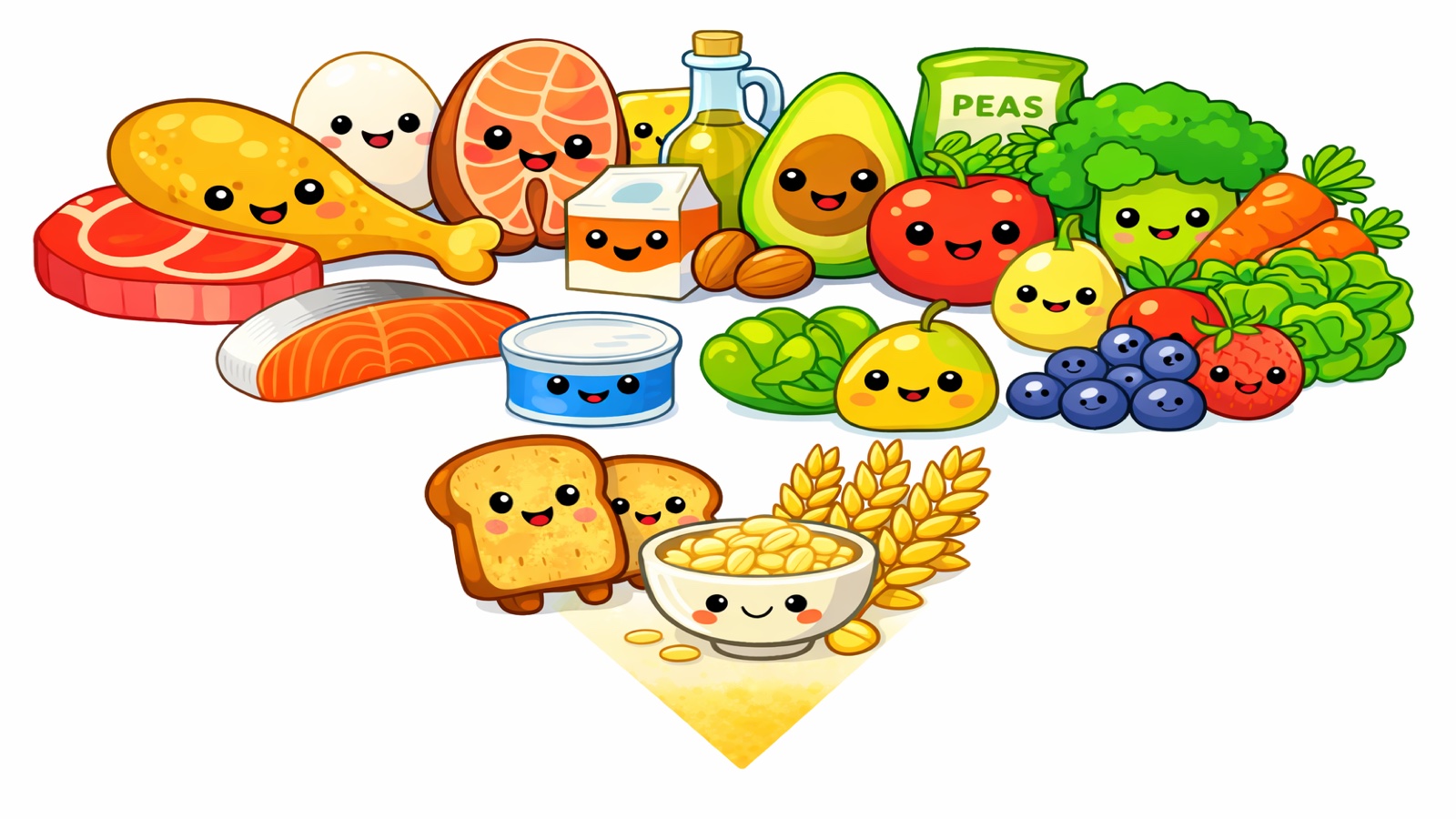
A practical guide to the new "real food" intake guide and what to do with it
Have you seen headlines about the new U.S. dietary guidelines and their upside-down food pyramid and wondered, "Do I need to change how I eat again?" You are not alone. The new 2025–2030 Dietary Guidelines for Americans bring back a pyramid graphic, this time inverted, and put a big spotlight on "real food," protein, and healthy fats. The details can feel confusing and the graphic itself has already drawn both praise and criticism from nutrition experts.
In this article, we will walk through what this new intake guide is trying to say, how its categories work, what current science actually supports, and simple ways to use a "modern pyramid mindset" in your daily meals without stressing over every serving.
What Changed? From Plate Back to an Upside-Down Pyramid
For more than a decade, Americans saw MyPlate as the main visual guide for healthy eating. In January 2026, the government replaced MyPlate with a new inverted food pyramid as part of the 2025–2030 Dietary Guidelines for Americans.
On the realfood.gov site and in the core document, the broad top of the pyramid is labeled:
- "Protein, Dairy, and Healthy Fats"
- "Vegetables and Fruits"
At the narrow base of the pyramid sits:
- "Whole Grains"
Alongside the pyramid, the text strongly warns against highly processed foods, refined carbohydrates, and added sugars.
The written guidelines emphasize:
- Eating whole, minimally processed foods
- Increasing protein intake (up to roughly 1.2–1.6 grams per kilogram of body weight per day for many adults)
- Allowing more full-fat dairy and some animal fats, while still recommending that saturated fat stay under 10 percent of calories
- Limiting added sugars and ultra-processed foods
Some experts welcome the clearer warning about ultra-processed foods and added sugars. Others are concerned about the stronger emphasis on animal-based foods and saturated fat, which differs from many long-term heart and planetary health recommendations.
So how can you, as an everyday eater, use this new upside-down pyramid in a way that is actually good for your long-term health?
Breaking Down Each Layer of the New Intake Guide
Think of the pyramid as three big food group zones, plus one "limit" zone that sits outside the main shape.
1. Protein, Dairy, and Healthy Fats
The new pyramid gives this group a lot of visual space. It includes:
- Animal proteins such as meat, poultry, fish, and eggs
- Dairy such as milk, yogurt, cheese (often in whole-fat forms)
- Fats from whole foods such as olives, avocados, nuts, seeds, and their oils
- Some animal fats such as butter and beef tallow
From a science-based perspective, evidence is strong that:
- Adequate protein supports muscle mass, metabolic health, and satiety.
- Unsaturated fats from plant sources (olive oil, nuts, seeds) and fatty fish are linked to lower cardiovascular risk.
- High intake of red and processed meats and foods rich in saturated fat is associated with higher risk of heart disease and some cancers.
How to apply this layer wisely
- Aim to include protein at each meal, but mix sources: beans, lentils, tofu or tempeh, fish, poultry, eggs, and modest portions of unprocessed red meat.
- Use olive oil or other unsaturated oils as your main cooking fats and keep butter or tallow as occasional flavor accents instead of everyday base fats.
- If you enjoy dairy, lean toward fermented forms like yogurt and kefir and keep total portions moderate and consistent with independent heart-health advice.
2. Vegetables and Fruits
In the new pyramid, vegetables and fruits share the top band with protein and fats and are described as equally important "real foods."
This aligns well with long-standing evidence and with World Health Organization (WHO) guidance that recommends:
- At least 400 grams (about five portions) of fruits and vegetables per day
- A variety of colors and types for fiber, vitamins, minerals, and protective plant compounds
How to apply this layer wisely
- Make half your plate vegetables and fruits at most meals, even if the new federal graphic does not visually enforce that ratio.
- Focus on minimally processed options: whole fruit instead of juice, salads and cooked vegetables instead of fries and chips.
- Use vegetables and fruits to "crowd out" ultra-processed snacks. This is consistent with strong evidence from Mediterranean-style eating patterns that reduce cardiovascular risk.
3. Whole Grains at the Narrow Base
One of the most debated aspects of the new pyramid is that whole grains sit at the smallest bottom section, after decades of older pyramids showing grains as the large base.
When you read the written guidelines and independent commentary, the picture is more nuanced:
- The text still recommends several servings of whole grains per day, while advising limits on refined grains.
- Whole grains provide fiber, B vitamins, minerals, and more sustained energy and are consistently linked to lower risk of type 2 diabetes and cardiovascular disease in large cohort studies.
So even if the triangle visually shrinks grains, whole grains still deserve a regular place on your plate.
How to apply this layer wisely
- Choose oats, brown rice, quinoa, barley, and whole-grain bread or pasta most of the time.
- Treat highly refined products such as white bread, pastries, and sugary cereals as occasional extras, not daily staples.
- A practical pattern that aligns with many independent experts is to let about one quarter of your plate be whole grains at main meals.
4. Highly Processed Foods and Added Sugars: The "Limit" Zone
Although they are not a labeled tier in the pyramid, the guidelines clearly single out ultra-processed foods, refined starches, and added sugars as items to minimize.
This aligns with a growing body of research and with WHO statements that healthy diets should rely on unprocessed and minimally processed foods that are low in free sugars, sodium, and unhealthy fats.
What falls in this "limit" category?
- Sugar-sweetened drinks, candy, and desserts
- Packaged snacks like chips and crackers made with refined flours and added fats
- Fast-food meals based largely on refined starch, added sugar, and industrial fats
- Many processed meats and ready-to-eat frozen meals
From Pyramid to Plate: High-Level Principles You Can Actually Use
The graphic may be upside-down, but the core evidence-based pattern for healthy eating is surprisingly stable and lines up with what WHO and independent groups like Harvard have recommended for years.
Here is a bird's eye view you can use without memorizing serving numbers:
- Build meals from real, minimally processed foods. Start with ingredients like vegetables, fruits, whole grains, legumes, nuts, seeds, fish, eggs, and modest amounts of meat and dairy.
- Fill at least half your plate with vegetables and fruits. This is strongly supported by WHO and multiple national guidelines, even if the new pyramid graphic does not show that proportion clearly.
- Include a palm-sized portion of protein at each meal. Rotate lean animal proteins and plant proteins. You do not have to hit the very high protein targets to gain benefits, especially if you are not an athlete.
- Use healthy fats as a tool, not a flood. Favor olive oil, nuts, seeds, and fatty fish. Use butter and other animal fats in small amounts, because the evidence linking high saturated fat intake and heart disease risk has not disappeared, even if the new pyramid looks friendlier to them.
- Choose whole grains regularly, but not in excess. Allow whole grains to occupy about a quarter of your plate. This respects the newer emphasis on protein without forgetting that fiber-rich carbohydrates are important for gut health and long-term risk reduction.
- Limit ultra-processed foods and sugary drinks as much as you reasonably can. You do not have to be perfect, but these products are the most consistently linked to obesity and metabolic disease across populations.
- Think in patterns, not single meals. The guidelines, WHO, and long-term cohort data all support the idea that it is your overall pattern, sustained over months and years, that matters most, not one slice of cake or one party meal.
Putting It All Together in Daily Life
You do not have to agree with every detail of the new upside-down pyramid to use it as a nudge toward better choices.
You might think of your own "personal pyramid" like this:
- At the widest, everyday zone are the foods you eat most days: vegetables, fruits, beans and lentils, nuts and seeds, fish and poultry, yogurt or kefir, olive oil, and a moderate amount of whole grains.
- In the middle are foods you enjoy sometimes: red meat, cheese, richer desserts, refined grain products.
- At the very tip are foods you reserve for special occasions: heavily processed snacks, sugar-sweetened drinks, and fast food.
This version lines up closely with the strongest long-term evidence, including large studies of Mediterranean-style eating that show better blood pressure, improved glycemic control, healthier weight, and lower cardiovascular risk.
Final Encouragement
The new food intake guide and its upside-down pyramid may feel political, confusing, or even a little overwhelming. The good news is that the most reliable science has stayed very consistent:
- Eat plenty of vegetables and fruits.
- Choose whole grains over refined ones.
- Use mostly unsaturated fats and keep saturated fat moderate.
- Rely on real, minimally processed foods instead of ultra-processed products.
- Think about your overall pattern, not perfection.
If you keep those principles in focus, you will be using the new guide in a way that supports your long-term health, regardless of how the graphic is drawn.
References: World Health Organization — Healthy diet; WHO Regional Office for Europe — Nutrition for a healthy life; RealFood.gov — Dietary Guidelines for Americans, 2025–2030; U.S. HHS — Historic reset of federal nutrition policy; Food Safety Magazine — New U.S. dietary guidelines and ultra-processed foods
Note: The information provided should not replace professional medical advice.