Autumn Cycling Fuel: What to Eat Before and After Your Ride for Health and Joy
A cyclist's guide to pre-ride snacks, during-ride carbs, post-ride recovery, and family-friendly fueling for crisp fall rides of every length.
Picture This: Your Best Fall Ride
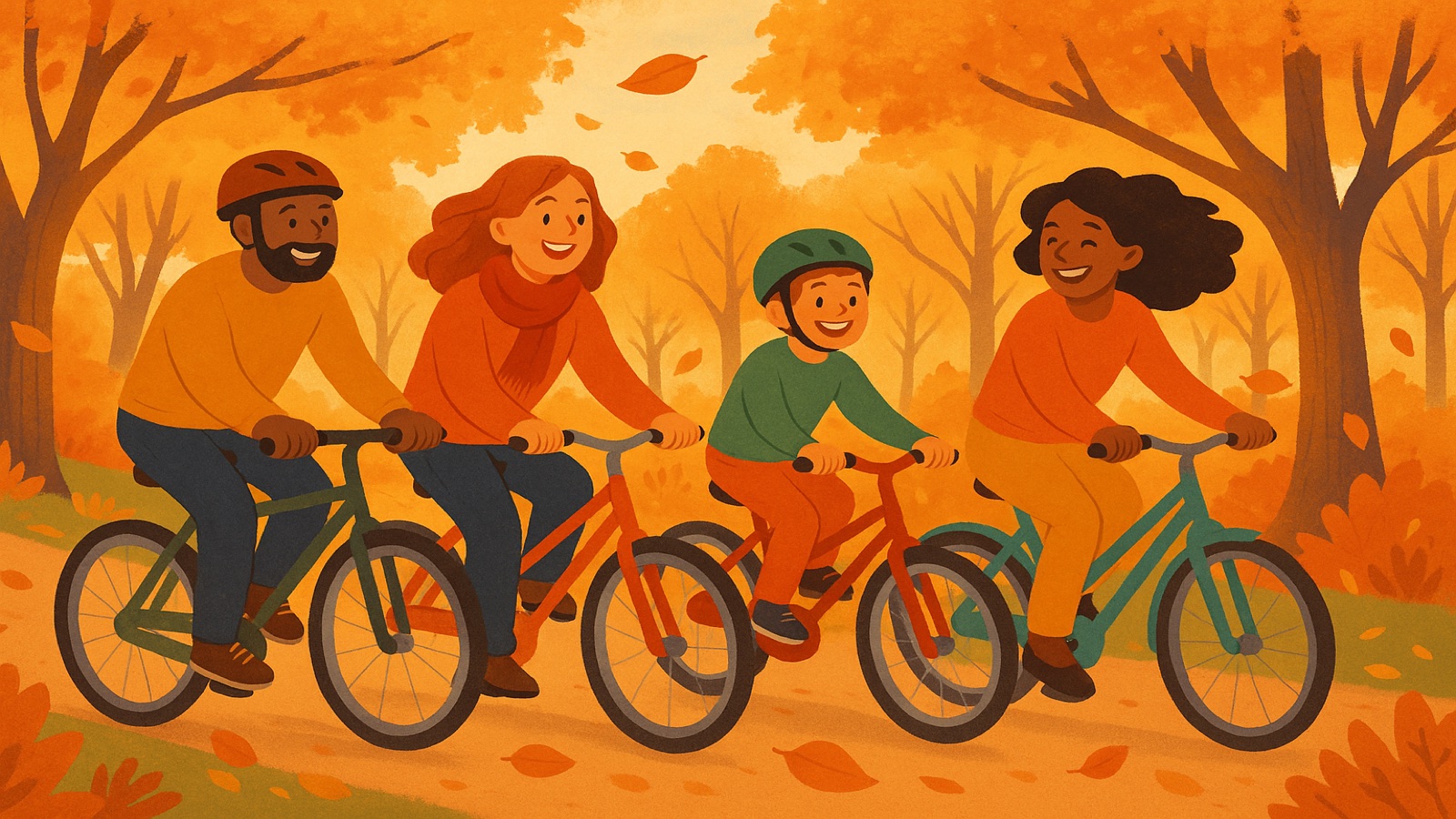
Crisp air on your face, a ribbon of road framed by gold and scarlet leaves, the quiet whirr of tires on smooth pavement. You crest a small hill, legs warm, lungs open, and the view spills out: blue sky, tree-lined paths, and the scent of pine. Autumn almost begs you to hop on a bike. And with a bit of smart fueling, you can feel steady during the ride and refreshed after, so the good mood lasts all day.
This guide explains why cycling is such a powerful health habit and exactly what to eat before and after different kinds of rides — simple spins and strenuous sessions — plus hydration pointers and family-friendly ideas to turn fall weekends into bonding time on two wheels.
Why Cycling Works
Cycling is a rhythmic, low-impact aerobic activity that engages the largest muscles of your lower body while sparing your joints. Regular cycling is linked with lower risks of cardiovascular disease and type 2 diabetes, improved blood pressure and lipid profiles, stronger legs and hips, better mood and sleep, and longer life expectancy. Even modest, regular riding adds up across the week.
How cycling helps, physiologically:
- Cardiovascular system. Repeated, moderate-to-vigorous bouts strengthen the heart muscle, improve stroke volume, and support vascular elasticity — key for healthy blood pressure and circulation.
- Metabolic health. Active muscle is a potent glucose sink. Pedaling increases glucose uptake independent of insulin during and after the ride, smoothing post-meal spikes and improving insulin sensitivity over time.
- Musculoskeletal system. Cycling builds endurance of quads, glutes, hamstrings, and calves with relatively low joint load — helpful for people managing impact-related aches.
- Brain and mood. Aerobic exercise supports neurotransmitters (dopamine, serotonin) and growth factors (BDNF) associated with better mood, focus, and cognitive function.
- Longevity. Meeting weekly activity targets through cycling is associated with lower all-cause mortality.
Fall's cooler, drier air reduces heat stress and sweat losses, so many riders find pace more comfortable and recovery easier — perfect conditions to dial in nutrition basics.
A Simple Fueling Framework for Cyclists
Think in three levers you will adjust based on ride length and intensity:
- Timing: when your last meal/snack was relative to the ride.
- Mix: balance of carbohydrates (primary riding fuel), protein (satiety and muscle repair), and fat (staying power — go light pre-ride).
- Fluids and electrolytes: water most of the time; add electrolytes as rides get longer, sweatier, or hillier.
We will split guidance into Simple Spins (up to 60 minutes at easy-moderate pace) and Strenuous Sessions (75–150 minutes, brisk, hilly, interval, or group rides).
Before You Ride
Simple Spins (up to 60 minutes, easy-moderate)
If you ate a balanced meal within the last 2–3 hours, you often do not need a special pre-ride snack. Aim to start neither ravenous nor stuffed.
If it has been 3–4+ hours since eating, have a light snack 30–60 minutes pre-ride:
- A small banana or clementine.
- Whole-grain toast with a thin spread of nut butter or honey.
- Plain yogurt with a few berries.
- A small handful of crackers with hummus.
Why it works: A modest carb-forward snack tops up liver glycogen and blood glucose for steady energy; a touch of protein or fat blunts quick spikes without slowing digestion. Sip 250–350 ml (1–1.5 cups) water during your prep — more if the air is dry.
If you ride first thing: Try half a banana, a few dates, or toast with honey, then eat a full breakfast afterward.
Strenuous Sessions (75–150 minutes, brisk/hilly/intervals)
Start well hydrated and with a meal or snack that favors easily digested carbohydrates plus a little protein about 1–3 hours pre-ride.
Pre-ride meal ideas (1–3 hours before):
- Oatmeal made with milk/fortified plant milk, sliced banana, and a spoon of yogurt.
- Rice bowl with scrambled eggs or tofu and sautéed zucchini.
- Peanut-butter and banana sandwich on whole-grain bread.
If you only have 30–45 minutes: choose a simpler carb (banana, toast + honey, applesauce pouch) and water.
Hydration: In the 2 hours before, sip 400–600 ml (1.5–2.5 cups) water. If you tend to sweat heavily, include a small amount of electrolytes (especially sodium) in the hour pre-ride.
During the Ride
Simple Spins (up to 60 minutes)
Water to thirst is usually enough. Carry one small bottle (500–600 ml) and sip periodically.
Strenuous Sessions (75–150 minutes)
Plan small carb top-ups to maintain pace and mood: about 30–60 g carbohydrate per hour, split into bites every 20–30 minutes. Practical whole-food options:
- A banana (≈27 g), a few dates, or a small fig bar.
- Half a peanut-butter and honey sandwich.
- Applesauce/fruit purée pouch.
Hydration: Aim for ~500–750 ml per hour, adjusting for temperature and sweat rate. If you see salt streaks on clothing/helmet straps, feel crampy, or ride in warm/dry wind, add an electrolyte drink (low-sugar) providing 300–600 mg sodium per hour. Practice what your stomach tolerates — keep fiber and fat low during the ride.
After the Ride
Your priorities: re-hydrate, re-fuel carbohydrates you used, and add protein to support muscle repair (riding, especially hills/intervals, creates small amounts of muscle micro-damage that adapt with adequate nutrition and rest).
The 60–90 minute window: A balanced snack or meal within an hour helps you bounce back and feel good later in the day.
If a meal is more than 90 minutes away, have a recovery snack (ideas):
- Greek yogurt with berries and honey (≈20 g protein, carbs to taste).
- Smoothie: milk or kefir + banana + oats or frozen fruit + chia (blendable, gentle on the gut).
- Hummus + whole-grain pita + cherry tomatoes.
- Cottage cheese with pineapple and a few walnuts.
Post-ride meal ideas:
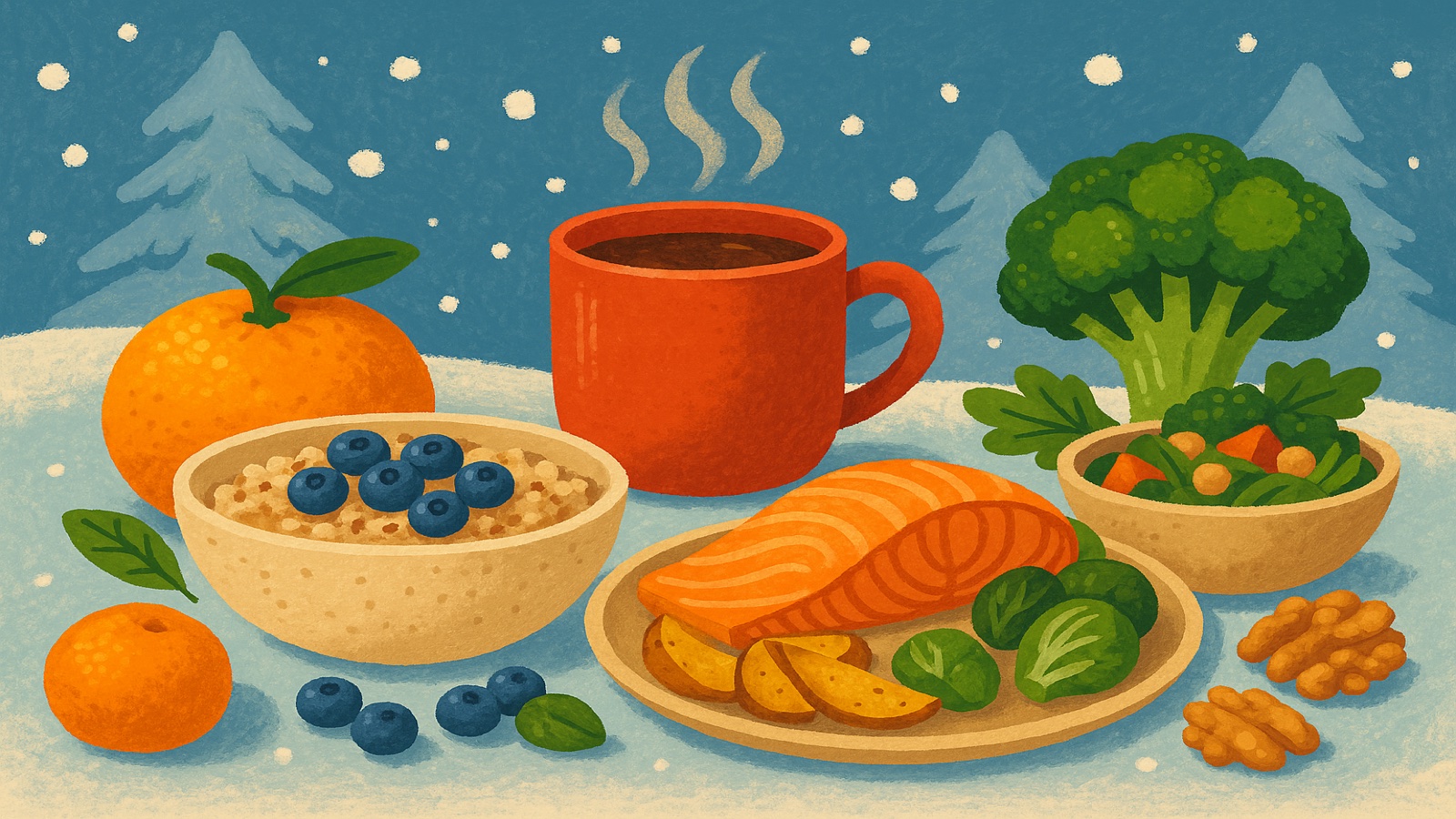
- Salmon, brown rice, and roasted carrots; side of citrus-herb yogurt.
- Turkey or tofu, sweet potato mash, and sautéed greens with olive oil.
- Lentil-vegetable soup with olive-oil toast and a mixed-fruit bowl.
Hydration: Continue sipping water until urine returns to pale-straw color. If you finished salty or crampy, include electrolytes (tablet/powder) or a salty food (e.g., broth-based soup, tomato juice) with fluids.
Micronutrients that help over time:
- Iron (especially for menstruating riders): lean meats, beans/lentils (pair with vitamin C foods to enhance absorption).
- Calcium and vitamin D for bone health: dairy/fortified plant milks, small bones in canned fish; discuss testing vitamin D if sun exposure is limited.
- Omega-3s for general recovery: fatty fish 2–3 times per week or plant sources (walnuts, chia, flax).
Quick Plans by Ride Type
The 30–45 Minute Spin (commute, café loop)
- Before: No snack needed if you ate in the last 2–3 hours; otherwise half a banana.
- During: Water to thirst.
- After: Resume normal meals; add a glass of water. If you rode hard, snack with 15–25 g protein.
The 60–90 Minute Endurance Ride
- Before (1–2 hours): Oats + banana + yogurt or rice + eggs/tofu; hydrate with 400–600 ml water.
- During: Water 500–700 ml/hr; add 30–45 g carbs/hr if brisk/hilly.
- After (within 60 min): A meal/snack with carbs + 20–30 g protein; continue hydrating.
The 2–3 Hour Challenge (hilly group ride or intervals)
- Before (1–3 hours): Carb-forward meal with a little protein; avoid very high fiber/fat. Consider small electrolytes in the final hour.
- During: 500–750 ml/hr fluids with 300–600 mg sodium/hr as needed; 45–60 g carbs/hr from foods you have practiced.
- After: Substantial meal with carbs + 25–35 g protein; include colorful vegetables and olive oil for anti-inflammatory support.
Family Rides: Fueling for Fun and Bonding
Autumn rides are perfect family time. Keep the focus on enjoyment, scenery, and easy conversation.
- Keep snacks simple. Apples, bananas, peanut-butter sandwiches, trail mix with nuts and dried fruit. Pack water for everyone.
- Plan a café stop. Hot cocoa or milk for kids; tea or coffee for adults. Pair drinks with a small snack so energy stays even.
- Choose safe, scenic routes. Rail-trails, bike paths, quiet parks — all lower stress and boost smiles.
- Make it a ritual. Saturday morning loop, leaf-peeping picnic, or a lights-on twilight spin — consistency builds fitness and family bonds.
Safety, Comfort, and Special Situations
- Traffic and visibility: Wear bright colors; use front and rear lights even at dusk.
- Fit matters: A properly adjusted saddle and handlebar height reduce neck/hand numbness and improve power.
- Sensitive stomach: Favor lower-fiber, lower-fat foods before/during; keep spices mild until after.
- Medical conditions; pregnancy: Personalize fueling and hydration with your clinician/dietitian. If you use insulin or medicines that can cause low blood sugar, carry quick carbs and ride with a partner.
Wrap-Up: Fuel the Ride, Savor the Season
Cycling and autumn are a perfect match: cooler air, colorful views, and miles that feel easier. Add simple, well-timed fuel and steady hydration, and you will keep energy smooth, recovery quick, and moods high — whether it is a 30-minute spin or a rolling two-hour adventure. Pack a bottle, grab a banana, and invite someone you love. The road (or path) is waiting.
References: World Health Organization — Physical activity; Harvard T.H. Chan School of Public Health — Walking and Health; NHS — Cycling: health benefits
Note: The information provided should not replace professional medical advice.