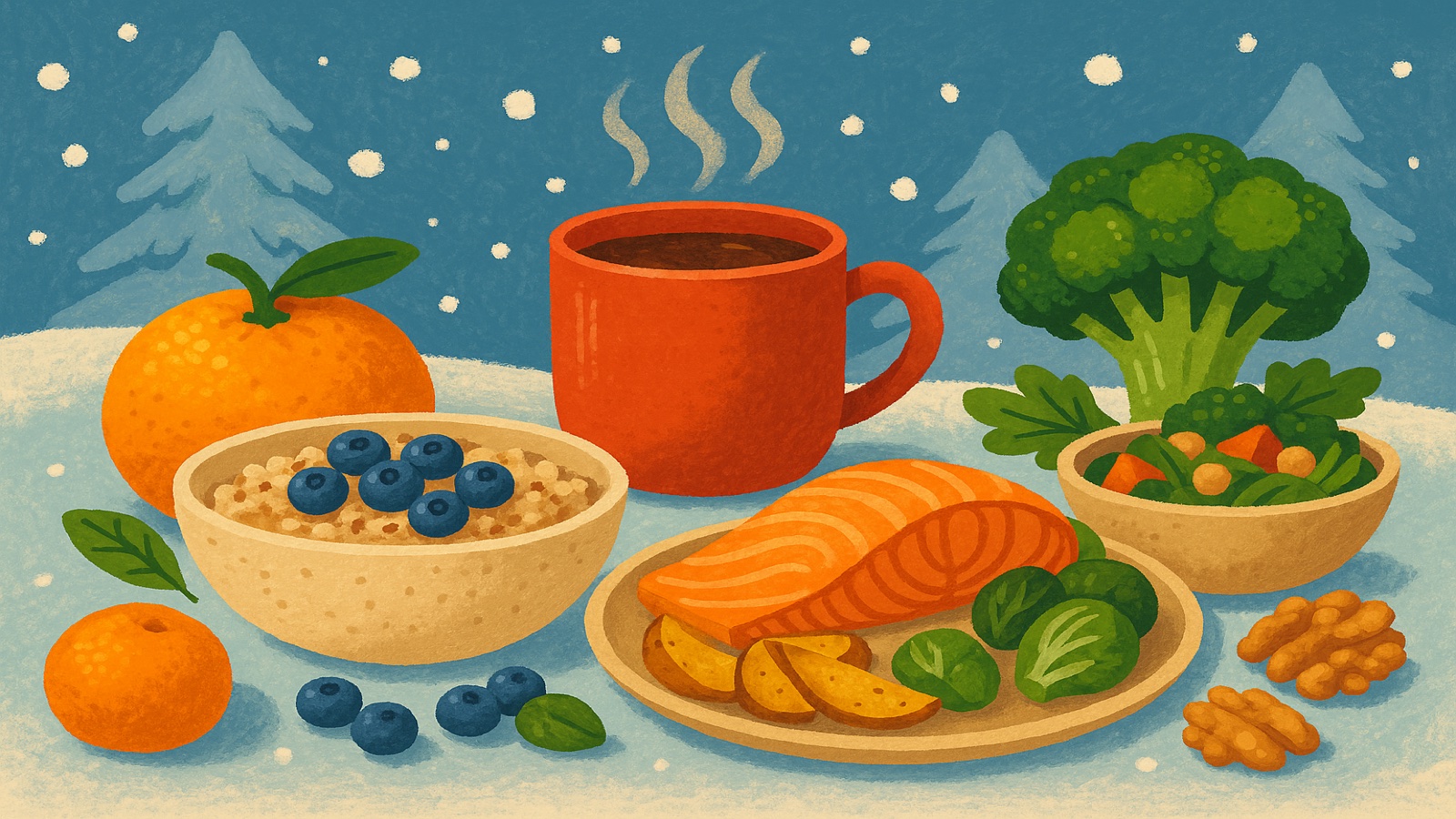
Harvest Joy, Healthy Plates: Smart Ways to Celebrate the Season
Fourteen practical tips for harvest feasts that lead with seasonal produce, balance the plate, and keep the celebration without the next-day regret.
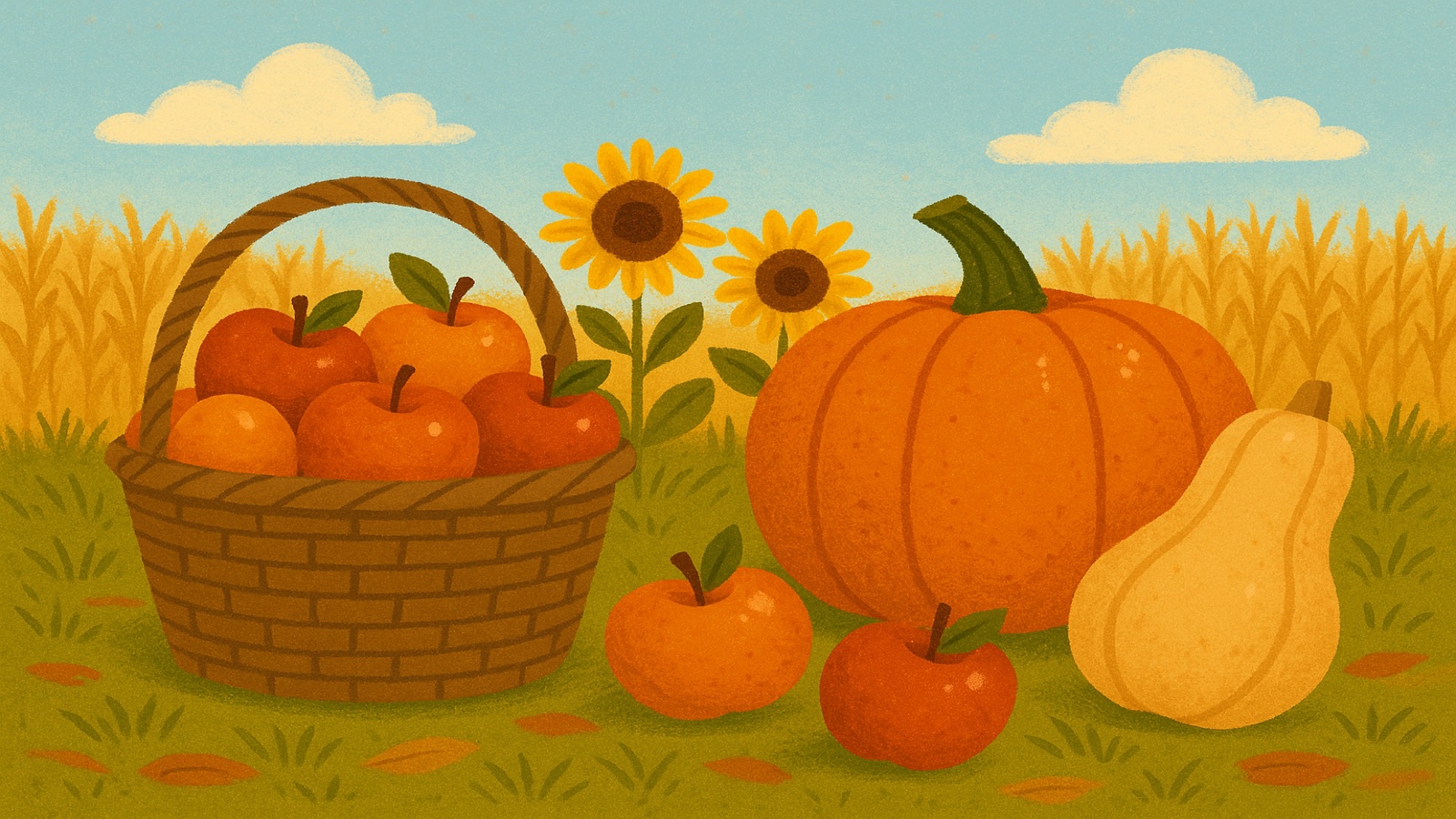
The air is crisp, markets are brimming with apples and squash, and your calendar is filling with gatherings. Mid-October is the heart of harvest season, a time made for simmering stews, spiced desserts, and toasting good company. But there is a familiar question lurking beneath the pumpkin-spice glow: how do we enjoy the bounty and keep our bodies feeling good, too?
This guide shows you how to hold onto the magic of the season while making choices that leave you energized tomorrow.
How We Typically Celebrate With Food and Where It Goes Sideways
Harvest-time celebrations often center on:
- Big buffet spreads and endless grazing. Tempting, but mindless nibbling can double or triple energy intake without true satisfaction.
- Rich mains with heavy sides. Creamy casseroles, buttery breads, sugary glazes — delicious, yet easy to overshoot sodium, saturated fat, and added sugars.
- "Only once a year" desserts. Pies, cobblers, and pastries can crowd out fruit-forward options and push added sugars sky-high.
- Bottomless drinks. Sweet ciders, cocktails, and wine add stealth calories and may loosen appetite control.
- Late-night feasts. Eating large, late meals can disrupt sleep, digestion, and next-day appetite hormones.
Why this matters: Consistently high intake of added sugars, sodium, and refined grains is linked with cardiometabolic risk. Alcohol beyond moderate levels undermines sleep, increases accident risk, and adds non-satiating calories. None of this means "no celebration." It means celebrating smarter so you savor more and regret less.
The Festive-and-Healthy Way: Principles That Keep the Vibe
- Lead with produce in peak season. Roast, stew, or sauté autumn vegetables and fruits so they are the stars, not afterthoughts.
- Balance the plate. Aim for roughly half vegetables/fruit, a quarter protein, a quarter whole grains or starchy veg. This keeps flavors bold and portions intuitive.
- Front-load protein and fiber. A protein-and-veg starter (soup or salad) reduces overeating later and steadies blood sugar.
- Flavor big, salt and sugar small. Herbs, citrus, acids, spices, browning/roasting = fireworks without excess sodium and sugar.
- Drink with intention. Offer festive alcohol-free options; if drinking alcohol, keep it moderate and alternate with water.
- Honor rhythms. Earlier, lighter evening meals and a brief post-meal walk support glycemic control and sleep.
10+ Practical Tips for Healthy, Happy Harvest Feasts
1) Start with a warm vegetable soup or salad that eats like a meal. Think roasted butternut squash soup with ginger; kale-apple salad with toasted walnuts and a lemon-olive-oil dressing. Why it works: fiber + fluid adds fullness, sets a savory tone, and helps you eat more veg overall.
2) Make vegetables the centerpiece. Try sheet-pan maple-balsamic Brussels sprouts with grapes; miso-glazed delicata squash; rosemary-garlic mushrooms; or cauliflower "steaks" with salsa verde. Why: high flavor for low sugar/sodium cost.
3) Choose satisfying proteins, cooked gently. Roast chicken or turkey breast, baked salmon with mustard-herb crust, lentil-mushroom loaves, or braised beans with olive oil and herbs. Why: protein curbs over-snacking and stabilizes appetite hormones.
4) Upgrade the starches. Go for whole grains (farro, wild rice, barley) or starchy veg (sweet potatoes, potatoes) roasted in olive oil with skins on. Why: fiber, potassium, and slower glucose rise compared with refined sides.
5) Season like a chef: acid + herbs + heat. Finish dishes with lemon juice, vinegar, or pomegranate molasses; add fresh herbs and a pinch of chili. Why: brightness replaces some salt/sugar while elevating flavor.
6) Smart sauces and gravies. Thicken with reduced puréed veg (onion, carrot, mushroom) instead of flour-butter roux; use low-sodium stock; finish with olive oil or yogurt instead of heavy cream. Why: savory depth, fewer empty calories.
7) Dessert, but reimagined. Bake fruit: cinnamon-roasted apples/pears, plum crumble with oat-nut topping, pumpkin custards sweetened modestly and topped with yogurt. Offer small, beautiful portions. Why: maintain celebration without sugar overload.
8) Festive, low-sugar drinks. Mulled unsweetened cider (diluted 1:1 with spiced tea), cranberry-rosemary spritzers (seltzer + 1–2 oz 100% juice), spiced hibiscus or ginger tea. For alcohol, keep to recommended limits and interleave with water. Why: flavor and ritual without sneaky calories.
9) Build a grazing board that actually nourishes. Include colorful veg (roasted carrots, peppers), hummus or yogurt dips, olives, nuts, whole-grain crackers, and a few quality cheeses. Why: fiber and protein balance the indulgent items.
10) Plan portions with platters. Serve mains and sides on platters with serving spoons sized for ~½-cup portions; keep extra in the kitchen. Why: gentle "choice architecture" that supports comfortable fullness.
11) Mind the timing. Aim for earlier sit-downs and keep the last meal at least 2–3 hours before bed. Take a 10–20 minute post-meal walk. Why: better glycemic response and sleep quality.
12) Respect special diets without making two dinners. Use modular dishes (grain-veg pilaf with nuts on the side; salad with cheese optional; protein choices including legumes). Why: everyone is included, work stays manageable.
13) Leftovers with a plan. Send guests home with balanced portions (protein + veg + grain). Turn roasted veg into tomorrow's frittata or grain bowl. Why: reduces waste and protects the day-after from a sugar-salt hangover.
14) Hydration anchors. Put pitchers of water/unsweetened tea on the table; flavor with citrus, herbs, or sliced apples. Why: gentle intake cue and palate cleanser.
Sample Harvest Menu (Balanced and Festive)
- Starter: Roasted carrot-ginger soup; arugula, apple and walnut salad with lemon-olive oil.
- Main: Herb-roasted salmon or citrus-rosemary chicken; braised white beans with thyme and olive oil (veg option).
- Sides: Farro-wild rice pilaf with mushrooms; maple-chili Brussels sprouts with grapes; roasted sweet potatoes with cinnamon-pepper and orange zest.
- Condiments: Yogurt-herb sauce; cranberry-orange relish (lightly sweetened).
- Drinks: Spiced hibiscus tea; rosemary-cranberry spritzer; dry red or white wine (optional, modest pours).
- Dessert: Baked pears with oat-pecan crumble and a spoon of Greek yogurt.
Celebrate Fully, Feel Great Tomorrow
The goal is not to shrink the celebration — it is to elevate it. When seasonal produce leads, flavors pop; when protein and fiber show up early, you are satisfied; when drinks and desserts are intentional, you stay in charge of the moment. The result is the same beautiful table, the same laughter, and a morning after that feels clear, light, and ready for the rest of the season.
Here is to harvest joy that honors both tradition and well-being.
References: Harvard T.H. Chan School of Public Health — The Nutrition Source; American Heart Association — Added Sugars; American Heart Association — Alcohol and Heart Health; CDC — Reduced Sodium Tips and Facts
Note: The information provided should not replace professional medical advice.