Post-Thanksgiving Reset: From Cozy Chaos to Workday Energy
Why holidays leave you sluggish — and a gentle 14-tip reset with hydration, potassium-rich meals, movement snacks, and a 3-day sample plan for Monday.
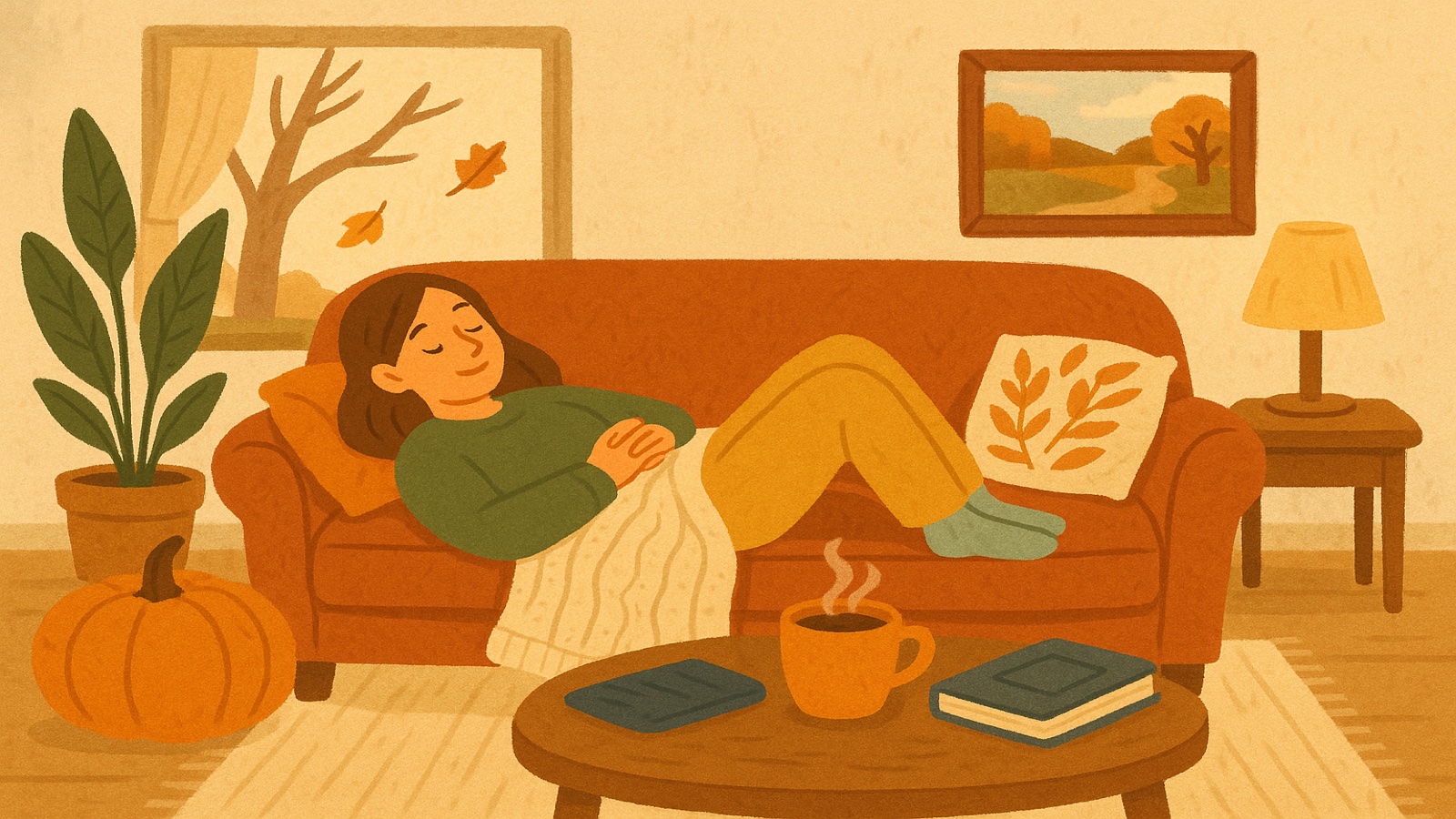
The dishes are stacked, the last slice of pie is mysteriously gone, and your suitcase still smells like cinnamon and road trip coffee. Thanksgiving, or a family reunion, was warm and wonderful — late nights, second helpings, long drives, living-room laughter. And now Monday is staring back at you. If your body feels "off" and your brain is on a delay, you are not broken — you are human.
This friendly, science-backed guide explains why your system might feel weird after the holiday stretch and exactly how to refuel, rehydrate, and reset so you can hit the ground running this week. Welcome to your gentle glidepath into December.
Why Do We Feel So… Strange After a Holiday?
1) Sleep debt and circadian wobble. Later nights, early airport runs, guest-room mattresses, and extra screen time add up to lost sleep and circadian disruption. Even a couple of nights with short or irregular sleep raises perceived fatigue, appetite for fast energy (sugar), and stress reactivity.
2) Glycemic swings and sodium overload. Holiday plates often mean refined carbs + added sugar + salty sides. Quick spikes and dips in blood glucose leave you sleepy, snacky, and foggy. High sodium can cause transient water retention and that "puffy, sluggish" feel.
3) Dehydration in disguise. Travel, alcohol, lots of talking, heated indoor air, and not-enough water lead to mild dehydration — often felt as low energy, headache, and cravings.
4) Sedentary hours. Long drives and couch-time dampen circulation, tighten hips/low back, and can make the first workday feel like molasses.
5) Alcohol's after-effects. Alcohol disturbs sleep architecture and can increase nighttime awakenings, leaving you groggy even if you slept "enough."
The fix is not a cleanse. It is a measured reset: proteins, produce, fiber, fluids, and light movement at predictable times.
Your Food and Lifestyle Reset: Practical Tips for This Week
1) Anchor your wake time (even if bedtime slides). Pick a consistent wake-up time for the next 3–5 days. Get morning light (2–10 minutes outdoors or at a bright window). This anchors melatonin/cortisol rhythms and improves alertness for the workday.
2) Front-load hydration. Start the day with a 12–16 oz (350–500 ml) glass of water, then sip regularly. Add a mug of unsweetened tea or a low-sugar electrolyte if you had alcohol or flew. Aim for pale-yellow urine by midday.
3) Build a "steady energy" breakfast. Combine protein + fiber + color: e.g., Greek yogurt or eggs/tofu + oats or whole-grain toast + berries/fruit. Cinnamon or nuts for flavor. This flattens mid-morning crashes and reduces snacky impulses.
4) Make lunch your nutrient workhorse. A big salad/grain bowl or soup-and-salad pair: greens + roasted veg + legumes (or salmon/chicken/tofu) + whole grain + olive-oil vinaigrette. Volume, potassium, and fiber help offset salt and stabilize energy.
5) Keep dinner light and earlier. Go for a palm-size protein, two fists of vegetables, and one fist of starchy veg or whole grains. Eat 2–3 hours before bed to help sleep quality and morning energy.
6) Prioritize potassium-rich produce. Roasted squash, potatoes (with skin), beans/lentils, spinach, mushrooms, citrus, and bananas help counterbalance sodium and support fluid balance and muscle function.
7) Smart caffeine timing. Use caffeine strategically after your first 60–90 minutes awake (allow cortisol to rise naturally). Cap your total daily caffeine at ~400 mg and avoid it after mid-afternoon.
8) Alcohol pause. Give yourself 3–5 alcohol-free nights or keep it to one small drink with dinner. Your sleep and mood will rebound faster.
9) Motion snacks beat marathon workouts (at first). Sprinkle 3×10 minutes of brisk walking, light cycling, or mobility work through the day. Add 1–2 short strength circuits (push/pull/squat/hinge) to wake up muscles and mind.
10) Ten-minute tidy and meal prep. Set a timer and reset your space; prep grab-and-go items (washed greens, cut fruit, a pot of soup, cooked grains, roasted veg). Friction down, success up.
11) Inbox triage with a fuel plan. Before opening emails, set a 90-minute work block and place a glass of water and a protein-forward snack (nuts + fruit, yogurt, edamame, hummus + veg) at your desk.
12) Gentle recovery supplements. If you rely on supplements, keep it simple and evidence-aligned (e.g., vitamin D if deficient, B12 for plant-based eaters, electrolytes if dehydrated). Prioritize whole foods and ask a clinician if you are unsure.
13) Micro-breaks for posture and eyes. Use the 20–8–2 guideline each hour: 20 minutes sitting, 8 standing, 2 moving, and the 20–20–20 rule for eyes. Blood flow = alertness.
14) A wind-down that actually works. 90 minutes before bed: dim lights, warm shower, light stretch, herbal tea; park screens. Consistent cues help you fall asleep faster post-holiday.
A 3-Day Sample Reset
Day 1
- Breakfast: Veggie omelet + whole-grain toast; citrus; tea/coffee.
- Lunch: Lentil-vegetable soup + mixed-green salad with olive oil/lemon; sparkling water.
- Snack: Yogurt with berries and walnuts.
- Dinner: Salmon (or tofu) + roasted potatoes (skin on) + green beans; chamomile tea.
Day 2
- Breakfast: Oatmeal cooked in milk/fortified soy; cinnamon, chia, apple.
- Lunch: Grain bowl — quinoa, chickpeas, roasted squash, spinach, tahini-lemon.
- Snack: Hummus + carrots/cucumbers; or a banana + peanut butter.
- Dinner: Chicken or tempeh stir-fry with broccoli, peppers, mushrooms; brown rice; mint tea.
Day 3
- Breakfast: Cottage cheese or soy yogurt parfait with pineapple and flaxseed; whole-grain toast.
- Lunch: Tuna-white bean salad with arugula, tomatoes, olives, olive oil; whole-grain crackers.
- Snack: Edamame or roasted chickpeas; green tea.
- Dinner: Turkey or lentil chili; side salad; berries for dessert; ginger tea.
Layer in 3×10 minutes of walking daily and a short evening stretch each day.
Welcome to December
You do not need punishment or perfection to recover from a joyful holiday — you need rhythm. A few days of regular sleep, steady hydration, produce-forward plates with protein, and light movement are enough to restore your spark. Hope you had a wonderful Thanksgiving and family time — and welcome to December.
References: FDA — Caffeine: How Much Is Too Much?; American Heart Association — Alcohol and Heart Health; U.S. Physical Activity Guidelines, 2nd ed.; Harvard T.H. Chan — Healthy Drinks; CDC — Sodium and Health
Note: The information provided should not replace professional medical advice.