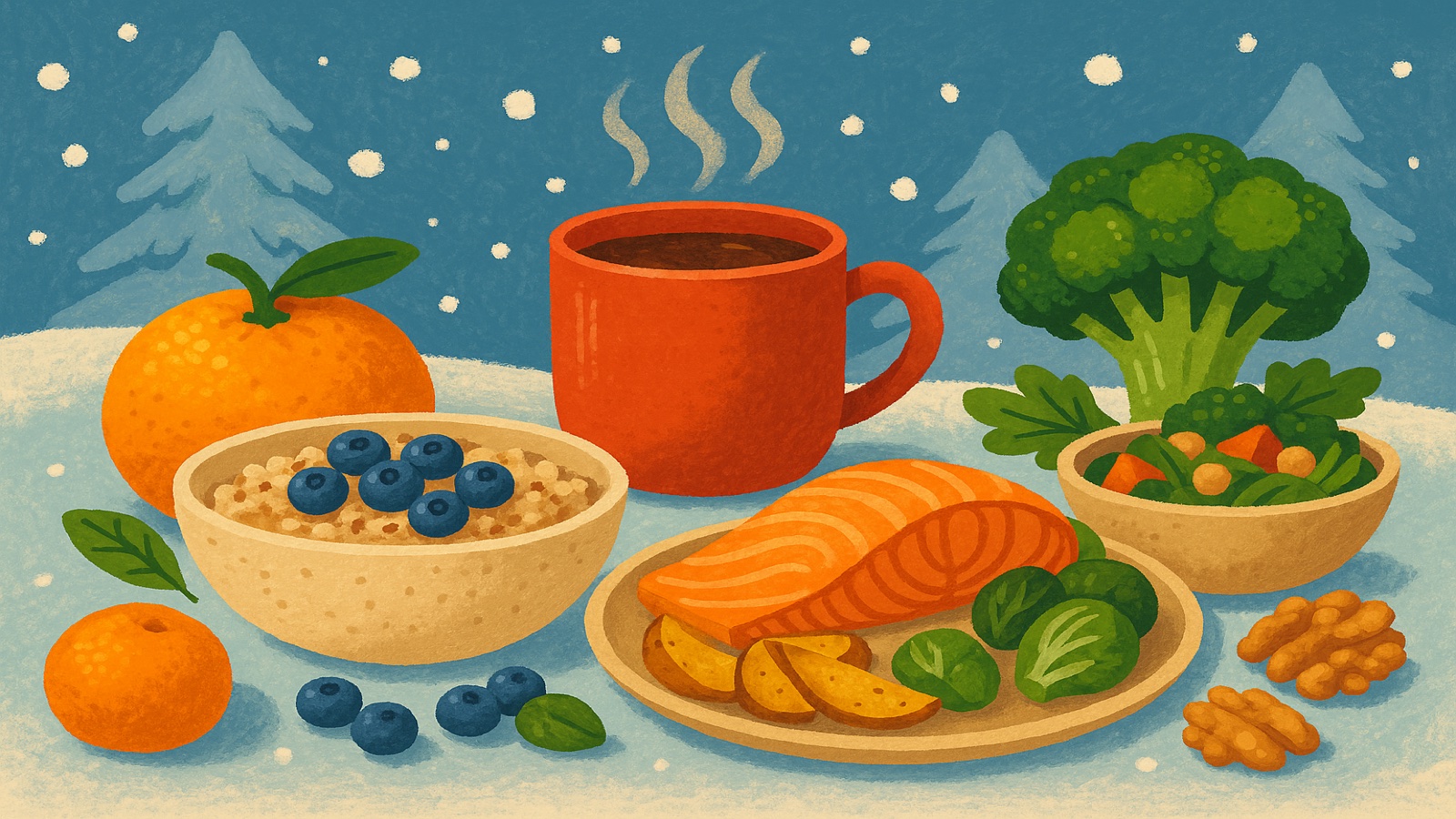
Cooking Simple, Nutritious Meals for Aging Parents Without the Stress
Ten evidence-based principles and 11 easy meal ideas for protein, fiber, texture, and flavor — so you can cook confidently for the people you love.
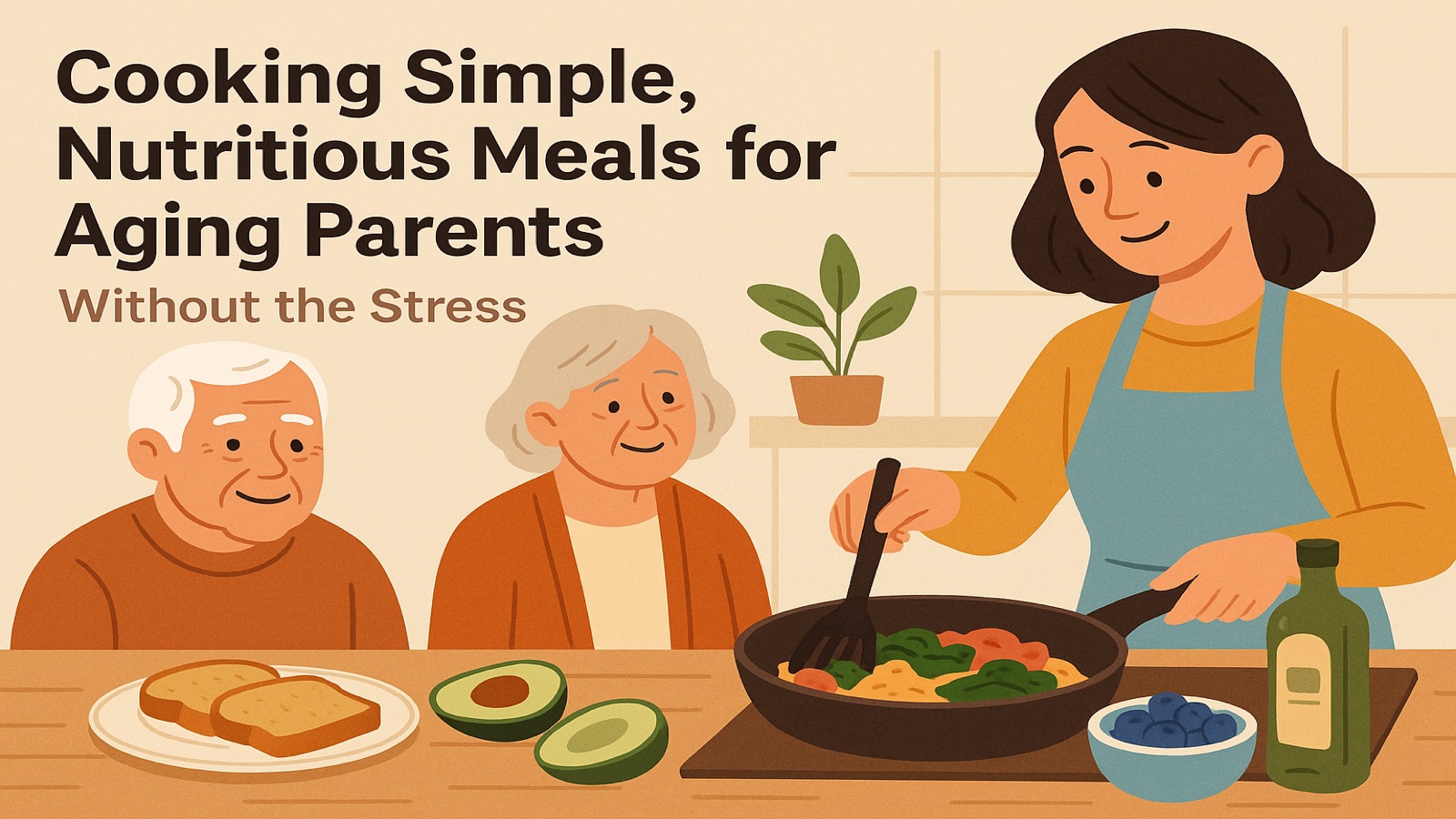
Ever stood in the kitchen wondering what on earth to cook for your mom or dad and whether it is actually right for their health now? You are not alone. Appetite changes, chewing or swallowing needs, new medications, and shifting energy levels can make mealtimes surprisingly complicated. The good news: with a few evidence-based principles and simple meal ideas, you can cook confidently and kindly for the people you love.
This guide lays out clear rules of thumb and turns them into everyday meals you can realistically make (even on a busy weeknight).
Core Principles for Cooking for Older Adults
1) Protein at every meal (and snack). Why: After about age 50, we gradually lose muscle mass (sarcopenia). Prioritizing high-quality protein at each meal supports strength, mobility, immunity, and recovery. A practical target many geriatric nutrition experts use is ~25–30 g protein per main meal.
2) Fiber + fluids for digestion and heart health. Why: Fiber supports bowel regularity, blood sugar control, and heart health. Most older adults benefit from ~25–30 g fiber/day, but it only works well with adequate hydration.
3) Color counts: plants at (almost) every bite. Why: Produce adds potassium, magnesium, antioxidants, and phytonutrients linked to brain, eye, and heart health. Think: a piece of fruit at breakfast, veg at lunch and dinner, and herbs/spices for flavor without extra salt.
4) Healthy fats beat heavy fats. Why: Favor olive oil, nuts, seeds, avocado, and fatty fish (omega-3s) over butter and highly processed fats. This supports heart and brain health.
5) Smart sodium, steady flavor. Why: Many older adults need to limit added sodium to support blood pressure. Use citrus, vinegar, herbs, garlic, and spices to keep food exciting with less salt.
6) Texture and chewing comfort matter. Why: Dental changes and dysphagia (swallowing difficulty) are common. Build meals that are moist, tender, and easy to chew; offer soft options and cut food small. Use broths, yogurt, sauces, or olive oil to add moisture.
7) Micronutrients to watch: vitamin B12, vitamin D, calcium. Why: B12 absorption can decline with age; vitamin D and calcium support bone and muscle. Fortified foods or supplements may be appropriate — ask a clinician.
8) Keep blood sugar and energy steady. Why: Combine protein + fiber + healthy fat at meals and snacks; this helps appetite, energy, and glucose control.
9) Food safety and simplicity. Why: Lower stomach acid and chronic conditions raise infection risk. Cook thoroughly, reheat leftovers to steaming hot, label and date food, and keep the fridge at or below 40°F (4°C).
10) Make it social and familiar. Why: Taste changes with age. Build menus from familiar flavors and cultural favorites; eat together when possible — social meals improve intake and mood.
How to Put the Principles into Practice
Protein at every meal
- Breakfast ideas: Greek yogurt, cottage cheese, eggs, tofu scramble, nut butter on whole-grain toast.
- Lunch/dinner anchors: fish, chicken, turkey, tofu/tempeh, legumes (lentils, beans), eggs, dairy.
- Snacks: yogurt cups, cheese + fruit, roasted chickpeas, edamame, protein-rich soups.
Fiber + fluids
- Choose oats, barley, quinoa, whole-grain bread, beans/lentils, berries, leafy greens.
- Build up fiber gradually and sip water or tea through the day; aim for pale-yellow urine as a simple hydration cue (unless a clinician advises fluid restriction).
Healthy fats
- Cook with olive oil; add nuts/seeds (ground flax, chia, walnuts) to breakfast bowls or salads; include salmon, sardines, or trout 1–2 times per week.
Lower sodium, bigger flavor
- Season with lemon, herbs, garlic, onion, pepper, paprika, cumin, turmeric; lean on no-salt spice blends; drain and rinse canned beans/veg to reduce sodium.
Texture tweaks
- Choose moist cooking methods (stews, braises, poaching).
- Serve cooked vegetables tender-crisp or soft, not raw if chewing is difficult.
- Use sauces (tahini, yogurt, tomato, pesto) to add moisture.
Simple, Nutritious Meal Ideas
1) Soft Scramble and Berries Bowl
Who it suits: Most adults, including those with chewing difficulties.
How: Soft-scramble 2–3 eggs in olive oil. Serve with warm sautéed spinach and a side of berries. Add a slice of whole-grain toast with a thin spread of avocado or peanut butter.
Why it works: ~20–25 g protein, fiber, lutein/zeaxanthin for eyes, potassium and folate for heart health.
2) Salmon, Potatoes and Green Beans (One-Pan or Sheet Pan)
How: Toss salmon fillet, small potatoes (halved), and green beans with olive oil, lemon, dill, and pepper. Roast at 400°F/205°C until salmon flakes (~12–15 min).
Why it works: Omega-3s for brain/heart, potassium and fiber for BP and digestion; soft textures.
3) Lentil and Barley "Comfort" Soup
How: Sauté onion, carrot, celery, and garlic in olive oil. Add rinsed lentils, pearled barley, low-sodium broth, diced tomatoes, bay leaf. Simmer till tender. Finish with lemon juice and parsley.
Why it works: Plant protein + fiber combo for stable energy and cholesterol support; easy to chew and freeze-friendly.
4) Chicken and Veggie Skillet with Yogurt-Herb Sauce
How: Sauté bite-size chicken in olive oil; add zucchini, bell pepper, mushrooms. Season with paprika and oregano. Stir in a spoon of plain Greek yogurt + lemon + dill off heat.
Why it works: ~30 g protein, low sodium, probiotic dairy; creamy without heavy cream.
5) Tofu and Veggie Stir-Fry with Ginger-Garlic
How: Crisp tofu cubes in a little olive or canola oil; set aside. Stir-fry chopped broccoli, carrots, and snap peas; add tofu back with low-sodium soy sauce, grated ginger, garlic, and a splash of rice vinegar. Serve over brown rice or quinoa.
Why it works: High-quality plant protein, fiber, and minerals; easy to vary texture.
6) Tuna-Bean Salad Plate
How: Mix canned tuna (drained) with white beans, chopped cucumber, cherry tomatoes, olive oil, lemon, and parsley. Serve with whole-grain crackers and orange slices.
Why it works: No-cook, budget-friendly; protein + fiber; vitamin C boosts iron absorption.
7) Cottage Cheese Fruit-Nut Parfait
How: Layer cottage cheese with diced peaches or berries, sprinkle with chopped walnuts and ground flaxseed; drizzle with cinnamon.
Why it works: High protein, calcium, omega-3 ALA and fiber; great snack or light breakfast.
8) Turkey Veggie Chili (Make-Ahead)
How: Brown lean ground turkey with onion and garlic. Add mixed beans, tomatoes, corn, spices (cumin, chili powder), and low-sodium broth. Simmer and portion.
Why it works: Protein + fiber; freezer-friendly; easy to moisten for texture needs.
9) Mediterranean Eggplant Bake
How: Layer roasted eggplant slices, chickpeas, spinach, and tomato sauce in a baking dish; top lightly with mozzarella or feta; bake until bubbly.
Why it works: Soft, savory, potassium-rich; balanced protein + fiber + healthy fat.
10) Smooth Chicken and Rice Congee
How: Simmer rice with extra water/low-sodium broth until silky. Stir in shredded poached chicken, ginger, scallion; finish with sesame oil and a splash of soy (or low-sodium tamari).
Why it works: Gentle on digestion and easy to swallow; hydration + protein.
11) Snack Box, Older-Adult Edition
How: Build a small plate: cheese cubes, whole-grain crackers, grape tomatoes (or cooked beets), hummus, and fruit.
Why it works: Balanced macros; easy grazing for low appetite days.
Extra Practicalities
- Batch-cook and portion: Make double recipes and freeze single-serve portions. Label with date and reheating cues.
- Lean on convenient staples: Frozen vegetables, pre-washed greens, rotisserie chicken, canned fish/beans (rinsed), microwavable whole grains.
- Medication interactions: Grapefruit interacts with several medications; check with a pharmacist or clinician.
- Hydration nudges: Keep water, herbal tea, or broth handy; offer soups, stewed fruit, and hydrating produce (citrus, melon, cucumbers).
- Sweet tooth, smarter: Yogurt + fruit, baked apples, dark chocolate squares; emphasize naturally sweet spices (cinnamon, vanilla).
Your Invitation
Start with one principle this week (for example, protein at every meal), and one go-to dish (say, lentil and barley soup). Notice how energy, mood, and appetite respond. Then build from there. Cooking for aging parents can be an act of care that is manageable, and even joyful, when you keep it simple and consistent.
You have got this. And they will taste the love.
References: Dietary Guidelines for Americans 2020–2025; PROT-AGE Study Group (2013) — Optimal dietary protein intake in older people; NIH Office of Dietary Supplements — Vitamin B12 Fact Sheet; Morris et al. (2015) — MIND diet and cognitive decline; Estruch et al. (2013) — PREDIMED Mediterranean diet trial
Note: The information provided should not replace professional medical advice.