Alarming Rise of Cancer in Young Adults: What You Should Know and Do
Early-onset cancer diagnoses are climbing worldwide — here is what is driving the trend, which cancers are surging, and 12 evidence-backed steps you can take now.
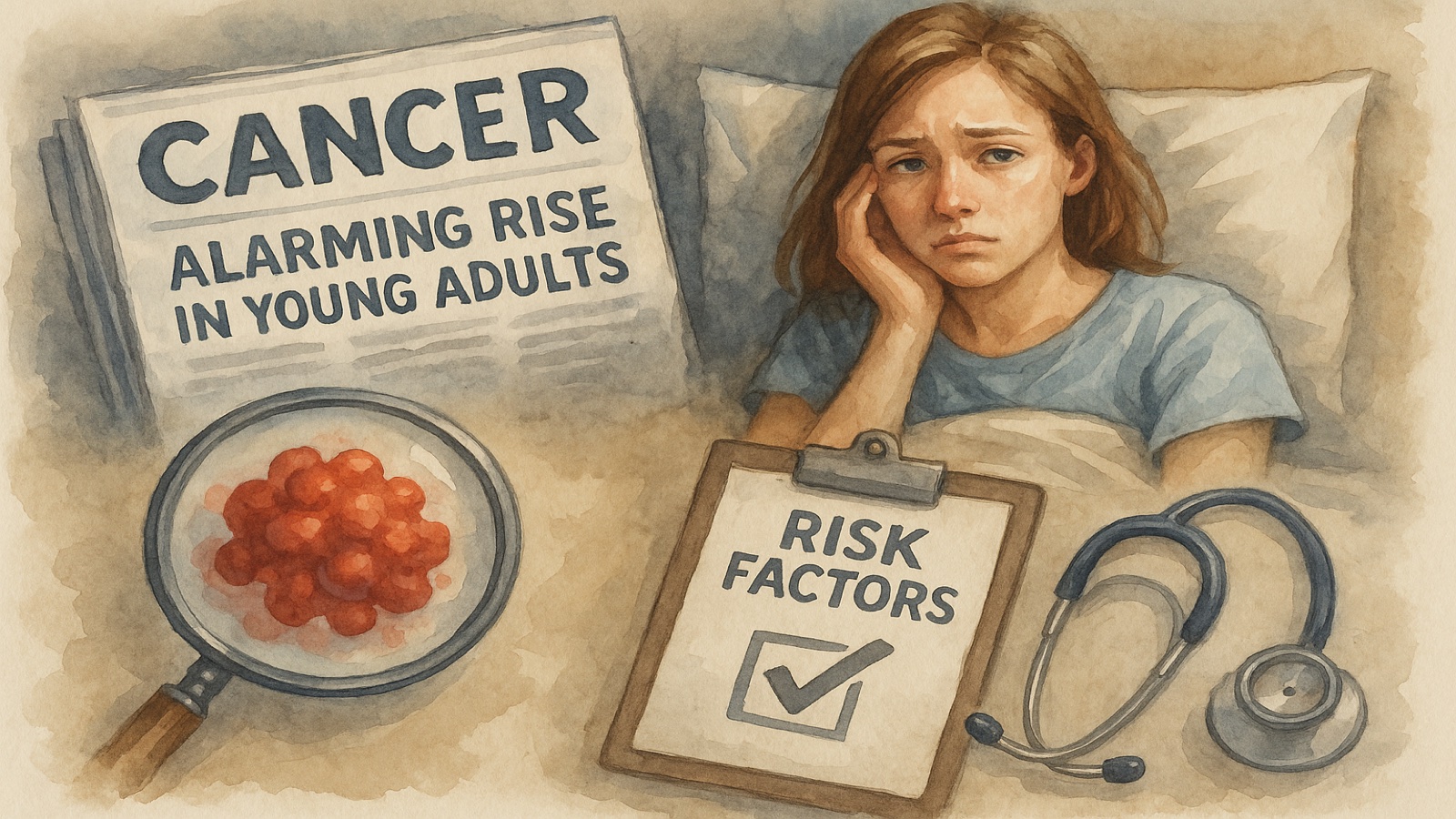
Cancer, long considered a disease primarily affecting older adults, is now increasingly appearing in younger populations. Recent global studies have highlighted a worrisome trend: the incidence of certain cancers in people under 50 is rising.
According to a 2022 review published in Nature Reviews Clinical Oncology, early-onset cancers (diagnosed before age 50) have been steadily increasing worldwide since the 1990s. Another 2023 study in BMJ Oncology reported a 79% increase in early-onset cancer diagnoses between 1990 and 2019, with colorectal, breast, thyroid, and pancreatic cancers leading the surge.
In the United States, the American Cancer Society notes that people born after 1990 face double the risk of colon cancer and four times the risk of rectal cancer compared to those born in 1950. These statistics are prompting major health institutions to rethink screening strategies and public awareness campaigns.
What Has Changed in the Last 20 Years?
Experts are investigating several shifts in daily life and health habits that may be contributing to this rise:
- Dietary Patterns: Increased consumption of ultra-processed foods, red meats, and sugary beverages, and lower intake of fiber and whole foods, have all been linked to higher cancer risk.
- Sedentary Lifestyles: Young adults are moving less. Remote work, screen-based entertainment, and long sitting hours have reduced physical activity.
- Obesity and Metabolic Disorders: Rates of obesity and insulin resistance in younger adults have sharply increased, both known risk factors for various cancers.
- Sleep Disruption: Irregular sleep schedules, night shifts, and overexposure to screens can disrupt circadian rhythms, which may impact cell repair mechanisms.
- Alcohol and Tobacco: While tobacco use has declined, vaping and alcohol consumption remain prevalent.
- Stress and Mental Health: Chronic stress and poor mental health may influence inflammatory and immune responses, affecting cancer risk.
While no single factor is solely responsible, the interaction of these lifestyle changes appears to be driving higher cancer incidence among younger people.
Which Cancers Are Increasing in Young Adults?
1. Colorectal Cancer
Rates of colorectal cancer in people under 50 have risen sharply in recent years. This may be due to increased consumption of processed meats, low fiber intake, sedentary behavior, and rising obesity. The colon is highly sensitive to inflammatory changes triggered by diet and microbiome imbalance, both of which can contribute to cancer development. Preventive actions include high-fiber diets, regular physical activity, and earlier screenings starting at age 45 or younger if at-risk.
2. Breast Cancer
Younger women are being diagnosed with more aggressive forms of breast cancer, such as triple-negative breast cancer. Risk factors include obesity, alcohol use, lack of physical activity, and hormone-related influences like delayed childbirth or hormonal contraceptives. Exercise, maintaining a healthy weight, and reducing alcohol intake can help reduce risk. Early self-exams and mammograms for high-risk individuals are also key.
3. Thyroid Cancer
This cancer is increasingly diagnosed among young adults, especially women. While part of the rise is attributed to improved detection through imaging, environmental exposures, hormone disruptors, and genetics also play a role. Minimizing exposure to unnecessary radiation and endocrine-disrupting chemicals in plastics and cosmetics may reduce risk.
4. Pancreatic Cancer
Although rare, pancreatic cancer is now appearing earlier in life. Risk factors include obesity, chronic inflammation, insulin resistance, and potentially environmental toxins. Prevention efforts focus on controlling weight, reducing sugar and processed food intake, and avoiding tobacco.
5. Endometrial and Cervical Cancer
Increased endometrial cancer rates have been tied to obesity, which alters estrogen levels. Cervical cancer trends are influenced by HPV exposure and low screening uptake. HPV vaccination and regular Pap smears or HPV tests are crucial preventive measures. Maintaining a healthy weight and managing insulin resistance may also protect endometrial health.
6. Kidney and Liver Cancer
These cancers are emerging at younger ages due to rising rates of obesity, type 2 diabetes, hepatitis infections, and alcohol consumption. Preventive strategies include moderating alcohol intake, hepatitis B vaccination, liver health monitoring, and metabolic wellness.
Signs to Watch For and Actions to Take
Early detection and daily habits both play critical roles in cancer prevention. Being proactive is key. Here are 12 actions you can take to protect your health — each supported by scientific evidence:
- Know Your Family History: Genetics account for an estimated 5–10% of all cancers. Knowing your family history can guide earlier screenings and genetic counseling. (Source: National Cancer Institute)
- Listen to Your Body: Persistent symptoms like bloating, bleeding, or fatigue can be early signs of cancer. A study in BMJ Open emphasizes the importance of symptom recognition for timely diagnosis.
- Get Regular Checkups: Preventive care, including screenings and lab work, has been shown to reduce cancer mortality through early detection. (Source: American Cancer Society)
- Stay Physically Active: The World Cancer Research Fund notes that regular physical activity reduces risk for colorectal, breast, and endometrial cancers through hormone and immune regulation.
- Limit Ultra-Processed Foods: A 2018 cohort study in BMJ found a 10% increase in ultra-processed food intake was associated with over 10% increased overall cancer risk.
- Maintain a Healthy Weight: According to the CDC, being overweight or obese increases the risk for at least 13 types of cancer, including colorectal and breast cancer.
- Avoid Alcohol and Tobacco: Alcohol is a Group 1 carcinogen per the International Agency for Research on Cancer (IARC), and tobacco use remains the leading preventable cause of cancer.
- Support Gut Health: A 2020 review in Frontiers in Microbiology linked gut microbiota imbalances to colorectal and liver cancers. Fiber and probiotics can help restore balance.
- Prioritize Quality Sleep: Studies published in Sleep and Cancer Epidemiology report that disrupted circadian rhythms and poor sleep quality may elevate cancer risk, especially breast and prostate cancers.
- Manage Stress: Chronic stress can impair immune surveillance and DNA repair. Research in Nature Reviews Cancer shows psychological stress contributes to cancer progression via cortisol and inflammation pathways.
- Get Vaccinated: The CDC and WHO recommend HPV and hepatitis B vaccines for preventing virus-related cancers such as cervical and liver cancer.
- Ask About Early Screenings: Colonoscopies, mammograms, and HPV tests can detect early signs before cancer develops.
Final Thoughts: Prevention Starts Now
The rise in early-onset cancer is alarming, but it is not without hope. By staying aware, adapting your lifestyle, and seeking medical advice when needed, you can take meaningful steps to protect your health.
Let's stay informed, support one another, and build habits that protect our bodies, not just for now, but for years to come. Your future self will thank you.
References: Nature Reviews Clinical Oncology (2022); BMJ Oncology (2023); American Cancer Society (2023); National Cancer Institute — Cancer Genetics Overview; World Cancer Research Fund (2018); BMJ (2018) — Ultra-processed foods and cancer risk; Sleep (2016); Nature Reviews Cancer (2021); CDC; U.S. Preventive Services Task Force — Cancer Screening
Note: The information provided should not replace professional medical advice.