The Truth About Corn Syrup: What It Is, Where It Hides, and How to Avoid It
Corn syrup shows up in cereals, sauces, and snacks you'd never suspect — here's what it is, who should limit it most, and 11 smarter sweetener swaps.
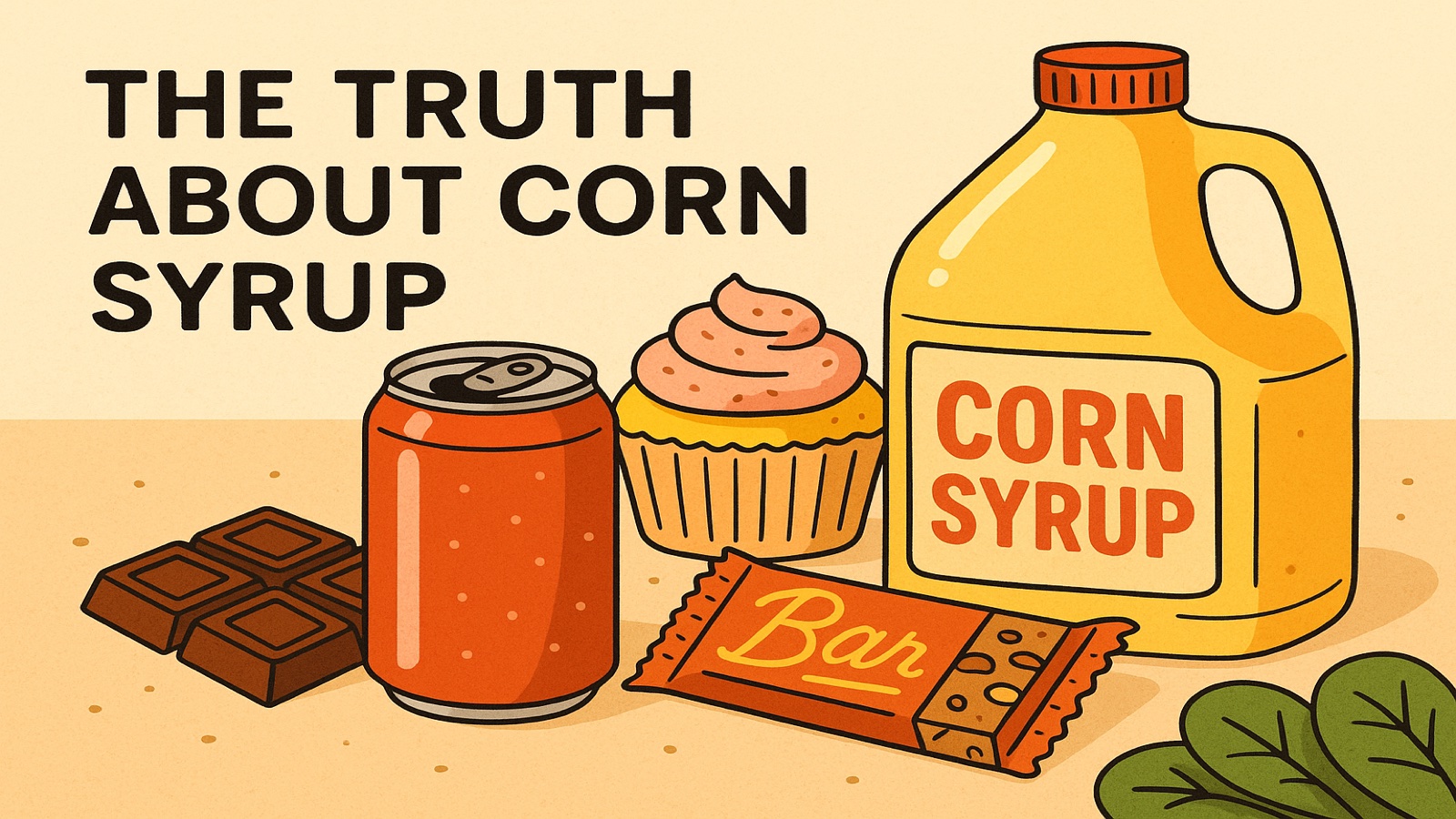
Whether it is in your favorite soda, a slice of cake, or even that "healthy" granola bar, corn syrup has quietly become a major part of the modern diet. But what exactly is corn syrup, and why is it getting so much attention lately? Let's break it down.
What Is Corn Syrup, and Why Is It in So Many Foods?
Corn syrup is a sweet, thick liquid made from corn starch. It is different from high-fructose corn syrup (HFCS), though both are made from corn. Regular corn syrup is 100% glucose, while HFCS is chemically altered to contain both glucose and fructose. The result is a super-sweet, shelf-stable syrup that blends easily into processed foods and helps preserve texture and moisture.
Food companies love corn syrup because:
- It is cheap to produce in bulk.
- It enhances flavor and sweetness.
- It improves shelf life by preventing crystallization and helping foods retain moisture.
Unfortunately, these benefits to manufacturers do not always translate to health perks for consumers.
Where Corn Syrup Hides in Your Food
You might be surprised how many common foods contain corn syrup:
- Soft drinks and energy drinks
- Breakfast cereals
- Packaged breads and baked goods
- Ice cream and frozen desserts
- Candy and chocolate bars
- Salad dressings and condiments like ketchup
- Snack bars and trail mixes
- Fruit snacks and jams
- Ready-made sauces and marinades
- Canned fruit and sweetened yogurt
Why is it in all these foods? Mostly for cost, taste, and addictive qualities. Research shows that excessive sweetness, especially from fructose, can overstimulate reward pathways in the brain, similar to how addictive substances work.
Who Should Be Extra Cautious About Corn Syrup?
While everyone should moderate their intake, certain groups are especially at risk:
- People with diabetes or prediabetes: Excess sugar intake can spike blood glucose levels and worsen insulin resistance.
- Children and teens: Diets high in added sugars are linked to obesity, behavioral issues, and poor metabolic health.
- Those with liver conditions: High-fructose intake can promote fatty liver disease.
- Individuals with metabolic syndrome or cardiovascular concerns: Excess sugar can lead to high triglycerides, blood pressure, and other heart risks.
A landmark case that made headlines involved a 40-year-old woman in the U.S. who consumed more than two liters of soda daily for several years. Doctors linked her non-alcoholic fatty liver disease and obesity-related complications directly to excessive HFCS intake (The American Journal of Clinical Nutrition, 2012).
10+ Easy, Healthier Substitutes for Corn Syrup
You do not have to give up sweet flavors — just switch to smarter options:
- Honey: Natural and rich in antioxidants (use in moderation).
- Maple syrup: Contains minerals like manganese and zinc.
- Agave nectar: Sweeter than sugar; small amounts go a long way.
- Date syrup or purée: Whole-food sweetener high in fiber.
- Brown rice syrup: Mild sweetness with slower digestion.
- Molasses: Packed with iron and calcium.
- Coconut nectar: Lower glycemic index than regular sugar.
- Stevia: Plant-based, calorie-free sweetener.
- Monk fruit extract: Zero-calorie sweetener with no glycemic impact.
- Unsweetened applesauce: Great for baking and snacks.
- Banana mash: Naturally sweet and fiber-rich.
These substitutes not only cut down on the glycemic load but also offer added nutrients and flavors.
Read Labels, Stay Informed, Choose Wisely
The best way to avoid corn syrup? Read ingredient labels carefully. It may appear as:
- Corn syrup
- High-fructose corn syrup
- Glucose syrup
- Glucose-fructose syrup (common in imported products)
Choose whole foods whenever possible, and minimize highly processed snacks. Swapping just one or two corn-syrup-laden products from your pantry for better alternatives can make a big difference over time.
Final Takeaway
Corn syrup has a place in modern food manufacturing, but too much of it can affect your health in subtle and serious ways. Fortunately, better choices are within reach — and often tastier. Whether you are baking at home, meal prepping, or just grabbing a snack, you now have the knowledge to keep your sweetness in check.
References: Bray et al. (2004) — HFCS and obesity; Lustig (2010) — Fructose and metabolic parallels; Vos et al. (2017) — Added sugars and cardiovascular risk in children
Note: The information provided should not replace professional medical advice.