Could Your Future Heart Health Be Decided Years Before You Notice Any Warning Signs?
The choices you make in your 20s and 30s can shape cardiovascular health decades later — what research shows and 10+ practical habits to start now.
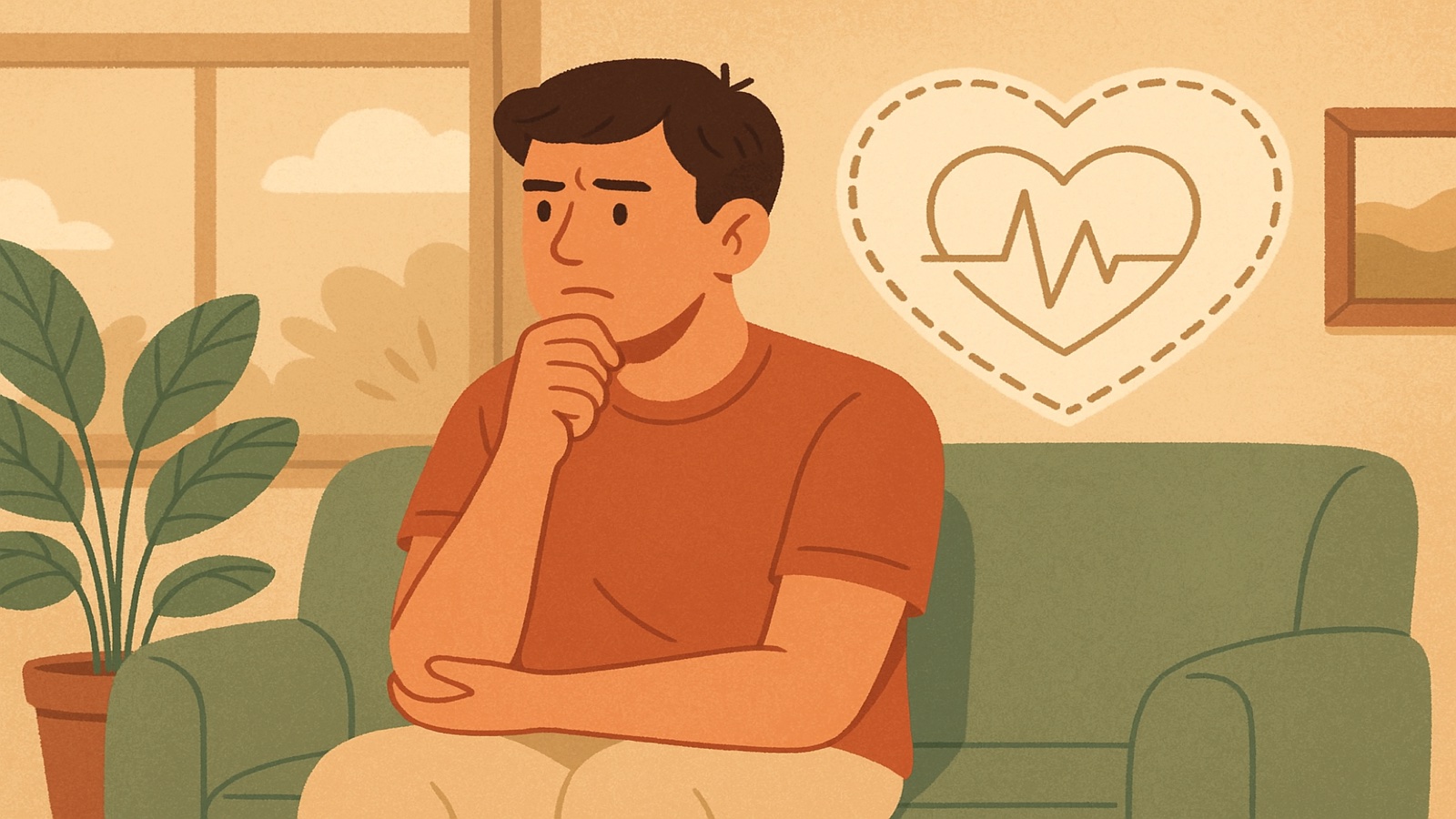
Most people think heart disease "just happens" later in life, maybe when you hit your 50s or 60s. But here is the shocker: research now shows that the foundation for your heart's future health is laid years (even decades!) before the first warning signs like high blood pressure or chest discomfort ever appear.
Your daily choices today, even in your teens, 20s, or 30s, could be quietly shaping how strong or vulnerable your heart will be in the years ahead.
Common Early Lifestyle Choices That Shape Heart Health
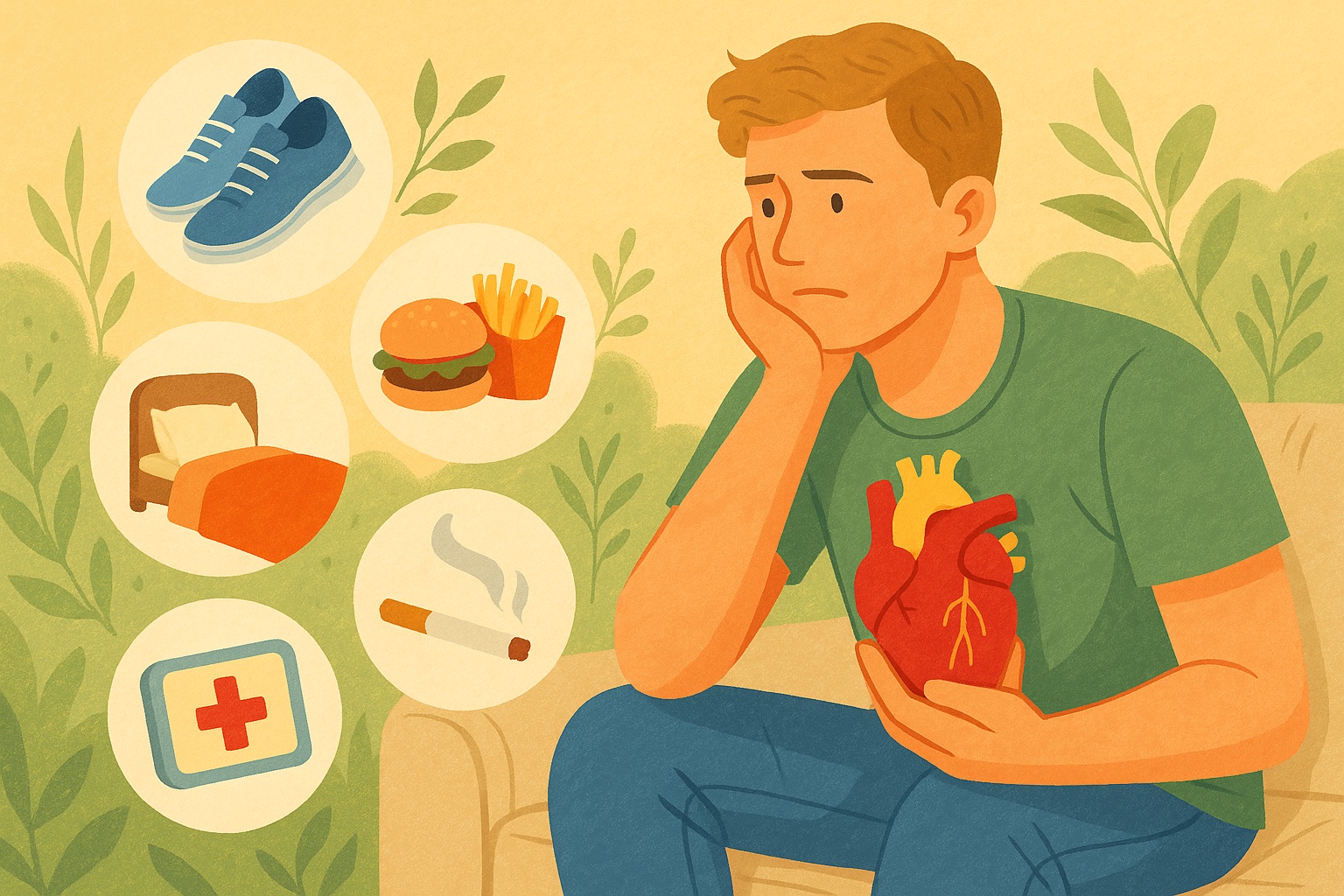
When we talk about "lifestyle," people often imagine radical habits like running marathons or smoking a pack a day. But in reality, it is the everyday patterns that build up:
- Activity levels: How often you move during the day versus how long you sit.
- Diet quality: Whole foods versus processed foods; home cooking versus fast food.
- Sleep habits: Consistent, deep sleep versus short, irregular nights.
- Stress management: Chronic stress and coping methods (healthy or unhealthy).
- Substance use: Smoking, vaping, alcohol consumption.
- Weight management: Gradual weight gain in early adulthood often continues into midlife.
- Preventive care: Whether you get checkups or ignore subtle symptoms.
What Research Says: The Decade-Long Clues
A 2025 European Society of Cardiology report found that a decline in physical activity could predict increased cardiovascular disease risk 10 years before cholesterol or blood pressure numbers sound the alarm.
Other studies have revealed:
- Youth activity levels strongly predict midlife heart function.
- Early, sustained high salt intake raises lifetime hypertension risk.
- Diets high in added sugars and trans fats can lead to subtle arterial stiffness well before symptoms appear.
- Chronic stress without management tools in your 20s–30s is linked to higher rates of coronary artery disease later.
In other words, your body is logging these choices, quietly, every single day.
It Is Never Too Late to Turn the Tide
Even if your early habits were not ideal, your heart is remarkably adaptable. Positive changes at any age can slow or even reverse certain risk factors. The earlier you start, the more powerful the protection.
10+ Practical Tips for a Heart-Healthy Lifestyle
- Move every hour: Stand, stretch, or walk for at least 2–3 minutes.
- Aim for 150 minutes of moderate activity weekly: Brisk walks, cycling, swimming.
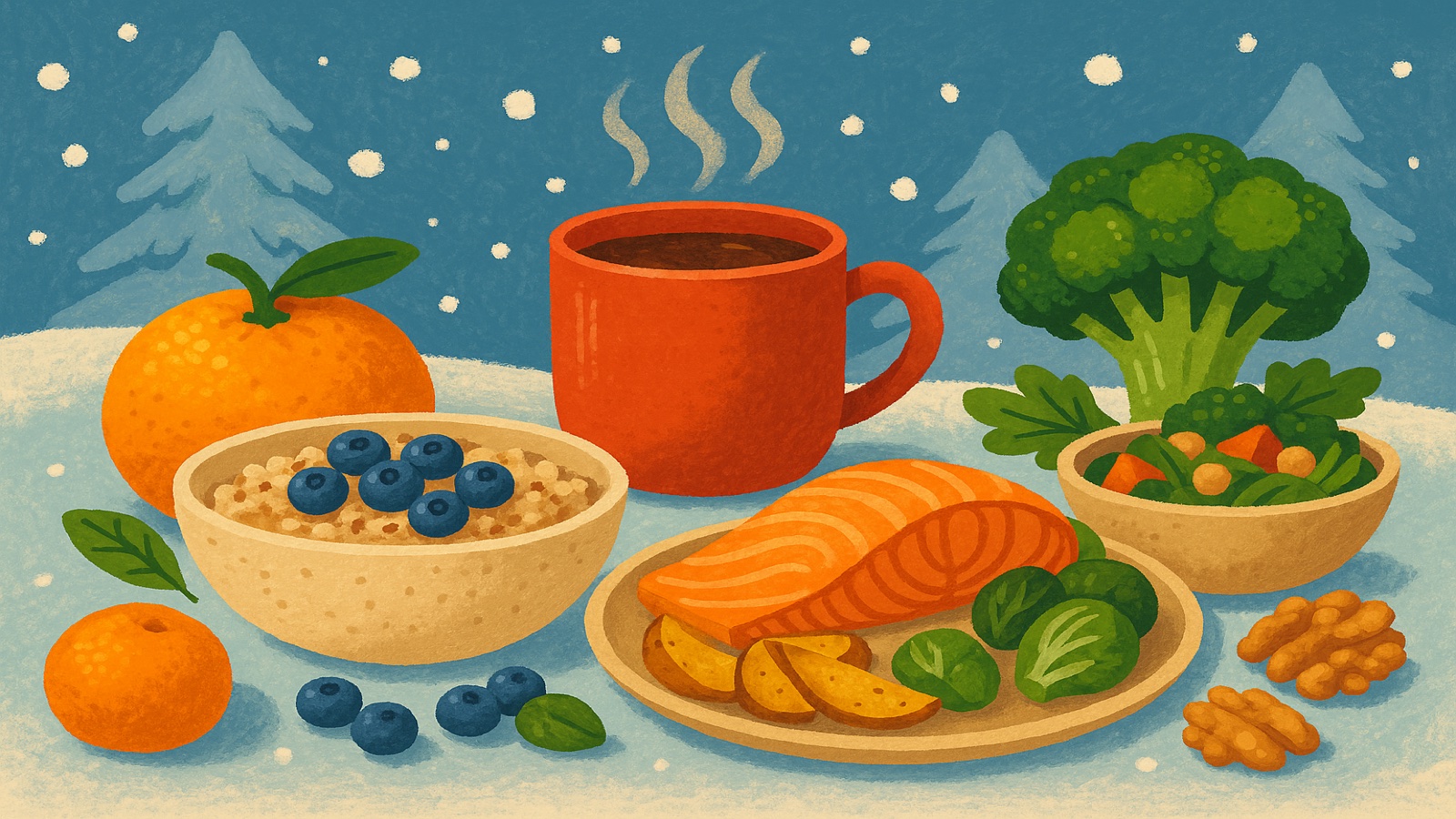
- Eat a rainbow of produce daily: Different colors = different protective compounds.
- Choose whole grains over refined grains: Oats, quinoa, brown rice.
- Limit added sugars to under 25g/day: Read labels to avoid hidden sugars.
- Go easy on salt: Use herbs and spices for flavor instead.
- Maintain a healthy weight: Small, steady changes are more sustainable.
- Sleep 7–9 hours consistently: Quality sleep supports blood pressure control.
- Practice stress relief daily: Deep breathing, journaling, walking in nature.
- Quit smoking and limit alcohol: Seek support early for lasting success.
- Get regular checkups: Early detection of changes in cholesterol, BP, or glucose.
Final Takeaway
Your heart's story starts long before your first EKG. Whether you are 18, 38, or 58, every healthy choice today is an investment in decades of stronger heartbeats tomorrow. Make those choices count, and your future self will thank you.
References: World Health Organization (2023) — Cardiovascular diseases; U.S. Centers for Disease Control and Prevention (2024) — Heart Disease Facts; European Society of Cardiology (2025) — Early-life physical activity and cardiovascular risk
Note: The information provided should not replace professional medical advice.