Crispy Caution: Fried Food and Your Body During Summer
Deep-fried summer treats hit harder in the heat — how frying oil affects your body, what cravings may signal, and smarter ways to get that crunch.
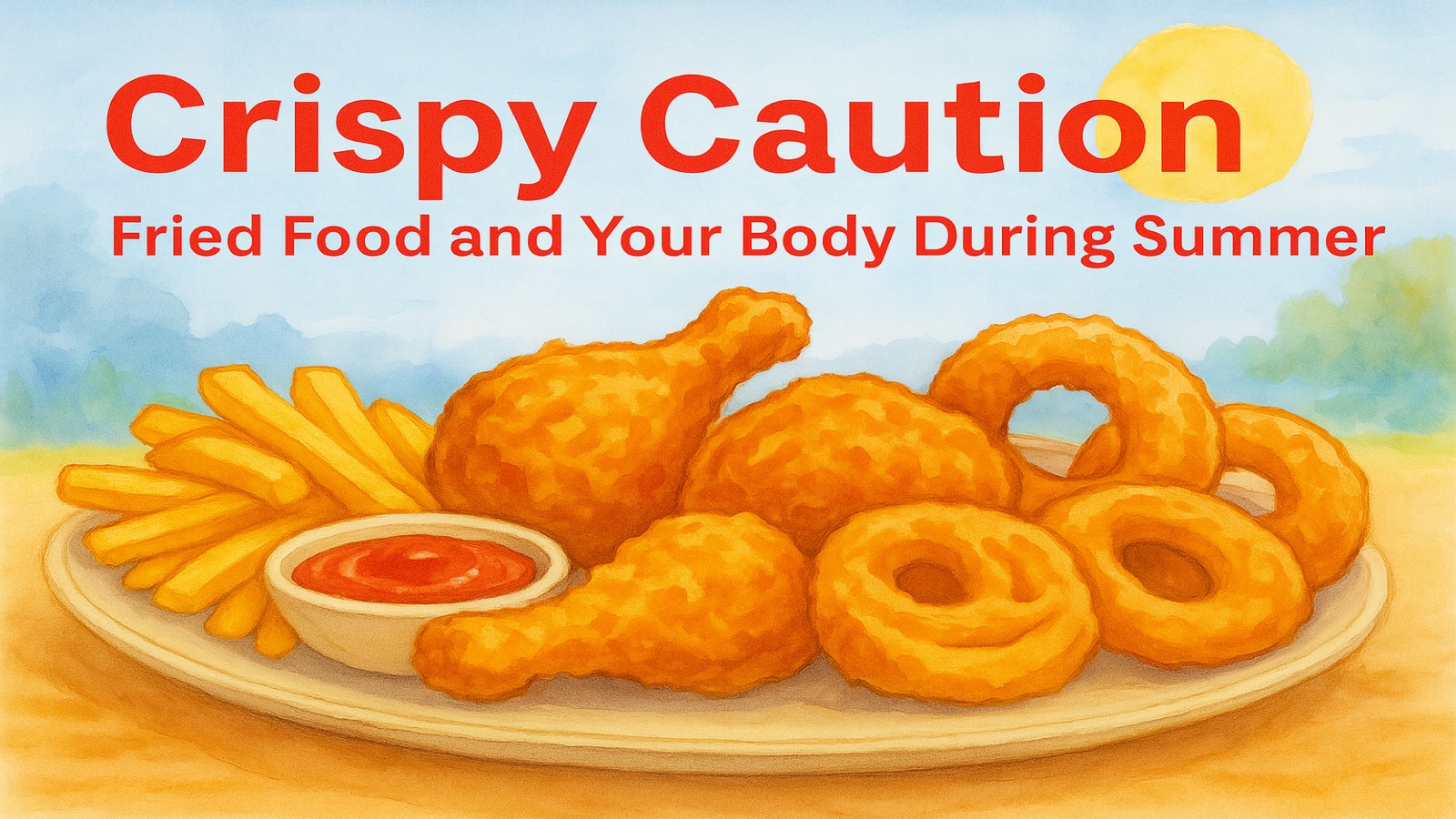
Summer is the season of sunshine, beach trips, and yes, crispy, golden, deep-fried delights. Whether it is fish and chips by the boardwalk, fried dough at a county fair, or chicken wings at a summer BBQ, fried foods are often part of our warm-weather indulgences. But have you ever paused to wonder what those crunchy bites are doing to your body, especially when temperatures soar?
This article dives into the science behind fried food: how it is made, the hidden health impacts, and how to enjoy your favorites in smarter ways. Because when it comes to fried food, balance is everything.
How Fried Food Is Typically Made and Sold
Fried food is typically prepared by submerging ingredients in hot oil, usually at temperatures between 325–375°F. This high-heat environment causes moisture to evaporate rapidly, creating a crispy exterior and tender interior. However, this process also allows the food to absorb a significant amount of oil.
Restaurants and food vendors often reuse frying oil multiple times, especially in high-volume settings like fairs or fast food chains. This reused oil can break down into harmful compounds like acrylamide, aldehydes, and trans fats, particularly when vegetable oils like soybean or corn oil are used repeatedly.
Packaged fried snacks may be cooked in hydrogenated oils, which extend shelf life but contribute trans fats, a known risk factor for cardiovascular disease.
The Risks of Frequent Fried Food Consumption in Summer
Eating fried foods too often has been associated with several health issues, including obesity, high blood pressure, type 2 diabetes, and cardiovascular disease. A 2019 study in BMJ found that women who ate one or more servings of fried food per day had an 8% higher risk of death compared to those who did not.
In the summer, high temperatures can amplify the toll on your body. Fried foods can contribute to dehydration and sluggish digestion, making you feel bloated, tired, and uncomfortable. They are often high in sodium and fat, which can impair circulation and increase internal heat.
Moreover, these foods tend to displace nutrient-dense options. Replacing a fresh salad with fried onion rings? You may be missing out on vital hydration, fiber, and antioxidants.
What Your Fried Food Cravings Might Be Telling You
Craving fried food is not just a lack of willpower. Sometimes, it signals your body is seeking energy or comfort due to deficiencies. Here are a few possibilities:
- Fatty acid deficiency: Healthy fats like omega-3s found in fish, flaxseeds, and walnuts help regulate cravings. A lack might push your brain to seek fatty fried foods.
- Carbohydrate imbalance: If you are on a low-carb diet or skipping meals, your body may crave quick energy sources like fried breaded foods.
- Magnesium deficiency: Known for managing mood and muscle function, a lack of magnesium might drive comfort cravings. Try leafy greens, almonds, and beans.
Understanding your cravings helps you satisfy them more mindfully.
Smart, Science-Backed Ways to Enjoy Fried Food
Not all fried foods are created equal. Here are better ways to enjoy them:
1. Fried Proteins
- Choose lean meats like chicken breast or tofu.
- Use air fryers to reduce oil content while preserving crunch.
- Marinate first: Soaking proteins in yogurt or vinegar-based marinades can add flavor and reduce harmful compound formation.
- Bread smartly: Use whole grain breadcrumbs or crushed nuts for added fiber and nutrients.
2. Fried Whole Grains
- Try arancini (Italian fried rice balls) using brown rice and vegetables.
- Bake instead of deep-fry: Quinoa or millet cakes crisp up nicely in the oven.
- Use healthy binders like egg whites and mashed beans instead of processed fillers.
3. Fried Veggies
- Opt for water-rich veggies like zucchini, eggplant, or mushrooms, which hold up well in air-frying.
- Choose chickpea or rice flour for a lighter, gluten-free coating.
- Sprinkle with herbs like paprika or turmeric to boost antioxidants.
Remember, the cooking method matters. Air frying, oven roasting, and pan-searing are all great ways to mimic fried textures with less oil and fewer harmful compounds.
Final Thoughts: Fried Food Deserves a Second Look
Summer should be enjoyable and energizing, not weighed down by digestive fatigue and post-meal sluggishness. While fried food can be part of life's pleasures, understanding its health effects and making smarter choices can help you feel better all season long.
So next time you are tempted by a deep-fried treat, take a moment to think: Is there a better way to enjoy this? Whether it is air-fried veggie chips, baked whole grain snacks, or lightly pan-fried tofu, you can indulge without compromising your wellness.
References: Sun et al. (2019) — Fried food and mortality risk; Harvard T.H. Chan School of Public Health — Fats and cholesterol; Choe and Min (2007) — Chemistry of deep-fat frying oils
Note: The information provided should not replace professional medical advice.