Aloha on a Plate: Exploring the Flavors and Stories Behind Hawaiian Food
From poke and poi to loco moco and spam musubi — 11 iconic Hawaiian dishes, their cultural roots, and what each one means for your health.
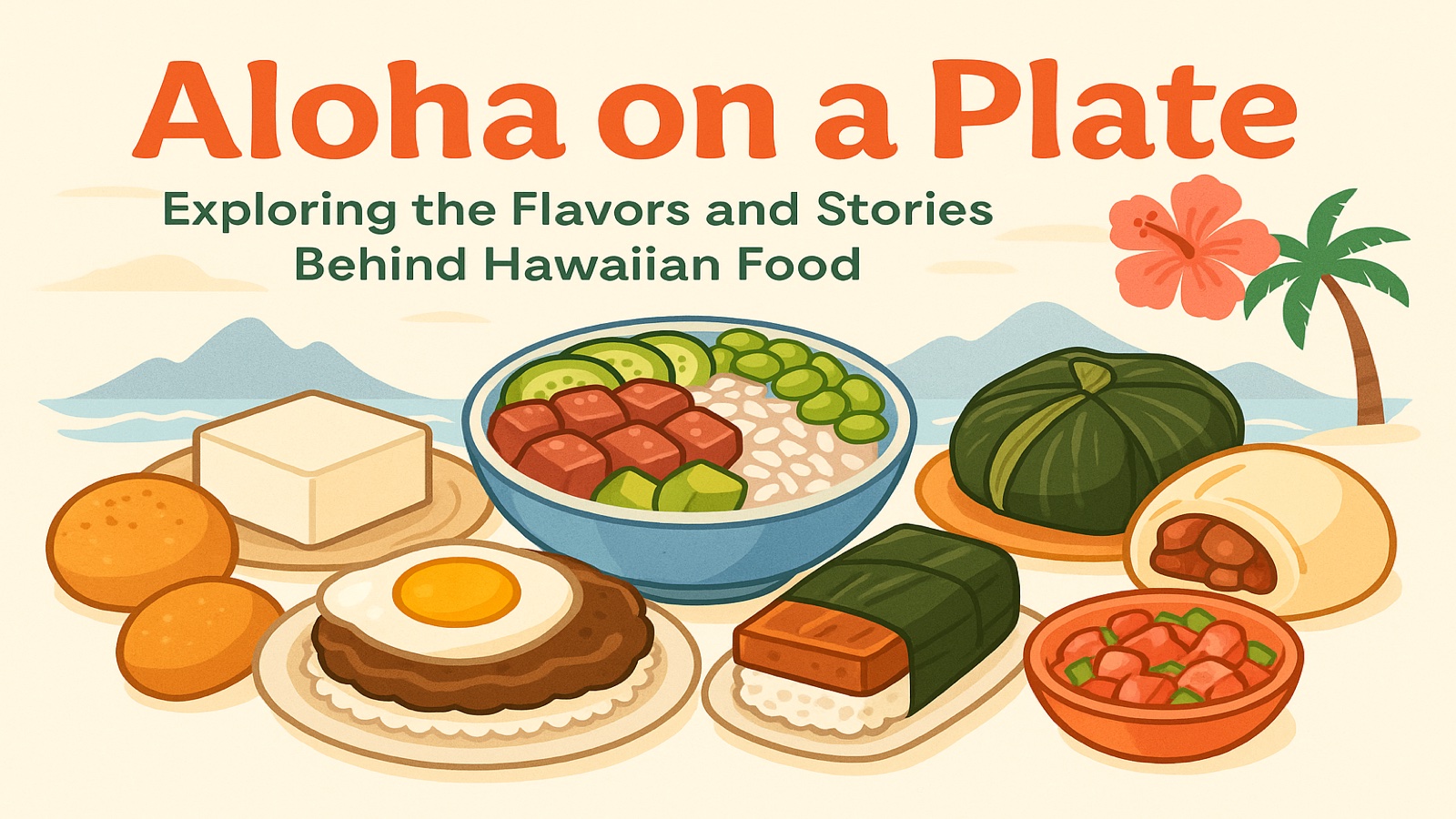
With the tropical breeze and the joyful beats of Lilo & Stitch in the background, it is the perfect time to dive into the vibrant world of Hawaiian cuisine. Known for its multicultural roots and connection to the land and sea, Hawaiian food is not just about taste — it is about tradition, nourishment, and community. Whether you are hitting the surf, exploring a volcano, or just enjoying the view, these iconic dishes offer delicious ways to refuel. Let's explore 11 of Hawaii's most beloved foods, from ancient staples to modern island favorites.
1. Poke Bowl
Poke (pronounced poh-keh) is one of Hawaii's most iconic and globally recognized dishes. The word "poke" means "to slice" in Hawaiian, referring to the small cubes of raw fish, typically ahi tuna, that form the base of the dish. Historically, Hawaiian fishermen would season the catch of the day with sea salt, seaweed, and crushed kukui nuts (inamona) for a quick, fresh snack. As immigrants from Japan, Korea, and China influenced Hawaiian cuisine, ingredients like soy sauce, sesame oil, green onions, and chili flakes were incorporated, giving rise to the modern poke bowl.
Ahi tuna is rich in lean protein and omega-3 fatty acids, which support heart and brain health. The addition of seaweed offers iodine and antioxidants, while toppings like avocado, edamame, or brown rice boost fiber and healthy fats. For active lifestyles like surfing or hiking, poke is a perfect midday meal — light yet energizing. Just watch out for sodium content in heavily marinated versions, and ensure fish is sushi-grade fresh.
2. Poi
Poi is a traditional Hawaiian staple made by pounding cooked taro root into a smooth, sticky paste. Taro, or kalo in Hawaiian, is one of the oldest cultivated crops in the world and holds deep spiritual and cultural importance in Hawaiian tradition. It is often eaten as a side dish and served at luaus, symbolizing unity and family.
Taro is highly nutritious: it is rich in fiber, potassium, and complex carbohydrates that provide long-lasting energy. It is also hypoallergenic and easy to digest, making poi ideal for all ages, including babies and elders. Poi can vary in consistency, from thick to more liquid depending on preference.
Because poi is low in fat and high in starch, it is an excellent complement to protein-rich dishes. For surfers and hikers, it is a great pre-activity fuel. Fresh poi is best consumed within a few days as it naturally ferments, developing a tangy flavor. This fermented version adds probiotic benefits that support gut health.
3. Loco Moco
The loco moco is a uniquely Hawaiian comfort food with humble origins. It was created in the 1940s in Hilo for local teenagers looking for an inexpensive, hearty meal. The classic loco moco consists of white rice topped with a hamburger patty, a sunny-side-up egg, and a generous pour of brown gravy.
While not the lightest dish, it is undeniably satisfying. The protein from the beef and egg fuels muscle recovery, while the rice offers quick energy. However, due to its richness and higher fat and sodium content, loco moco is best enjoyed occasionally and ideally post-activity, like after a long morning hike or a day at the beach.
Variations now include healthier spins like turkey patties, brown rice, or even vegetarian options using tofu or mushroom patties. Loco moco embodies Hawaii's melting pot cuisine, blending American, Asian, and local flavors in one savory, indulgent dish.
4. Laulau
Laulau is a traditional Hawaiian dish made by wrapping protein, typically pork, chicken, or fish, in taro leaves (luau leaves) and ti leaves, then steaming it for hours. This cooking method dates back to ancient Hawaii and reflects the islanders' deep respect for the land and resourcefulness in using all parts of the plant.
The result is tender, smoky meat infused with earthy, vegetal notes from the taro leaves. Taro leaves are rich in vitamins A and C, iron, and calcium, making laulau a nourishing dish packed with flavor and nutrients.
Because it is steamed, laulau is naturally low in added fat, though the type of meat used affects its calorie count. A fish laulau is lighter and great for lunch, while pork laulau might be better post-surf session when higher caloric intake is needed. Traditionally served with poi or rice, it offers a satisfying and balanced meal.
5. Haupia
Haupia is a classic Hawaiian dessert made from coconut milk, sugar, and cornstarch, forming a firm, creamy pudding or jelly-like square. Often served at luaus and family gatherings, haupia has roots in Polynesian culinary traditions and is celebrated for its refreshing, tropical flavor.
Coconut milk provides healthy fats, including medium-chain triglycerides (MCTs), which can offer quick energy. While haupia is a dessert, it is typically lower in sugar compared to Western treats, and the use of plant-based ingredients makes it naturally dairy-free and vegan-friendly.
Perfect for hot Hawaiian days, haupia is best enjoyed chilled. Its lightness makes it a fitting end to heavier meals, and it pairs wonderfully with tropical fruits like pineapple or mango. Just watch portions if you are mindful of calories, as coconut milk is rich in fats, even the good kind.
6. Kalua Pig
Kalua pig, also known as kālua pork, is one of the most iconic dishes of a Hawaiian luau. Traditionally prepared in an underground oven called an imu, the pig is seasoned simply with Hawaiian sea salt and sometimes banana leaves, then slow-cooked underground for hours. The result is succulent, smoky, and tender shredded pork.
This method of cooking preserves the meat's moisture without added fats, making it surprisingly lean depending on the cut used. Kalua pig is high in protein and pairs beautifully with sides like cabbage, poi, or lomi salmon.
Because it is slow-cooked and minimally seasoned, kalua pig is gentle on the stomach and great after a long day outdoors. Portion control is key, especially if served with salty sides. For a modern, health-conscious take, kalua-style pork can be made in a slow cooker at home using leaner cuts like pork loin.
7. Spam Musubi
Spam musubi is one of Hawaii's most popular grab-and-go snacks, reflecting the state's unique culinary fusion of local and Asian influences. It consists of a slice of grilled Spam placed atop a block of white rice and wrapped with a strip of nori (seaweed). This simple handheld treat was inspired by Japanese onigiri and became widespread after World War II, when Spam was introduced by American soldiers and became a convenient source of protein.
Though often seen as a processed food, Spam is high in protein and sodium, so moderation is key. For active beach days or long hikes, spam musubi can be an energy-dense snack. To make it healthier, opt for lower-sodium Spam or substitute with grilled tofu or salmon.
Its portability, affordability, and savory-sweet flavor profile make it a nostalgic and practical snack for locals and tourists alike. It is best eaten in the morning or midday to fuel outdoor activity before resting for the evening.
8. Lomi Lomi Salmon
Lomi lomi salmon is a traditional Hawaiian side dish with origins in Native Hawaiian and early Western influence. The name "lomi lomi" means "to massage" in Hawaiian, which describes how the ingredients are mixed by hand. It typically features salted salmon, diced tomatoes, onions, and green onions, served chilled.
The salt-curing preserves the fish and adds depth of flavor, while the fresh vegetables offer hydration and vitamins. Lomi lomi salmon is high in omega-3s and antioxidants, supporting heart health and reducing inflammation. However, its salt content can be high, so portion control and hydration are important, especially after a long day in the sun.
Often paired with poi or kalua pork at luaus, it serves as a refreshing, palate-cleansing side. Due to its cooling qualities and fresh taste, it is a great midday dish for hot Hawaiian afternoons.
9. Malasadas
Malasadas are Portuguese-style fried doughnuts brought to Hawaii by sugar plantation workers from Madeira and the Azores in the late 19th century. They quickly became a local favorite, especially on "Malasada Day" (Fat Tuesday) before Lent.
These golden, pillowy treats are made from yeast dough, deep-fried until fluffy inside and crisp outside, and then rolled in sugar. They may be filled with custard, chocolate, or tropical flavors like lilikoi (passion fruit) or haupia (coconut).
Malasadas are high in sugar and fat, so they are best enjoyed as an occasional treat. For special occasions like beach parties or festivals, they are a delightful indulgence. Due to their richness, they pair well with coffee or fresh fruit and are best eaten early in the day to burn off the energy.
10. Chicken Long Rice
Chicken long rice is a Hawaiian comfort food with Chinese roots, made by simmering chicken, garlic, ginger, and green onions with clear mung bean noodles (also called glass noodles or vermicelli). It is brothy, warming, and light, a favorite at family gatherings and luaus.
This dish is gentle on the stomach and easy to digest, making it great for all ages and for post-activity recovery. The ginger offers anti-inflammatory benefits, while the broth helps with hydration. The lean chicken provides protein, and the noodles give quick energy without heaviness.
Because of its soothing and nourishing qualities, it is often served in the evening or after intense outdoor activity. It is also ideal for cooler island evenings or when you are feeling under the weather.
11. Manapua
Manapua is Hawaii's take on the Chinese char siu bao, fluffy, steamed (or baked) buns filled with sweet-savory pork. Brought to the islands by Cantonese immigrants, manapua has become a beloved snack available at bakeries, convenience stores, and even mobile manapua trucks.
The dough is slightly sweet and the filling is typically barbecue pork, though modern versions include curry chicken, sweet potato, or vegetarian options. Manapua offers a comforting balance of carbs and protein, making it a satisfying snack or light meal.
Due to its size and density, it is best enjoyed earlier in the day or as a post-beach lunch. For a healthier option, seek out baked versions with leaner fillings and pair with a side salad or fruit.
Bringing It All Together: A Taste of Hawaii's Spirit
Hawaiian food is more than a menu — it is a story told through waves of migration, tradition, and a deep connection to the land and sea. Whether you are savoring fresh poke after a surf session, relaxing with chicken long rice at sunset, or grabbing a quick spam musubi before a hike, every dish is rooted in history and culture. These 11 dishes show that Hawaiian cuisine blends nourishment, flavor, and aloha in every bite.
So the next time you are inspired by Lilo & Stitch or dreaming of island life, bring a bit of Hawaii to your plate with respect, curiosity, and joy.
Aloha, and happy eating!
References: U.S. Department of Agriculture — FoodData Central; Harvard T.H. Chan School of Public Health — Protein; NIH — Omega-3 Fatty Acids; NCCIH — Ginger
Note: The information provided should not replace professional medical advice.