Iced Tea Around the World: Celebrating National Iced Tea Day with Flavor and Wellness
From Thai tea and boba to karkadeh and rooibos, discover 20+ global iced tea traditions and how to enjoy them with better hydration and less sugar.
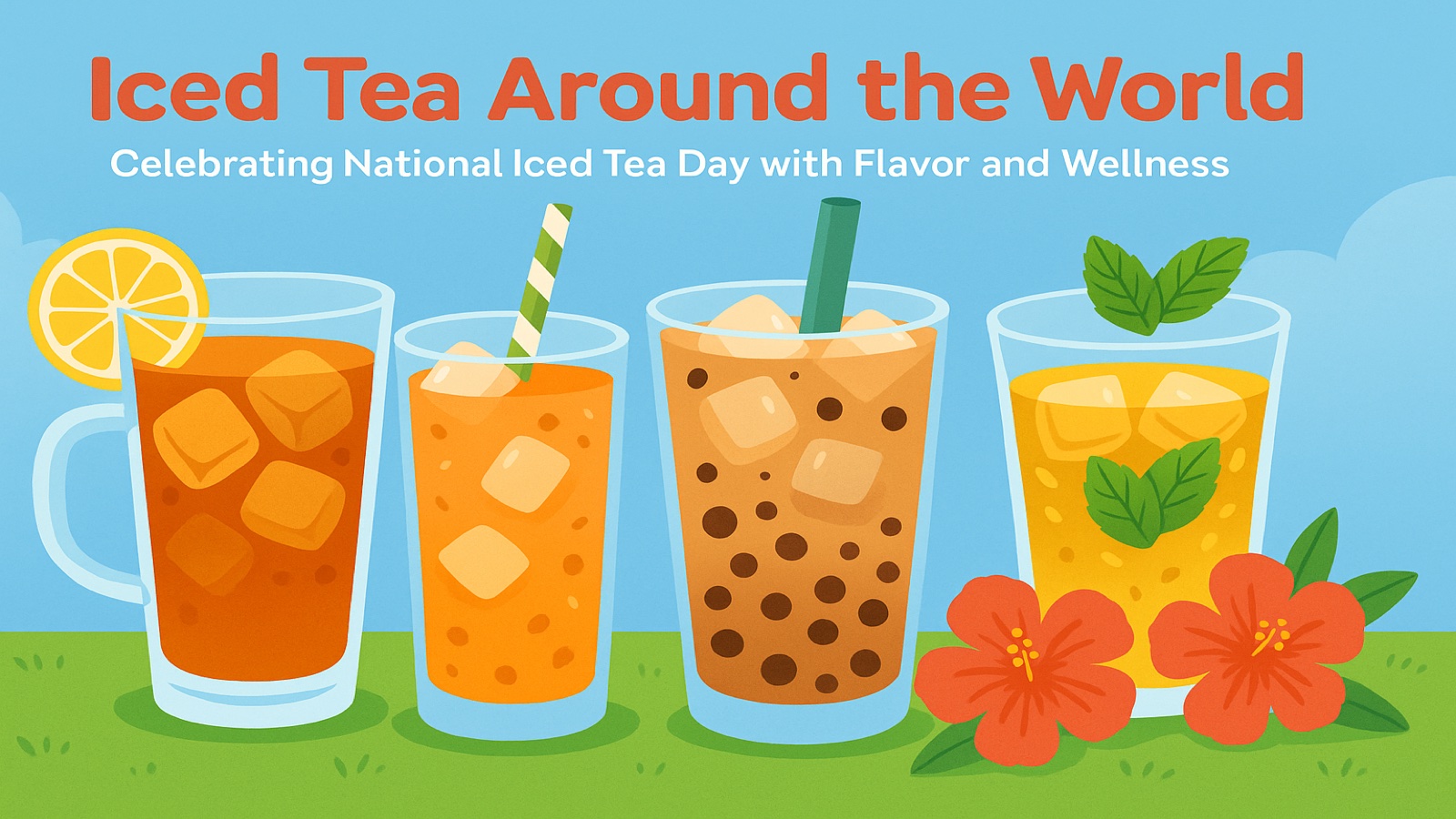
As the weather warms and National Iced Tea Day approaches, what better way to refresh than with a glass of iced tea? Originating in the United States in the early 1900s, with popularization during the 1904 St. Louis World's Fair, iced tea has evolved from a simple refreshment into a globally embraced beverage. From its humble origins to globally embraced variations, iced tea is more than just a cool drink. It is a flavorful expression of culture, creativity, and even health. In this article, we explore the many types of iced tea, how it is made and enjoyed around the world, and how to sip it with wellness in mind.
What Is Iced Tea?
Iced tea is typically brewed tea served cold, often over ice, and sweetened or flavored with fruits, herbs, or spices. While it originated in the United States in the 19th century, iced tea has since evolved into hundreds of global variations, each with its own unique taste and cultural touch.
Iced Tea Around the World: 20+ Unique Brews
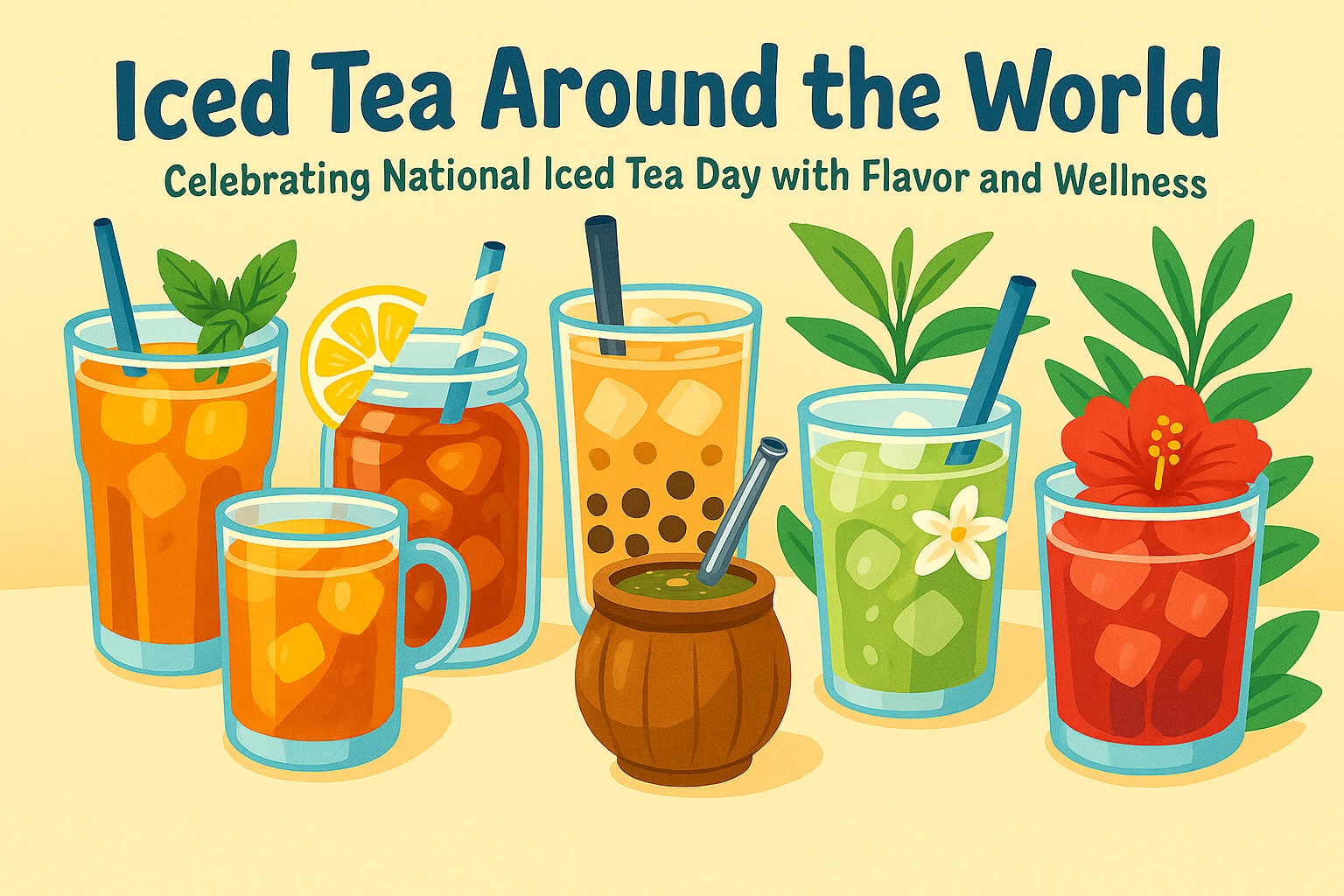
- USA: Classic sweet tea is a staple in the southern United States. It is made with strong black tea, often steeped for hours, then mixed with generous amounts of sugar and chilled. Served over ice with lemon, it is a refreshing symbol of hospitality.
- Thailand: Thai iced tea, or "cha yen," is bold and creamy. It is brewed from strong Ceylon or Assam black tea, sweetened with condensed milk and sugar, and poured over crushed ice. Its bright orange hue and rich flavor make it a favorite at street stalls and restaurants.
- Taiwan: Bubble tea, or "boba," blends iced black or green tea with milk, sugar, and chewy tapioca pearls. Invented in the 1980s, it has become a global sensation. The pearls add texture, making each sip a fun, interactive experience.
- Japan: Mugicha is a caffeine-free roasted barley tea often enjoyed cold. In Japanese homes, it is a summertime staple served from pitchers in the fridge. Its nutty, smoky flavor is both hydrating and comforting.
- China: Iced jasmine green tea is subtle and fragrant. Brewed from green tea leaves infused with jasmine blossoms, it offers floral notes and a light astringency. It is a popular choice for cooling down while maintaining a sense of elegance.
- India: Iced masala chai brings warmth and spice to the cold beverage world. Traditional chai spices like cardamom, cinnamon, and cloves are steeped with black tea and milk, then chilled. It is energizing and rich, especially with a touch of honey.
- Morocco: Mint tea is a national treasure, and in summer, it is served over ice. Green tea is steeped with fresh mint and plenty of sugar, then cooled and poured over cubes. It is as refreshing as it is ritualistic.
- Argentina: Yerba mate, traditionally drunk hot, is also enjoyed cold as "terere." In this iced form, the herbal tea is steeped with cold water or juice and sipped through a metal straw (bombilla). It offers a bitter edge and is a social drink.
- Brazil: Cha mate gelado is a fizzy iced mate tea, often bottled and sold chilled. Flavored with lime or passionfruit, it is tangy, lightly caffeinated, and popular on Brazilian beaches. The carbonation makes it especially refreshing.
- Turkey: While Turkish tea is famously served hot, cold versions with lemon are gaining popularity. Brewed strong and poured over ice, it pairs well with summer pastries. The balance of bitterness and citrus is surprisingly soothing.
- Egypt: Karkadeh, made from hibiscus petals, is a striking ruby-red tea enjoyed chilled. It is tart, tangy, and often sweetened with sugar or honey. Packed with antioxidants like anthocyanins and vitamin C, it is as nourishing as it is flavorful. These compounds have been studied for their potential to reduce inflammation and support heart health, giving hibiscus tea a science-backed reputation for wellness.
- South Africa: Rooibos tea, naturally caffeine-free, is a popular iced drink. Its earthy, slightly sweet taste makes it perfect for children and adults alike. Often served with lemon or mint, it supports hydration and wellness.
- Mexico: Agua de Jamaica is Mexico's take on hibiscus iced tea. Brewed strong, sweetened, and chilled, it is a staple at taco stands and family meals. Its vibrant color and tart flavor make it as festive as it is tasty.
- Vietnam: Tra da is ubiquitous in Vietnamese dining. This plain iced green tea is often served free with meals in restaurants. It is clean, crisp, and a perfect palate cleanser.
- South Korea: Yuja-cha is a marmalade-like tea made with yuzu (citron) fruit. When served iced, it becomes a sweet and tangy treat packed with vitamin C. It is often used as a home remedy for colds.
- Indonesia: Teh Botol is a popular brand of sweet jasmine iced tea served in iconic glass bottles across Indonesia. It is a popular brand-name beverage, both nostalgic and refreshing. The jasmine flavor makes it floral and distinctly Indonesian.
- UK: Though known for hot tea, iced Earl Grey with lemon is gaining ground. The bergamot citrus notes pair wonderfully with lavender or fresh mint. It is an elegant twist on a British classic.
- Australia: Lemon iced tea is commonly enjoyed down under, often with a fizzy finish. Australians love their cold brews lightly sweetened and citrusy. It is a beachside favorite.
- France: French iced teas are all about finesse, white or green teas infused with peach, rose, or red berries. Served in delicate glasses, they feel more like a spa treatment than a drink. Subtle, floral, and often low in sugar.
- Germany: Sparkling iced tea is a trend in Germany. Apple, black currant, or berry-flavored teas are carbonated for a soda alternative. They are fun, refreshing, and often paired with picnic meals.
- Italy: Italians enjoy strong black tea over ice with a squeeze of lemon and dash of sugar. It is simple, brisk, and clean. Served in chic cafes, it offers a European counterpoint to soda.
- Greece: Mountain tea (sideritis), made from dried herbs typically harvested from the rocky highlands of Greece, is brewed and chilled with lemon or honey. It has a mild floral taste and is said to support immunity and digestion. It is deeply rooted in Greek tradition.
Nutrition Facts and Health Insights
- Low Calorie (if unsweetened): Traditional iced tea without sugar is virtually calorie-free.
- Rich in Antioxidants: Especially green, black, and herbal teas. These can support heart and cellular health.
- Hydrating Alternative: A flavorful replacement for sugary sodas.
- Caffeine Awareness: Some teas contain high levels of caffeine, so moderation matters.
- Hidden Sugars: Commercial bottled teas can have more sugar than soda. So, always check labels.
A Toast to Tea: Celebrate with Smarts
As we raise our glasses on National Iced Tea Day, let's toast to global traditions and refreshing sips. Whether you prefer yours herbal, fizzy, creamy, or fruity, iced tea offers a delicious way to hydrate, unwind, and explore the flavors of the world. Just remember: balance is key. Enjoy the tea, watch the sugar, and savor the moment.
Happy National Iced Tea Day!
References: Chacko et al. — Beneficial effects of green tea; Tea with Tae — History of iced tea; Popkin et al. — Water, hydration, and health; Truong and Jeong — Tea polyphenols; Mayo Clinic — Caffeine content
Note: The information provided should not replace professional medical advice.